
A breakthrough in rural development in Tuong Duong.
Thanks to the high efforts and determination of the entire political system, along with the solidarity and unity of the people, after 12 years of implementation, Tuong Duong district has achieved many outstanding achievements in building new rural areas. This is one of the few districts under Program 30a nationwide with communes meeting the new rural area standards, with 4 communes and 11 villages recognized as meeting the standards.

Many changes
Tam Quang, the first border commune of Tuong Duong district and Nghe An province, successfully achieved the new rural development goals at the end of 2017. Currently, the commune is continuing to strive towards the goal of building an advanced new rural area.
The changes are clearly evident in the concrete roads extending into the villages and hamlets, the modern houses, and especially the formation of many effective economic models.
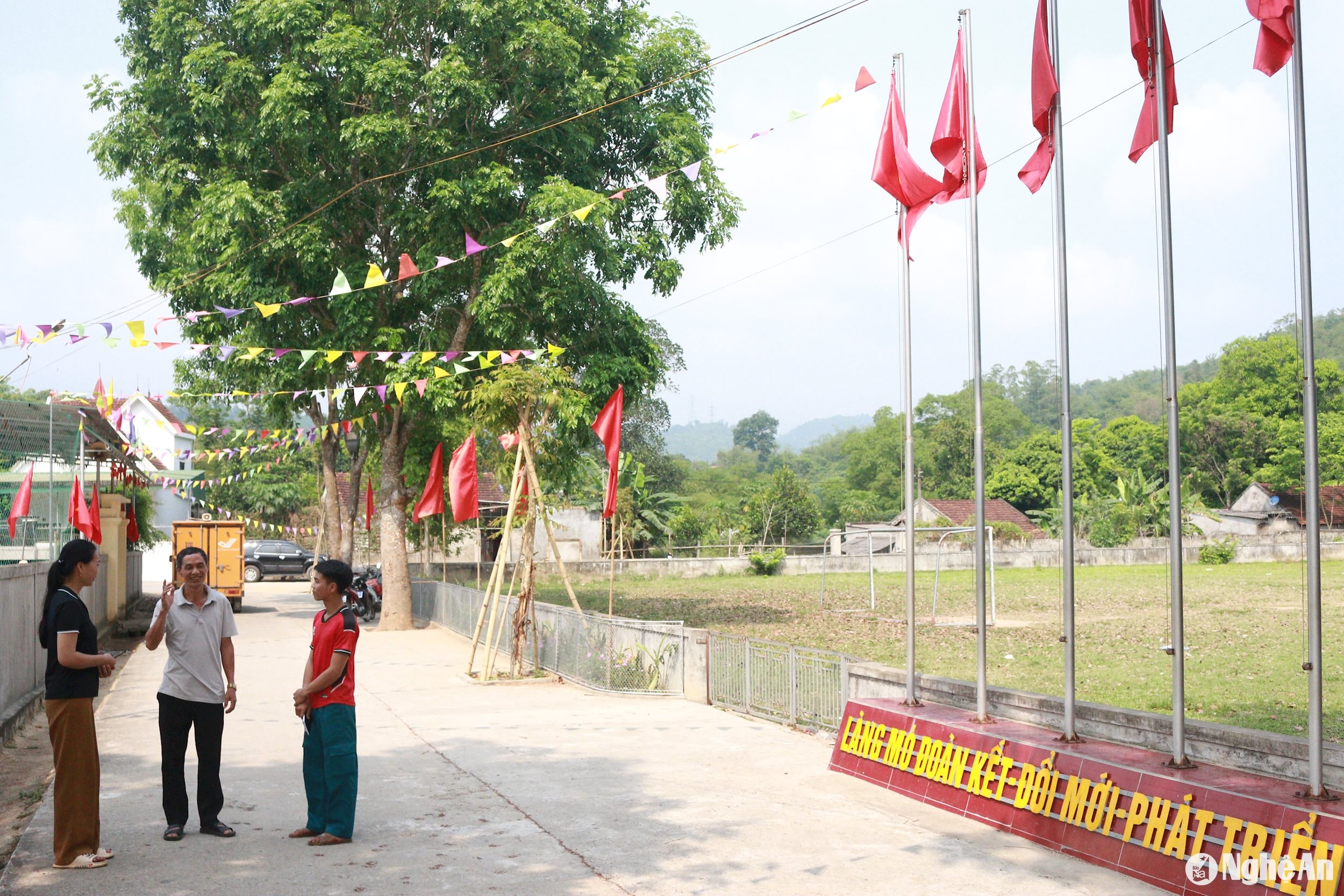
According to Ms. Kha Thi Hien, Chairwoman of the Tam Quang Commune People's Committee: A significant step forward is the shift of people from subsistence farming to commodity production. Models such as fruit tree cultivation, cattle and wild boar farming have not only improved income but also contributed to boosting the local economy. As a result, the average income of people has increased to 52.1 million VND/person/year, and the poverty rate has decreased to 8.03%.
For example, Bai So village has strongly developed economic models that generate high incomes ranging from 100-300 million VND per year. Typical examples include the farming and livestock model of Mr. Tong Van Chien's family, the model of transforming unproductive gardens into fruit orchards by Mr. Le Dang Dan, and cattle farming households such as Ms. Nguyen Thi Phuong, Mr. Nguyen Huu Due, and Mr. Nguyen Huu Ngoc…
.jpg)
Ms. Nguyen Thi Phuong, a livestock farmer with over 20 fattening cows and dozens of breeding pigs, uses her family's land to grow corn, cassava, and fodder crops. Thanks to this, her family earns nearly 300 million VND annually. Ms. Phuong shared: “Before, the roads were muddy and difficult to travel on, and traders would haggle over prices. Now, thanks to the New Rural Development program, the roads are paved with concrete, making travel easier, and the goods we produce are sold more easily, leading to a significant improvement in people's income.”
Currently, Luu Kien commune is also striving to complete the criteria for New Rural Development. Mr. Vang Kien Cuong, Chairman of the Commune People's Committee, said: After understanding the required criteria, the people have made efforts to implement them, and so far, 12 criteria have been achieved. Regarding the environment, households have improved livestock and poultry farming, no longer raising them under stilt houses but separating them into different areas. People have also become more aware of collecting and sorting waste according to regulations. At the same time, policies supporting plant and animal breeds and production models have helped people raise their awareness of economic development. Many models have yielded clear results, such as buffalo and cattle farming in Luu Thong village, the VAC model in Khe Kien village, the banana cultivation model for leaves, and the model for protecting and developing aquatic resources (such as catfish)...
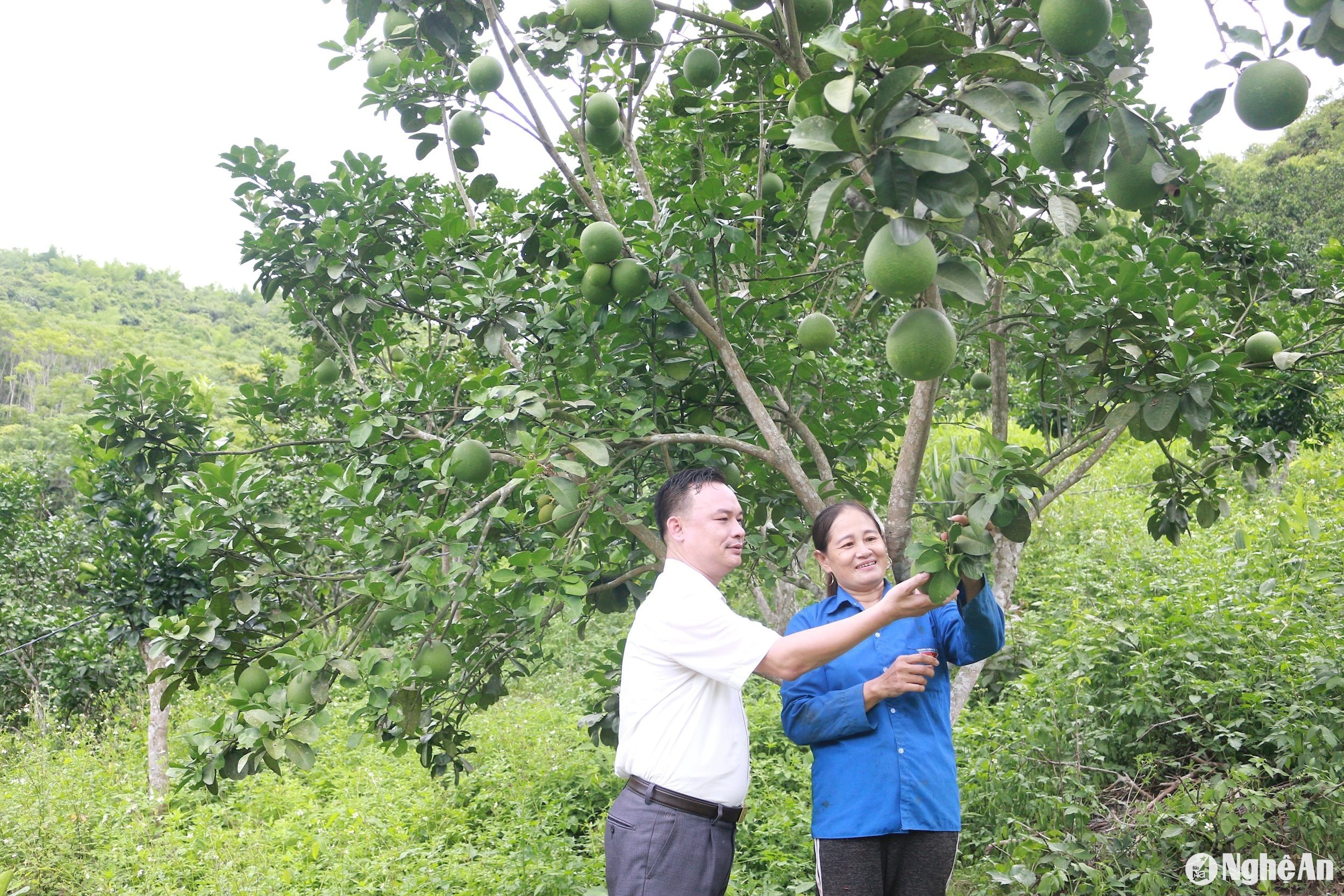
The commune of Nhôn Mai has also undergone significant changes, especially in its transportation system. Roads from the commune center to the villages have been widened and paved with concrete, with bridges crossing streams and ravines, making travel convenient and safe for the people. Villages such as Nhôn Mai, Na Hỷ, Na Lợt, Có Hạ, Huồi Cọ, Xói Voi, Thằm Thẩm, and Xà Mặt all have concrete roads, and schools and health stations have been built solidly…
Regarding economic development, the commune has transformed its crop and livestock structure to suit the local potential. Previously, passion fruit was grown experimentally in Huoi Co and Tham Tham villages, bringing high income and helping people escape poverty. However, due to frequent plant diseases, the commune switched to growing ginger and high-yield cassava. Currently, high-yield cassava has become the main crop, with an area of 300 hectares, helping households earn between 50 and 100 million VND per year. In addition to cassava, people also develop large-scale livestock farming, fish ponds, and cultivate peach trees, covering nearly 30 hectares in Huoi Co, Huoi Man, and Pha Mut villages.
"The criteria is to tackle the easy tasks first, then the difficult ones."
To date, in addition to the four communes that have achieved New Rural Area standards, namely Tam Thai, Tam Quang, Tam Dinh, and Xa Luong, Tuong Duong district also has 11 villages that have achieved New Rural Area standards, including: Pung village (Yen Thang commune), Huoi To I village (Mai Son commune), Phay village (Xieng My commune), Ngon village (Yen Hoa commune), Xop Nam village (Tam Hop commune), Bay village (Nga My commune), Co Phao village (Yen Na commune), Cap Chang village (Yen Tinh commune), Khe Kien village (Luu Kien commune), Trung Thang village (Yen Thang commune), and Na Kha village (Mai Son commune).
The fact that Tuong Duong district is among the few districts under Decree 30a nationwide that have communes achieving New Rural Area standards early clearly reflects the determination of the entire political system and the collective efforts and unity of the people. In particular, the district has effectively utilized funding and support to invest in infrastructure development and improve housing for poor households.
In addition, the district has integrated programs and projects to support people in changing occupations, providing machinery, seedlings, and livestock, while also creating conditions for people to access information, learn production methods, and build effective economic models. As a result, the average per capita income is now estimated at 38.4 million VND/year, and the poverty rate has decreased from 29.3% to 25.3%.
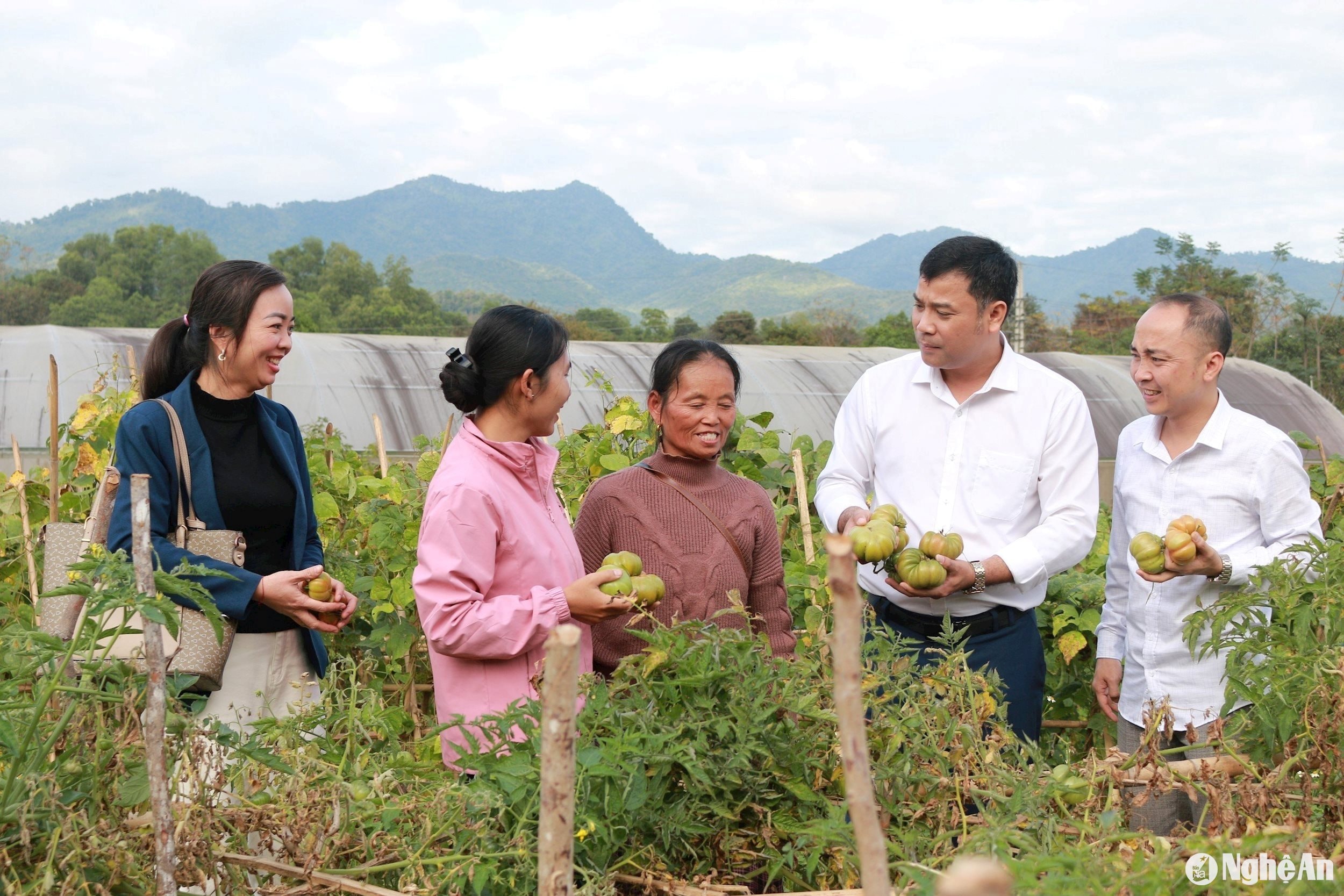
Mr. Nguyen Huu Hien, Vice Chairman of the People's Committee of Tuong Duong District, said: The district aims to have Tam Quang commune achieve advanced new rural area standards by 2025, and seven villages achieve new rural area standards, including: Minh Thanh village (Luong Minh commune), Ve village (Yen Na commune), Canh Toong village (Yen Tinh commune), Canh Khin village (Yen Hoa commune), Vang Mon village (Nga My commune), and Pha Khao village (Mai Son commune). In the long term, Tuong Duong district strives to become a leading unit in building new rural areas in the high mountainous region.
To achieve this goal, the district continues to promote awareness-raising and determination among officials and the people to escape poverty, with the perspective of "escaping poverty from within." The district continues to maximize its existing potential and advantages, while effectively utilizing mechanisms and policies dành for mountainous and ethnic minority areas to focus on economic development, increase income, and improve the material and spiritual lives of the people.
Based on the development of mechanisms and policies to attract businesses into the agricultural sector, especially those involved in the consumption and processing of agricultural products, the district is promoting the implementation of the "One Commune, One Product" (OCOP) program, aiming to affirm and enhance the value of distinctive products and contribute to the promotion of local economic development.
Tuong Duong district also identifies the planning of new rural development for communes as an important step, helping to determine the appropriate development roadmap and investment resources.
Most importantly, it is necessary to clearly define which criteria and projects the district is responsible for; which criteria and projects the commune is responsible for; which criteria and tasks the people are responsible for; and which are shared responsibilities between the State and the people.
In particular, with the motto "Easier criteria first, more difficult ones later," the district directed the process of building new rural areas not to chase after achievements, but to ensure that each completed criterion brings practical benefits to the people, helping them feel the fruits of their own efforts.


