
Signs that someone is about to have a stroke
Stroke (cerebrovascular accident) is a very dangerous disease: it is the third leading cause of death after cardiovascular disease and cancer; it has the highest rate and severity of sequelae among internal medicine diseases; treatment costs are very high; and treatment is prolonged.
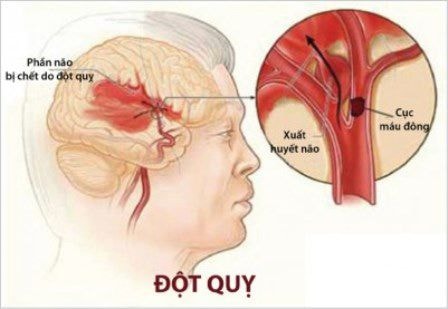
According to Dr. Dang Phuc Duc, Department of Stroke, Military Hospital 103, the World Health Organization defines stroke as a clinical syndrome characterized by the sudden onset of symptoms indicating focal brain damage, lasting more than 24 hours or resulting in death before 24 hours. These focal neurological symptoms are consistent with the brain region supplied by the damaged artery, ruling out traumatic causes.
 |
| Illustrative image. |
Characteristics of stroke
- It occurs suddenly, possibly when the patient is completely healthy. For example, while sitting, sleeping, or eating...
- Manifestations of brain function impairment include: paralysis of one side of the limbs; facial paralysis; numbness or tingling on one side of the body; slurred speech or difficulty speaking; confusion…
- Symptoms persist for more than 24 hours or the patient dies before 24 hours.
- The cause is due to damage to the blood vessels in the brain, ruling out trauma as a cause.
Brain strokes are divided into two main types:
- Ischemic stroke: caused by narrowing or blockage of cerebral arteries. This leads to a reduced or complete cessation of blood supply to the brain, causing damage.
- Hemorrhagic stroke: caused by a ruptured blood vessel, resulting in blood spilling into brain tissue or the fluid-filled spaces surrounding the brain tissue.
Signs of someone about to have a stroke
Because this disease has no lasting warning symptoms, no one can know in advance if they will have a stroke. Therefore, you should be familiar with the following signs so that you can detect stroke early in yourself or those around you and receive timely emergency treatment.
- Vision: Decreased vision, blurred vision in both eyes or one eye; however, this symptom is not obvious and therefore difficult to notice. Only when patients notice this sign should they seek immediate medical attention.
- Face: The face shows signs of asymmetry, with a crooked mouth, the philtrum slightly lệch to one side compared to normal, and the nasolabial fold on the weaker side drooping. The crooked mouth and facial asymmetry are especially noticeable when the patient speaks or smiles.
- Hands: Stroke victims often experience numbness, weakness, and difficulty moving or manipulating their hands. They may also find it difficult to walk and lift their legs.
- Voice: Stroke victims may experience unusual slurred speech, numbness or stiffness in the lips and tongue, difficulty opening their mouths, and having to exert effort to speak.
- Cognitive symptoms: Patients exhibit memory impairment, lack of awareness, blurred vision, and tinnitus (ringing in the ears) with hearing loss.
- Neurological: The patient experiences a severe headache. This is a serious and fairly common symptom of stroke, especially in patients with a history of migraines.
Consequences of stroke
Stroke is the disease that leaves the most severe sequelae among internal medicine diseases.
Mild stroke: leaves few or no lasting effects.
Hemiplegia: recovery usually begins after 2-4 weeks and continues for many months afterward.
- Muscle stiffness: After about 4-6 weeks, it progresses to the spastic paralysis stage (increased muscle tone in the paralyzed area), causing difficulty in movement and muscle and joint pain. Shoulder joint pain is particularly common.
- Language disorders: difficulty speaking or not understanding speech.
Severe stroke cases often result in numerous and very serious sequelae:
- Disorders of consciousness: impaired perception and memory.
- Mental disorders, depression
- Malnutrition
- Pneumonia: caused by the patient being bedridden due to paralysis, weakened immune system, and increased risk of choking...
- Pressure ulcers: areas that are in direct pressure against the bed surface while lying down are very susceptible to ulcers (heels, sacrum, back, occipital region, etc.).
- Incontinence of bowel and bladder
- Other consequences include: epileptic seizures; deep vein thrombosis; postural deformities; hypertension; cardiac arrhythmias…
- In particular, patients who have already had a stroke have a much higher risk of recurrent stroke compared to those who have never had a stroke.
According to VnMedia


