
Beware of foods containing "poison" during Tet (Lunar New Year).
Tet Nguyen Dan (Lunar New Year) is the most anticipated festival of the year for Vietnamese people. Every year, as Tet approaches, every Vietnamese family prepares food and supplies to ensure a prosperous and joyful celebration.
However, driven by profit, some manufacturers have disregarded ethical practices and used toxic industrial chemicals to create visually appealing but harmful Tet holiday foods.
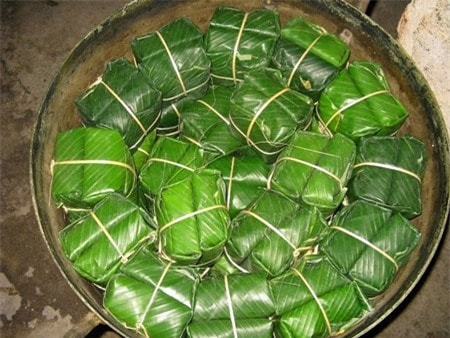
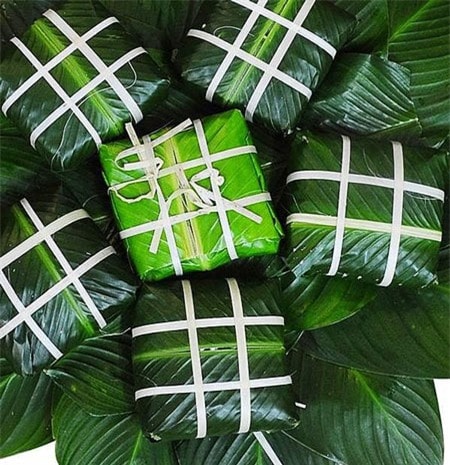
1. Sticky rice cakes (Bánh chưng) are boiled using batteries.
For every Vietnamese family, Tet (Lunar New Year) is incomplete without a pair of banh chung (traditional rice cakes) displayed on the ancestral altar. However, people need to be careful when choosing banh chung for Tet because those beautiful, fragrant, and chewy green cakes may contain chemicals that are harmful to health.
 |
The toxic substance in question is the battery. The environment in which ordinary batteries operate is alkaline. In this environment, chlorophyll (the pigment that gives leaves their green color) turns dark green. At the same time, the alkaline environment helps starch absorb water better and become clearer.
Therefore, many people have used batteries to boil sticky rice cakes (bánh chưng) along with the rice, making the cakes cook faster, the rice grains translucent, and the outer layer greener and more visually appealing.
 |
However, the potential dangers that many people overlook are the heavy metals found in batteries. Lead (Pb), mercury (Hg), cadmium (Cd), and arsenic (As) are all highly toxic substances that are dangerous to the brain, kidneys, cardiovascular system, and reproductive system of humans.
According to experts, lead poisoning can cause infertility, miscarriage, and high blood pressure. Another study also indicates that this substance reduces children's IQ: for every 10mg/l increase in blood lead, IQ decreases by 1-5 points. Cadmium, once in the body, is eliminated very slowly; just 30-40g of cadmium accumulated in the body is enough to be fatal.
One of the little tips to help people avoid buying these toxic rice cakes is to pay attention to the color of the cake when buying it. Regular rice cakes take 8-9 hours to cook, so the outer layer of leaves usually turns yellowish. Meanwhile, rice cakes cooked using batteries take less time, and the outer layer is a vibrant green with a purplish tint.
2. Dried fruits are treated with preservatives.
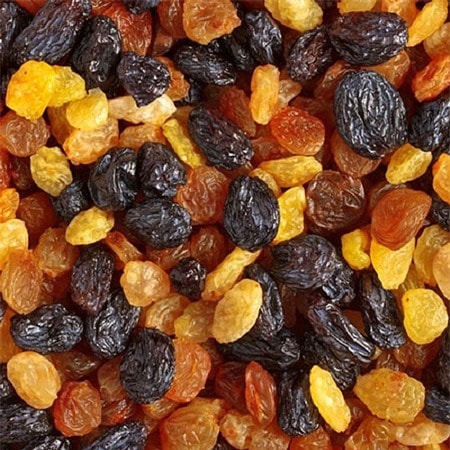
Dried fruits (raisins, jujubes, dried fruit, etc.) are a popular treat during the Lunar New Year. However, the current situation of smuggling and excessive use of additives and preservatives in these products is raising alarm among the public.
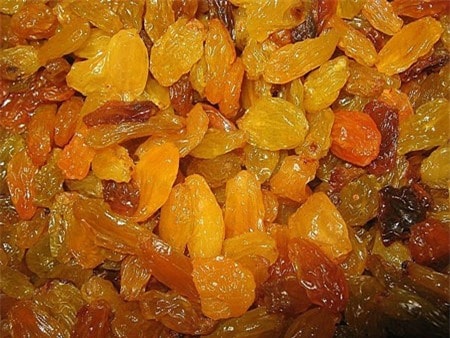 |
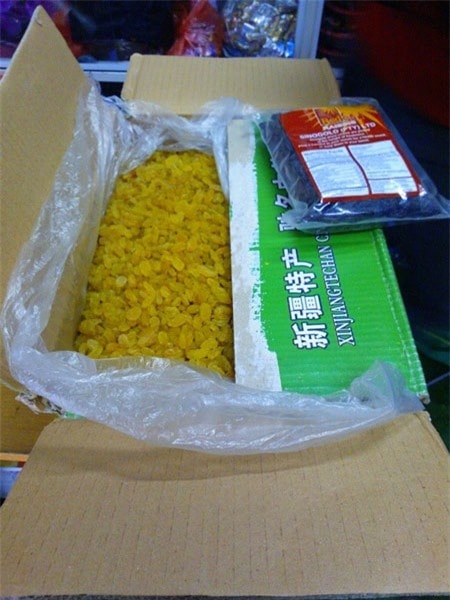
Typical examples include the incidents in December 2012 and more recently in September 2013, when authorities seized tons of smuggled dried grapes from China.
This incident reminds many people of the end of 2009, when several countries discovered and warned consumers against consuming preserved plums originating from China. These products contained very high levels of toxic lead, posing a danger to the human nervous system.
 |
According to the results of the Chemical and Physical Analysis Testing Center (Beijing, China), several dried fruit products from many well-known brands in China contain large amounts of banned additives and preservatives.
These include sweeteners like saccharin and sodium cyclamate, colorants like carmine and amaranth, and bleaching agents like sulfur dioxide, all at concentrations up to three times higher than permitted.
 |
According to experts, consuming food containing harmful chemical preservatives like those mentioned above can have serious health consequences for consumers. Chemicals such as the sweetener saccharin can cause loss of appetite and digestive disorders.
When sodium cyclamate enters the body, it is metabolized into a highly toxic substance that can cause cancer. Sulfur dioxide, when combined with vitamin B1 over a long period, can cause degeneration of the brain, liver, and lungs.
3. Watermelon seeds and sunflower seeds contain fabric dye.
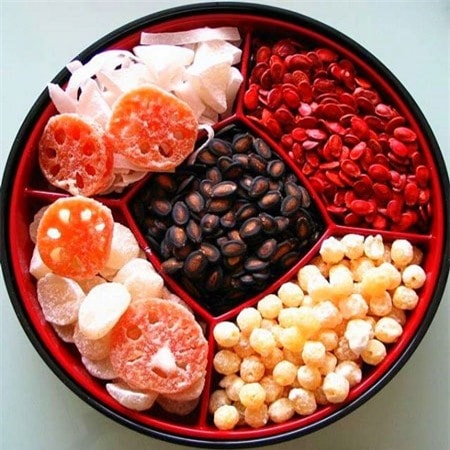
Every Tet holiday, in the candy jars of every Vietnamese family, there are always some watermelon seeds and sunflower seeds to snack on. In recent years, fears about watermelon and sunflower seeds containing many toxic substances have caused people to feel uneasy and wary.
 |
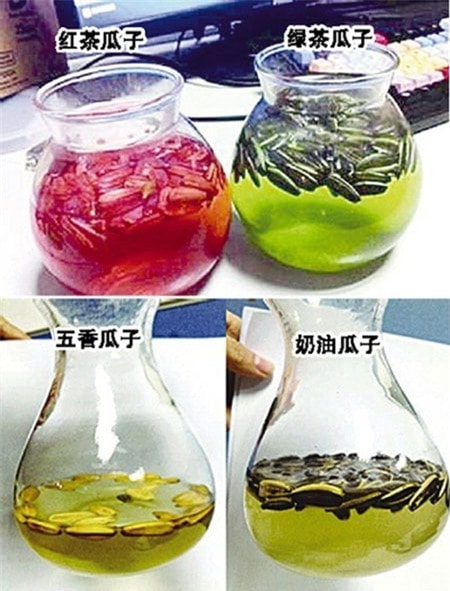
Accordingly, many production facilities have used caustic soda to bleach and clean watermelon and sunflower seeds. Specifically, they dissolve 2-3 kg of caustic soda in cold water, then soak the watermelon and sunflower seeds in it for about 30 minutes. After that, to prevent the seeds from fading, the main chemical used is Rhodamine B - a substance used to dye fabrics.
 |
According to experts, this substance adheres to the shell and even seeps into the kernel. When ingested, Rhodamine B enters the body, causing damage to the liver and kidneys, and over time increases the risk of cancer. People with impaired liver function may experience immediate allergic reactions, manifested as skin rashes and congestion.
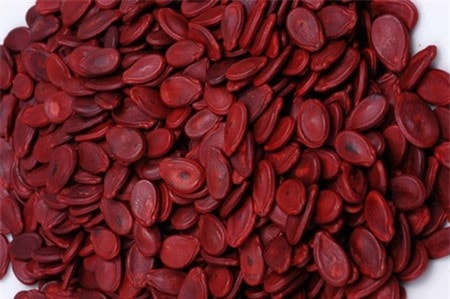 |
To distinguish foods containing this chemical, when choosing watermelon seeds, you should avoid those with bright, glossy red colors like lipstick. When illuminated with ultraviolet light, such as a money-checking lamp, watermelon seeds containing Rhodamine B will glow.
In addition, many places soak sunflower seeds in alum to increase their crispness and prolong their flavor. This alum contains aluminum, which is difficult for the body to eliminate, affecting brain cells and leading to memory loss, brain atrophy, and forgetfulness.
4. Pistachios contain bleach.
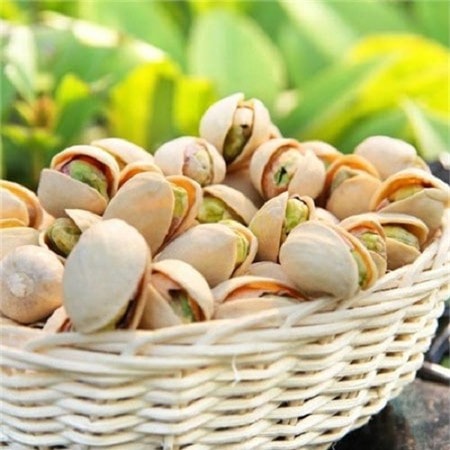
Originating from Central Asia and also known as "pistachios" or "happy nuts," pistachios are becoming a popular luxury food item during the Lunar New Year. However, few people know that the white-shelled, green pistachios on the market may contain very high concentrations of bleaching chemicals.
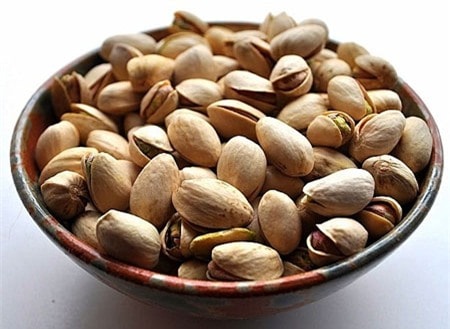 |
The best pistachios are those with a yellowish-brown outer shell and a darker interior. While they may not look as appealing on the outside, these are actually the tastiest pistachios and contain fewer preservatives. Pistachios with a bright white shell and an attractive green kernel almost always contain high concentrations of bleaching agents.
According to an expert, several methods are used to bleach pistachio shells, such as using sodium sulfite or chlorine. Chlorine, in particular, is a very strong disinfectant found in pesticides, Agent Orange, and other toxic chemicals.
 |
If this substance is used excessively, the residue remaining on the finished product will be large and easily absorbed into the body. Regularly eating this type of chestnut can lead to various digestive, liver, and stomach problems.
Therefore, when choosing pistachios, avoid those that are too white or have overly green kernels, as this indicates they have been treated with high concentrations of chemicals. Pistachios with yellowish shells and less white kernels tend to have lower concentrations of chemicals and are safer.
In conclusion: The Lunar New Year is fast approaching. Be a smart consumer by choosing quality products from reputable brands that have been proven safe for your health.
At the same time, it is necessary to immediately report to the authorities when discovering food production facilities containing high levels of toxins in order to prevent their spread and help everyone have a safe and peaceful Tet holiday.
According to Gabby (Kenh14.vn/Social Law)


