
A refuge amidst the vast Pù Mát forest
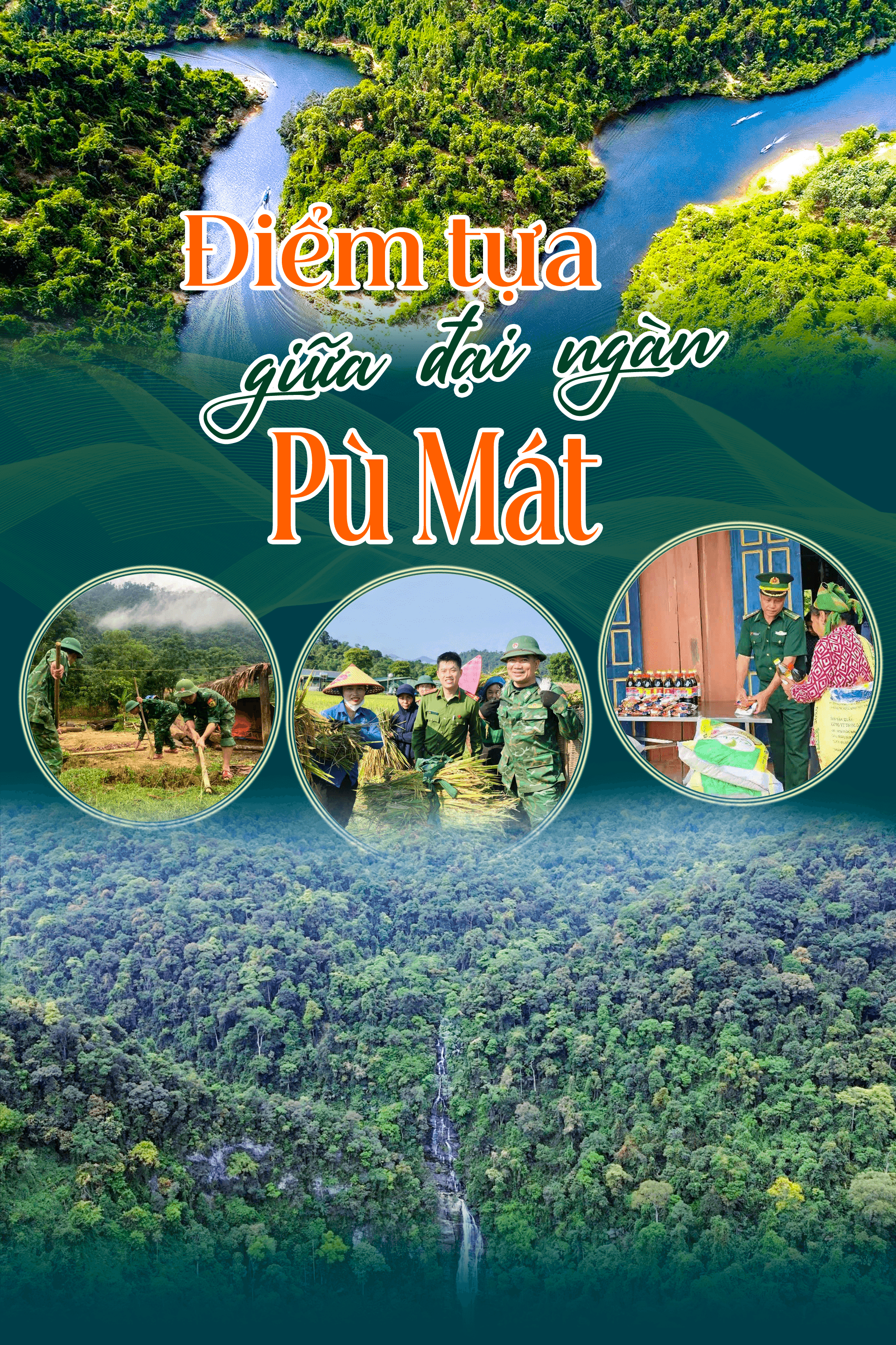
In the heart of Pu Mat National Park, the Dan Lai ethnic group once lived in isolation deep in the forest, facing a vicious cycle of poverty and backwardness. Through silent sacrifice and a deep, heartfelt bond, generations of officers and soldiers of the Nghe An Border Guard have become a solid support, helping the people illuminate the future on this borderland.
Le Xuan - Kha Thuong/ Present:Hong Toai• 04/10/2026
*****
In the heart of Pu Mat National Park, the Dan Lai ethnic group once lived in isolation deep in the forest, facing a vicious cycle of poverty and backwardness. Through silent sacrifice and a deep, heartfelt bond, generations of officers and soldiers of the Nghe An Border Guard have become a solid support, helping the people illuminate the future on this borderland.
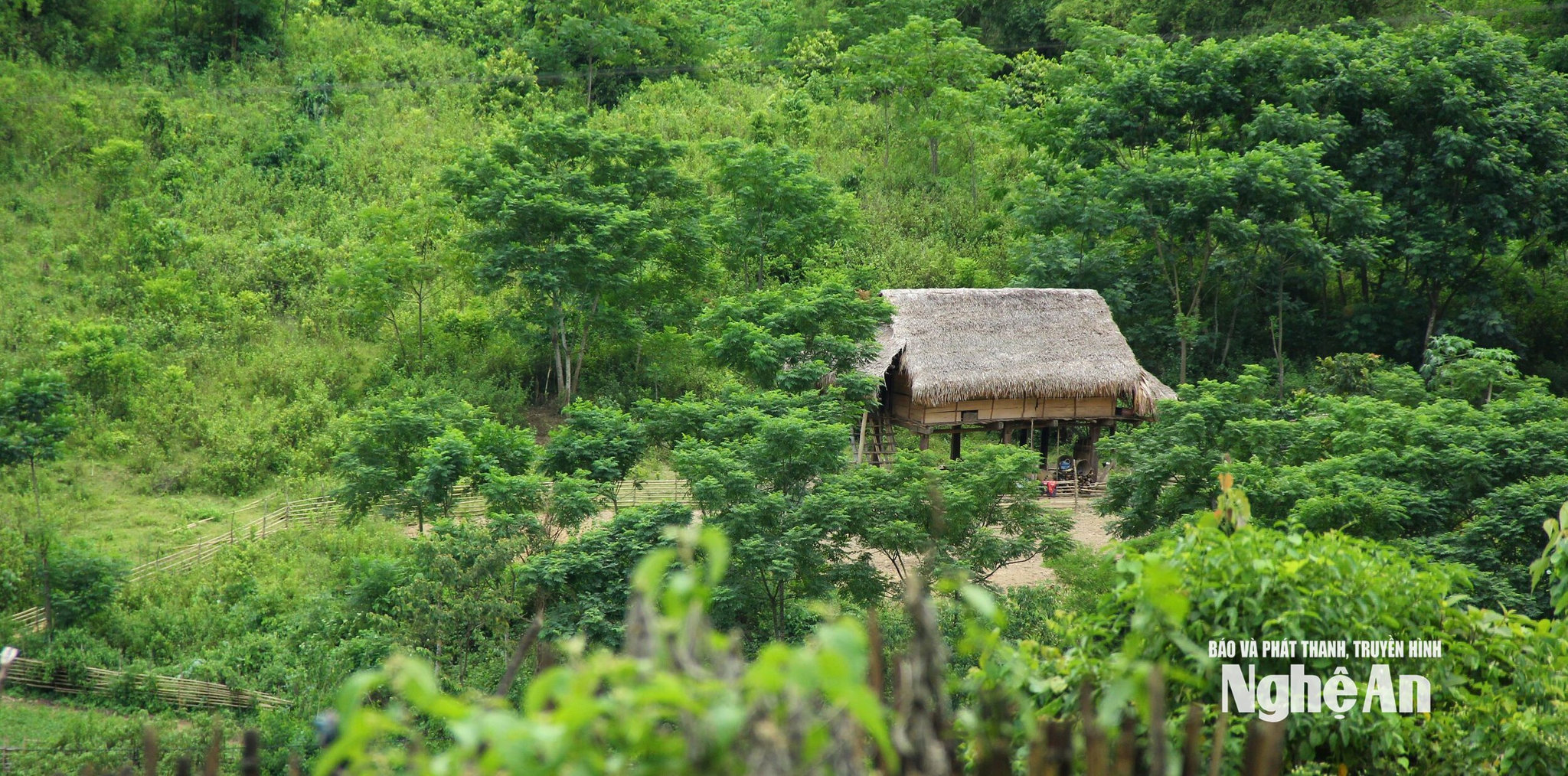
One day, traveling upstream along the Giang River to the remote, isolated area where the Dan Lai ethnic group lives, we met the village elder, La Van Linh, Head of the Front Committee of Co Phat village. His eyes became distant, filled with a profound sadness as he recounted stories from the past:
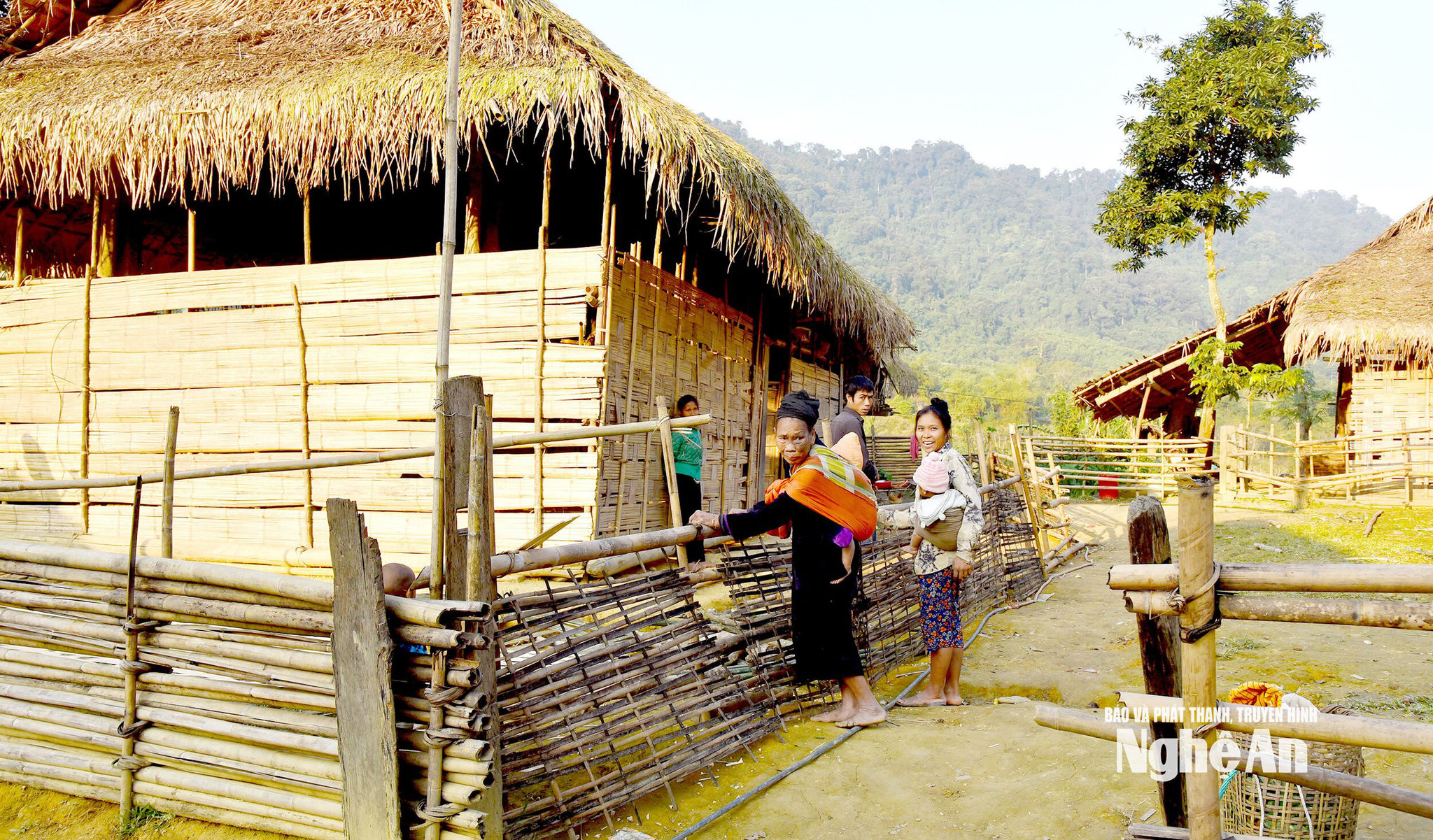
“Back then, the villagers didn't live in concentrated settlements, but rather in small clusters of about three houses along the stream or on alluvial plains. Every day, they went into the forest to hunt and gather. Each morning they would pick bamboo shoots, dig up wild yams and cassava, but the yield was very small because whatever crops they planted were destroyed by wild boars and other animals. Life was one of constant hunger and scarcity. Living deep in the forest, not knowing the languages of other ethnic groups, they couldn't communicate. Whenever they saw strangers, they would flee into the deep forest. Because they didn't know outsiders, the villagers in the cluster married each other. They raised the healthy children, but those who were too weak had to return to the mountains and forests…”

From 1980-1981, when village elder La Van Linh was still a young man, he became one of the first members of the Dan Lai ethnic group to be taught to read, write, and speak Vietnamese by the Border Guard soldiers. In 2006, when the "Conservation and Sustainable Development of the Dan Lai Ethnic Group" project (Decision 280/2006/QD-TTg) was implemented, the soldiers continued to patiently help the people stabilize their lives and build a new identity for their village.
The road to Khe Bung village followed the Giang River. In those days, bamboo trees still covered the riverbanks, and in many sections, the dense vegetation hindered the progress of the border guards. To reach the people of Dan Lai village, there was no road, so the soldiers had to wade through streams and cross waterfalls on the Khang stream.
Elder La Van Linh recalled with a heavy heart: “The roads were so treacherous, and the river was ferocious during the flood season, so many border guards were swept away by the water during their missions with the Dan Lai people. Do you know the slope named after Mr. Hieu? In 1980, Mr. Hieu was on a mission here, and when he reached this slope, he couldn't cross it; the water swept him away. I remember clearly, his name was Le Van Hieu, from Thanh Chuong, and he helped the villagers a lot. The villagers missed him so much that they named this waterfall Mr. Hieu's Waterfall.”
Later, in 1995, one day near noon, the Border Guard soldier bid farewell to the villagers and returned to his unit. Upon reaching the Vang Mun waterfall, he once again could not make it across; the raging current swept him away. The militia of Mon Son commune, the villagers, and his comrades concentrated their search efforts, but it was only three days later that his body was found at the end of the Khang stream…”.
However, overcoming dangers, the members of the Khe Khang Task Force still carried their luggage and food on their shoulders, crossed the rapids, and stayed in the village with the local people. In those days, the Dan Lai people had nothing: no roads, no electricity, no schools, they ate cassava instead of rice all year round, and only had one set of clothes for the whole year.
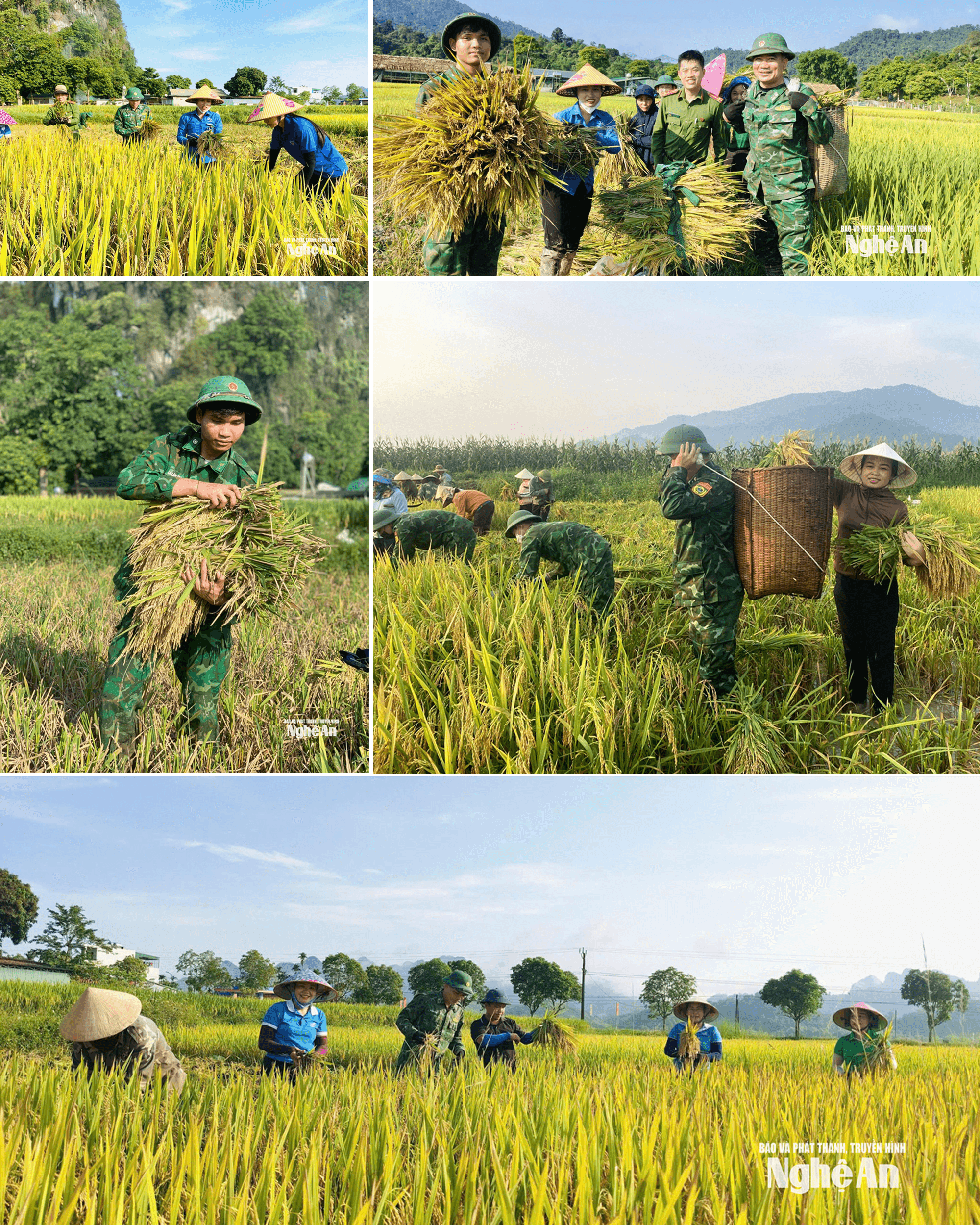
In the midst of the pristine mountains and forests, they began clearing land for rice paddies, teaching the villagers the first stroke of the plow. "Those fields yielded bountiful harvests," recalled old Linh. For three years, they guided the villagers step-by-step, helping them form production groups of three to four households working together in one area, gradually pushing back hunger.
Then literacy classes were opened. Classes with students of all ages, their first pronunciations still hesitant, their first strokes clumsy… Later, even though the first thatched-roof schools were built, during the three summer months, the female teachers would take advantage of the time to visit their families, and the men would become "teachers in military uniforms."
“We have to teach them continuously, otherwise, after a while, the older and younger generations will forget everything. After the summer, we have to start teaching them all over again,” Lieutenant Colonel Vo Van Quynh, an officer of the Community Mobilization Team at Mon Son Border Guard Post, said with a smile. “You don’t know this, but in the early days, every morning we pushed an ox cart around the village to clean. We went into each family, teaching them how to clean, guiding and instructing them as we went along. Initially, the Dan Lai families lived in stilt houses, and the floors were low, built using a very manual method of threading sticks. Through both persuasion and direct participation, the villagers gradually became more hygienic.”

From individual missions to the formation of task forces, the Border Guard force established the Khe Khang Border Control Station, assigning Party members from the station to participate in Party activities at the two Party branches in Bung and Co Phat villages, aiming to strengthen the Party's leadership at the grassroots level.
Lieutenant Colonel Vo Van Quynh recalled: “Initially, the Party cell in Co Phat village only had 3 members. During meetings, border guards were always present, assisting with record-keeping, supplementing content, and participating in discussions to pass resolutions.” Thanks to this, Party cell activities gradually became more organized, but the next challenge was how to recruit new Party members locally. Overcoming the initial psychological barrier of apprehension among the villagers was never easy. Quynh believed that the only solution was to work with sincerity, genuinely for the people's lives, and persistently campaign every day so that the villagers understood and trusted.
In this border region, being a Youth Union Secretary or Women's Association Branch Leader is a very arduous job with meager allowances. Persuading them to shoulder such responsibilities is difficult enough, but training them to meet the criteria for joining the Party is a long journey. Through the persistent efforts of generations of dedicated cadres, the Co Phat Party Branch, which started with just 3 members, has now grown to 18 comrades.
One of the outstanding young figures who clearly demonstrates the maturity of today's Dan Lai cadres is Ms. La Thi Pia - Secretary of the Party Branch of Co Phat village. We were introduced to Ms. Pia by Mr. Quynh – a Dan Lai girl with bright eyes, a charming face, and a quick, active personality. Born in 1999, despite her young age, she is one of the most hardworking and resourceful individuals in developing household economies and actively supporting and assisting the villagers.
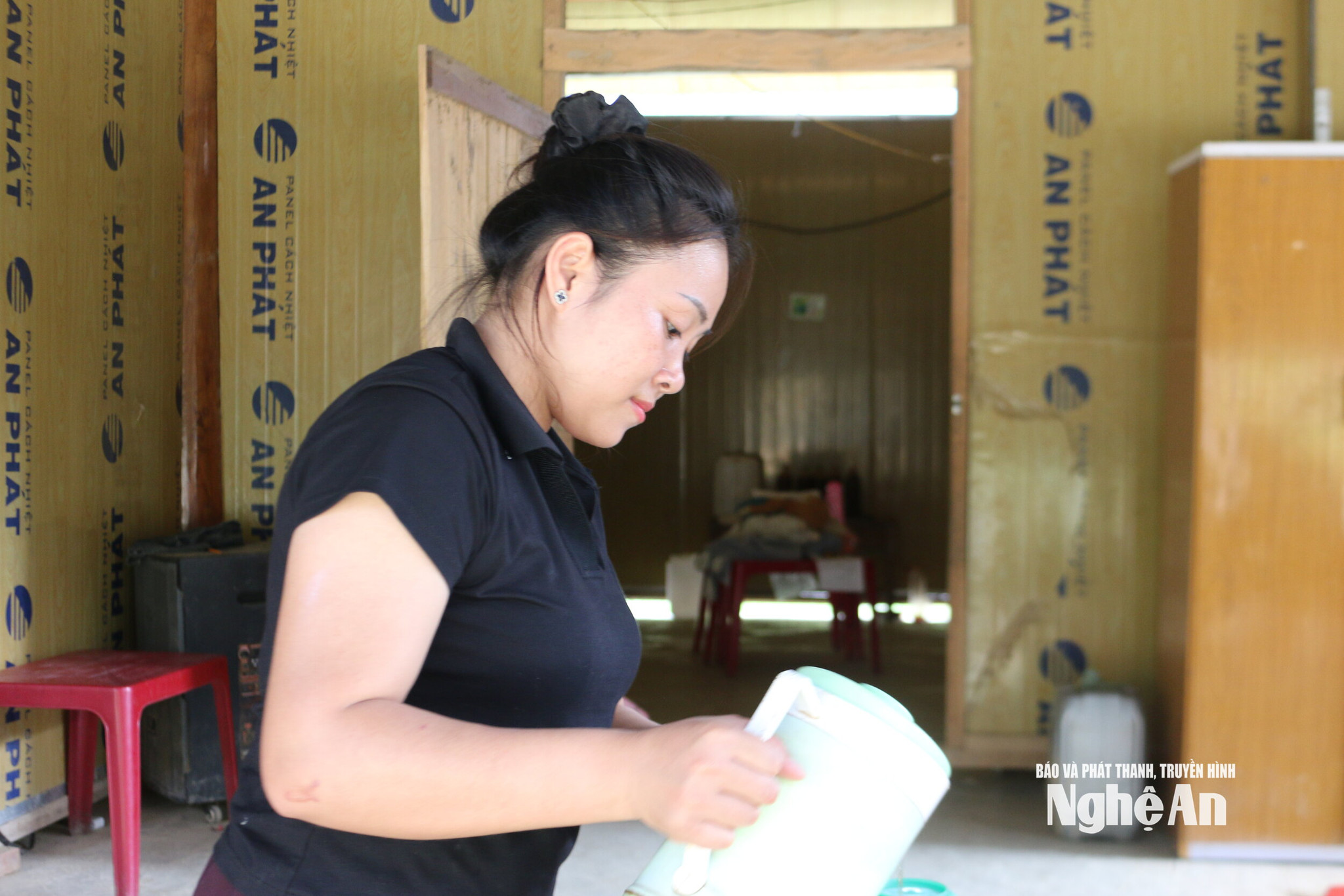
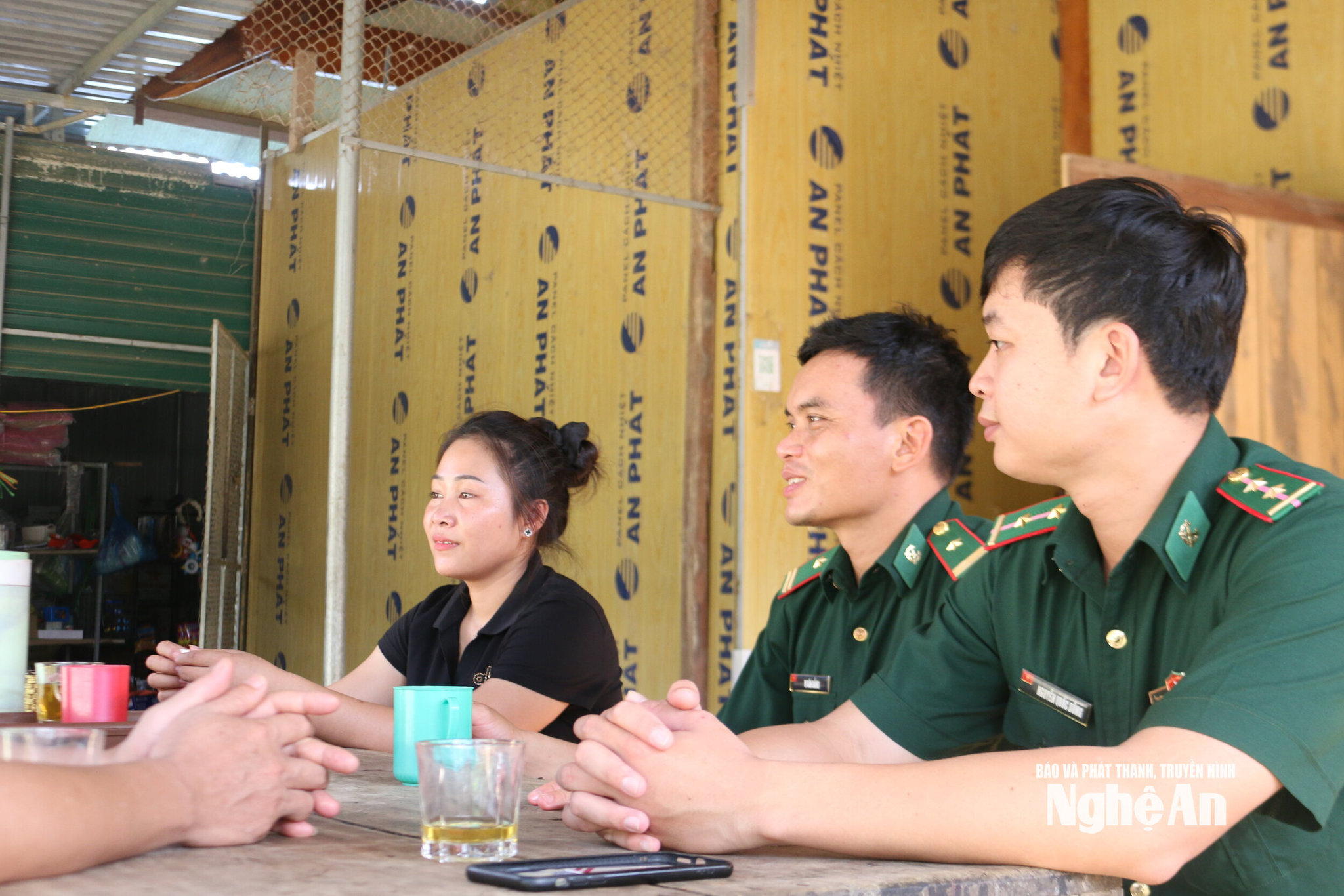
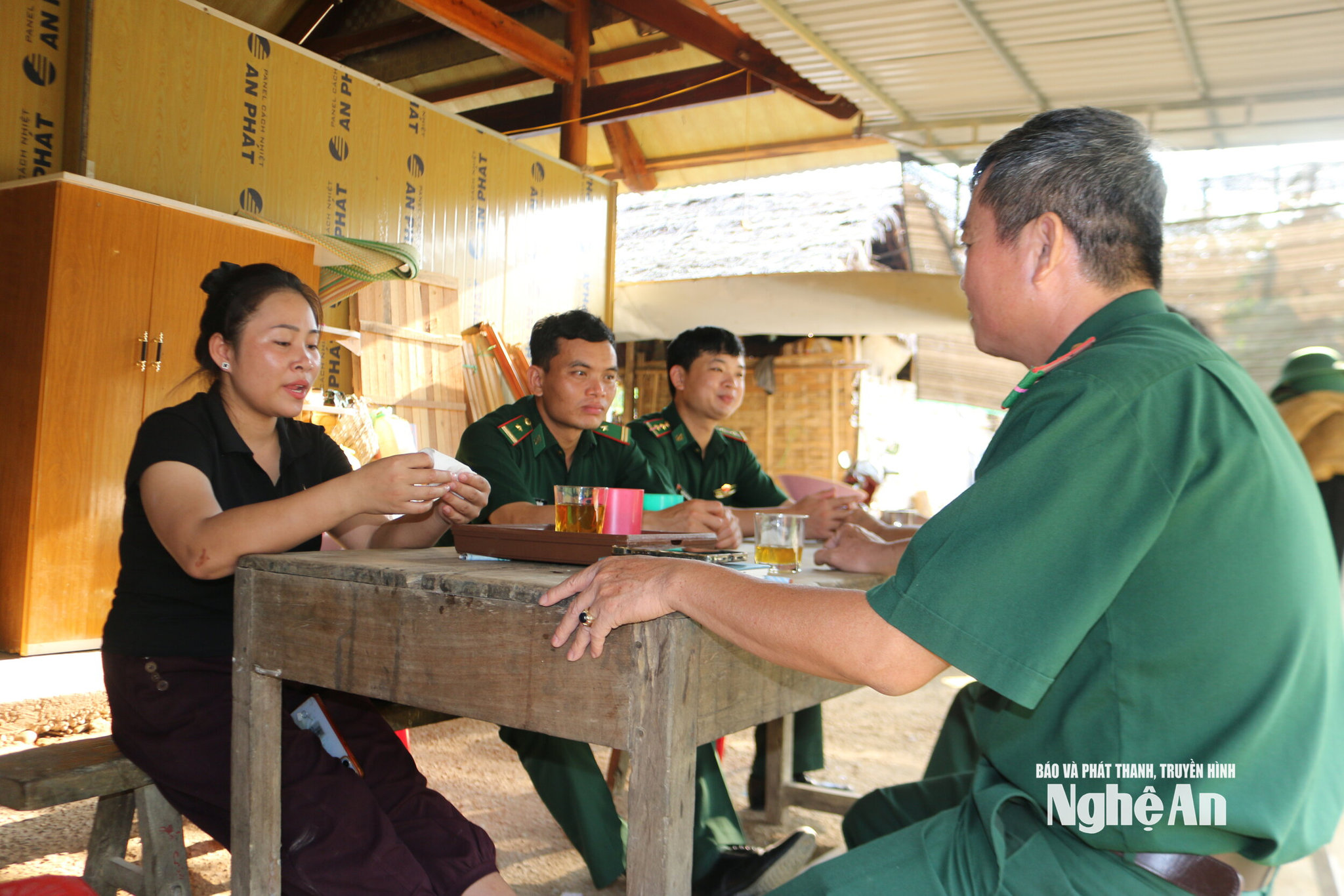
In 2023, Ms. Pìa was one of the first to open a shop, selling both drinks and essential goods. Her shop was always crowded with customers, and gradually, other villagers learned from her methods, increasing the number of shops in Cò Phạt village to 11 by 2026. One might have thought Ms. Pìa would only be involved in running her shop, just enough to support her family, but as the head of the Women's Association in Cò Phạt village, she boldly experimented with new business approaches.
In recent years, as part of the National Target Program on Poverty Reduction for the Dan Lai people, a livestock and poultry farming sub-project has been implemented in Co Phat and Khe Bung villages. Ms. Pia participated in training courses and received guidance on farming methods to replicate the model and implement it for the villagers. When she announced the project to the villagers, she only received rejection: "Chickens and geese are small and weak; how can we raise them to survive?"
Ms. Pìa thought that the villagers needed chickens and ducks for various occasions. However, they had to buy them, and the long distances meant higher prices. She reasoned that it would be better to have their own livestock, which would significantly improve their lives. Thinking this, Ms. Pìa took on the breeding stock, learned the techniques of raising them, and cared for them according to instructions. Before long, her first batch of chickens and ducks had grown large. The villagers, seeing for themselves, couldn't believe it, thinking Ms. Pìa had brought large livestock from elsewhere and put them in her own coop.
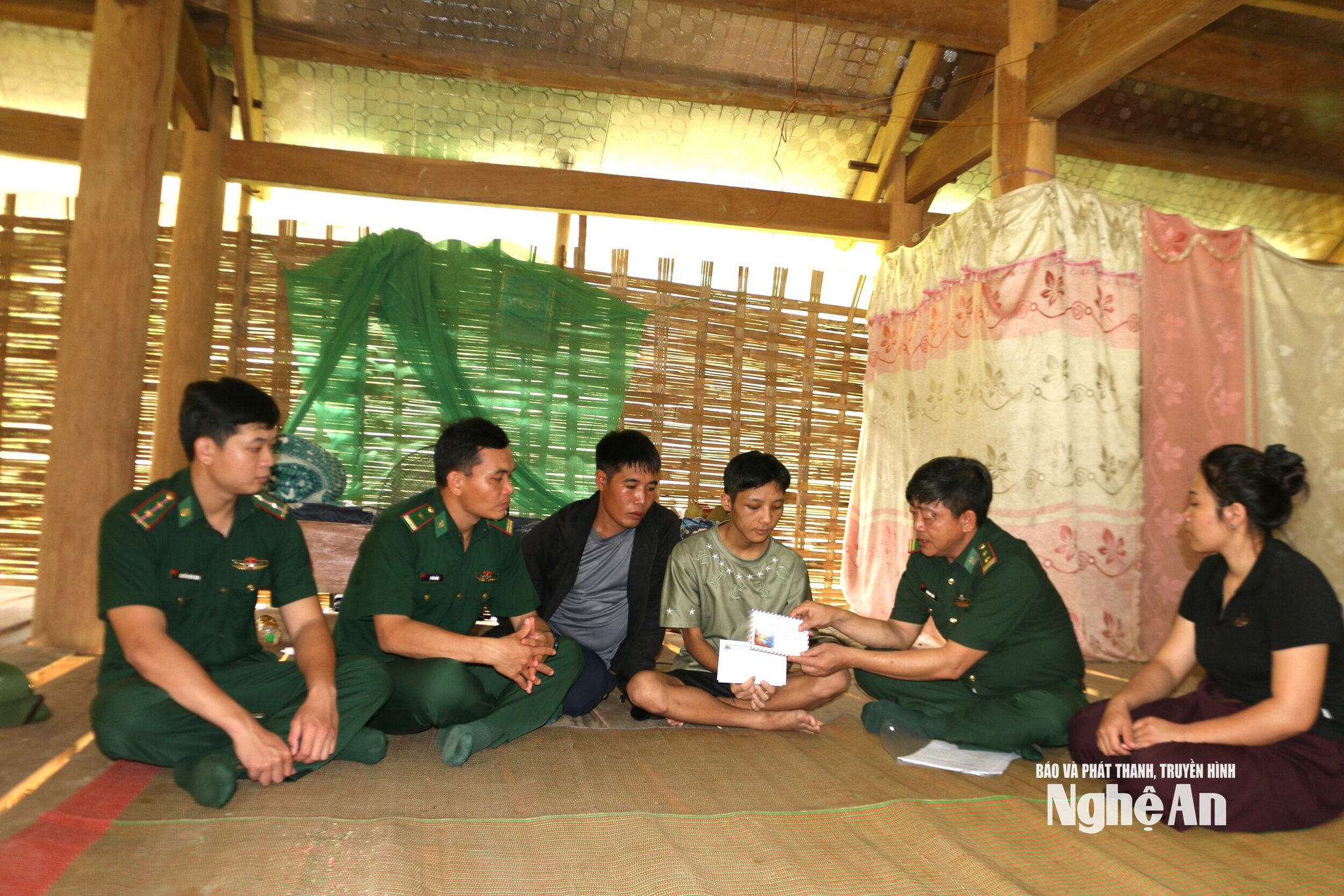
Ms. Pìa had to explain again that once they had the chicks, they had to follow the instructions. If they just let them roam freely without care, they wouldn't be able to raise them successfully. To date, she has a flock of 80 chickens and 50 ducks… Other families in the village have also learned from her. In Cò Phạt and Búng villages, almost every family raises poultry, and on average, each household has at least a few pigs in their pens.
“Following in the footsteps of experienced and enthusiastic village Party branch secretaries like village elder La Van Linh, the next generation is resourceful, enthusiastic, and adept at connecting information and technology, truly meeting the requirements for village officials in the current situation,” Lieutenant Colonel Vo Van Quynh said. He seemed genuinely pleased to have nurtured such dedicated and professional officials in the remote villages of western Nghe An.

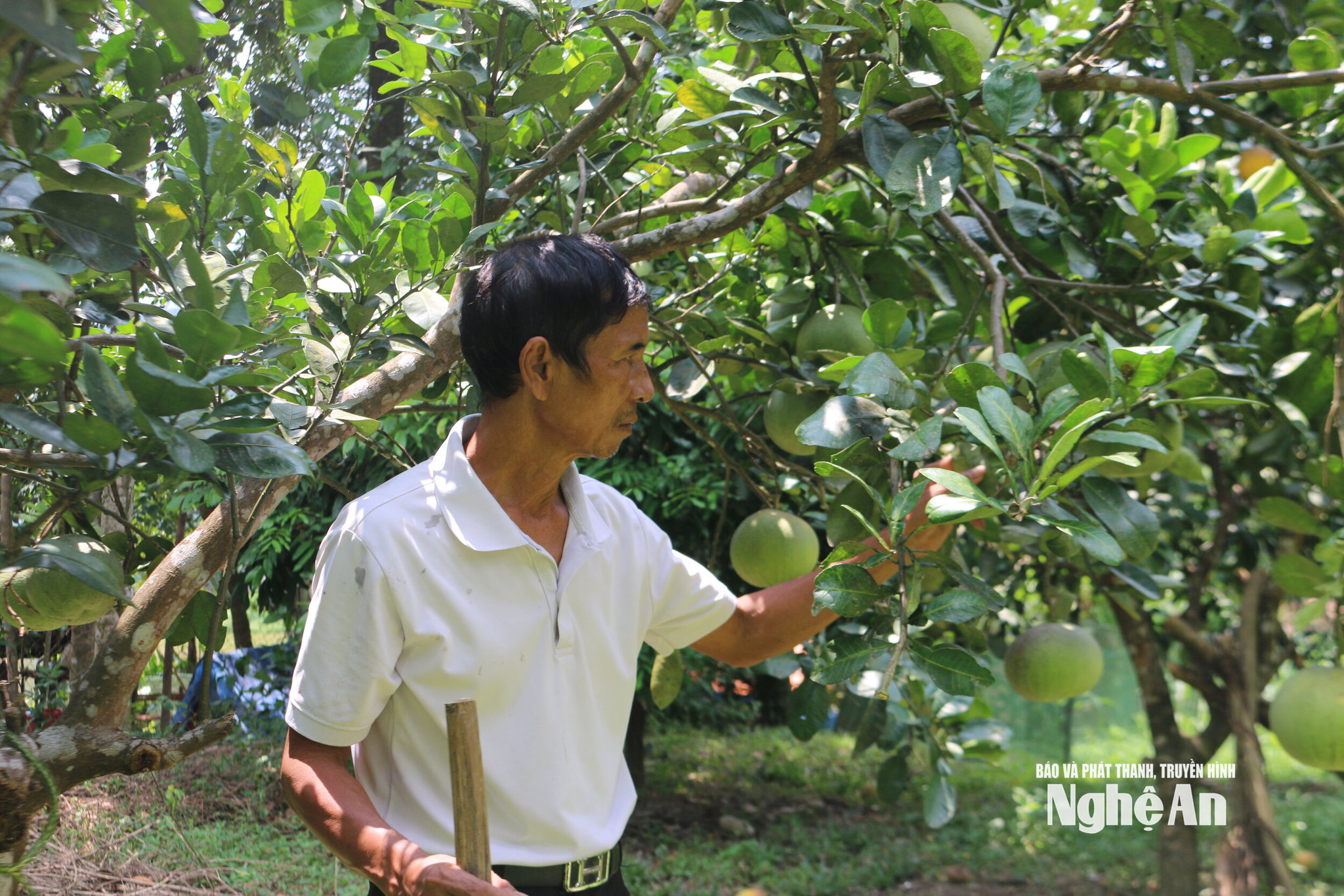
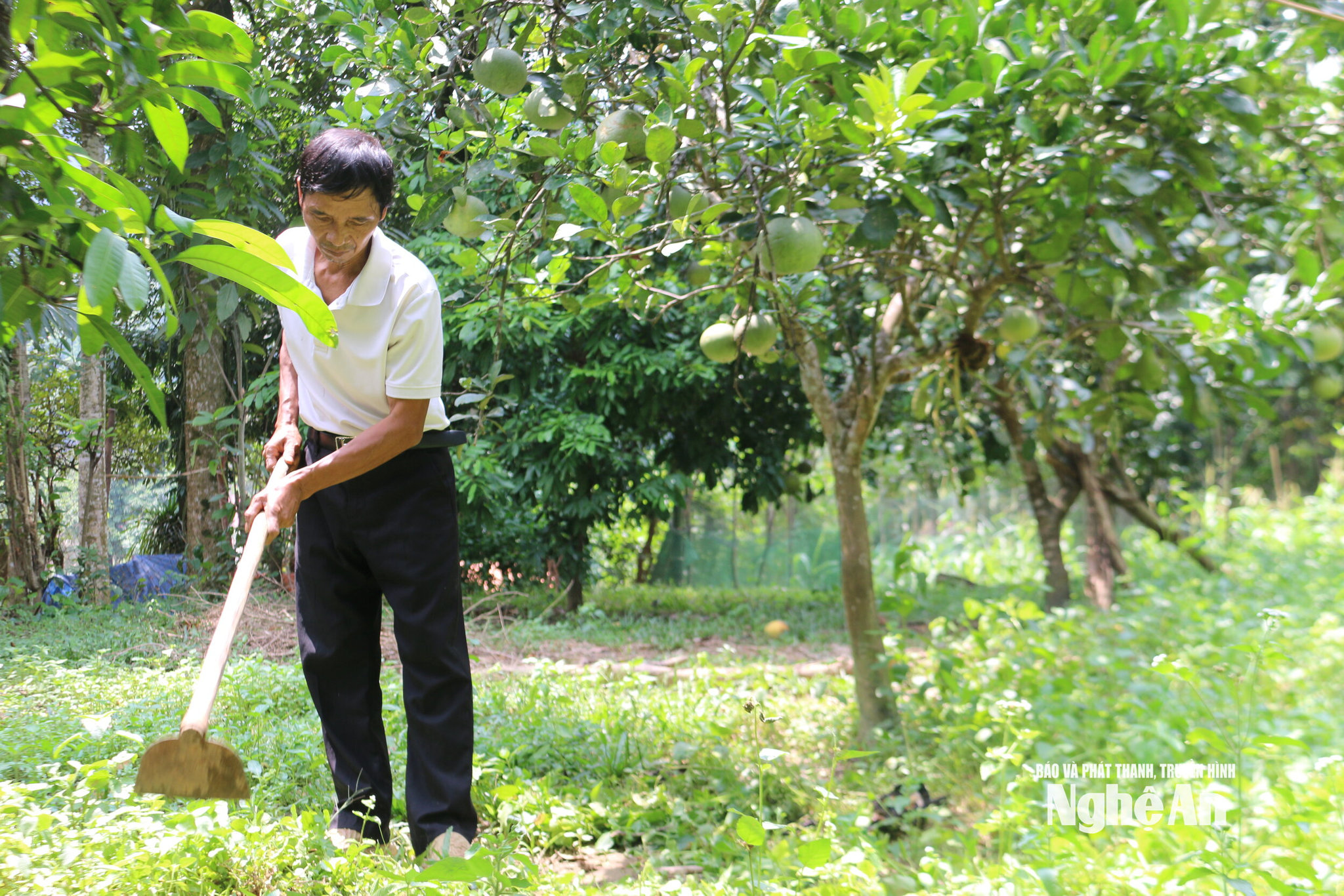
In the villages of Co Phat and Khe Bung today, traces of what was once a remote and isolated place seem to have faded into the past. The village roads have been paved with smooth concrete, running past sturdy houses and sheltered vegetable gardens and orchards, creating a lush green landscape.
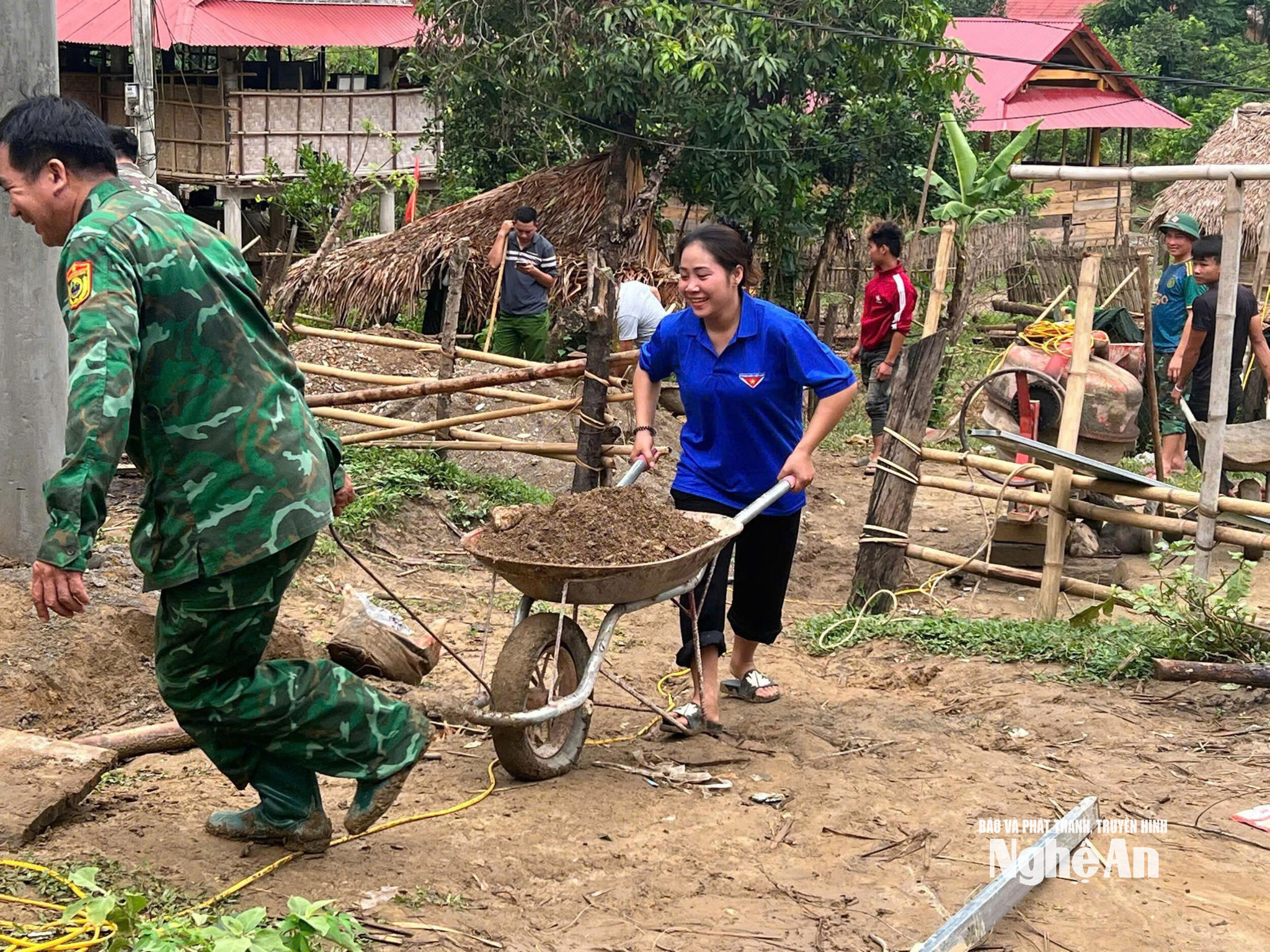
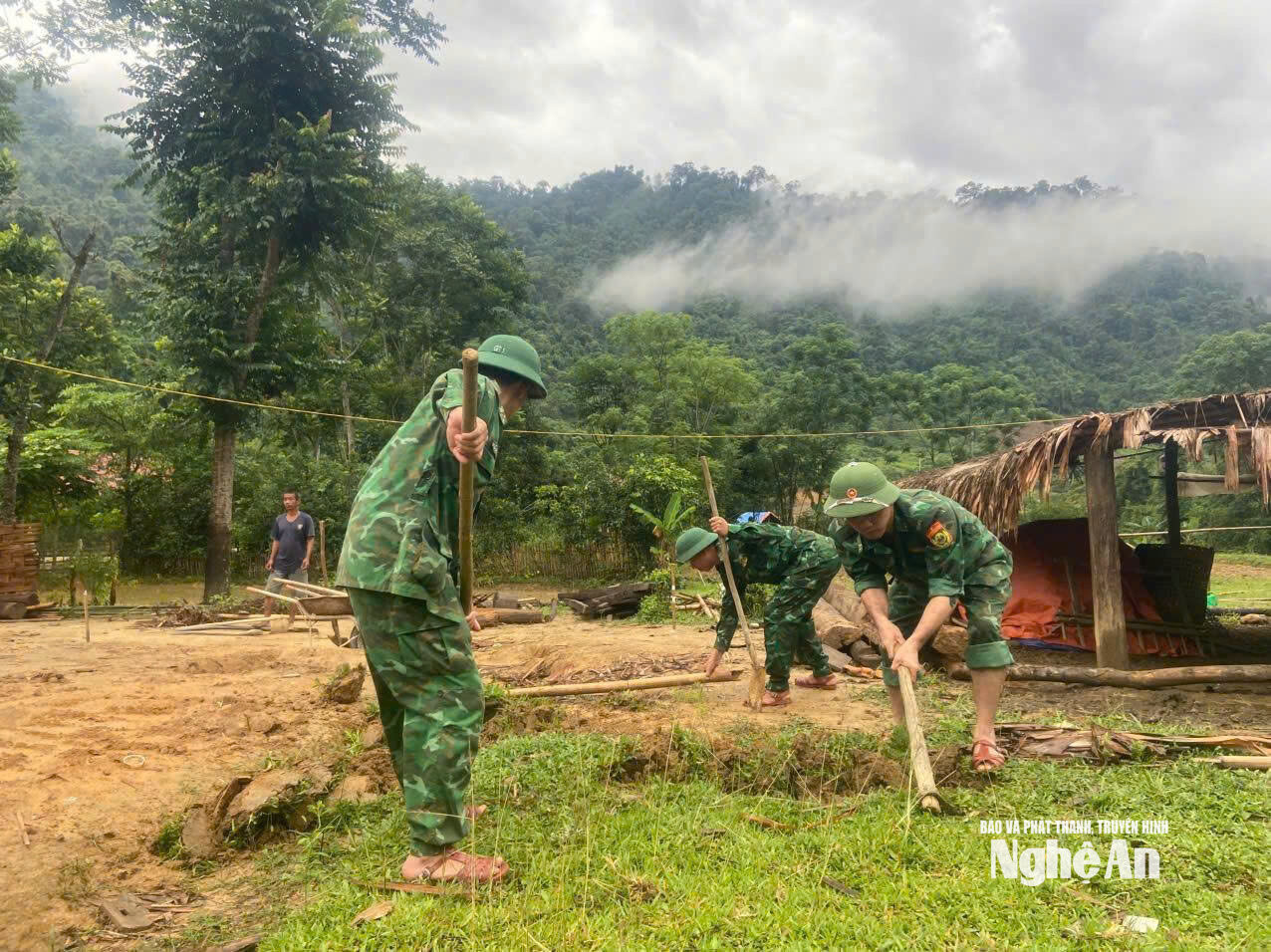
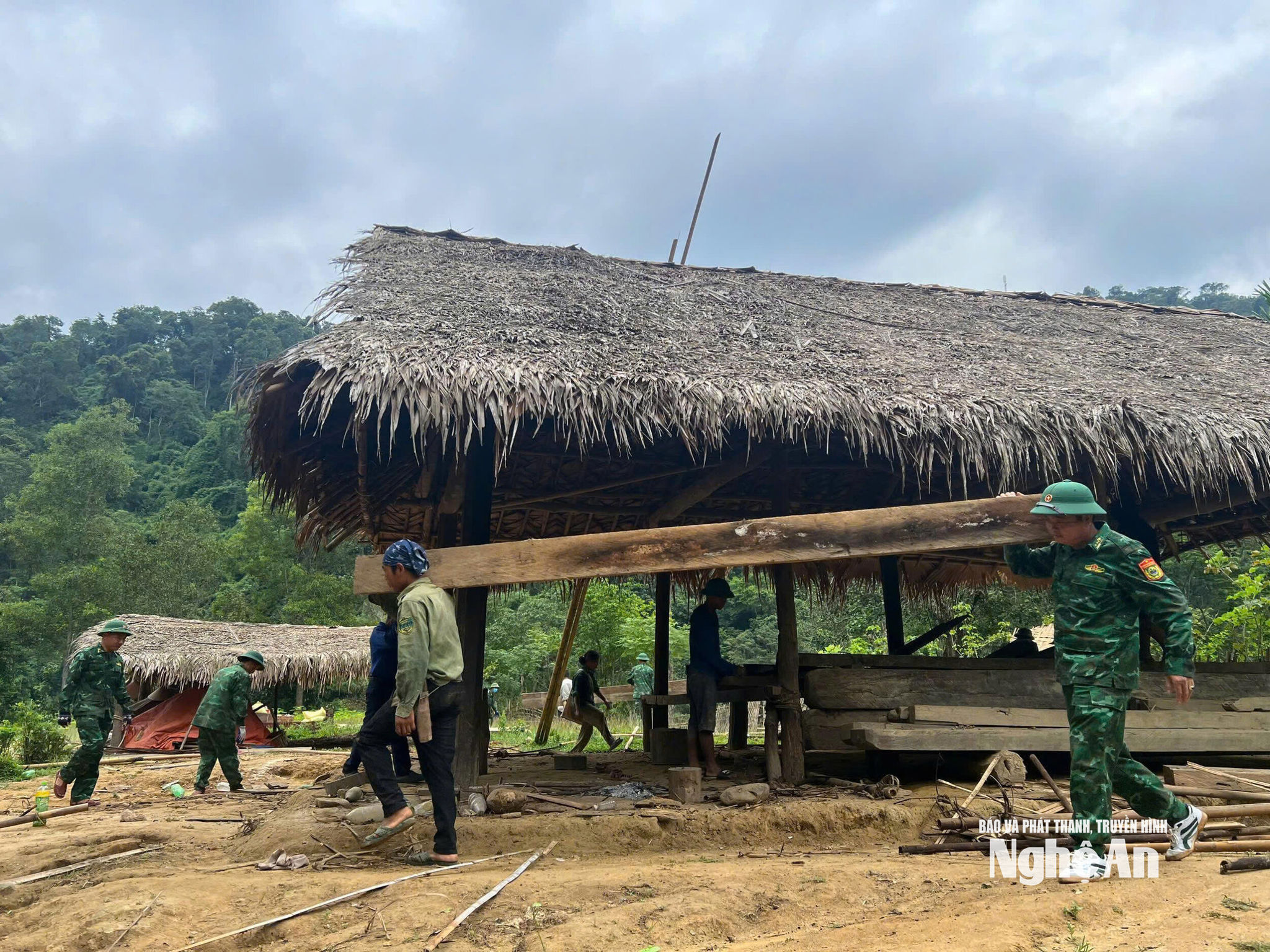
Funded by the National Target Program 1719 and the project to eliminate temporary housing, by the end of July 2025, all 78 decent houses (including 58 newly built and 20 renovated) had been completed. Border guards, along with police, forest rangers, and officials from Mon Son commune, worked together from leveling the ground and demolishing old houses to transporting materials and constructing sturdy homes for the local people.
The Border Guard soldiers' meticulous care for the Dan Lai ethnic group extends to even the smallest details of their daily lives. Initially, they established a "Zero-Cost Stall" at the central markets of Mon Son commune. Recognizing its effectiveness, they decided to move the stall to the Khe Khang Border Control Station. The small room is affectionately called "The Charity House" by the locals. Twice a month, the house opens its doors. Good quality clothes donated by people from outside the village are washed and neatly hung; essential items like cooking oil, fish sauce, salt, and medicine are diligently collected from businesses and philanthropists. Each time, 20 families in the village take turns receiving supplies. Though the gifts are small, the stall is never without smiles.
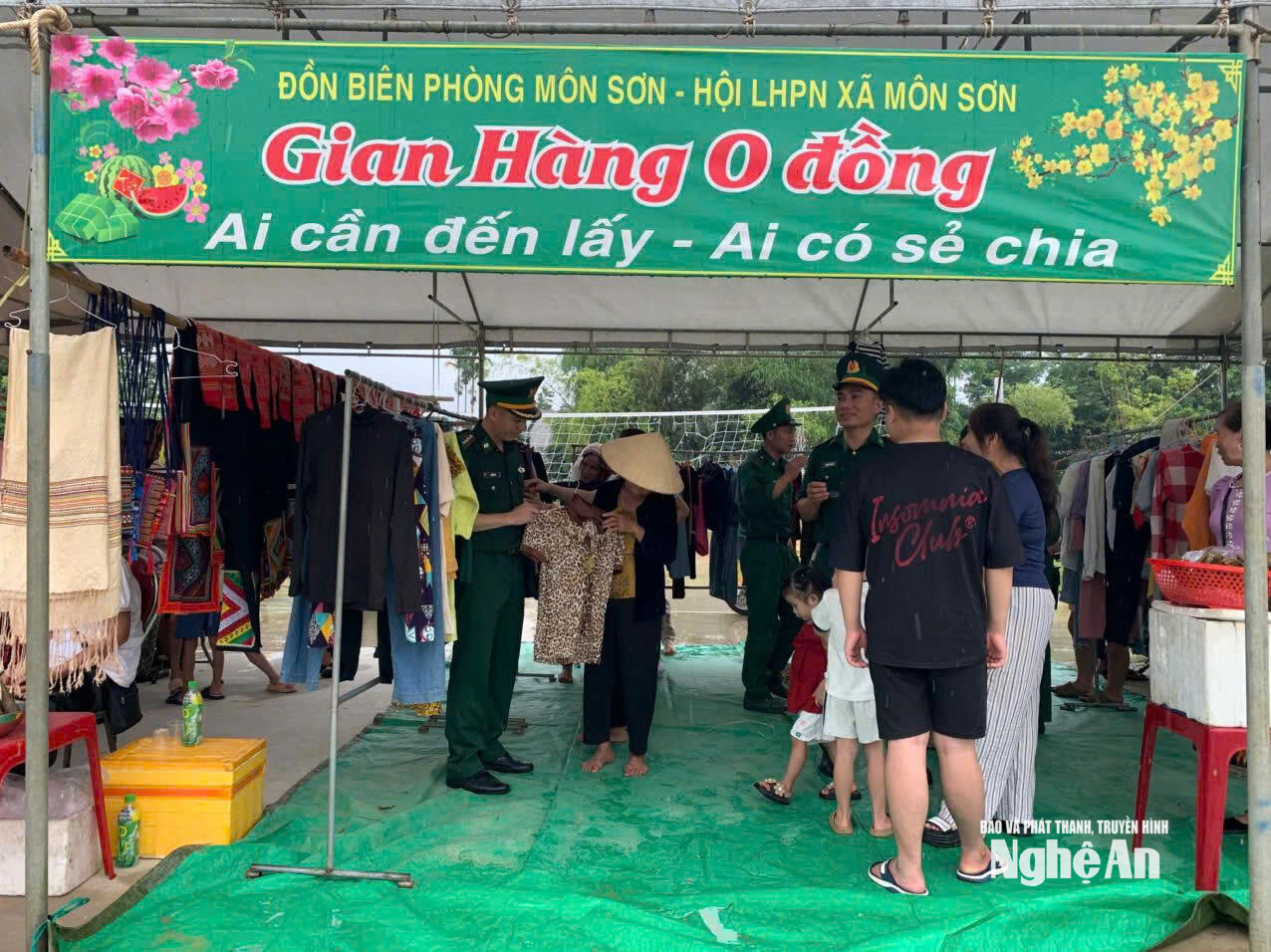
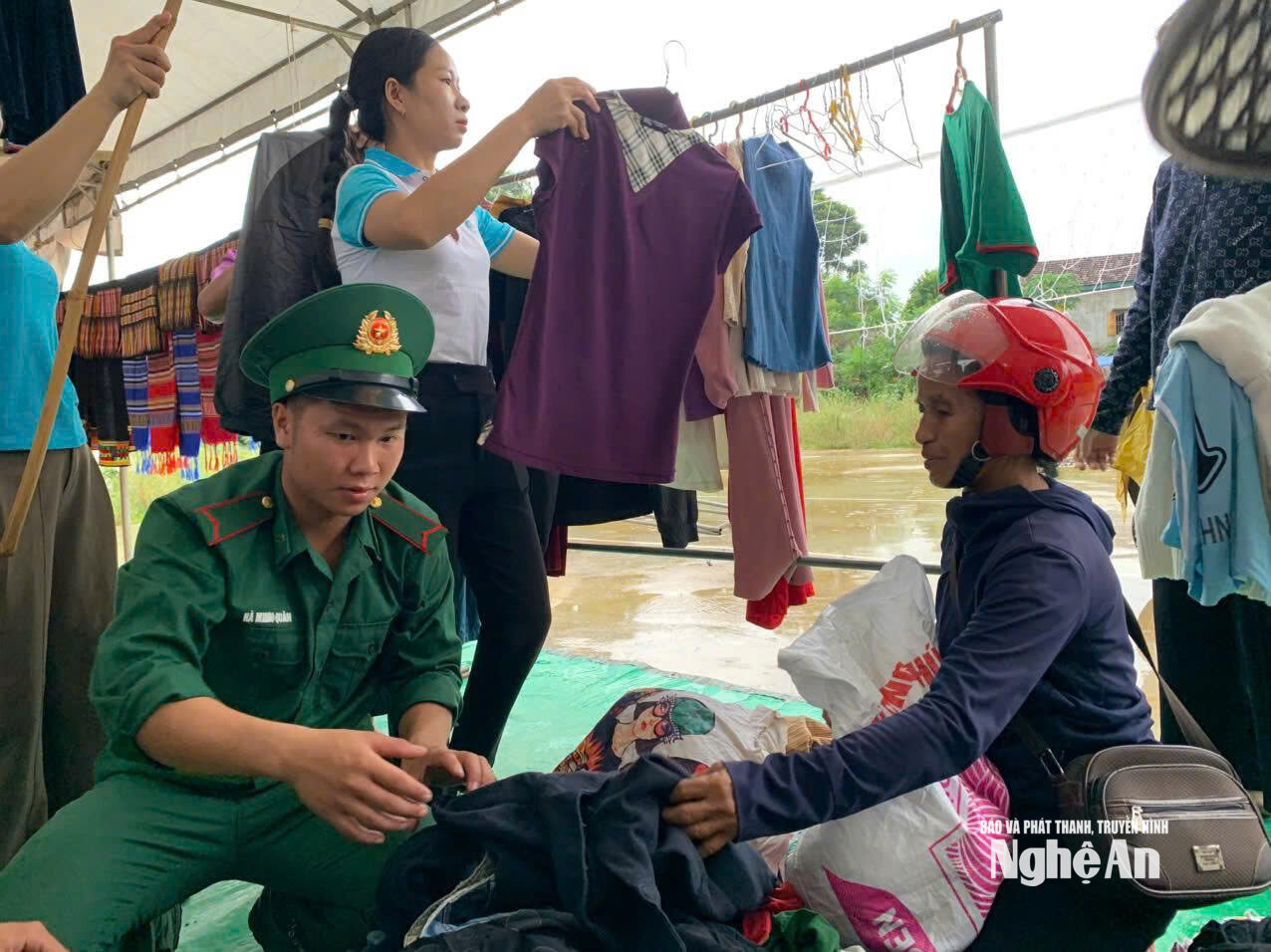
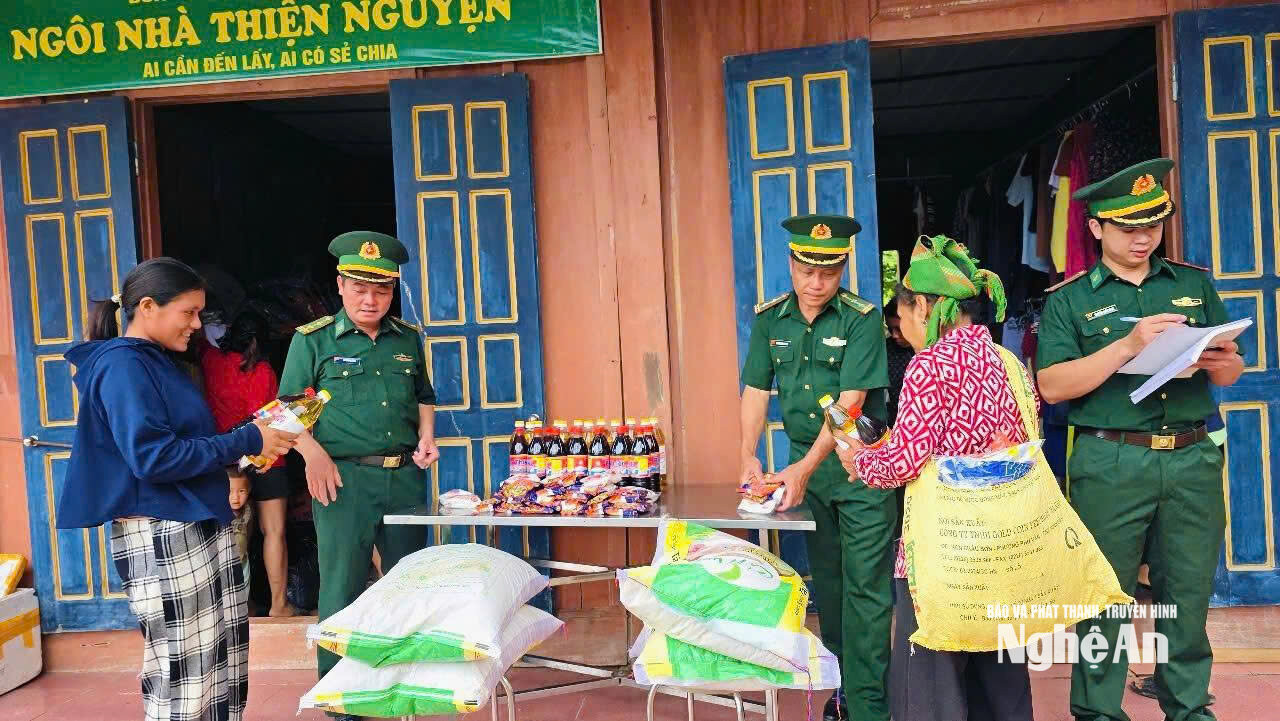
The image of the soldiers of Uncle Ho's army winning the hearts of the people through such simple actions is the silent sacrifice of the "Border Guard Fathers" who are "Accompanying the border region dormitories" in Mon Son commune.
Located in the heart of Mon Son commune, the border dormitory is currently home to 113 students, including 98 Dan Lai ethnic minority students and 15 Thai ethnic minority students from Moi village. Lieutenant Colonel Phan Van Tham, an officer from the community mobilization team, is in charge of managing the facility. In the breezy courtyard, "Father Tham"—the affectionate nickname the children give him—shares his thoughts: "At home, raising two children was already difficult; managing hundreds of children here was very worrying at first. But I felt sorry for the villagers and for the children who had to be separated from their parents from a young age, so I had to come here to be with them. With these children, rigid management with orders would ruin everything; they would run back to the forest immediately. The only way is to whisper, encourage, and use a father's love to care for them little by little."
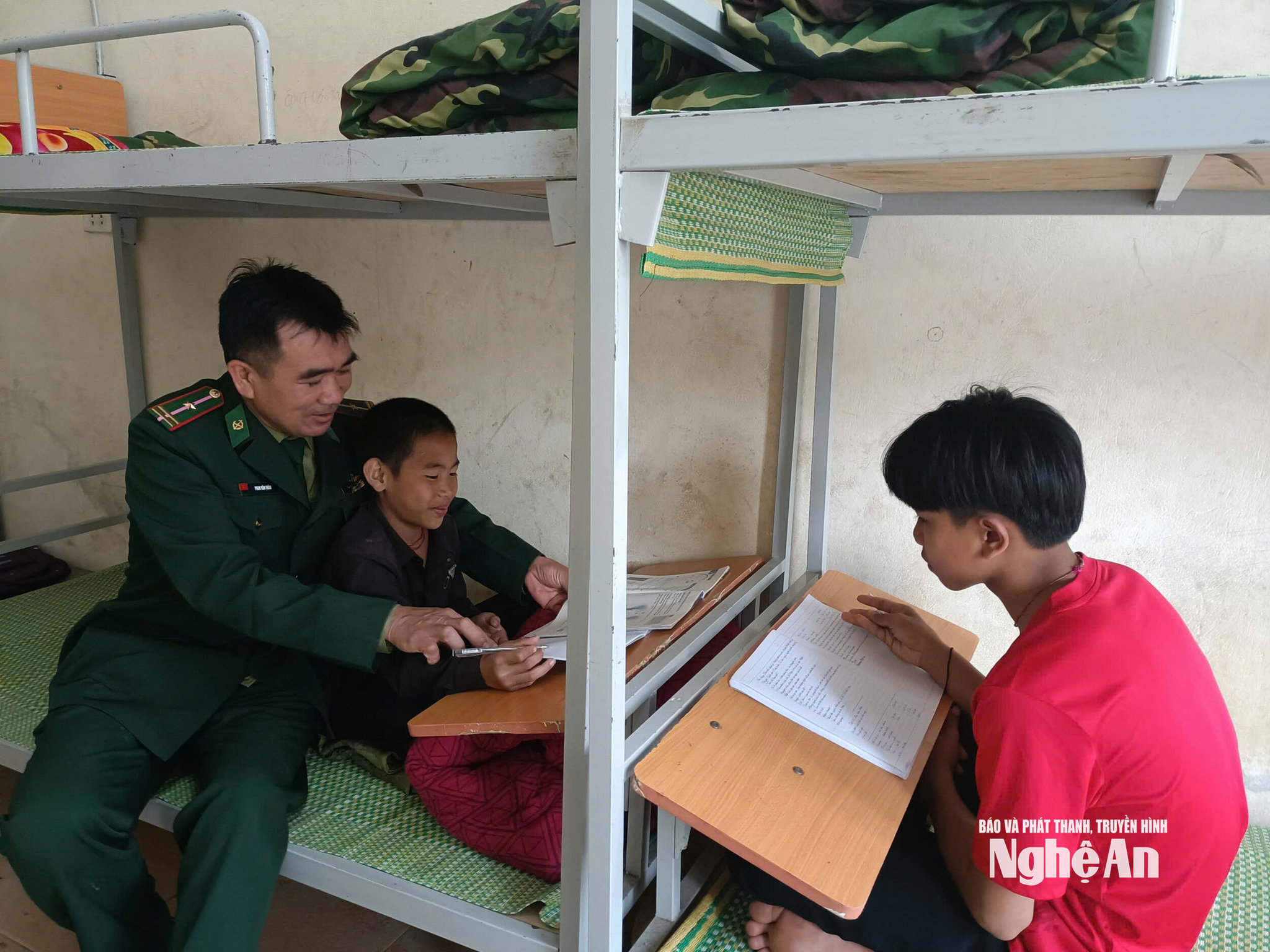
In the dormitory, military discipline was applied in a flexible and adaptable way. At exactly 7 PM, "Father Tham's" whistle sounded, and the children voluntarily sat down at their desks to study. At 9:30 PM, the second whistle sounded, and the fathers checked attendance, inspecting each room to ensure no one had sneaked out to play.
Each boarding student is entitled to a boarding allowance as stipulated by the State, but that meager amount is insufficient to support the growing children. Out of compassion for the children, the Mon Son Border Guard Post maintains the "Happy Green Star Noodles" model, raising funds to provide two additional quality breakfasts (worth 20-25 thousand VND per serving) per week for the children throughout the school year. Regularly, twice a week, the "fathers" wake up at 4 am to personally prepare delicious breakfasts for hundreds of children. Even during periods of unexpected work commitments, when only one "father" remains at the dormitory, he still manages to provide hundreds of breakfasts for the children before class.
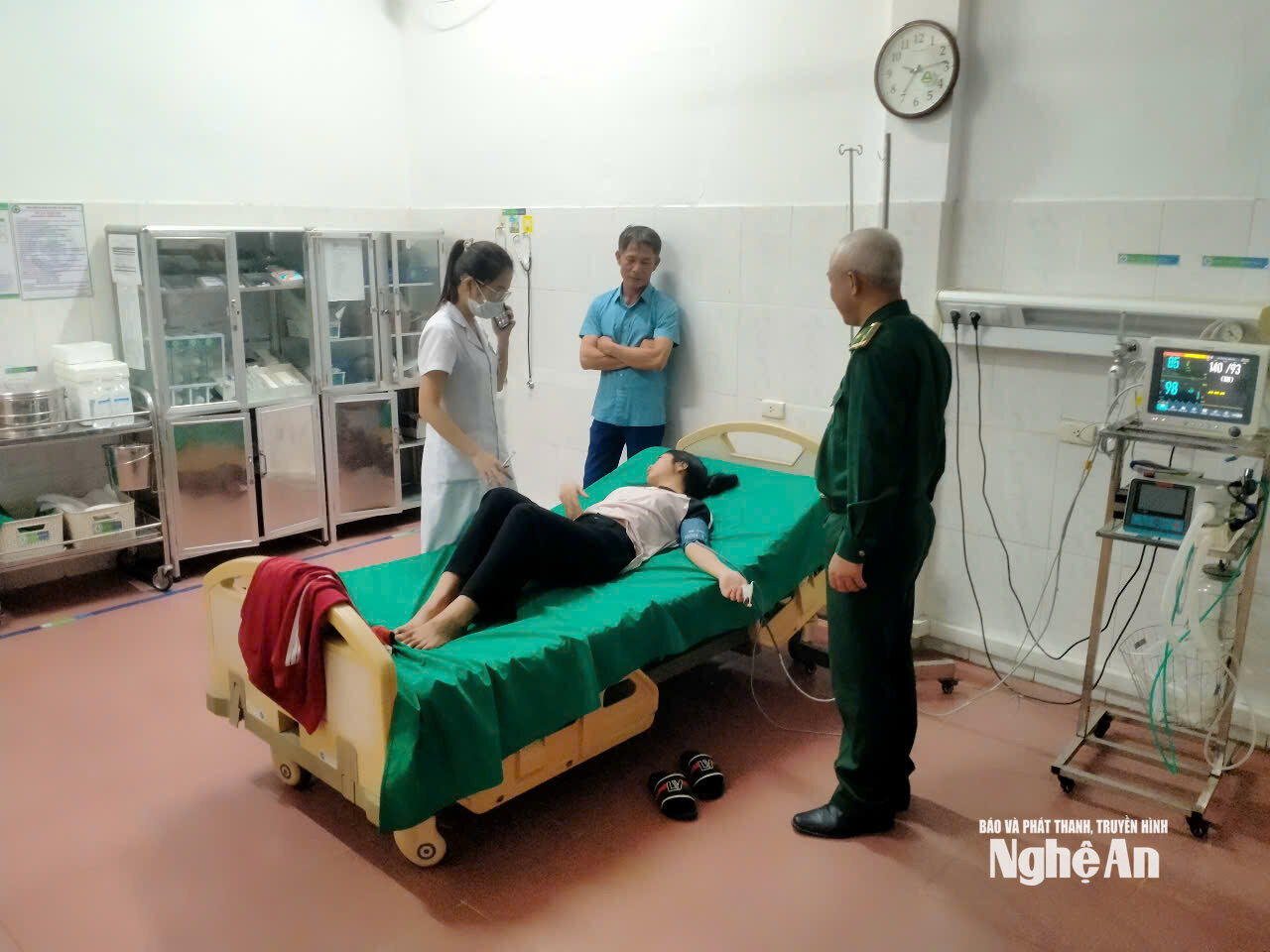
In the memories of border guards who have lived in border dormitories, there are moments that have become sacred father-son bonds. Lieutenant Colonel Phan Van Tham vividly remembers the case of his nephew, La Van Trong (now in high school). When Trong was in middle school, one night he suffered from severe stomach pain. After taking him to the infirmary and giving him medicine that didn't help, recognizing the danger, "Father Tham" and his comrades immediately drove Trong through the night to the Southwest Regional General Hospital. Thanks to their timely arrival, the doctors performed emergency appendectomy surgery on Trong that night, saving his life in the nick of time.
Thanks to the dedicated care and nurturing of these "fathers in military uniform," the academic performance of the students in Dan Lai has steadily improved, with higher attendance rates each year and a significant increase in the number of students passing the entrance exam to high school. But the biggest change is the demeanor of the children here. They are no longer the shy, timid, and fearful children of decades ago.
We entered the room where the seventh-grade girls lived. The small room was neat and tidy, with blankets and sheets neatly folded. As soon as they saw us enter, the petite Dan Lai girls immediately stood up, crowded around us, and greeted us loudly with folded hands. When we raised our cameras, they didn't run away but happily waved, laughed, and thanked us profusely.
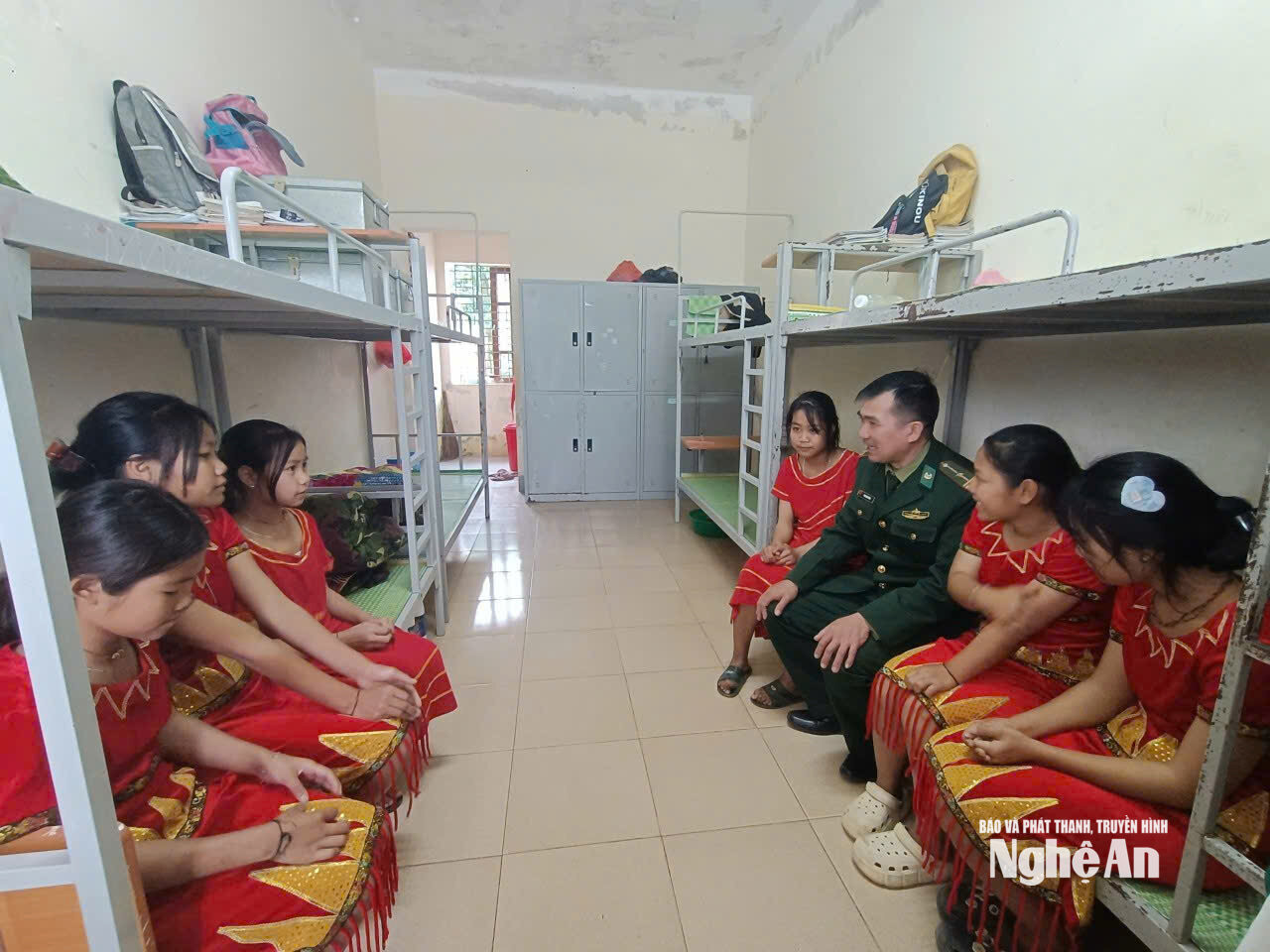
Looking into the clear eyes and radiant smiles of the children at the border school, we understand that the journey of the Nghe An Border Guard in illuminating the Dan Lai village is not just about reclaiming rice paddies or building sturdy houses, but more importantly, they have sown seeds of hope, opening up a prosperous and bright future for the Dan Lai people amidst the vast Pu Mat mountain range.


