
Mobile phones increase the risk of developing symptoms of depression.
A recent study has shown that the very phone you use every day may be the culprit behind your depression.
Spending too much time in front of screens, from phones and computers to televisions, is increasingly seen as a risk factor for depression, particularly noticeable in girls.
The main reason cited is that this habit negatively impacts the quality and duration of children's sleep, a key factor in maintaining mental health.

According to the World Health Organization (WHO), depression is a common mental disorder, affecting approximately 5% of the global adult population. Notably, among adolescents, depression is considered one of the leading causes of disease burden.
The WHO also warns that approximately 14% of children and adolescents aged 10 to 19 are living with mental health disorders.
However, the vast majority of these cases remain undetected or untreated, partly due to a lack of knowledge and awareness about the signs and causes of these illnesses.
Recently, a group of researchers conducted a large-scale study in Sweden, tracking over 4,800 students aged 12 to 16 for a year.
The study was divided into three different phases to record data on screen time, sleep quality and quantity, and symptoms related to depression in this group of subjects.
The results showed that students who spent more time using screens tended to go to bed later and had more difficulty maintaining sleep quality. In other words, the more time spent using electronic devices, the more sleep was affected, leading to mental health problems.
Researchers also noted that blue light emitted from screens, a type of light with a short wavelength, is one of the biggest culprits.
According to Harvard Medical School (USA), although blue light can help people stay alert and focused during the day, at night it seriously disrupts the body's circadian rhythm.
Specifically, blue light can inhibit the production of melatonin, the hormone that promotes sleep, tricking the body into thinking it's still awake, thereby delaying sleep and disrupting the entire natural sleep-wake cycle.
"We found that screen time tends to push bedtimes later, and that disrupts multiple aspects of the human circadian rhythm that controls sleep," the research team wrote.
Upon further analysis, scientists found significant differences between males and females. In boys, excessive screen time was directly linked to symptoms of depression after 12 months.
Meanwhile, in girls, this link is indirect, with negative sleep effects acting as a "bridge" between device use and an increased risk of depression.
In other words, in girls, sleep disruptions such as insufficient sleep, late nights, or poor sleep quality are factors that exacerbate depressive symptoms.
This shows that to protect the mental health of children, especially teenage girls, controlling screen time and establishing healthy sleep habits is extremely important.
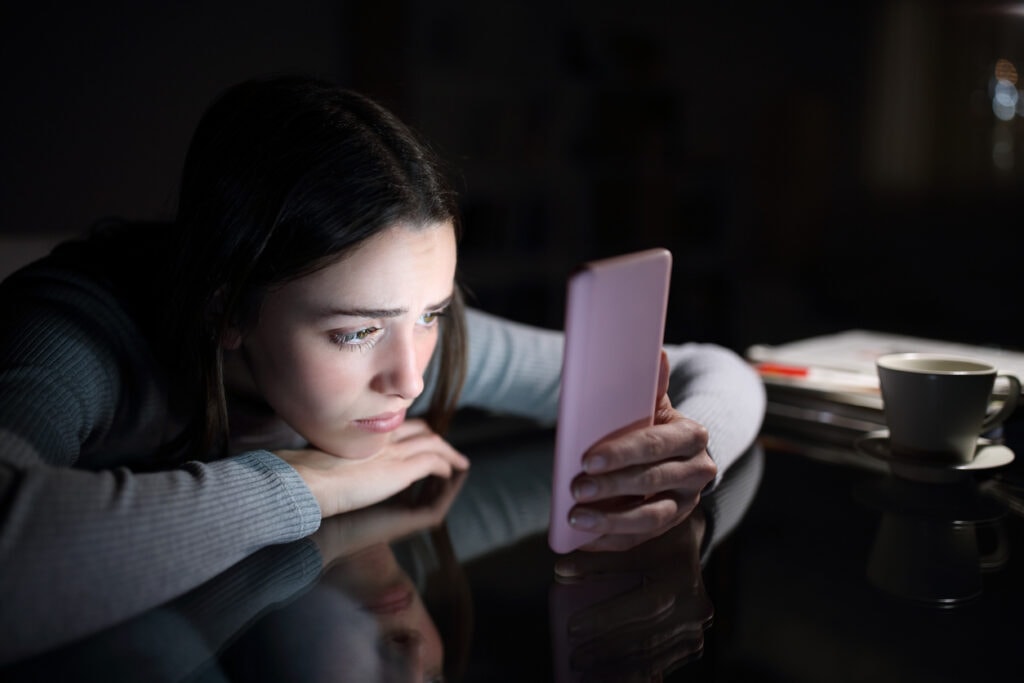
Researchers have found that sleep quality and duration may mediate the relationship between screen use and depressive symptoms in girls.
Specifically, they estimated that sleep-related factors could explain between 38% and 57% of the negative impact of screen time on depression in this group.
“In this study, we observed that teenagers who reported prolonged screen time tended to develop unhealthy sleep habits over time, such as going to bed late, not getting enough sleep, or having restless sleep. This decline in sleep quality, in the long term, contributed to increased manifestations of depression, particularly noticeable in girls,” the research team stated.
This conclusion further reinforces concerns among experts and healthcare professionals about the increasing amount of screen time children and adolescents are spending in front of screens, from smartphones and tablets to computers and televisions.
These findings are also consistent with the latest recommendations from the Swedish Public Health Agency, which emphasize that teenagers should limit their use of electronic devices to no more than 2 to 3 hours per day to protect their mental and physical health.
According to researchers, reducing screen time, especially among adolescent girls, can significantly reduce the risk and severity of depressive symptoms.
In other words, controlling screen time not only helps improve sleep quality but is also an important measure to prevent serious psychological problems in teenagers in the context of a modern society increasingly dominated by technology.


