
Studying vocational courses abroad isn't all rosy.
(Baonghean.vn) - Previously, after graduating from high school, many students and parents would look for vocational training programs in Vietnam if they didn't want to go to university. However, nowadays, the trend of studying vocational courses abroad is becoming a concern for many students.
Many advantages
Besides labor export programs, vocational training abroad is becoming an option for those who wish to study and work overseas. This study abroad program caters to the educational needs of working adults and older individuals with moderate qualifications, lasting from 2-3 years.
Short training periods, a focus on practical skills, and low costs (even free in some countries) make vocational training abroad increasingly attractive to students. The "market" chosen by Vietnamese workers in general, and those from Nghe An in particular, for vocational training abroad includes developed economies such as Germany, Australia, Canada, Japan, and South Korea.
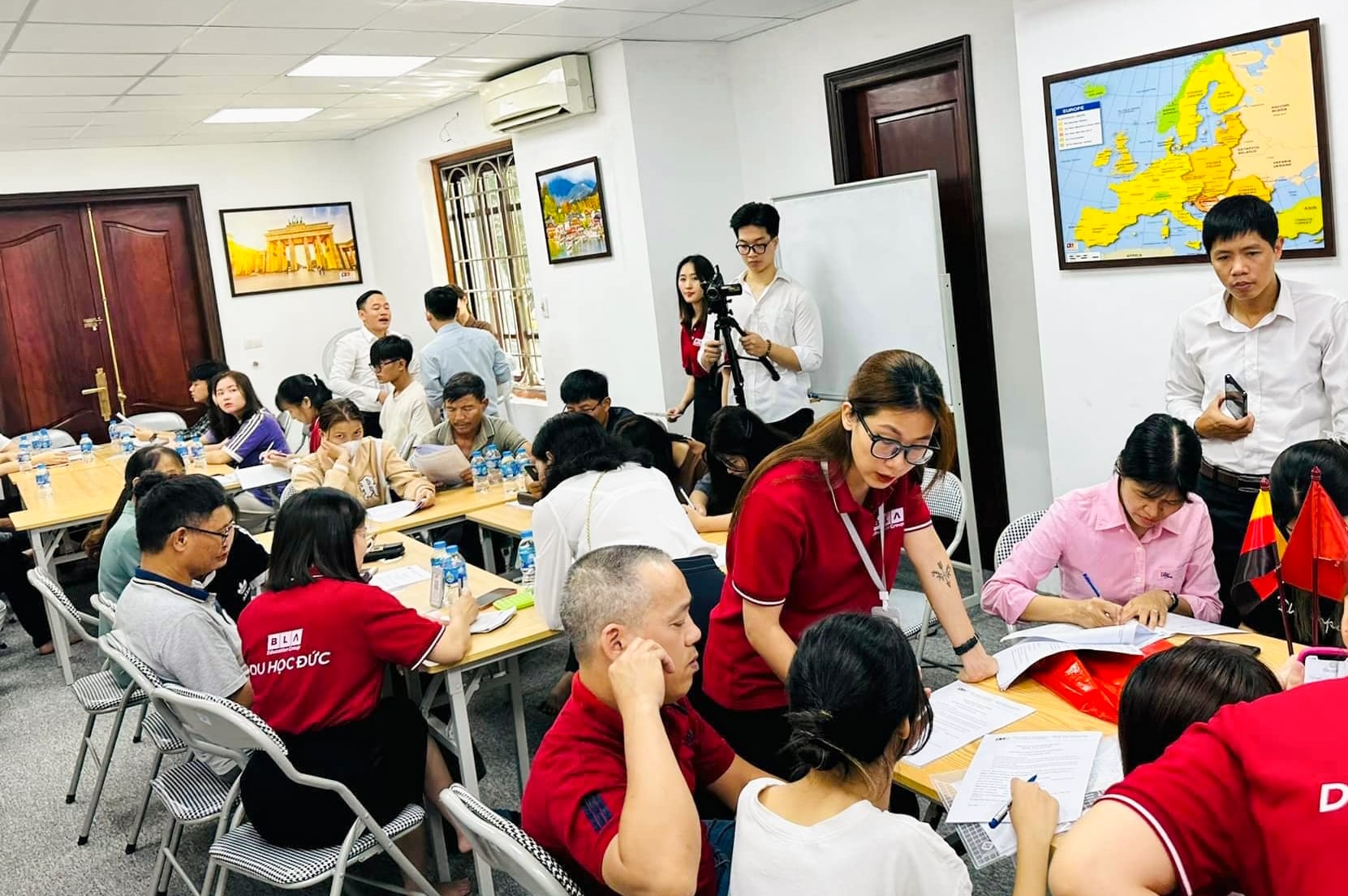
One of the countries with the highest number of people from Nghe An province going abroad for vocational training is Germany. Mr. Nguyen Trung Hau, a representative of a vocational training consulting company on Ly Thuong Kiet Street (Vinh City), said: "Due to Germany's aging population and the severe shortage of personnel in several specialized fields such as restaurants and hotels, construction, nursing, and agriculture, the German government has launched a vocational training program and is encouraging students from other countries to study and work there."
The unique aspect of vocational training programs in Germany is that they are not only free, but students also receive a salary during their studies and get hands-on work experience while still in school. Students receive a monthly government subsidy of 900-1200 Euros. Furthermore, to attract more skilled workers to live and work in Germany, the government has made it possible for foreigners to obtain German citizenship in just 5 years, instead of the previous 8 years.
In March 2023, Nguyen Gia Bao (born in 2000), residing in Hung Phuc ward, Vinh city, graduated from a three-year vocational training program in Germany in the restaurant and hotel industry. Bao stated that the salary he received during his studies was sufficient to cover his living expenses. After graduation, Bao was hired by a restaurant with a salary of 2,800 Euros per month (approximately 73 million VND), not including overtime pay.
Besides vocational training in Germany, in recent years, vocational training in Japan and South Korea has also become a popular choice, combining language learning with vocational training. Students can choose from professions such as cooking, electronics, tourism, beauty, assembly techniques, etc.

At a vocational study abroad counseling center on Pham Dinh Toai Street (Vinh City), many students and parents came to inquire about vocational study abroad programs in Japan.
After graduating from high school, I chose not to attend university or college but instead studied Japanese to pursue a Tourism degree in Japan. This is because the program combines theory and practice, allows me to travel to many places, and I can earn extra income during internships. I hope to find employment there immediately after graduation.
My wife and I are both factory workers, and our family finances aren't very comfortable, so we want our children to become independent early. Our eldest child went to Japan for vocational training and now has a stable job there. Our other son is graduating from high school this year, and we're planning to send him to Japan for vocational training as well.
It's not just all bright colors.
It's evident that vocational training programs in countries like Germany, Australia, and South Korea are currently a hot trend on social media. Therefore, some centers capitalize on the desire of students to work abroad for high incomes by advertising salaries far exceeding reality. Furthermore, to expedite the application process for vocational training programs, these centers charge a series of very high fees.

According to Nguyen Gia Bao, in order to go to Germany to study a vocational course, he had to learn German and obtain a B1 level certificate at a center in Hanoi, at a cost of over 100 million VND.
Besides the expensive language learning costs, the service fees charged by these centers to complete vocational study abroad applications can also amount to hundreds of millions of VND. According to Mr. Bao, this is a significant amount and a considerable difference compared to completing the application himself. Furthermore, there have been cases of fraudulent centers stealing money from students by collecting original documents, creating copies, and providing fake contracts.
Mr. Bao added that service centers, driven by profit, often paint a rosy picture of life in Germany, but the reality is quite different. Besides language and cultural difficulties, during their studies, depending on the region in Germany, the salary before graduation is barely enough to cover living expenses, with little to no surplus, and sometimes even insufficient. Therefore, many international students have to work part-time to cover their living costs, but finding part-time work in Germany is not easy.
Nguyen Thi Thu Huong (born in 1996), residing in Hung Binh ward, Vinh city, who is currently studying vocational training in Japan, said that the cost of vocational training in Japan is quite high (from 900,000 to 1,300,000 Yen/year, equivalent to 150 million to 210 million VND/year), leading many students to work part-time to cover living expenses. However, according to regulations, students are only allowed to work 4 hours/day and not more than 28 hours/week.
Currently, in expensive cities like Tokyo and Osaka, many Vietnamese international students, unable to find jobs or cover their living and study expenses, have had to drop out of school and work illegally. In some cases, even those who find work are denied visa extensions after being found to have worked more hours than permitted.
Ms. Nguyen Thi Thu Huong - a student studying in Japan.
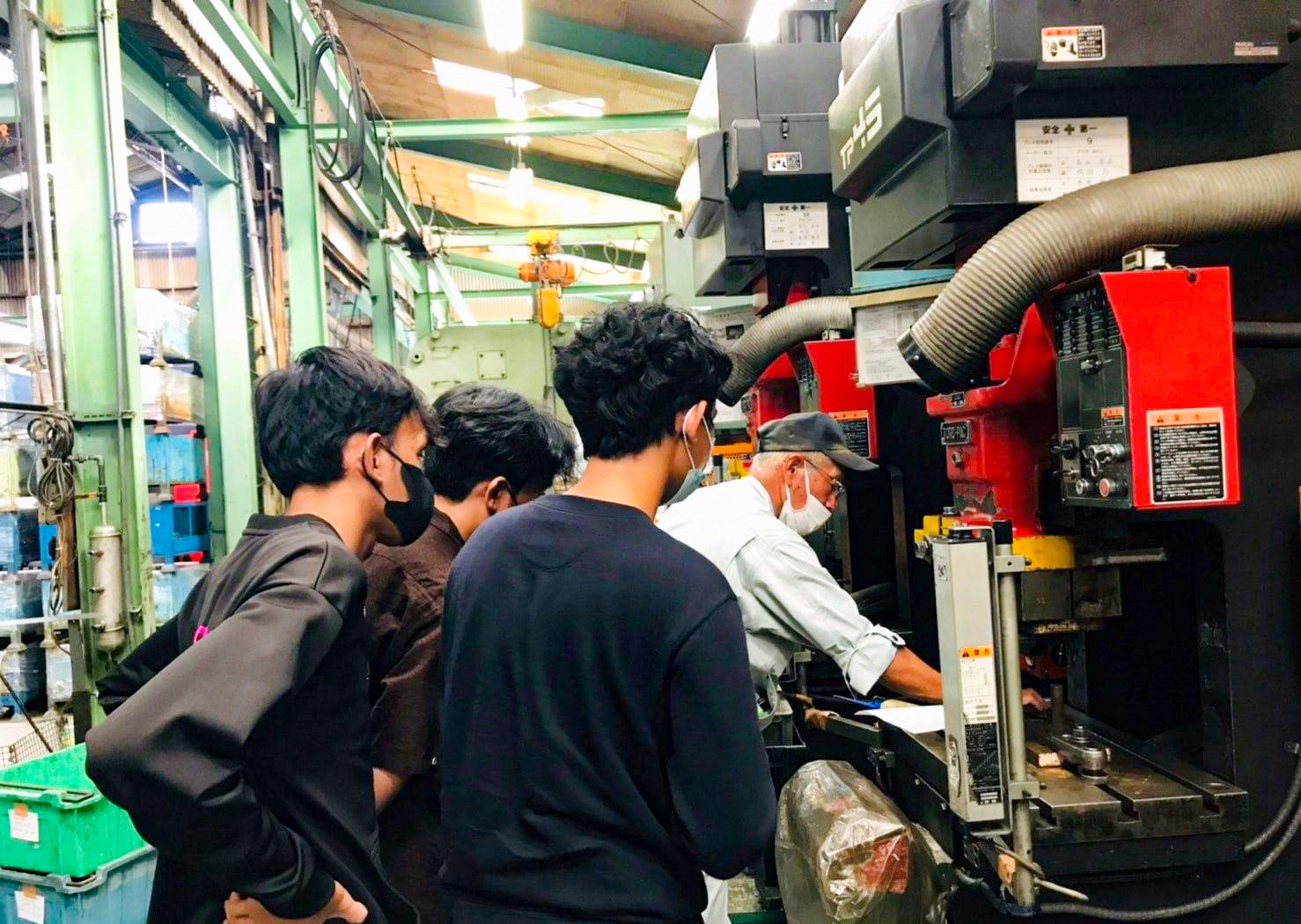
As we can see, vocational training abroad is a promising path to a better future, but life as a student abroad isn't all rosy. To best prepare yourself, you need to have a solid foundation in terms of knowledge, research and choose a reputable vocational training abroad consulting center that suits your financial capabilities, and also study the cultural background of the country you choose to study in, as well as be aware of potential challenges to be prepared to face them.


