
Germany is paying the price for its energy policy with Russia.
(Baonghean.vn) - According to experts, Germany is paying the price for its misguided policies with high inflation, high energy prices, and even the country's prosperity, including its refusal to buy natural gas from Russia.
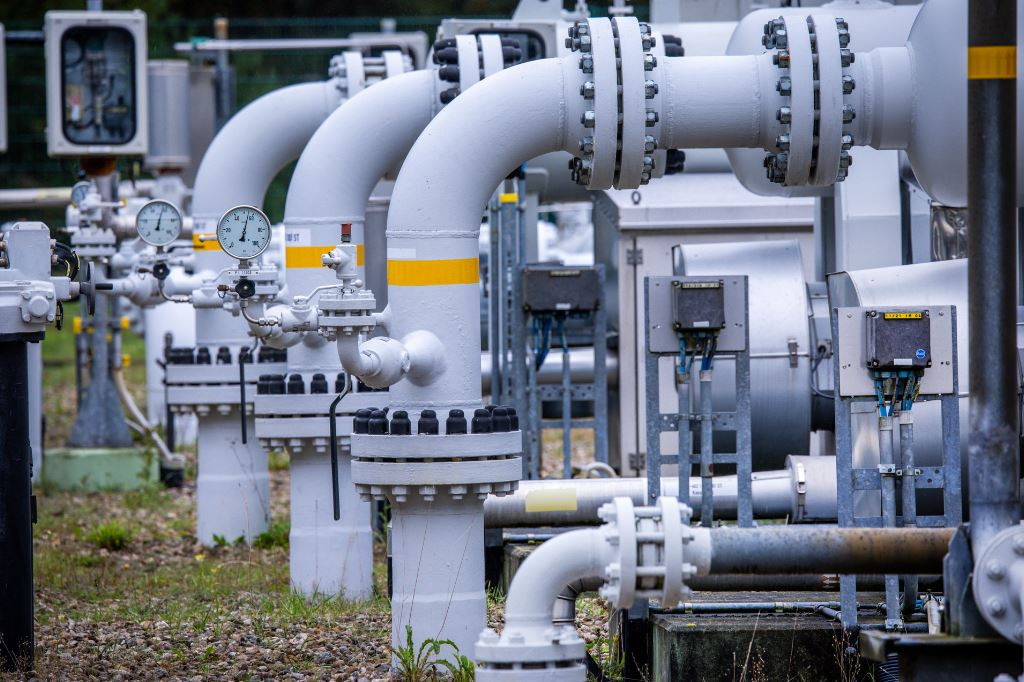
Earlier, German Chancellor Olaf Scholz blamed Russia for the deep energy crisis facing Germany and Europe. According to the German leader, Europe has lost a total of 120 billion cubic meters of natural gas. This shortage has led to soaring prices.
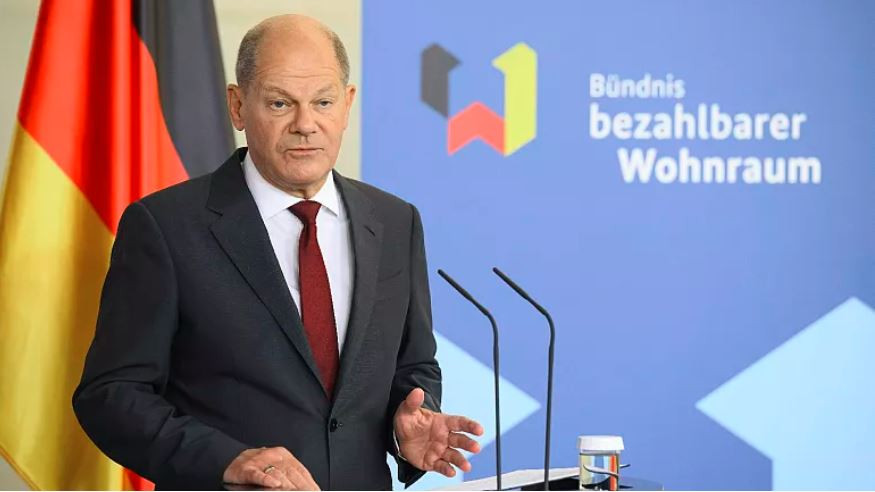
The German Chancellor accused Russia of being responsible for the gas supply cuts to Europe.
December 10, 2023 07:08
According to RT, despite the sabotage of the Nord Stream gas pipelines, Moscow continues to supply energy to European countries. Speaking at this year's St. Petersburg International Gas Forum, Russian Energy Minister Nikolai Shulginov stated that Russia still considers itself a "reliable supplier," has never closed its gas exports to the West, and continues to pump gas through the Ukrainian pipeline system as well as the Turkish Stream. Shulginov emphasized that the initiators of the supply cuts were European countries.
Experts point out that Chancellor Olaf Scholz's policies have become one of the main causes of Germany's economic difficulties. Consequently, energy shortages and soaring gas prices have plunged Germany into a large-scale industrial and budgetary crisis.
Aleksei Grivach, Deputy Director General for Gas Issues at the Russian National Energy Security Fund, stated: “Scholz’s actions have caused significant difficulties for both the German economy as a whole and energy-intensive industries, especially the chemical sector. Of course, he will make excuses and blame everything on Russia. But even his voters and political opponents may not believe those claims.”
Despite the severe economic crisis, Chancellor Scholz has no intention of abandoning the path of military support for Ukraine. At the same time, the German Chancellor acknowledged that supporting Kyiv has become a serious "financial challenge" for Berlin.
To date, Germany's total aid to Ukraine has exceeded 25 billion euros since February 2022. At the same time, there is still no consensus on budget spending for Ukraine in 2024.
Against this backdrop, Scholz's approval rating is steadily declining. According to the latest YouGov poll, 74% of respondents believe the German Chancellor is not doing a good job. Only 22% have a positive view of the government's performance.
Vladislav Belov, head of the Center for German Studies at the Institute of Europe of the Russian Academy of Sciences, believes that the accusations against Russia are a way for Chancellor Scholz to try to justify himself and escape responsibility for the crisis. However, he does not rule out the possibility of early elections in the lower house of parliament if the chancellor's approval rating falls to a minimum.
“The German government has not yet made any political decisions regarding Nord Stream. Over time, Germany will begin to resume purchasing Russian energy resources. Germany needs Russian energy. Many in Germany understand that without Russian energy, its industry will lose its competitiveness. Germany will pay the price for such a policy with high inflation, high energy prices, and even the country's prosperity,” expert Belov stated.
Mr. Belov believes that Russian gas supplies will resume once the conflict in Ukraine ends.


