
The EU wants to cut off LNG and aluminum supplies from Russia.
The EU is considering the possibility of imposing sanctions against Russia to cut off its liquefied natural gas (LNG) and aluminum supplies.
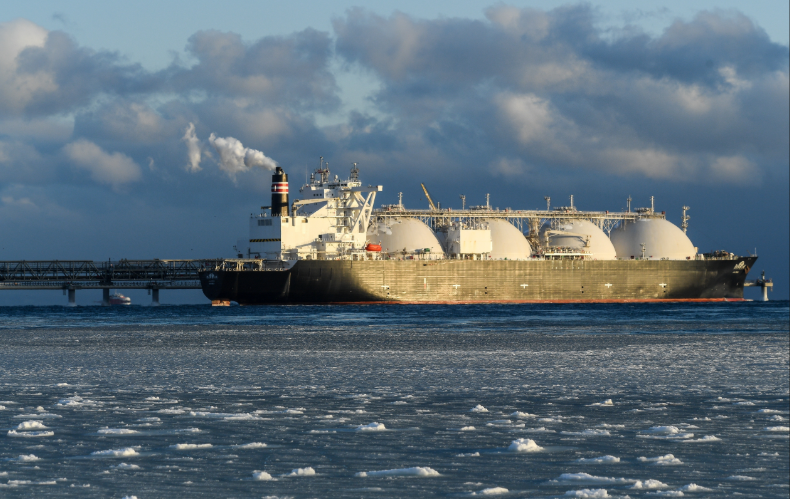
According to TASS on January 15, Bloomberg, citing sources, reported that the European Union is considering including a 16th package of sanctions against Russia aimed at gradually phasing out Russian liquefied natural gas (LNG), as well as banning aluminum imports from Russia.
Accordingly, the “timing and scale” of restrictions on aluminum supply remain undetermined. It is also unclear exactly what form the gradual phasing out of LNG from Russia will take.
In addition, the EU is considering the possibility of imposing sanctions on Russian courts and disconnecting new banks from the SWIFT cross-border payment system.
In 2024, the European Union purchased a record volume of LNG from Russia, despite efforts to reduce its dependence on Russian energy. According to the Financial Times, citing the analytics firm Kpler, by mid-December 2024, the EU had imported a record 16.5 million tonnes of Russian LNG. This figure is higher than in 2023, when imports reached 15.18 million tonnes, and compared to 15.2 million tonnes in 2022.
The Financial Times drew attention to the growth in Russian LNG purchases on the spot market. This type of contract accounts for 33% of LNG sales from Russia to Europe. For comparison: In 2023, the proportion of such transactions was 23%.
According to Eurostat data and TASS calculations, the EU purchased Russian LNG in October in quantities not seen since November 2023, reaching a maximum of €701.5 million, with more than half of this coming from France. Based on results from January to October 2024, the European Union paid more than €6 billion for pipeline gas from Russia and €5.7 billion for Russian LNG.
Under the EU's RePower program, the European Union intends to reduce its dependence on Russian oil and gas by two-thirds by the end of 2022 and to zero by the end of 2027. At the same time, the cost of purchasing Russian LNG for the EU has increased by 150% in three years due to rising prices and increased LNG supply from Russia.


