
EU and UK: A test of endurance before the moment of separation.
(Baonghean) - Over the past two days, both the EU and the UK have issued tough statements, making the prospect of reaching an agreement next week increasingly uncertain. Analysts believe that the EU and the UK are currently like two "players" in a "test of patience," with each side determined to wait for the other to give up first.
A week of tough negotiations
The European Union and the UK resumed negotiations on October 8th, and agreed to continue talks every day until the EU summit on October 17th and 18th.
According to the plan, EU and UK leaders will try to sign an agreement before this conference, based on the rather optimistic statements made by European Commission President Jean Claude Junker last weekend, namely that "the UK and the EU are very close to an agreement" and "if not an agreement in October, then it will be in November." Previously, European Council President Donald Tusk also stated that a Brexit agreement could be reached by the end of 2018.
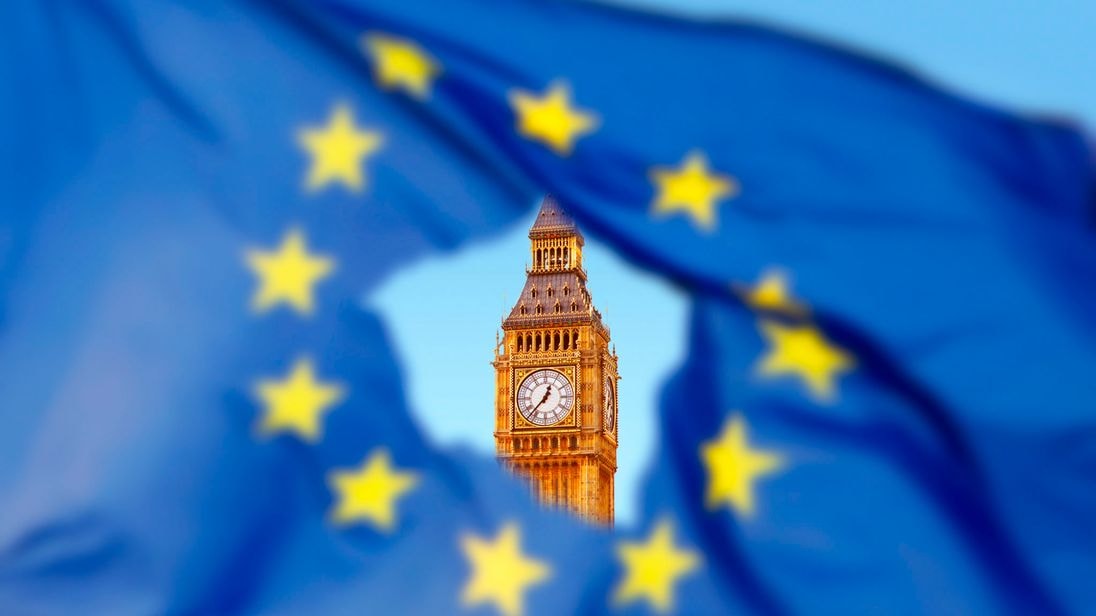 |
| Britain and the EU are in the midst of a difficult week of negotiations ahead of next week's EU summit. Photo: News Sky |
Observers had predicted that the UK might make some minor concessions regarding the Irish border issue, because after the Conservative Party Congress, Theresa May's position was strengthened, allowing the British Prime Minister to confidently put forward new proposals.
However, things did not go as smoothly as expected, and experts even predicted that the crucial week of negotiations between the UK and the EU was gradually falling into a deadlock. This assessment came after a British official stated that the country would not be able to reach any agreement with the EU without a mechanism to shape future bilateral relations.
Meanwhile, the EU has also insisted that it will not continue negotiations unless the UK presents proposals on the Irish-Northern Ireland border that the EU can accept. The European Commission was scheduled to publish a draft Brexit agreement on October 10th.
Next, on October 12th, representatives from the 27 EU member states will meet to review progress in Brexit negotiations. On October 15th, advisors to the heads of state of the 27 countries will meet in Brussels for final preparations for the EU summit.
However, plans to release the draft agreement today have been cancelled. Instead, the remaining 27 EU member states will focus on preparing scenarios for their own countries in case the UK and the EU fail to reach a final Brexit agreement.
In the history of the EU's formation and development, the UK was the first country to decide to leave the bloc, and an unprecedented divorce negotiation after 40 years of association was naturally never easy, especially given the geographical, historical, and political ties between the two sides.
Nevertheless, for over two years, British and EU negotiators have worked hard to reach the least painful Brexit agreement for both sides. But when it comes time to compromise, with less than six months until Britain leaves the European Union, developments over the past two days show that neither Britain nor the EU is willing to back down first, turning this crucial week's negotiations into a test of patience, with each side determined to wait for the other to give up.
The "chicken and egg" story
The biggest sticking points currently between the UK and the EU are trade relations between the two sides and the border issue between Northern Ireland, part of the UK, and the Republic of Ireland – a member of the EU.
The European Union's prerequisite is that the UK must amend its Brexit proposal so that any Brexit agreement between the two sides ensures the maintenance of an open border between Northern Ireland and the Republic of Ireland, preserving the core provision of the 1998 peace treaty after decades of conflict.
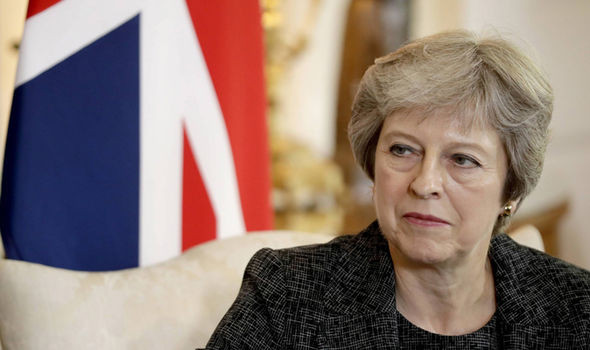 |
| Theresa May is taking a tough stance against the EU to ease pressure within the Conservative Party. Photo: PA |
With this stance, the EU firmly stated that it would not announce any proposals for future trade relations with the UK unless the UK presented revised proposals regarding the border between Northern Ireland and the Republic of Ireland, even though there have been reports that the EU has prepared a trade agreement with the UK similar to the bloc's trade agreement with Canada.
Meanwhile, some internal British sources indicate that the government has considered several concessions regarding the Irish border. For example, the British government might agree to maintain a separate policy for Northern Ireland from the rest of the UK if the Northern Irish Parliament accepts it, or customs checks for goods between the UK and the Republic of Ireland could be conducted at a point deep within British territory instead of at the border.
However, the condition for Britain to make these concessions is that Europe must publish a political declaration on the future economic and political partnership between the UK and the EU. In other words, Britain is "passing the ball" to the EU, suggesting that the decisive step rests entirely with the EU negotiating team.
The calculations of both the UK and the EU are pushing the Brexit negotiations into a vicious cycle, much like the "chicken and egg" dilemma – a hopeless situation with the worst-case scenario being that the UK will leave the EU without any agreement.
According to analysts, previously, the UK was considered the weaker party in negotiations with the EU, and it was likely that the country would have to make concessions first to reach an agreement with the EU.
However, recent disagreements within Prime Minister Theresa May's Conservative Party are pushing the issue in a different direction. Many Conservative members, most notably former Foreign Secretary Boris Johnson, have accused Theresa May's Brexit plan, with its certain concessions to the EU, of completely contradicting the wishes of voters who voted to leave the EU two years ago.
Perhaps the British government is calculating that, by appearing as tough as possible on the EU, Theresa May will gain support within her own party, reducing pressure on her personally to abandon the Chequers Plan that the cabinet agreed upon in July, or even pressure to resign.
This reality suggests that the remaining time before the EU summit next week will continue to witness a tense standoff between the two sides. However, according to analysts, regardless of their outward appearances, neither the UK nor the EU truly desires a no-deal Brexit, as it would have negative consequences for both sides.
The key issue in the negotiations between the UK and the EU now is time. Some analysts predict that the most important agreements will be held back by both sides until the final moments of this week's talks, most likely on the last night before the European Summit opens next week.


