
Galatasaray and the DNA of Hell: Fire and Pride
“Welcome to hell” is the promise of a fiery stadium, where Galatasaray’s DNA is forged from the roots of Gul Baba’s red and gold colors and the European peak of 1999-2000 under Fatih Terim.
“Welcome to hell” is not a threat. It’s a promise of a wall of sound and a fiery passion. At Galatasaray’s home ground, that energy has become ingrained in their DNA: imbued with European pride, arrogance, and the fighting spirit of the Aslans.
The Hellish Atmosphere and Galatasaray Identity
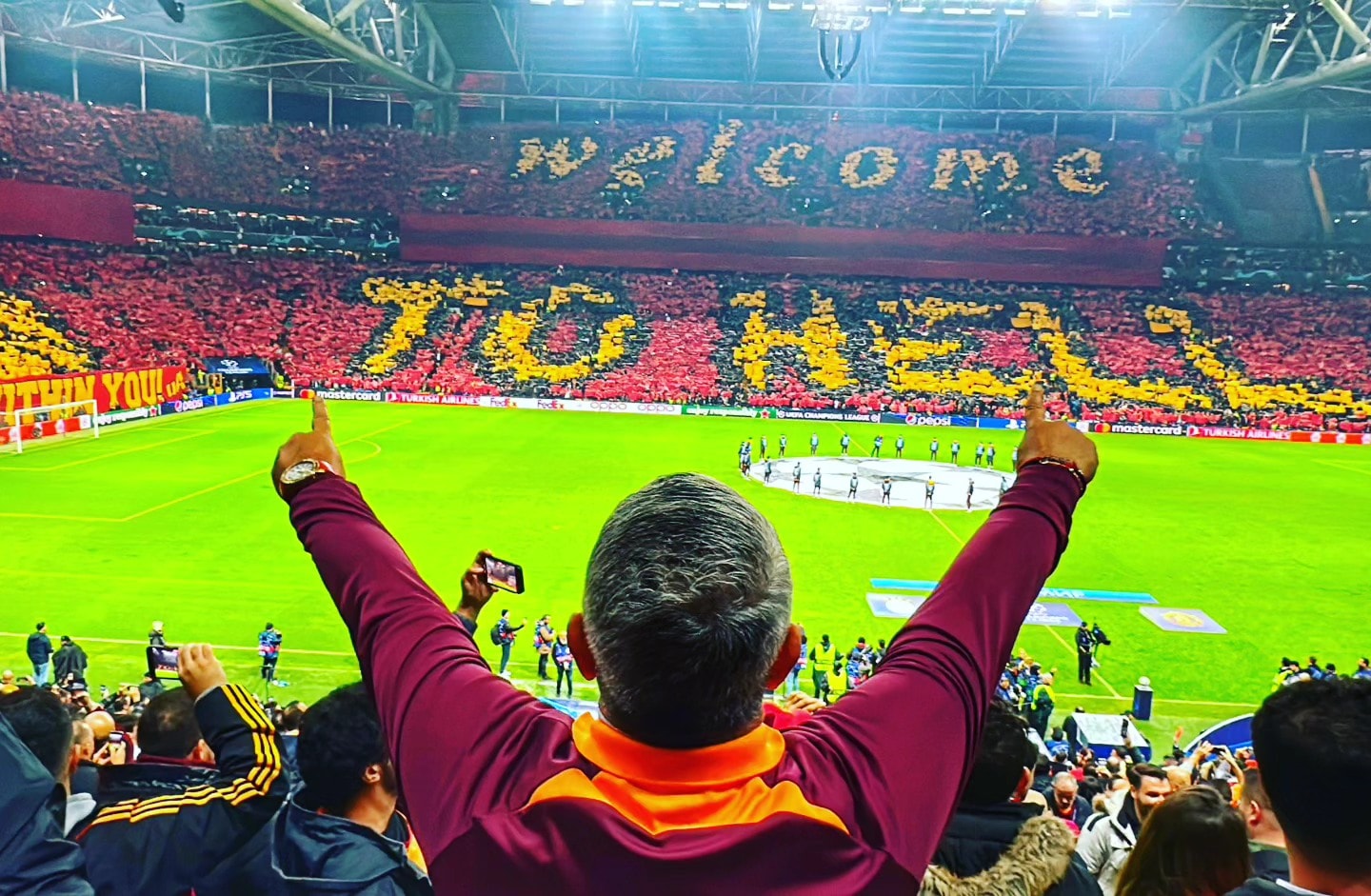
Upon entering Galatasaray's stadium, the first banner displayed read, "Welcome to Hell." Below, a sea of passionate fans created immense psychological pressure for any opponent. This is at the core of the club's identity, where fervent loyalty connects with a burning desire to win.
The origins of excellence: from Galatasaray School to the Ali Sami Yen manifesto.
Galatasaray was founded in 1905 by a group of students from Galatasaray High School, a prestigious school established in 1481. From the beginning, the club bore the mark of intellectualism and a clear objective, as stated by Ali Sami Yen: "to play football together like the English, with one shirt and one name, and to beat non-Turkish teams."
The flame on the shirt: inspired by Gul Baba.
The iconic red and gold colors are said to be inspired by the roses Gul Baba offered to Sultan Bayezid II. Ali Sami Yen described the moment of choosing the jerseys: “We imagined flames of red and gold blazing over our team, and dreamed that it would lead us to victory.” From then on, the flame became a symbol: a combination of knowledge and passion, excellence and fighting spirit. The nickname “Cimbom” evokes a powerful sound and inner strength.
The European obsession and its peak in 1999-2000
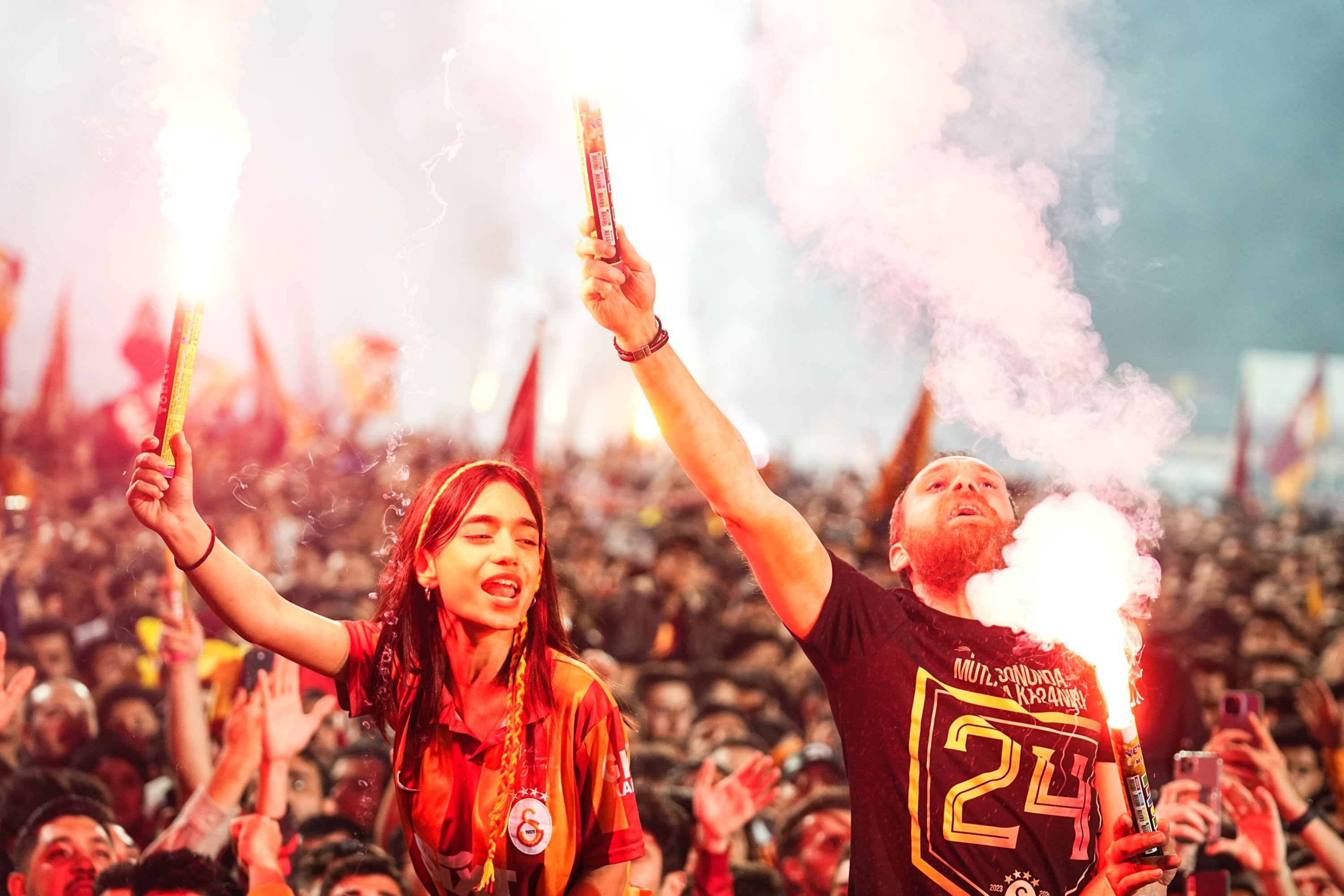
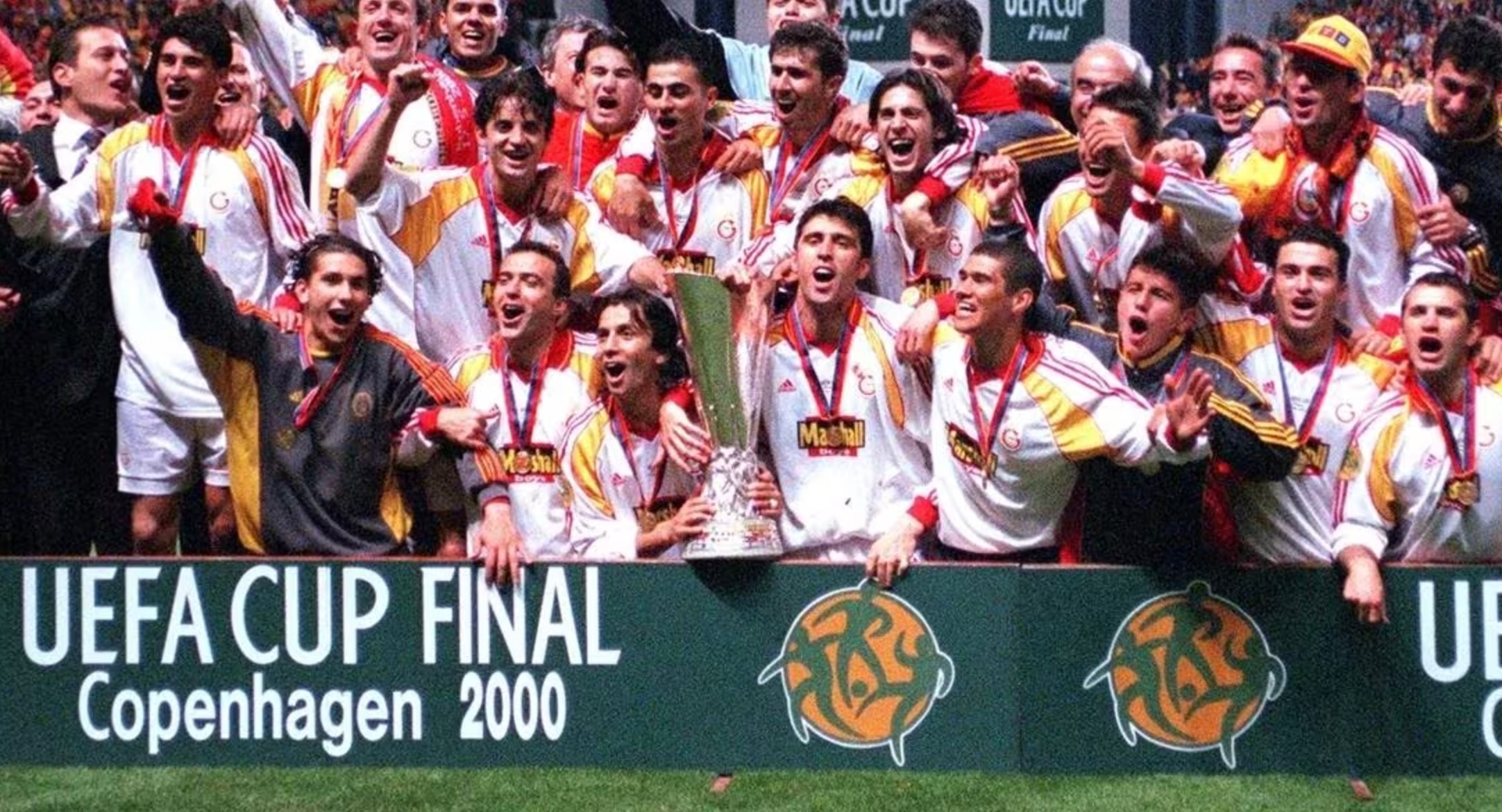
In a context where Turkish football is often seen as being on the periphery of the continent, Galatasaray positioned itself as a representative of European aspirations. The pinnacle was the 1999-2000 season under "Emperor" Fatih Terim, with the generation of Gheorghe Hagi, Claudio Taffarel, and Hakan Sukur: winning the UEFA Cup and, a few months later, defeating Champions League winners Real Madrid to win the European Super Cup.
That milestone made Galatasaray the first, and to date only, Turkish club to win a major UEFA title, a powerful statement about their status.
The symbols etched into the lion's DNA.
Gheorghe Hagi
"The Maradona of the Carpathia" – a genius number 10, with a magical left foot and a strong personality, the creative soul of the team.
Fatih Terim
"The Emperor" – the embodiment of fighting spirit, pride, and the desire to win, from the pitch to the coaching bench.
Metin Oktay
"The uncrowned king" of the 1960s – a goalscorer whose powerful shots ripped through the net, a symbol of strength and loyalty.
Hell in the stands: ultrAslan and the testimony
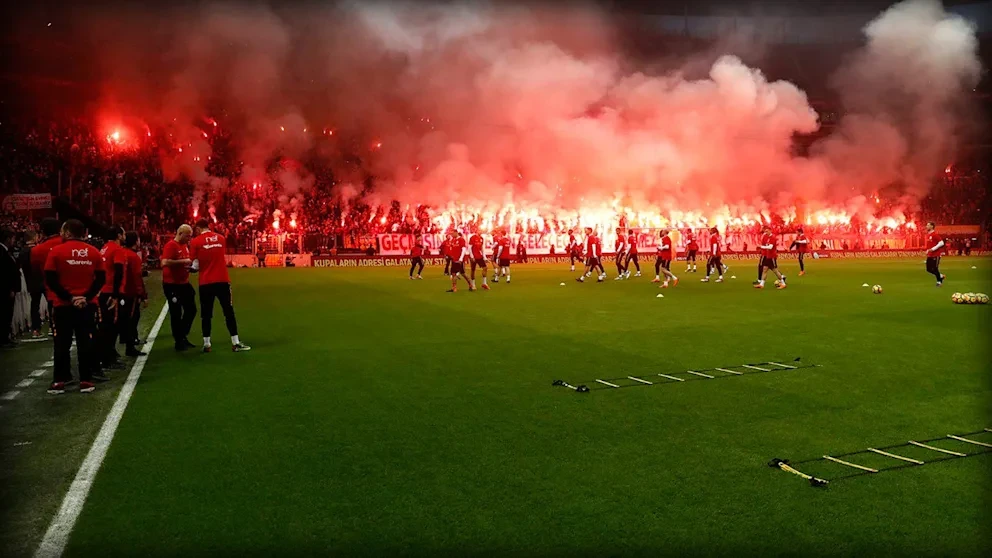
Galatasaray's legacy is not just 25 national championships or prestigious European cups; it's also the Aslan fan community. The old Ali Sami Yen Stadium, now Rams Park, is known as "Hell." The ultrAslan fan club creates unspoken pressure, as Ryan Giggs once said: "I've never experienced anything like Galatasaray. Three hours before the match starts, the stadium is already packed!"
Intercontinental Derby: The Eurasian Boundary
That energy peaked in the derby against Fenerbahce – a heated clash where culture, pride, and even animosity collided between the two halves of Istanbul's Eurasian heritage.
In conclusion: the flame never goes out.
Galatasaray is an explosive blend of cultural heritage, passionate popular spirit, and boundless European pride. To love Galatasaray is to venture into a fiery "hell"—and be proud that this fire carries the name of Turkey to the world stage.


