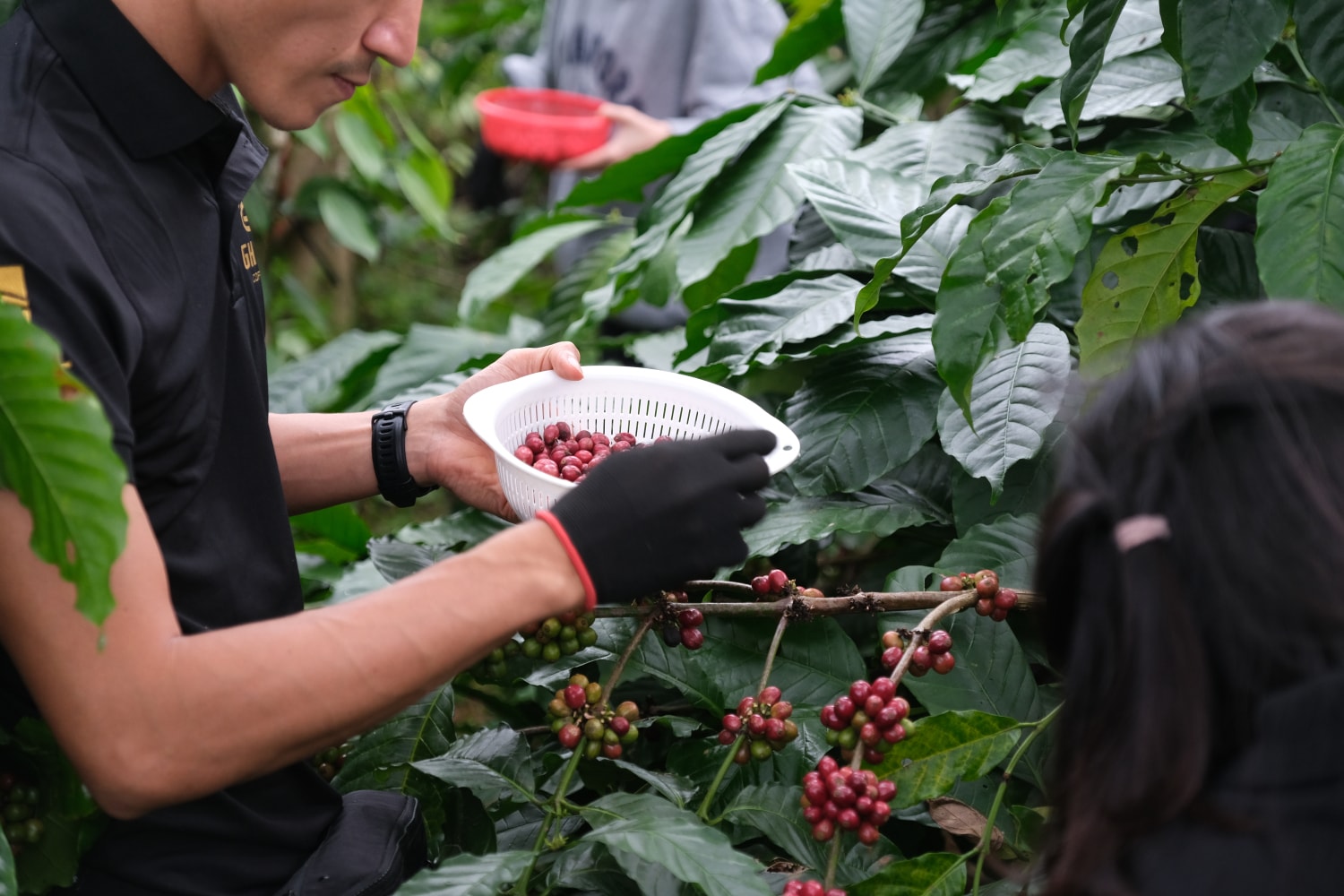
Coffee prices today, August 2nd, 2025: Rising to reach 100,000 VND.
Today, August 2nd, domestic coffee prices are at 99,800 - 100,000 VND/kg. Domestic coffee prices continue to rise, reaching the important 100,000 VND/kg mark compared to yesterday. In the Central Highlands, coffee yields have decreased, and replanting and plant care are facing difficulties due to increased input costs.
Domestic coffee prices today
Domestic coffee prices in the Central Highlands region continued to rise today, August 2nd, fluctuating between 99,800 and 100,000 VND/kg.
Accordingly, traders in Lam Dong province (formerly Dak Nong) are buying coffee at 100,000 VND/kg, a slight increase of 300 VND/kg compared to yesterday.
Similarly, the price of coffee in Dak Lak province is 100,000 VND/kg, an increase of 300 VND/kg compared to yesterday.
Coffee prices in Gia Lai province increased by 300 VND/kg compared to yesterday and are trading at 99,800 VND/kg.
Meanwhile, in Lam Dong province, specifically in Ward 1 of Bao Loc, Hoa Ninh commune, Duc Trong commune, and Dinh Van Lam Ha commune, the price of coffee increased by 300 VND/kg compared to yesterday, reaching 99,800 VND/kg.
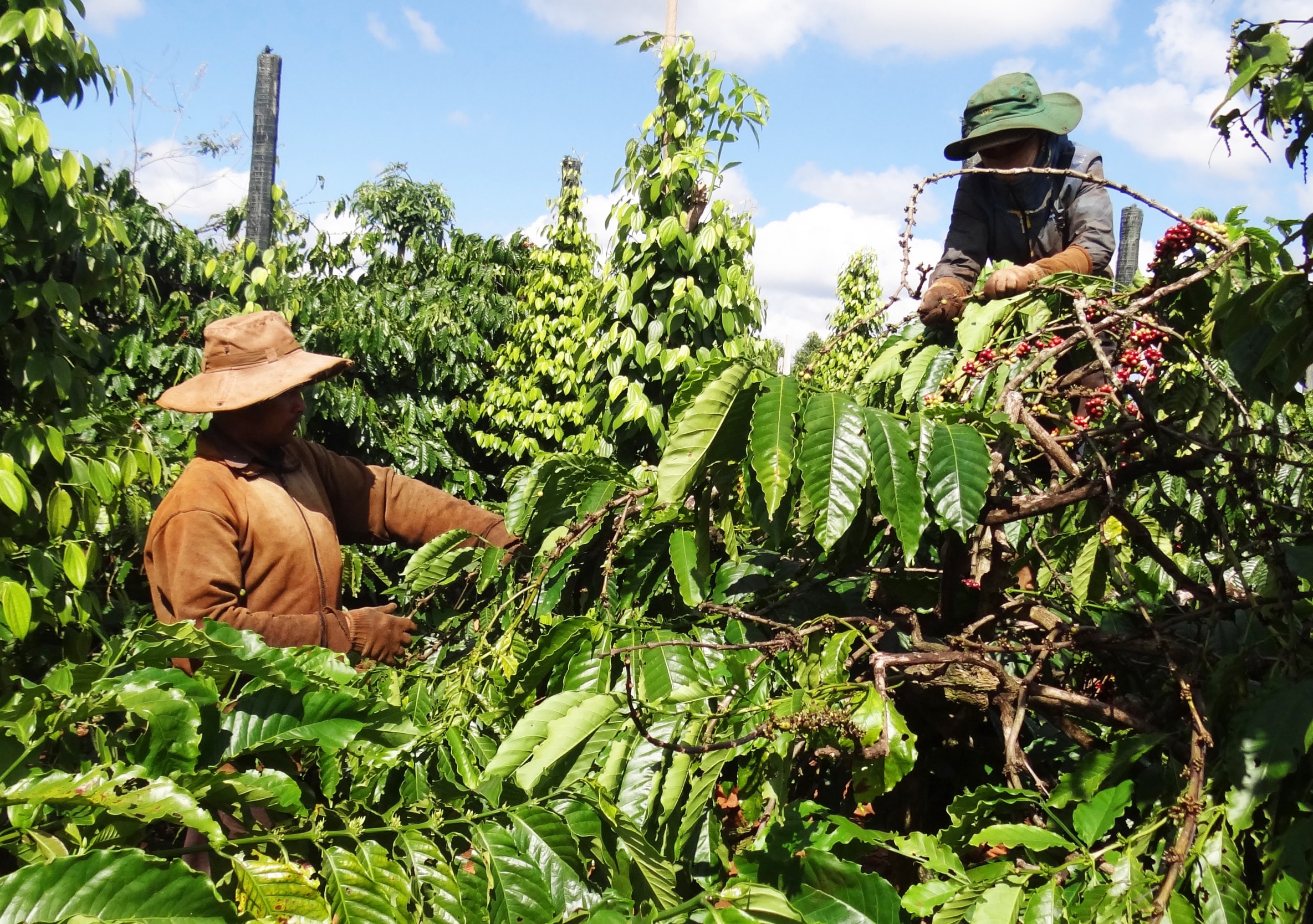
Coffee prices are rising sharply due to a combination of factors, from unfavorable weather to cost pressures and trade volatility. Prolonged heatwaves since the beginning of the year have hampered coffee plant growth, significantly reducing domestic production. This situation has driven domestic coffee prices up steadily over the past several months.
Vietnam, the world's largest exporter of Robusta coffee, faces a sharp decline in the 2024-2025 crop year due to drought caused by the El Niño phenomenon. In the Central Highlands, coffee yields have decreased, and replanting and plant care are facing difficulties due to rising input costs. Domestic coffee inventories and those at export ports have fallen to record lows, failing to meet market demand.
The international market also contributed to the sharp rise in coffee prices. Investment funds and traders aggressively bought coffee futures contracts, expecting prices to continue rising as information about supply shortages continued to emerge. This speculative activity caused coffee futures prices to surge, leading to significant fluctuations in spot prices both domestically and internationally.
Domestically, export businesses are under immense pressure. Coffee export prices increased by nearly 50% in the first four months of 2025, forcing businesses to rush to procure raw materials to fulfill orders. Limited supply created a "buying frenzy" at the farms, driving up coffee purchase prices rapidly and further energizing the domestic market.
World coffee prices today
On the London exchange, online robusta coffee futures contracts for September 2025 closed this morning's trading session (August 2nd) at $3417 per ton, up 0.47% ($16 per ton) from yesterday's session; contracts for November 2025 increased 0.15% ($5 per ton), reaching $3336 per ton.
On the New York Stock Exchange, compared to yesterday, the price of Arabica coffee futures for September 2025 delivery decreased by 1.2% (3.55 US cents/pound), to 292.25 US cents/pound; the contract for December 2025 delivery decreased by 1.07% (3.1 US cents/pound), reaching 285.6 US cents/pound.
US President Donald Trump announced plans to raise reciprocal tariffs on Brazilian coffee from 10% to 50%, prompting producers to seek ways to mitigate the impact on coffee prices. This decision has raised concerns about a new price surge in the US coffee market.
According to the U.S. Bureau of Labor Statistics, the price of roasted coffee in June 2025 increased by 12.7% year-on-year, while instant coffee prices rose by 16.3%. Currently, a pound (0.45 kg) of ground coffee costs an average of $8.13, an increase of more than $1 in just six months. This situation puts significant pressure on consumers and businesses.
The United States relies almost entirely on imported coffee, with Brazil supplying about one-third of its total consumption. Domestic coffee production from Hawaii and Puerto Rico accounts for less than 1% of demand. In addition, some small regions in California also produce coffee, but not enough to meet market needs.
World coffee prices have fluctuated sharply in recent years due to several factors. The Covid-19 pandemic, droughts, and high temperatures from climate change have caused crop failures in Brazil, leading to supply shortages. The latest US tariff increase has further strained the coffee market, pushing prices even higher.