
Pepper prices today, July 18, 2025: Maintaining high levels.
Today, July 18th, domestic pepper prices are at 138,000 - 140,000 VND/kg, maintaining a high level compared to yesterday. Despite a supply shortage, weak demand is preventing a significant price increase for pepper.
Domestic pepper prices
Today's pepper prices in key growing regions remain high compared to yesterday. As a result, the average domestic pepper price is between 138,000 VND/kg and 140,000 VND/kg.
In the Central Highlands region, today's pepper price in Dak Lak remains high compared to yesterday, currently at 140,000 VND/kg.
Today's pepper price in Gia Lai remains unchanged compared to yesterday, currently at 138,000 VND/kg.
Today's pepper price in Lam Dong remains unchanged compared to yesterday, currently at 140,000 VND/kg.
In the Southeast region, the price of pepper in Ho Chi Minh City today is 139,000 VND/kg, unchanged from yesterday.
In addition, the price of pepper in Dong Nai today remains unchanged compared to yesterday, currently at 139,000 VND/kg.
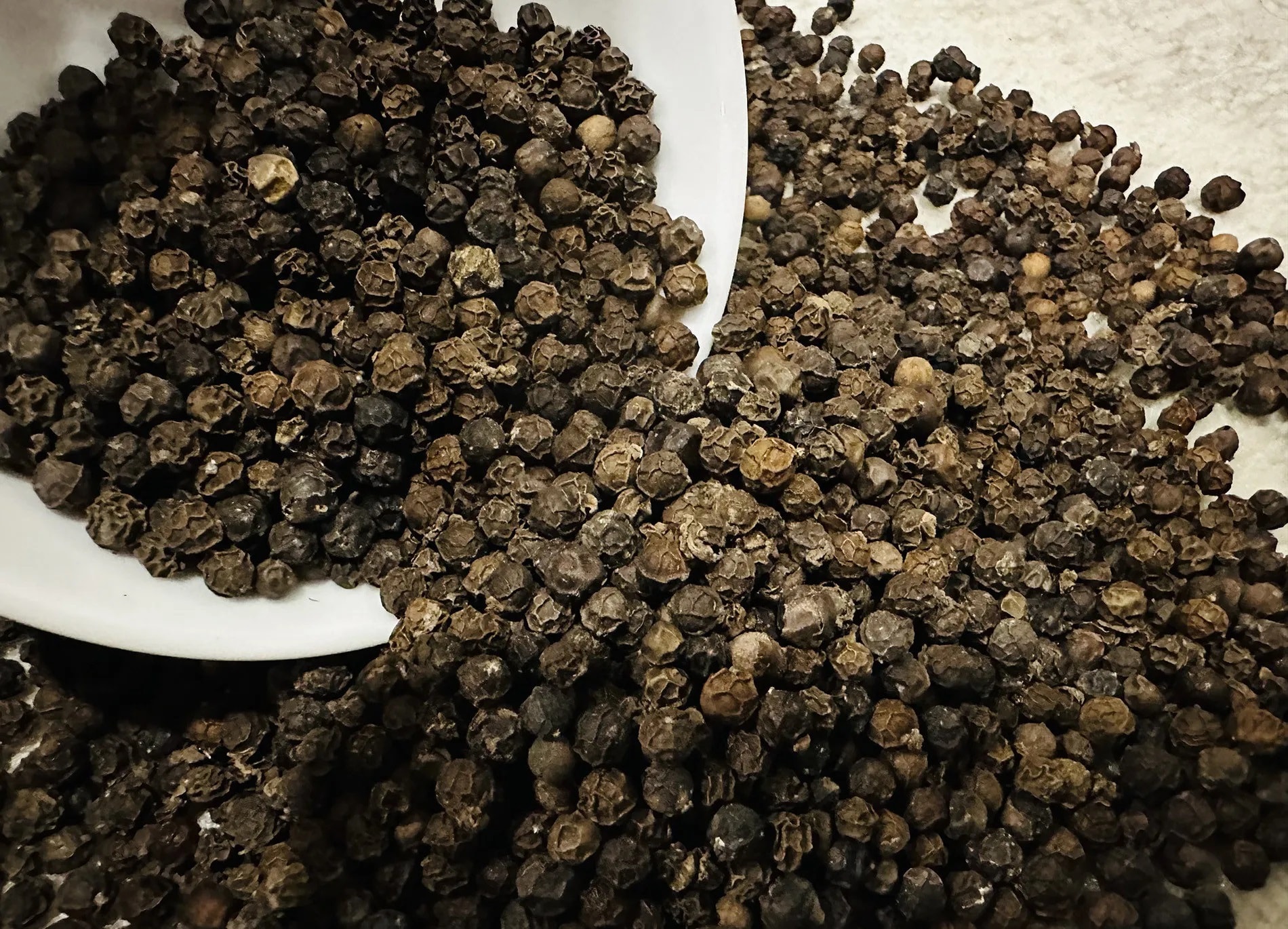
The Vietnam Pepper and Spice Association (VPSA) has announced that it has submitted a petition to the Ministry of Agriculture and Environment regarding the difficulties businesses are facing in obtaining food safety certificates for exported plant-based products, especially spices.
From July 1, 2025, the issuance of these certificates will be assigned to provincial-level agencies in accordance with Circular No. 12/2025/TT-BNNMT. However, the new regulations do not fully inherit the previous guidelines from Circular 44/2018/TT-BNNPTNT, causing confusion in implementation in many localities and leading to delays in issuing certificates.
This delay has created numerous difficulties for export businesses. Goods cannot be cleared through customs on time, affecting contract schedules and causing financial losses for businesses.
In particular, businesses in the spice industry are facing a major obstacle as they are unable to meet certification requirements from export markets such as the EU in a timely manner. This not only hinders exports but also disrupts the supply chain, affecting raw material procurement and processing plans, and diminishing credibility with international partners.
Today's pepper prices (July 18th) on the world market.
On the world market, based on quotations from exporting companies and export prices in various countries, the International Pepper Association (IPC) has updated the prices of various types of pepper traded on the international market on July 17th (Hanoi time) as follows:
Indonesian Lampung black pepper prices fell slightly compared to yesterday, reaching US$7,222/ton (down 0.04%). Additionally, Muntok white pepper prices also decreased slightly compared to yesterday, reaching US$10,066/ton (down 0.05%).
The price of Brazilian ASTA 570 black pepper decreased slightly compared to yesterday, standing at $5,750 per ton (down 0.86%).
Malaysian ASTA black pepper prices remained unchanged from yesterday at US$8,900/ton. Additionally, the price of ASTA white pepper from the same country remained stable at US$11,750/ton.
Prices of various types of Vietnamese pepper remained stable compared to yesterday. Specifically, the price of Vietnamese black pepper (500 gr/l) reached US$6,440/ton; and the price of black pepper (550 gr/l) reached US$6,570/ton.
Similarly, the price of Vietnamese white pepper remained unchanged compared to yesterday, at $9,150 per ton.
On the global market, major importers such as the US and the EU are currently postponing purchases due to the lack of a final decision on the 50% countervailing duty on Brazilian pepper. This waiting period has slowed international trade and pushed global inventories to low levels.
In major exporting countries such as India, Indonesia, and Malaysia, pepper prices have remained relatively stable. This reflects a cautious sentiment, awaiting clearer market signals.
Despite supply shortages, weak purchasing power is preventing pepper prices from breaking through. Domestically, many businesses remain cautious about buying and are waiting for further signals from key markets such as China and Europe. If major importers return in the fourth quarter, pepper prices are expected to rise again.
The Vietnamese pepper industry is currently facing numerous challenges due to climate change, rising production costs, and increasingly stringent technical barriers from export markets. In this context, the industry needs to shift from a mass production model to a sustainable development approach, focusing on improving product quality.
With global pepper production projected to continue declining in 2025, Vietnam has a great opportunity to strengthen its export position. Advantages in quality, reputation, and the ability to produce clean pepper will be the foundation for the industry's development. Currently, many large enterprises have begun investing in processing plants and establishing organic raw material areas, creating a solid foundation for a sustainable pepper value chain in the future.


