
Pre-packaged seasonings: Convenient but beneficial?
You should avoid using unlabeled and unbranded processed spices of unknown origin, as they pose many potential health risks.
In the past, to make authentic braised pork, beef in red wine sauce, or beef curry, home cooks often used many natural ingredients, making the marinating process laborious and time-consuming.
But nowadays, all those steps are conveniently packaged in ready-made seasoning mixes, which housewives find very practical. You just buy meat or fish, add the pre-made seasoning mix, and you have the dish you want.
|
| Packaged, ready-made spices may not necessarily be good for your health (image for illustrative purposes only). |
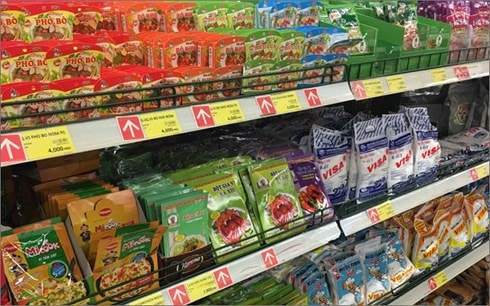
It's safe to say that processed spice products have never been as prevalent as they are today, ranging from liquid to tablet or dry forms, making cooking much easier for housewives. However, most consumers only notice how the flavor of these spices closely resembles that of natural spices, and few pay attention to the quality and safety of these products.
The market is currently flooded with various unlabeled spices, lacking expiration dates and originating from China but labeled as Vietnamese products.
Associate Professor Bui Quang Thuat, Deputy Director of the Institute of Food Industry (Ministry of Industry and Trade), warned: It is not advisable to use unlabeled and unverified processed spices because they pose many potential health risks.
Even with spices that many consider beneficial, such as the herbal spice mix used for braising chicken, mold can easily grow if storage conditions are not properly controlled in terms of temperature and humidity. Among these are dangerous molds like Aspergillus flavus and Aspergillus parasiticus, which contain aflatoxin, a carcinogen that causes liver cancer. These types of mold thrive in the humid weather conditions of our country.
Furthermore, when producing many types of "handmade" spices, people often add additives and synthetic flavorings that are not permitted or are used in incorrect quantities, posing a high risk of poisoning.
Associate Professor Bui Quang Thuat advises that it is best to use fresh ingredients, ensuring food safety and hygiene, or spices with clear labels and origins that have been quality tested.
Spices are only supplementary ingredients for dishes; they cannot replace the ingredients themselves, nor can they replace the protein and carbohydrates found in fish, meat, and beans, so don't overuse them. Consumers should equip themselves with the necessary knowledge to have meals that are not only delicious but also healthy.


