
Quynh Di's Fragrant Drop
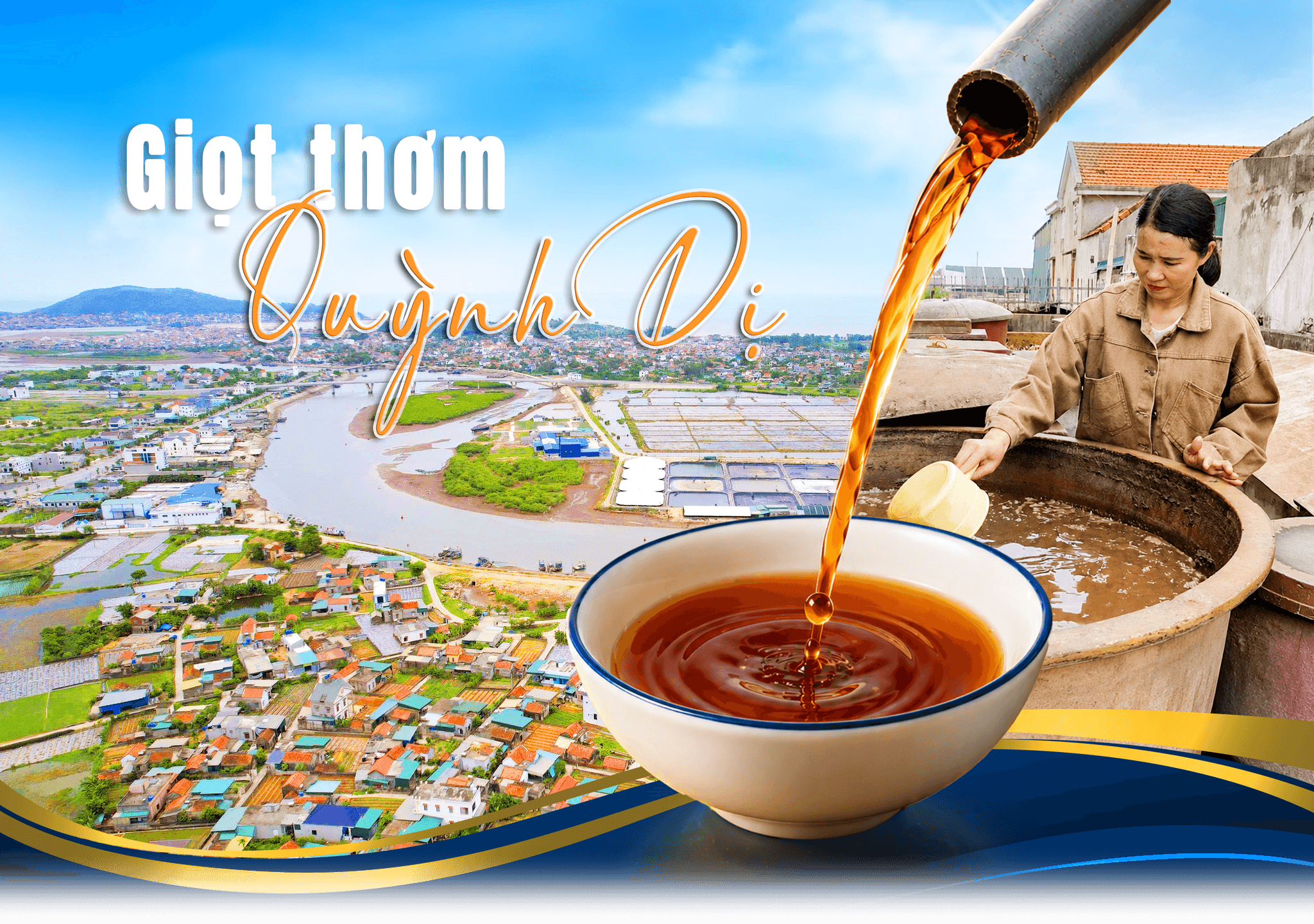
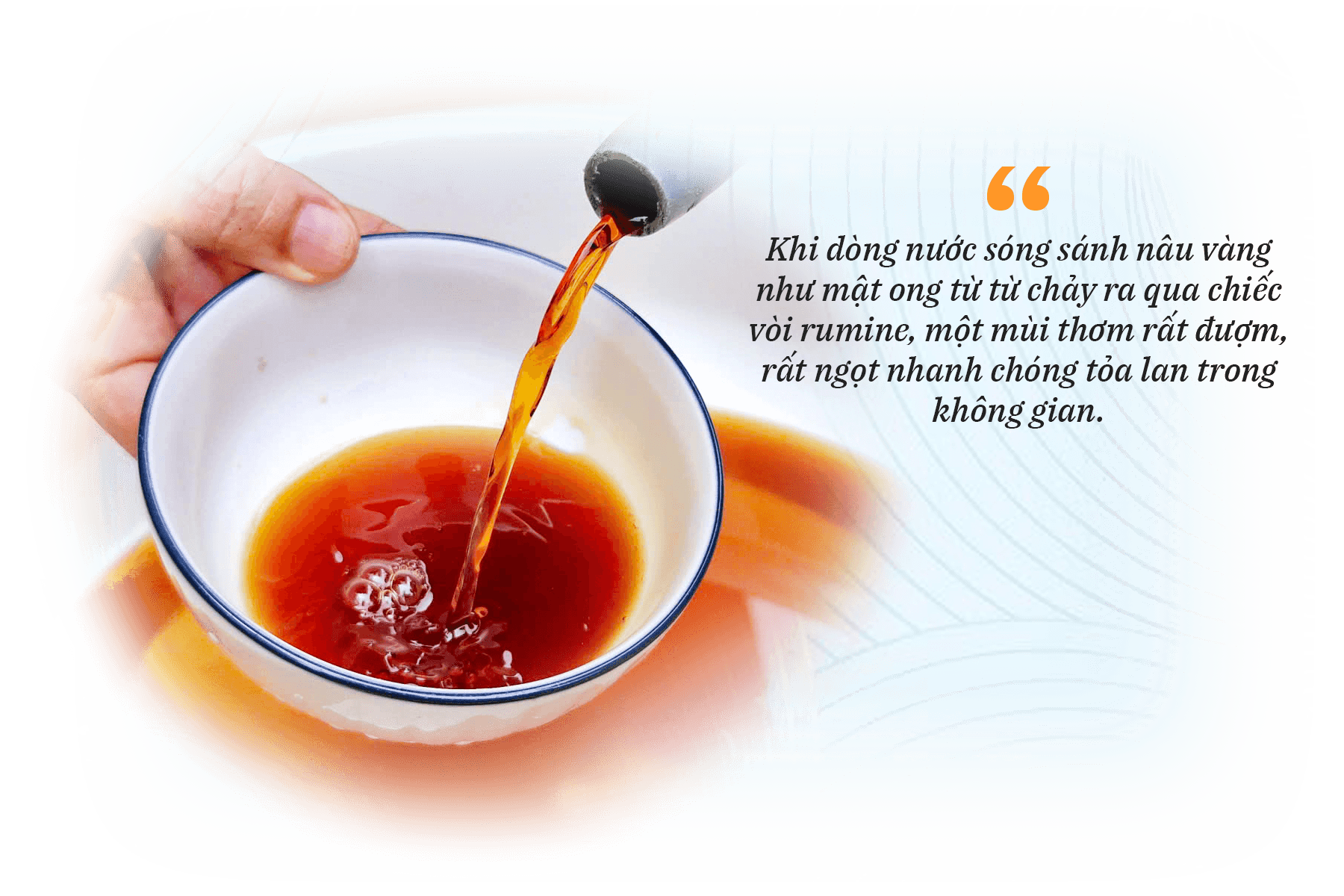
As the shimmering, golden-brown liquid, like honey, slowly flows out through the rumine spout, a rich, sweet aroma quickly permeates the air. What I'm talking about is the essence distilled from sea fish, salt, sun, wind, and centuries of accumulated experience from the people of Phu Loi village, Tan Mai ward: Quynh Di fish sauce!
Content:Nhat Lan |Design:Huu Quan• July 25, 2026
As the shimmering, golden-brown liquid, like honey, slowly flows out through the rumine spout, a rich, sweet aroma quickly permeates the air. What I'm talking about is the essence distilled from sea fish, salt, sun, wind, and centuries of accumulated experience from the people of Phu Loi village, Tan Mai ward: Quynh Di fish sauce!

With nearly 83km of coastline, Nghe An province has many villages in its former districts and towns such as Hoang Mai, Quynh Luu, Dien Chau, Nghi Loc, and Cua Lo that specialize in fish sauce production. Although distilled from the same main ingredients of sea fish and salt, the fish sauce of each region possesses its own unique characteristics, something to be proud of. Quynh Di fish sauce, with its core being the traditional craft village of Phu Loi, is no exception.
The traditional fish sauce village of Phu Loi, as mentioned in an article on the website of the Vietnam Traditional Fish Sauce Association with the evocative title: "Quynh Di, Nghe An's specialty, aged for 2 years, fragrant, even the rich crave it" (published May 26, 2025). The article affirms that fish sauce is a specialty of Nghe An, and Quynh Di fish sauce is a prominent century-old brand. The author describes: "Along the small alleys of Quynh Di village, hundreds, even thousands of earthenware jars are neatly arranged, basking in the sun. Inside, fish and salt begin their miraculous 'intermingling' process"; "After a period of at least 12 to 18 months, sometimes extending to 2 years of 'sun-drenched, sea-breeze-infused' fermentation, it truly matures. That's when the first drops of concentrated fish sauce, also known as 'fish sauce concentrate,' begin to seep out, shimmering and crystal clear."
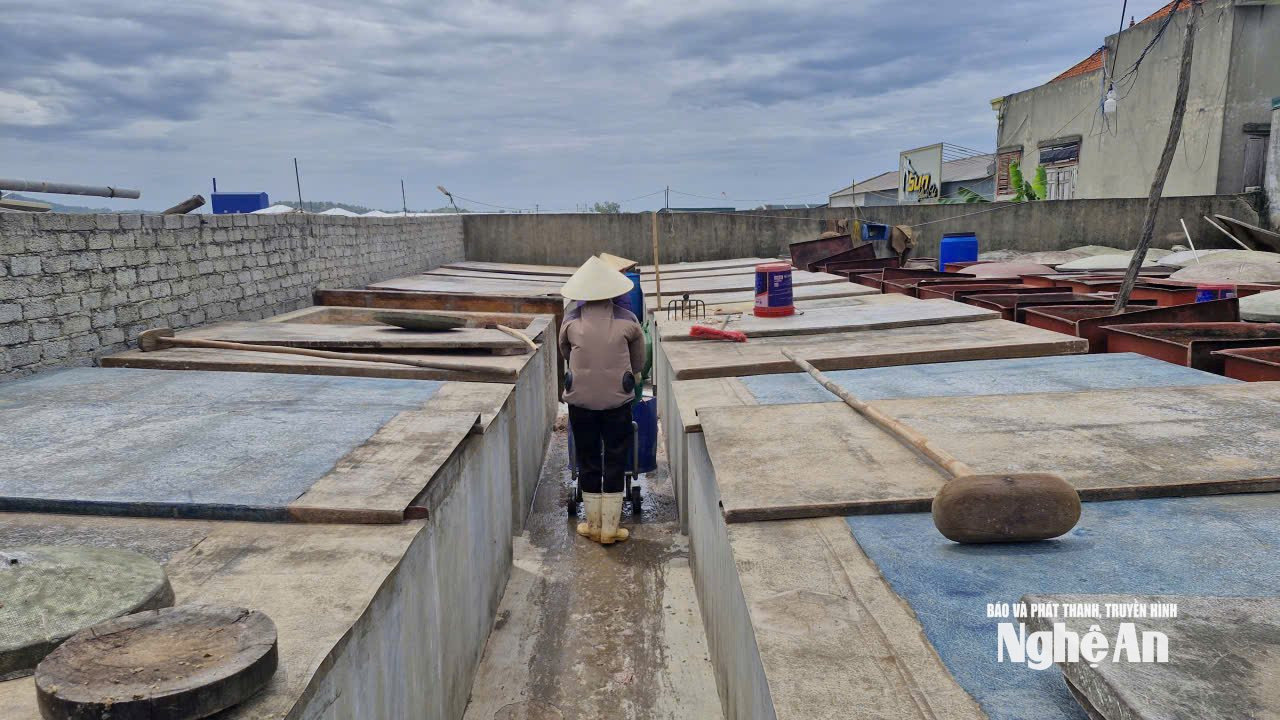
On the first day of July, following Mr. Dam Ngoc Van, a specialist from the Economic, Infrastructure and Urban Planning Department of Tan Mai Ward, I strolled along the narrow alleys of Phu Loi fish sauce village. I saw hundreds, even thousands, of large earthenware jars and composite containers—large enough for two adults to encircle—stacked neatly and drying in the sun within the yards of the households lining these small alleys. And the people of Phu Loi village were diligently working in their age-old fish sauce making craft.
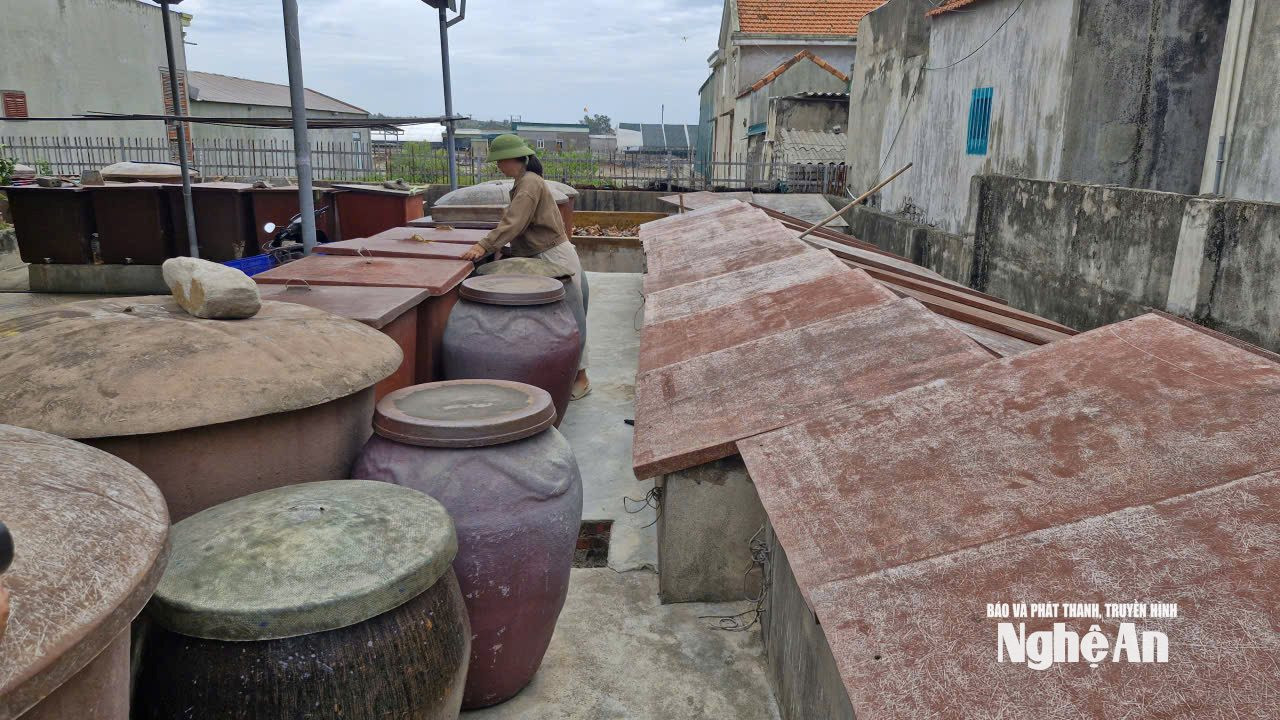
While touring the grounds of several households, we stopped at the Do Tuat fish sauce production facility owned by Mr. Nguyen Van Do and Ms. Tran Thi Tuat. The production facility occupies two spacious courtyards, each approximately 300 square meters.2The place is very clean, with about 70-80 earthenware jars and composite barrels with sturdy lids, plus a small annex for bottling and storing the finished fish sauce. When Ms. Tuat learned that visitors had come to the facility to inquire about the craft, she happily explained that it's a trade passed down from her grandparents to her parents, though she doesn't know exactly how many years it's been. "I was born into a family that already makes fish sauce. The families in the village do too. My paternal family also makes fish sauce, and now the children are continuing the family business..." - Ms. Tuat shared about her family's fish sauce making tradition.
Quynh Di, like everywhere else, makes fish sauce from the main ingredients of fish and salt. The difference is that Quynh Di is located near the sea and has a fleet of 40 fishing boats specializing in catching seafood for fish sauce production. This allows the locals to select high-quality ingredients and avoid using mixed fish. The types of fish chosen for the ingredients are not numerous, mainly focusing on black scad, small anchovies, eels, and herring. Among these, black scad is the most preferred because it yields a high quantity of fish sauce with good quality. Ms. Tuat's husband, Mr. Nguyen Van Do, is a fisherman whose family's trawling boat has become the main source of raw materials for his wife's fish sauce production. Thanks to this, although they still have to buy additional ingredients from outside, Ms. Tuat's facility primarily produces fish sauce from black scad.
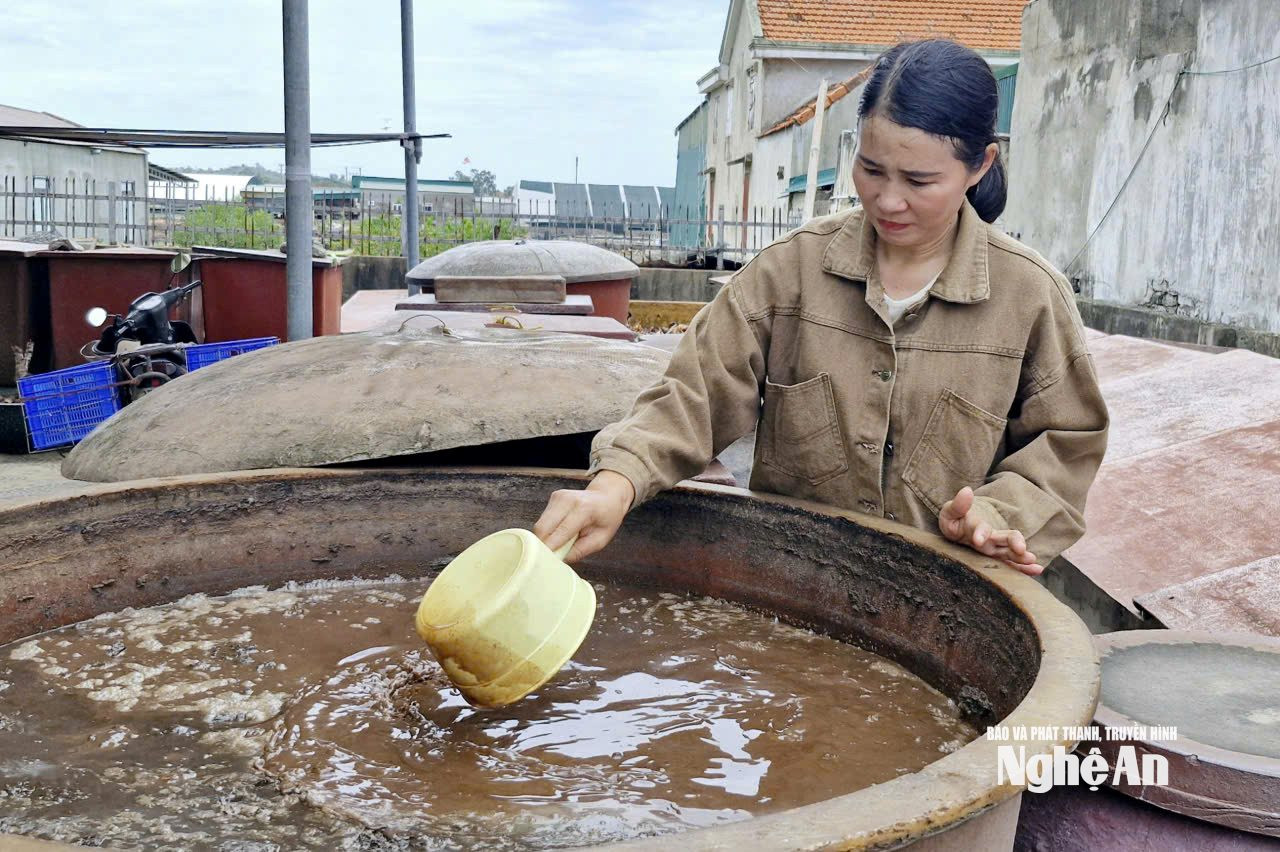
The Quỳnh Dị fish sauce making village has hundreds of participating households, but they all share the common characteristic of producing fish sauce with a rich, sweet flavor and a very appealing aroma. According to Ms. Tuất, in addition to the main ingredients of fish and salt, they also add roasted rice, corn, or soybeans. “The fish is fermented with salt and roasted rice, carefully pressed down for 12-18 months (depending on the fermentation vats). During that very long time, sunlight falls on the fish, cooking it. Thanks to the sun and wind, the fish, salt, and roasted rice crystallize, resulting in a very sweet and fragrant fish sauce,” Ms. Tuất said proudly.
And to prove her point, Ms. Tuat chose fish sauce from a composite barrel used for fermenting black anchovies for 18 months under the sun and wind. As the shimmering, golden-brown liquid, like honey, slowly flowed out through the tap, a rich, sweet aroma quickly spread throughout the space...

In Phu Loi craft village, I was a little surprised to find that although the fish sauce here is of very high quality, it's rare to find a producer with their own brand. When I inquired, they subtly explained that creating a private label isn't easy. Furthermore, according to them, Quynh Di fish sauce has long since expanded beyond Nghe An province, with traditional customers in neighboring provinces, which suits the production capacity of individual households.
According to Ms. Tran Thi Tuat, the Do Tuat fish sauce production facility already has traditional customers from Thanh Hoa, Ha Tinh provinces, and Hanoi. Regarding private labeling, she said that five years ago, when Phu Loi was recognized as a traditional craft village, she wanted to establish a private label, but after researching the regulations, she found some criteria that were difficult for households to meet. “We understand that having our own private label will make our fish sauce more widely known and expand the market. However, this is quite difficult for our family's capabilities…” Ms. Tuat explained.
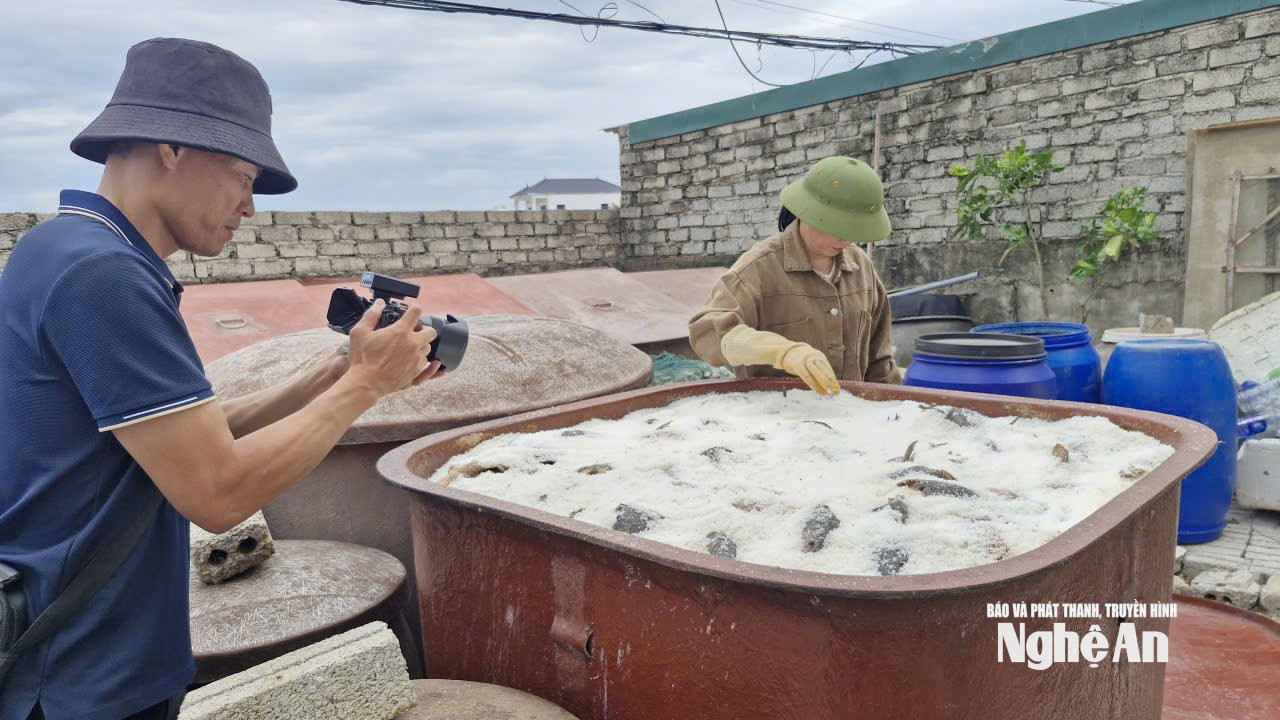
Through Mr. Dam Ngoc Van, a specialist from the Economic, Infrastructure and Urban Planning Department of Tan Mai Ward, I understood the difficulties faced by households producing fish sauce in Quynh Di. In 2019, the Provincial People's Committee allowed the use of the place names "Quynh Di" and "Phu Loi" to register the certification mark "Quynh Di Fish Sauce - Phu Loi Craft Village" for fish sauce produced in Quynh Di commune, Hoang Mai town (formerly). However, due to strict regulations at the time, very few households met the criteria to establish the brand. "The regulations have changed, but many people are still unaware and have the same misconceptions..." Mr. Dam Ngoc Van explained.
According to Mr. Dam Ngoc Van, after transitioning to a two-tiered local government system, despite being very busy, the ward has decided to pay attention to the fish sauce production activities of the people in Phu Loi fish sauce village. Specifically, they have researched and proposed to the higher authorities to allow Tan Mai ward to plan and invest in the construction of an industrial zone and fisheries logistics areas. The goal is to move fish sauce production facilities to a centralized location, ensuring food safety and hygiene standards, environmental protection, etc. From there, plans will be made to help the facilities build brands, promote their products, and help the Quynh Di fish sauce brand become known to markets both within and outside the province.
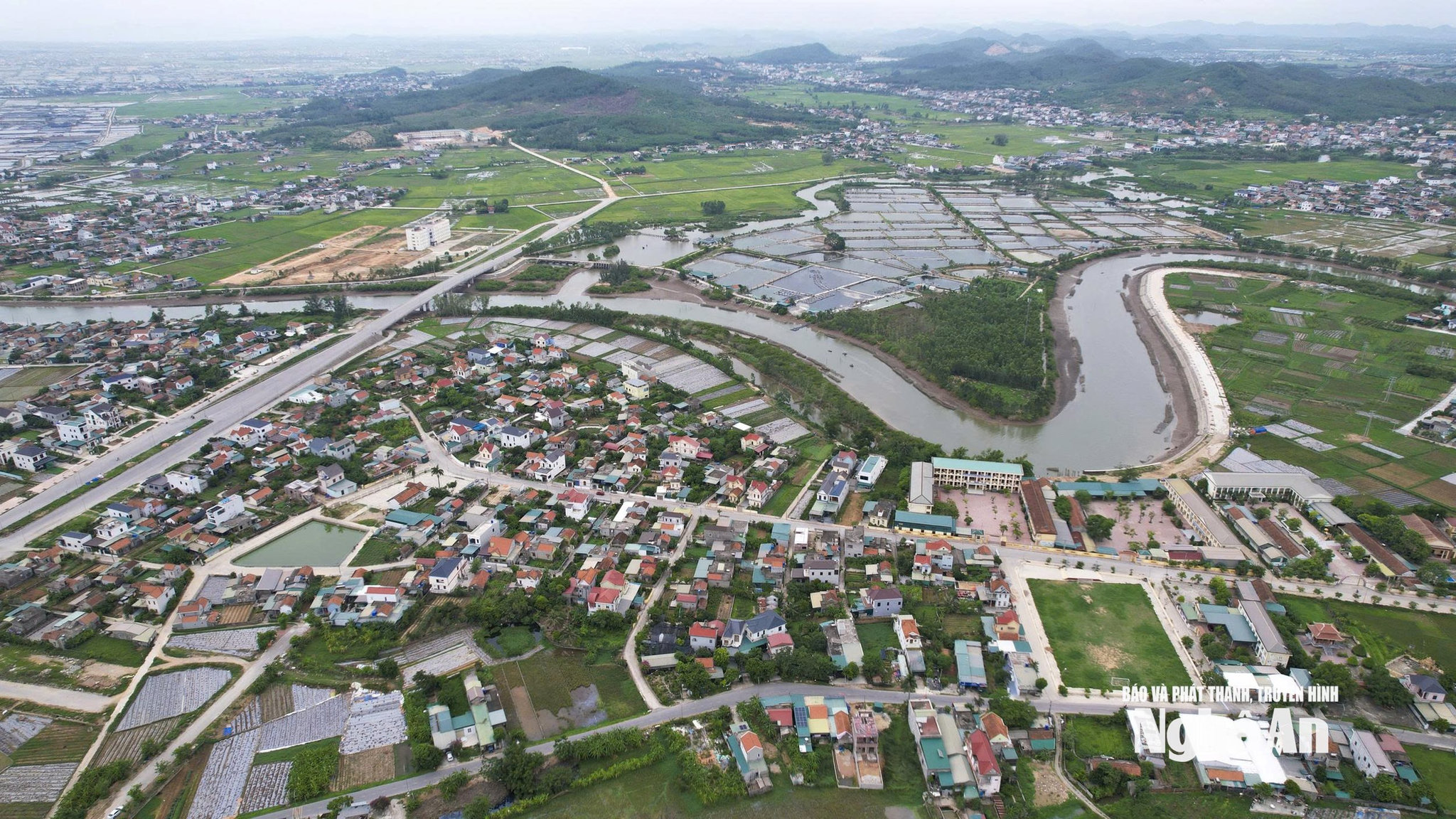
Leaving Phu Loi fish sauce village, I contacted the Chairwoman of the Tan Mai Ward People's Committee, Ms. Nguyen Thi Huong, who explained that the ward's Party Committee and government are proud to have Quynh Di fish sauce, a product that has been recognized for many years and acknowledged as a traditional craft village by the Provincial People's Committee. Therefore, the ward's Party Committee and government will pay attention to and invest in ensuring that in the near future, the technical infrastructure for fish sauce production is properly maintained. The ward will also connect with and assist businesses in building brands, promoting their products, and expanding their markets... so that Quynh Di fish sauce can continue to reach further.


