
Hanoi bans gasoline-powered vehicles: Prime location for building charging stations.
Hanoi is accelerating the construction of electric vehicle charging stations at key locations within Ring Road 1, in preparation for a ban on gasoline-powered motorcycles from July 1, 2026.
To meet the growing demand for electric vehicles and support the transportation transition, Hanoi has surveyed four prime locations with the potential to become large-scale charging stations and parking lots:
1. Tran Khat Chan route (Bach Mai – Lac Nghiep section):
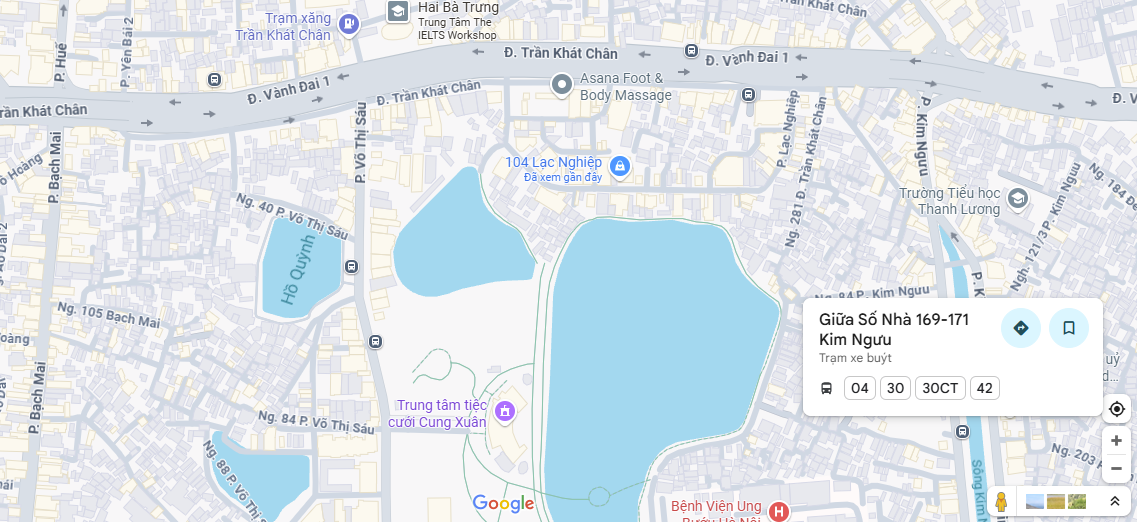
A section of sidewalk and vacant land over 500 meters long along this road is being studied for conversion into a parking lot combined with a charging station. Currently managed by the Hanoi Parking Lot Management Company, this area promises to optimize the existing space to serve the public.
2. Xa Dan – Giai Phong intersection (in front of Vietnam Maritime Corporation):
.png)
With its large area, this location has the capacity to park hundreds of vehicles and install multiple charging stations. It is considered the largest parking lot among the surveyed locations and could also serve as a parking area for gasoline-powered motorbikes for residents before entering the city center.
3. Vacant land from numbers 621 – 768 De La Thanh Street:
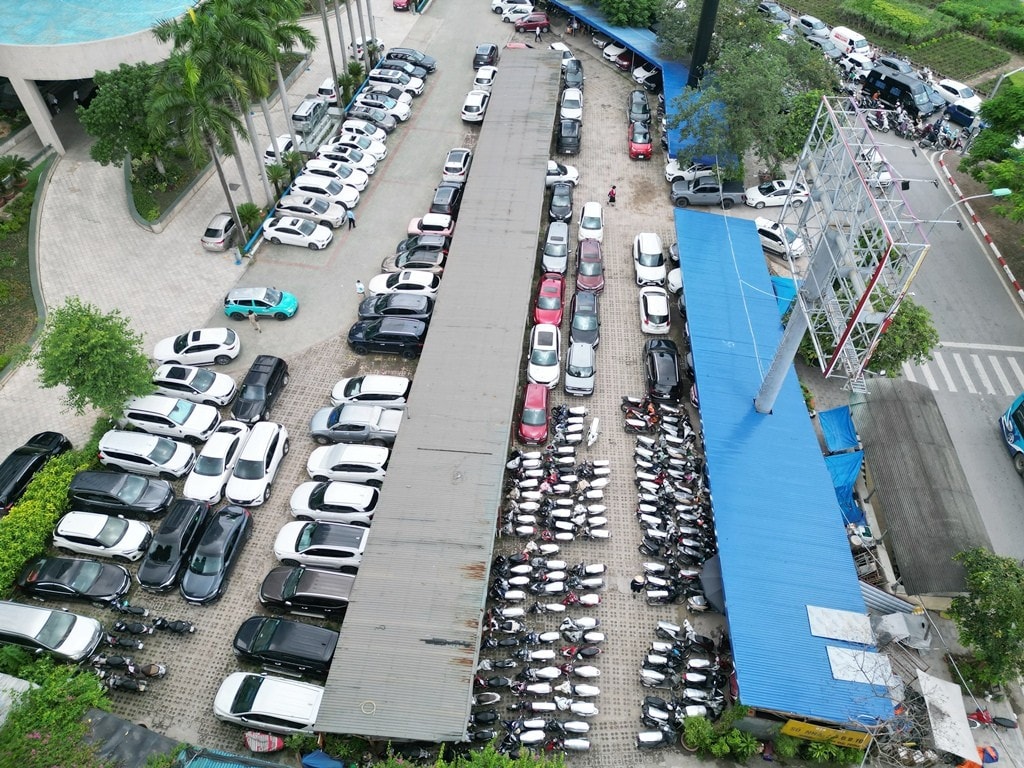
Currently, this parking lot meets the requirements for installing a charging station/pole, serving both cars and motorcycles. The spacious area allows for simultaneous parking and charging needs.
4. The intersection of De La Thanh – Kim Ma – Cau Giay (near the Russian Embassy):
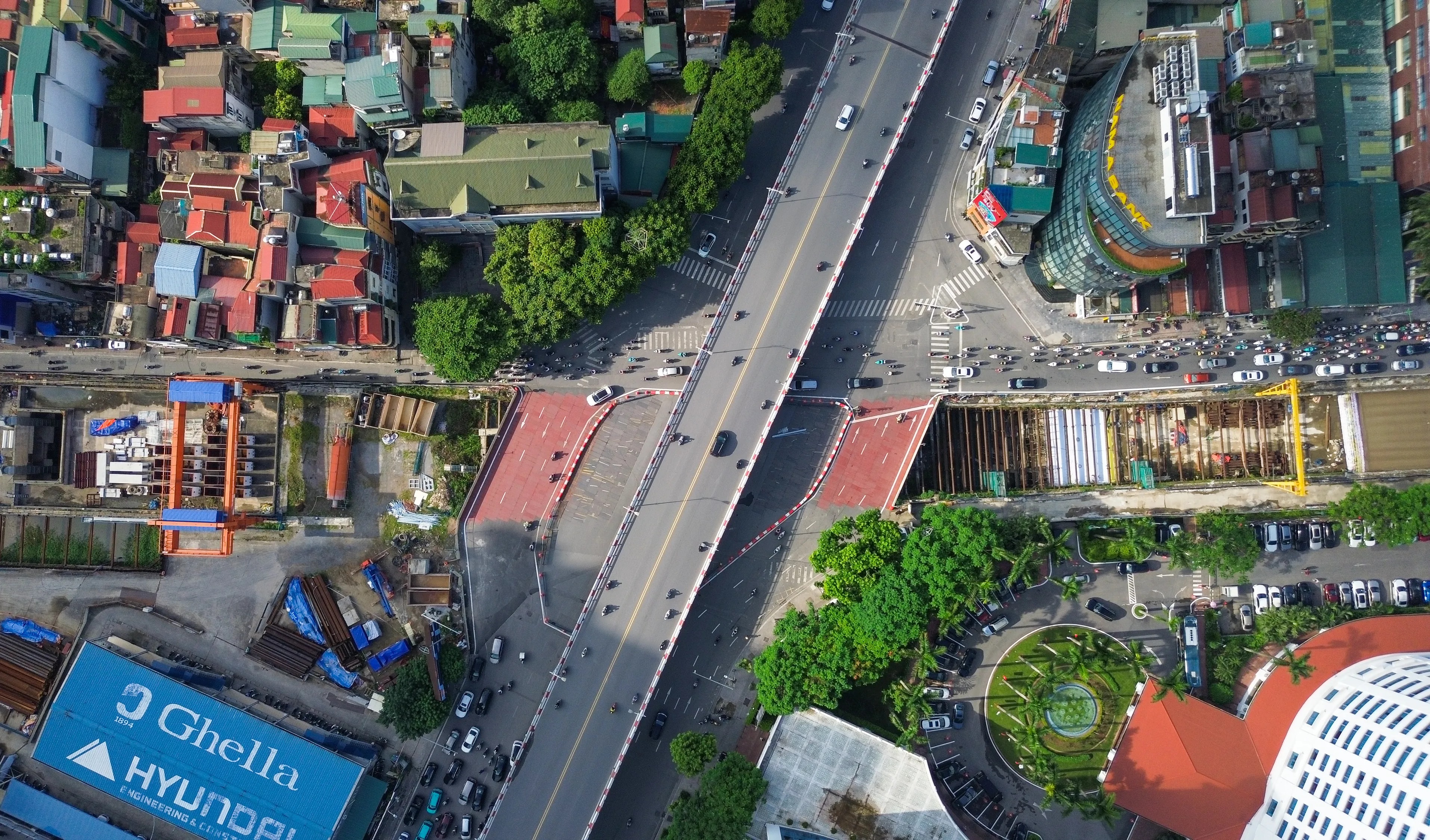
Located near government offices, schools, hospitals, and especially the elevated railway station – a major passenger transit hub – this location has been licensed as a parking lot and is expected to have additional charging stations to serve future vehicle conversion needs, anticipating the green transportation trend.
According to statistics, the area within Ring Road 1 currently has nearly 450,000 motorbikes, accounting for more than 6% of the total number of motorbikes in the entire city. Hanoi is promoting the policy of switching to green vehicles, and building a network of charging stations early on is considered a key factor.
This infrastructure not only helps people adapt to the new policy of banning gasoline-powered vehicles but also encourages the use of electric vehicles, contributing to the reduction of air and noise pollution in the inner city area.


