
South Korea officially passes law banning the consumption of dog meat.
(Baonghean.vn) - According to Reuters, the South Korean National Assembly passed a bill on January 9th banning the consumption and sale of dog meat. This move officially prohibits a controversial practice that has existed for centuries, amidst growing support among South Koreans for animal rights.
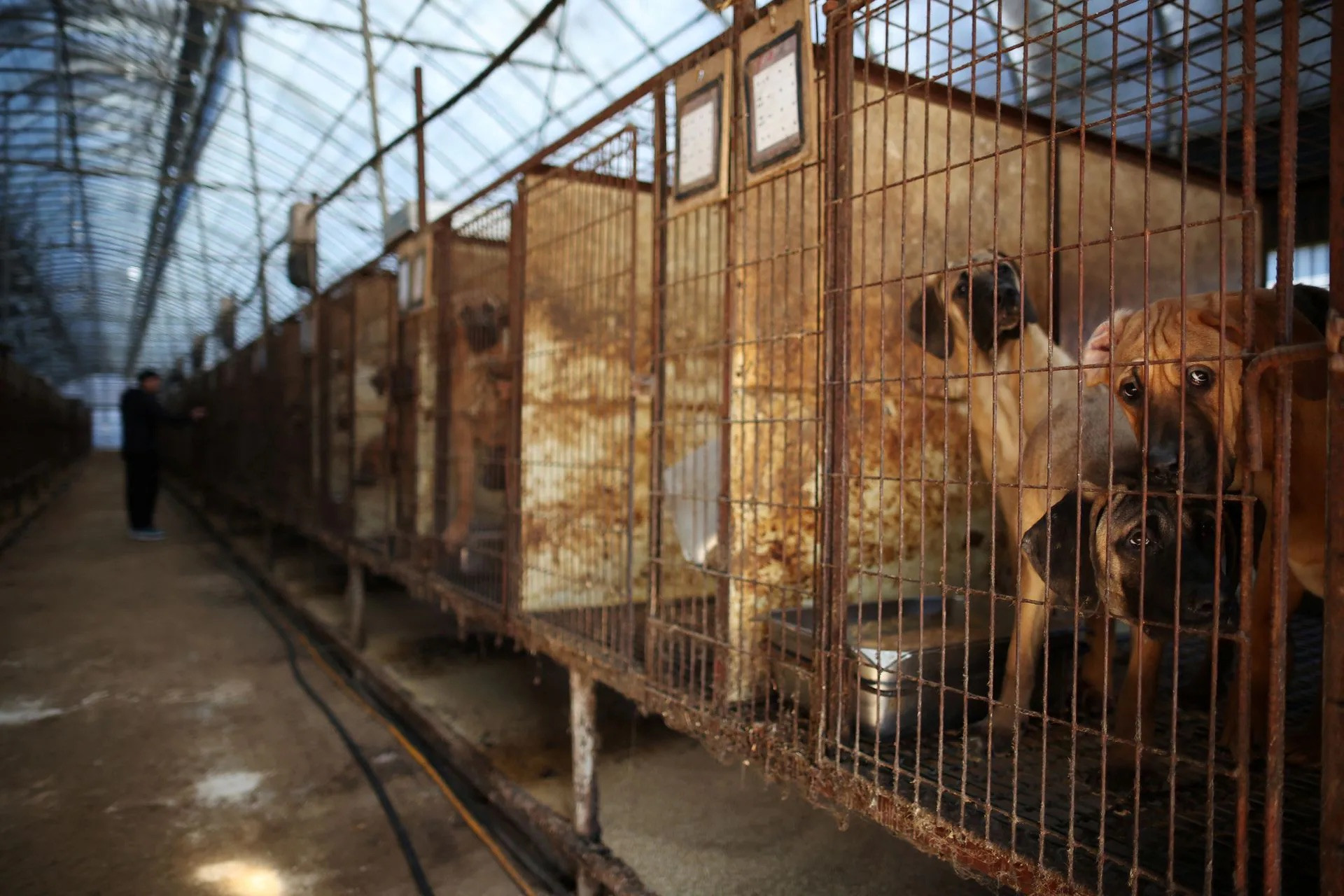
Eating dog meat was once considered a way to boost stamina during the hot, humid summers in South Korea. But now, this practice is gradually fading – now mainly only some older people still eat dog meat – amid a growing number of South Koreans who consider dogs as family pets and increasing criticism of dog slaughter.
Although dog breeders and meat traders claim that things have changed and that dog slaughter is now more humane, support for the ban has grown under President Yoon Suk Yeol. Yoon is known to be an animal lover himself, having adopted six dogs and eight cats. Along with First Lady Kim Keon Hee, the South Korean president is a frequent critic of dog meat consumption.
Based on a proposal from the ruling party, the bill was passed with 208 votes in favor and 2 abstentions in the South Korean National Assembly, after being approved by the bipartisan Agriculture Committee on January 8.
This law will take effect after a three-year grace period. Violators will face up to three years in prison or a fine of up to 30 million won (approximately $22,800).
According to Reuters, previous attempts to ban dog meat in South Korea failed due to opposition from breeders and businesses in the sector, and the newly passed bill seeks to compensate businesses so they can switch to other products.
In November 2023, a group of about 200 people who breed dogs for consumption held a protest near the South Korean President's Office, demanding the repeal of the bill.
The South Korean Ministry of Agriculture estimates that as of April 2022, there were approximately 1,100 farms raising 570,000 dogs to supply around 1,600 restaurants.
Meanwhile, an association of dog breeders and meat traders said the ban would affect 3,500 farms raising 1.5 million dogs, as well as 3,000 restaurants in South Korea.


