
Straight lines, clear paths, united in purpose, moving forward together.
In his opening remarks at the 12th Central Committee Conference, 13th term, General Secretary To Lam affirmed that the Conference is taking place in the context of the entire Party, the entire people, and the entire army shifting from a state of "running and queuing at the same time" to "straight lines, clear paths, united in purpose, moving forward together, reaching towards the future".
Dr. Nguyen Tri Thuc • July 29, 2025
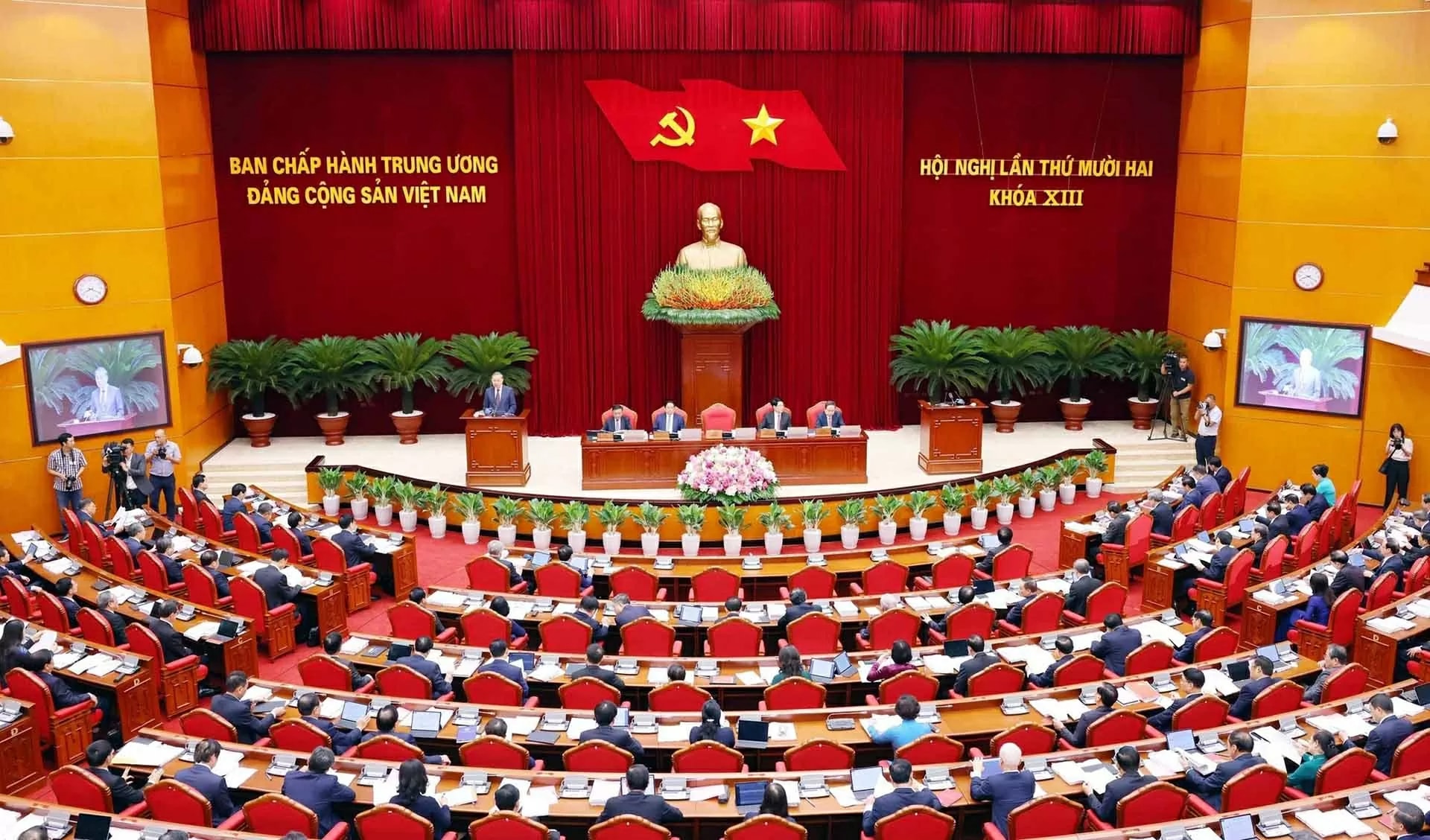
In his opening remarks at the 12th Central Committee Meeting of the 13th Party Congress, General Secretary To Lam affirmed that the meeting was taking place in the context of the entire Party, people, and army shifting from a state of "running and queuing at the same time" to "straight lines, clear paths, united in purpose, striving towards the future." This shift is very rapid, but sufficiently solid for a new phase that requires concerted efforts, high determination, and unwavering commitment to achieve a strong and prosperous future.
The entire country has been operating the two-tiered local government system for one month, in the spirit of "running and queuing at the same time." Initial difficulties and uncertainties in operating the new model have gradually been identified and promptly addressed with flexible and appropriate solutions, mobilizing resources to support administrative procedures at the grassroots level. And certainly, further efforts will continue to improve the system, aiming for smooth, efficient, and effective operation in the future.
As the two-tiered local government system came into operation, preparations for organizing the congresses of newly established commune/ward-level Party committees and for streamlining and reorganizing Party structures were carried out vigorously and urgently. Many commune-level Party congresses were successfully held, and new executive committees were appointed. Thus, the organizational structure and personnel, with clearly defined titles and positions, have been clearly defined.
In his opening remarks at the 12th Conference of the 13th Central Committee of the Communist Party of Vietnam, General Secretary To Lam expressed his sincere gratitude for the tireless efforts of the Central Committee members and all Party members in fulfilling the Party's tasks, especially those since the 11th Central Committee Conference; he thanked the entire Party for its unity and solidarity with the people nationwide in successfully completing the task of implementing the two-tiered local government system by July 1, 2025, with a new development space; ushering the nation into a new chapter in its history. After one month of operation, the entire country has shifted from a state of "running and queuing" to "straight lines, clear paths, and united progress."
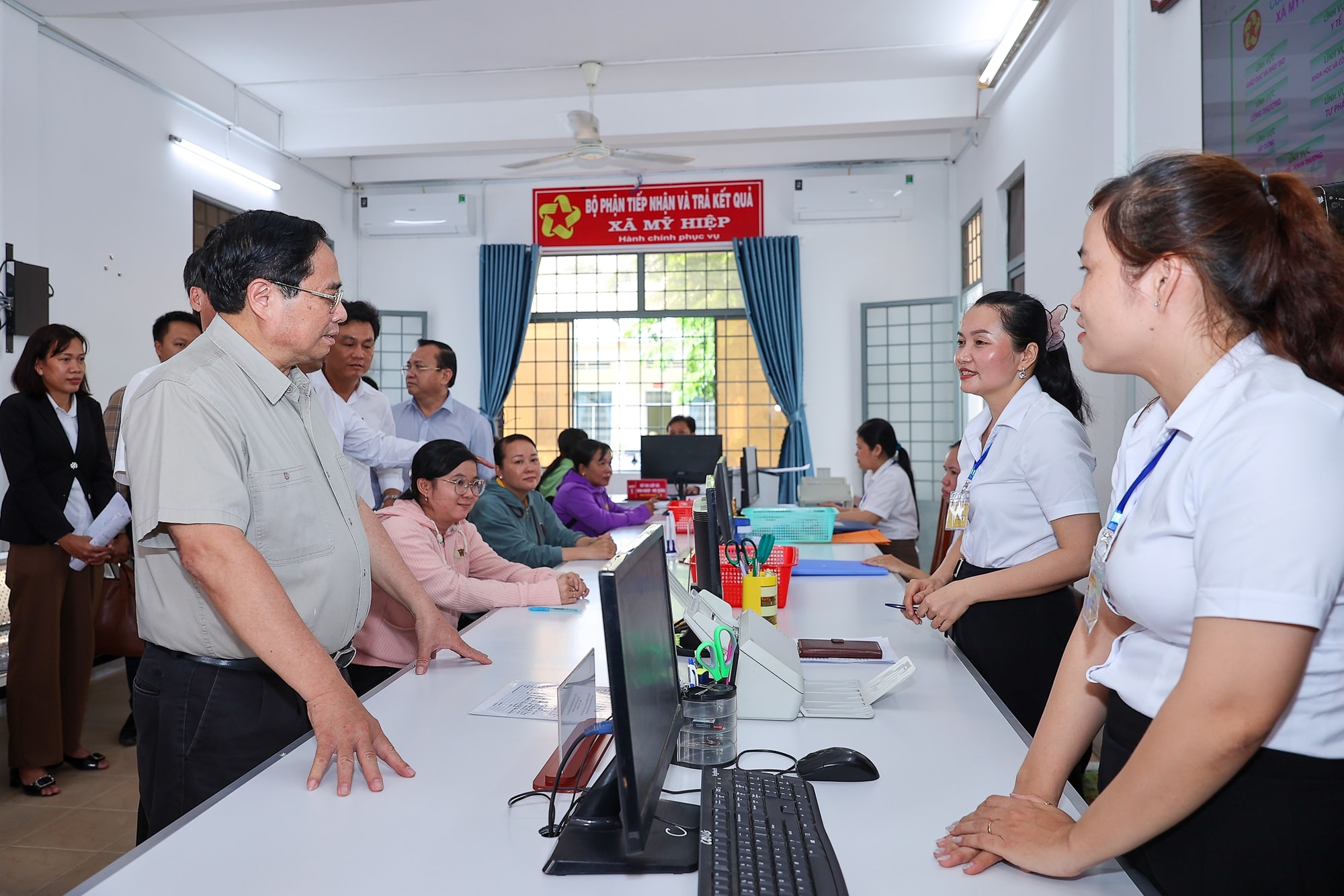
On July 21st, during an inspection of the organization and operation of the two-tiered local government system in Thoi Son border ward (An Giang province) and My Hiep commune (Dong Thap province), Prime Minister Pham Minh Chinh requested that localities continue to closely monitor the situation and implement synchronously and effectively the Central Government's policies, resolutions, and conclusions on the organization of the two-tiered local government system. Prime Minister Pham Minh Chinh emphasized the importance of creatively applying these principles to local conditions; promoting proactiveness and avoiding dependence; and promptly addressing emerging issues within their authority, reporting to higher levels in cases exceeding their authority.
The shift from a "running and queuing" approach to a "straight line, clear path, united progress" also means that, from the central government to 34 provinces and cities and 3,321 communes, wards, and special zones, the entire political and administrative system has operated in a direction of organizational restructuring, improving the quality of governance and scientific management, reducing intermediaries, eliminating overlapping functions, being closer to the people, serving the people better.
"A straight path, a clear road" also means that we have started, we have defined our path. That path, though already laid out, is certainly not easy, especially in a context without precedent, where the challenges and difficulties ahead are not easily foreseen or imagined, making it difficult to prepare effective solutions to overcome them. In that context, unity is extremely important and plays a decisive role. In the poem "The Stone" published in the Vietnam Independent Newspaper, issue 123, dated April 21, 1942, President Ho Chi Minh stated: "Knowing how to work together, knowing how to be united, even the most difficult tasks can be accomplished."
In the context of a two-tiered local government system, that "obstacle" could be the difficulties that officials and Party members face. These difficulties may stem from relocation, changes in residence, and altered daily routines. They could also arise from demotion or reduced authority. Furthermore, they could involve unfamiliarity with a new work model, environment, organizational structure, personnel, and tasks. However, if each individual in the team and each collective "knows how to work together and be united," these "obstacles" of difficulty cannot hinder our progress.
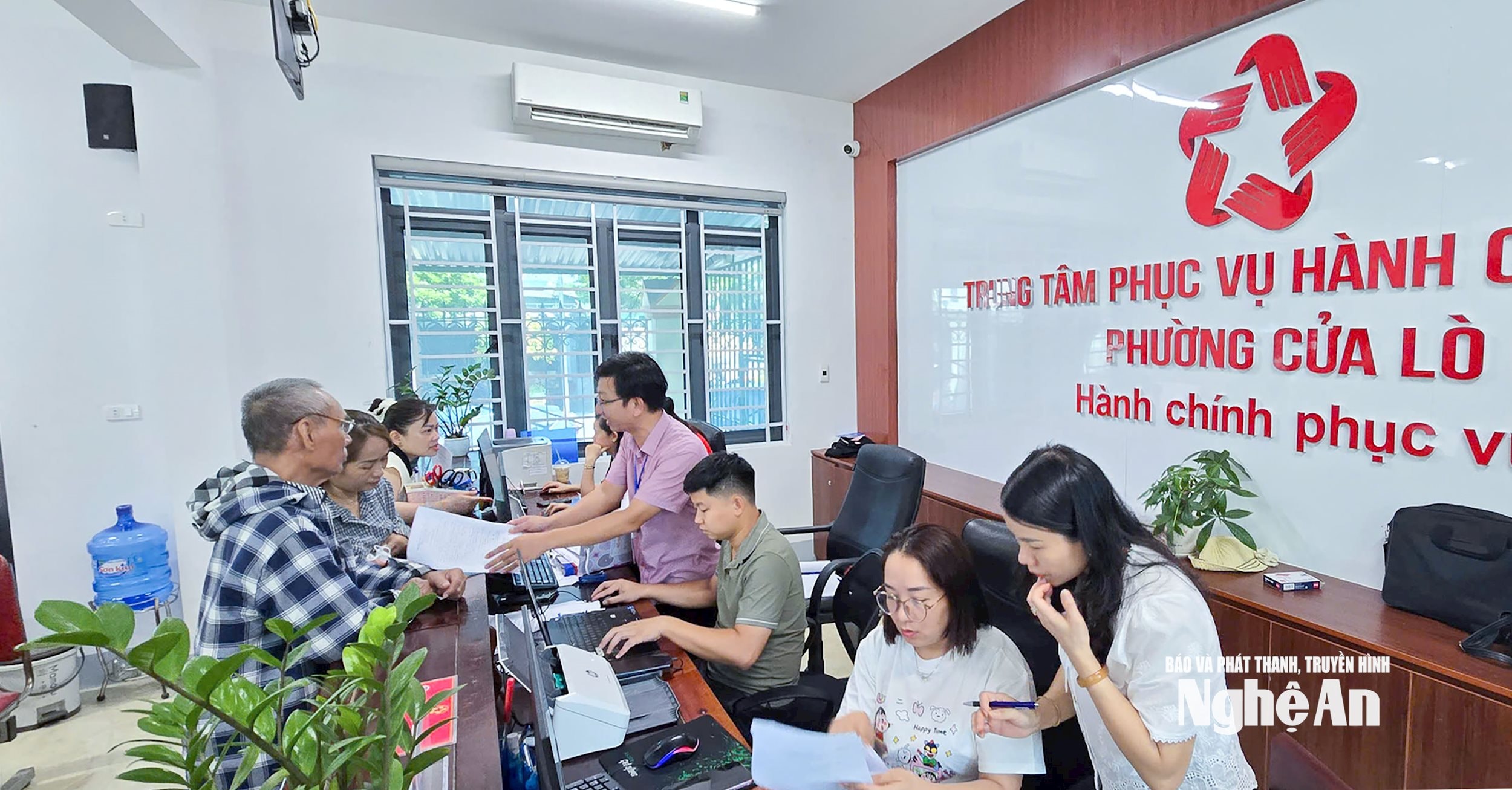
Working together with one heart and mind is a clear and vivid manifestation of solidarity. Solidarity is a core element in Ho Chi Minh's thought, something he carefully cultivated throughout his revolutionary life dedicated to the nation and its people. Historical reality has proven that when the entire Party, the entire people, and the entire army become a unified force, unparalleled strength is created, enabling our country to defeat all invading enemies and achieve great accomplishments in the cause of national construction and defense, particularly during the nearly 40 years of reform. Solidarity is the source of strength for the Vietnamese nation!
The unparalleled strength of unity, cooperation, and solidarity is clearly essential for the current operation of the two-tiered local government system. In the context where commune-level officials are essentially a miniature district, with increased functions, duties, and powers, and with new colleagues and unfamiliar work, unity plays a crucial role. Unity is essential for gathering forces, unifying understanding and action, and increasing collective strength. Especially in the context where many localities have not yet merged their offices and still operate in separate locations, unity in thought and action, with the noble goal of being close to the people, serving the people, and prioritizing the people's interests, must be valued by officials, civil servants, and especially leaders, to avoid creating gaps in work processes due to the disadvantages of separate workspaces.
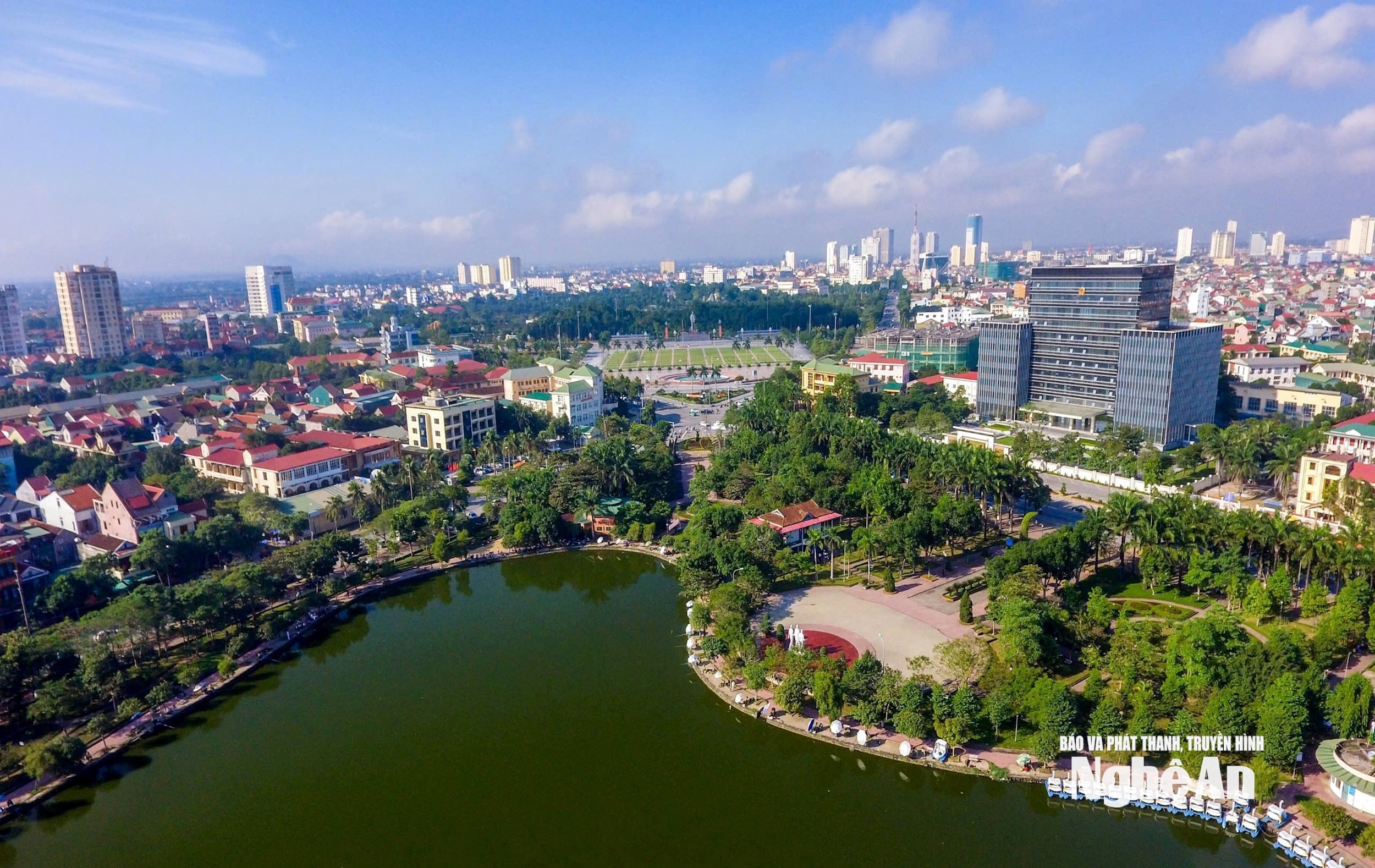
After one month of operation of the two-tiered local government system, the emergence of shortcomings and difficulties is only natural and in line with the laws of development in the new context. One thing is certain: when each member of the state administrative apparatus achieves unity and solidarity in understanding and action, all difficulties, even those unprecedented, will be overcome. This is like lifting the "stones" on our journey into a new era, placing citizens and businesses at the center of the shift in thinking from an administrative system of "control and subsidies" to one of "governance and service."
.png)


