
Consequences of using rice varieties outside the approved crop structure.
According to the Department of Agriculture and Environment, in the recent spring crop season, there were as many as 102 rice varieties in the fields, while the agricultural sector only included 73 varieties in the crop structure. The situation where farmers do not adhere to the crop structure, arbitrarily using rice varieties outside of recommendations, and without thorough monitoring and assessment of their adaptability, poses many potential risks.
Spontaneous selective breeding despite recommendations.
This spring, Nghe An province has over 2,800 hectares of rice affected by panicle degeneration, resulting in a high percentage of empty grains or failure to produce grains. Of the 34 rice varieties affected, 10 varieties outside the standard production structure were still cultivated by farmers this spring, leading to panicle degeneration, a high percentage of empty grains, or failure to produce grains.
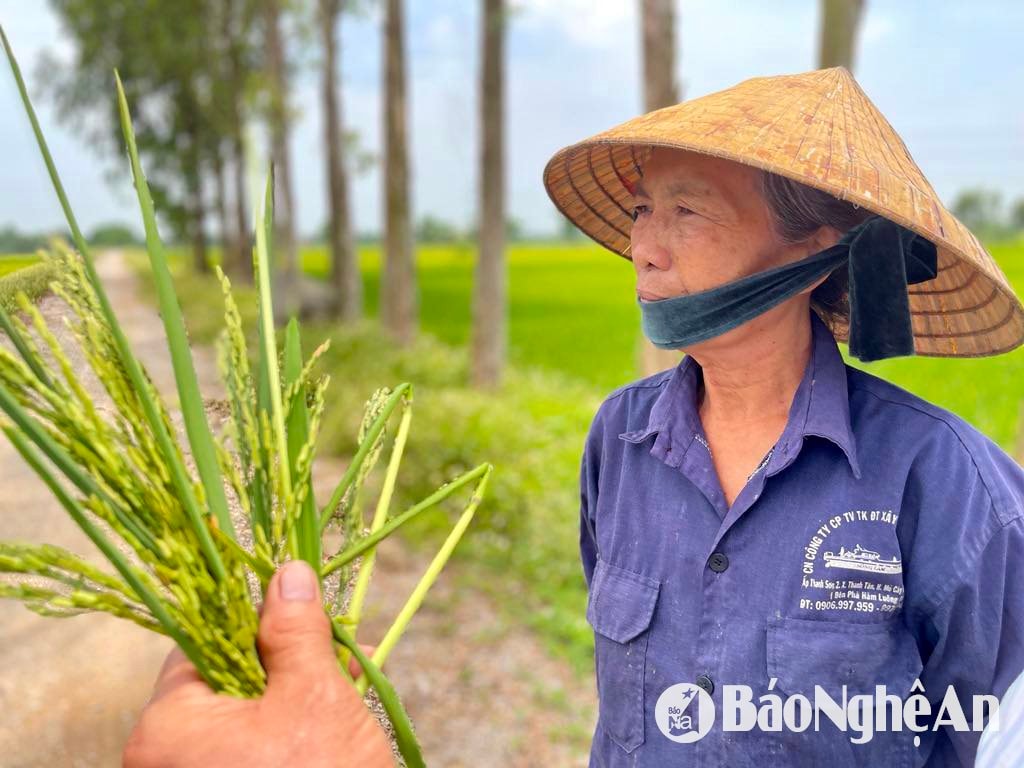
Although not included in the production structure of Yen Thanh district, D ưu 725 (Ha Xuyen 1425) rice variety is widely used by many farmers in the area. In Dong Yen hamlet (Dong Thanh commune), this spring, many households competed to plant the D ưu 725 rice variety.
Ms. Nguyen Thi Hai, a farmer here, said: "Last year, some households planted this rice variety and achieved very high yields, with no pests or diseases, and the rice tasted good. So this year, most people bought this rice variety to plant, without paying attention to whether the district or commune included it in their production recommendations. This year, many families have lost everything."
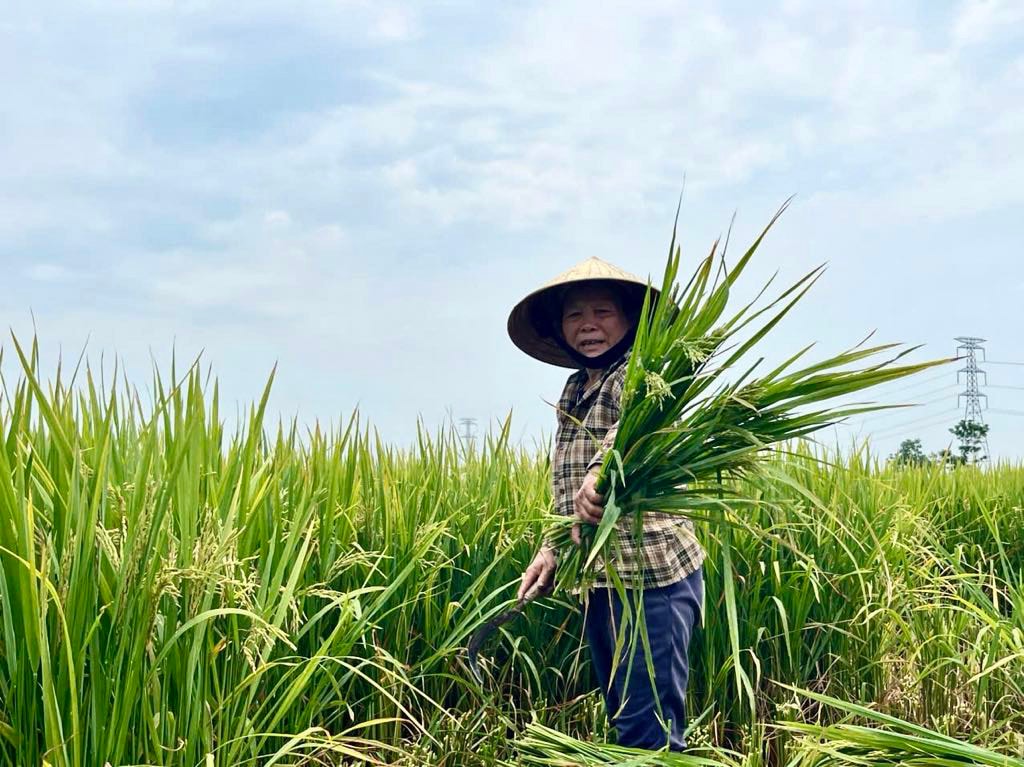
This situation is occurring in many other localities in the province. Although the D ưu 725 rice variety has been recognized and some households have been cultivating it since last spring, it has not been included in the spring crop production structure of Dien Dong commune (Dien Chau district).
"This rice variety is not included in the district's production plan, and its effectiveness and suitability for the specific local conditions have not been proven, so we did not include it," said an agricultural official from Dien Nguyen commune.
However, just like in Yen Thanh, farmers in Dien Dong rushed to use it en masse. And in reality, the entire area suffered heavy yield losses. "Under harsh and unusual weather conditions, some varieties were more severely affected because they have a short growing season, and the panicle differentiation stage coincided with a deep cold spell. The new rice varieties have not been fully evaluated for their adaptability to climatic conditions, especially their cold tolerance, so they are sensitive," said Mr. Le The Hieu, Deputy Head of the Department of Agriculture and Environment.
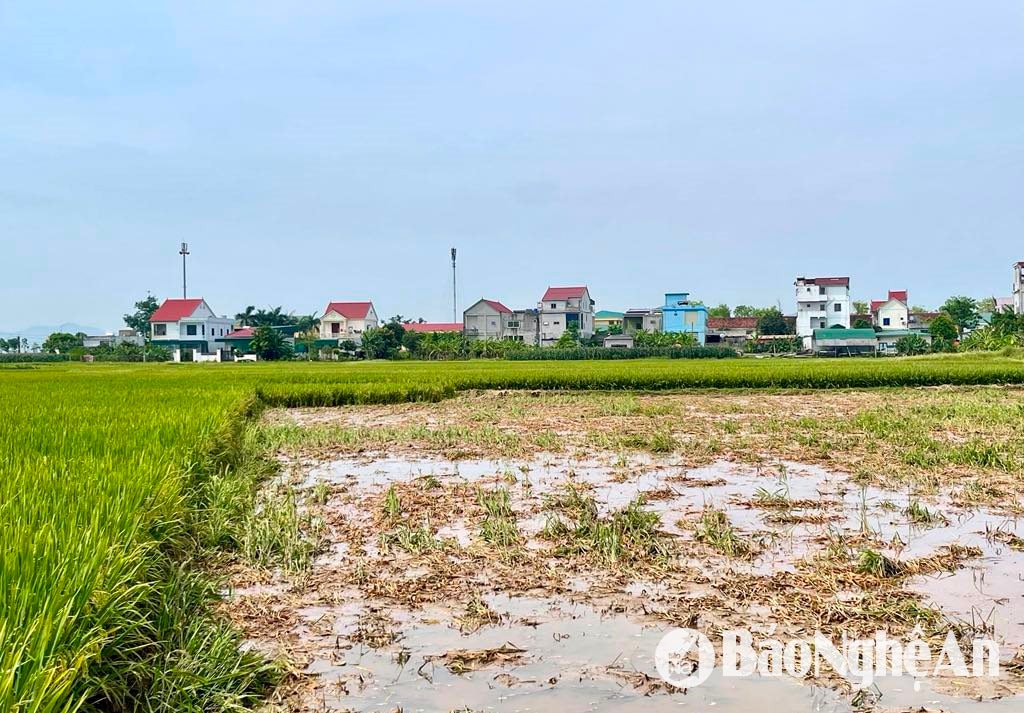
The disadvantages outweigh the advantages.
Currently, in some localities, the practice of farmers arbitrarily planting rice varieties outside the approved crop structure is becoming increasingly common. In particular, this is not only limited to varieties not included in the crop structure of individual districts and communes, but according to investigations by the Department of Agriculture, in the recent spring crop season, as many as 28 rice varieties outside the province's approved crop structure were planted by farmers, despite warnings from the Department of Agriculture and local authorities.
According to Mr. Nguyen Tien Duc, Head of the Provincial Department of Crop Production and Plant Protection: This situation has been ongoing for many years, not only posing many risks related to pests and diseases, yield, and economic efficiency, but also creating difficulties in managing seeds and establishing high-quality, interconnected rice production areas.
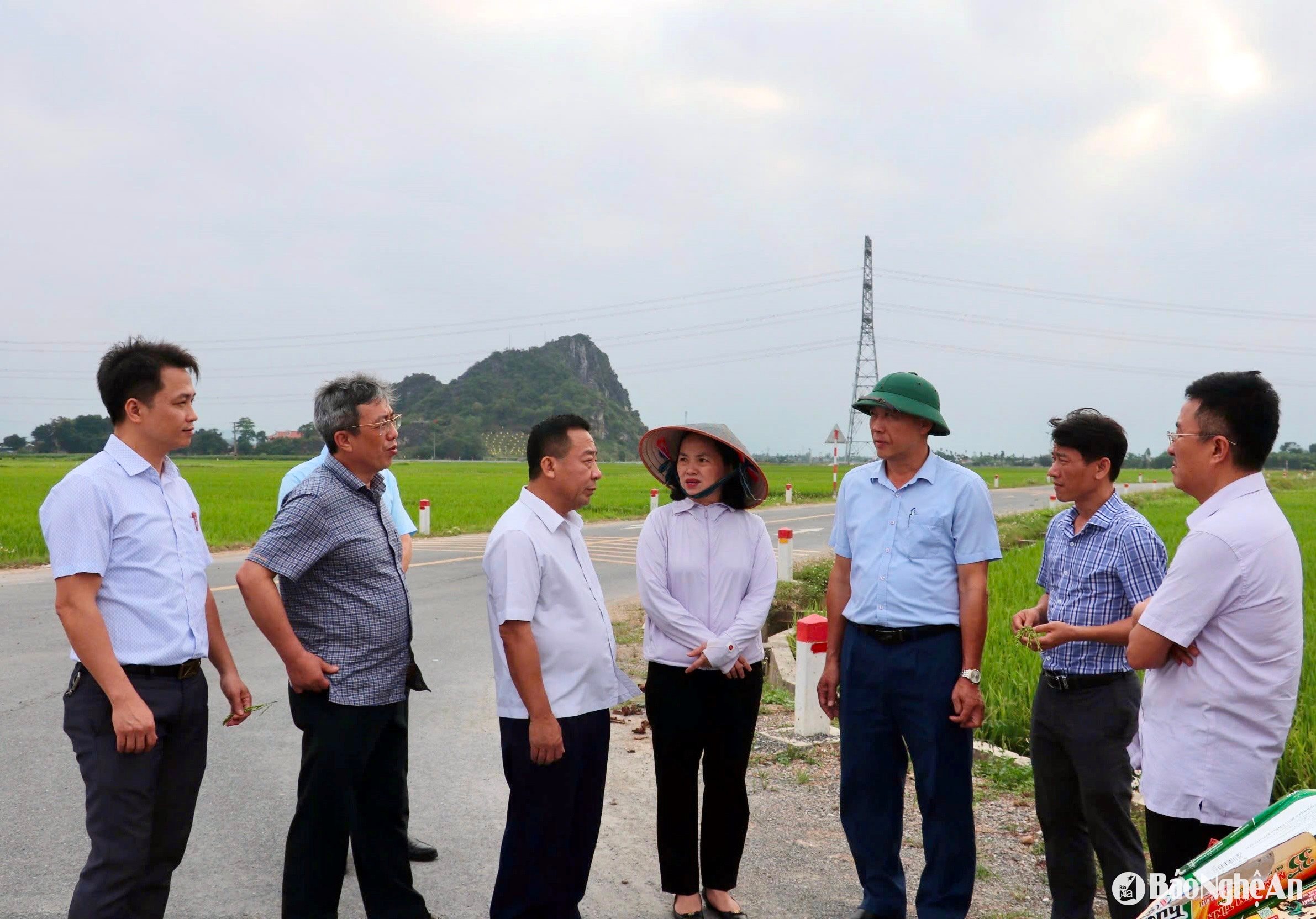
Farmers may produce rice based on experience, passing on knowledge to each other, and following the example of others who do it well and achieve high yields. However, using rice varieties outside the established crop structure is a risky undertaking. Rice varieties that have not been assessed as suitable for the local climate and soil conditions are highly susceptible to pests and diseases, resulting in low yields or poor rice quality. They may even bloom out of season, reducing productivity, especially in unfavorable weather conditions, which can cause significant losses.
Mr. Le Van Hong, Head of the Agriculture and Environment Department of Yen Thanh district, said: There are some new rice varieties that, although recognized, permitted for circulation, and even included in the province's production structure, are not recommended for use by the local authorities.
We only included rice varieties in our crop structure that have proven to be consistently effective and suitable for the local climate and soil conditions for at least three years.
Mr. Le Van Hong - Head of the Agriculture and Environment Department of Yen Thanh District
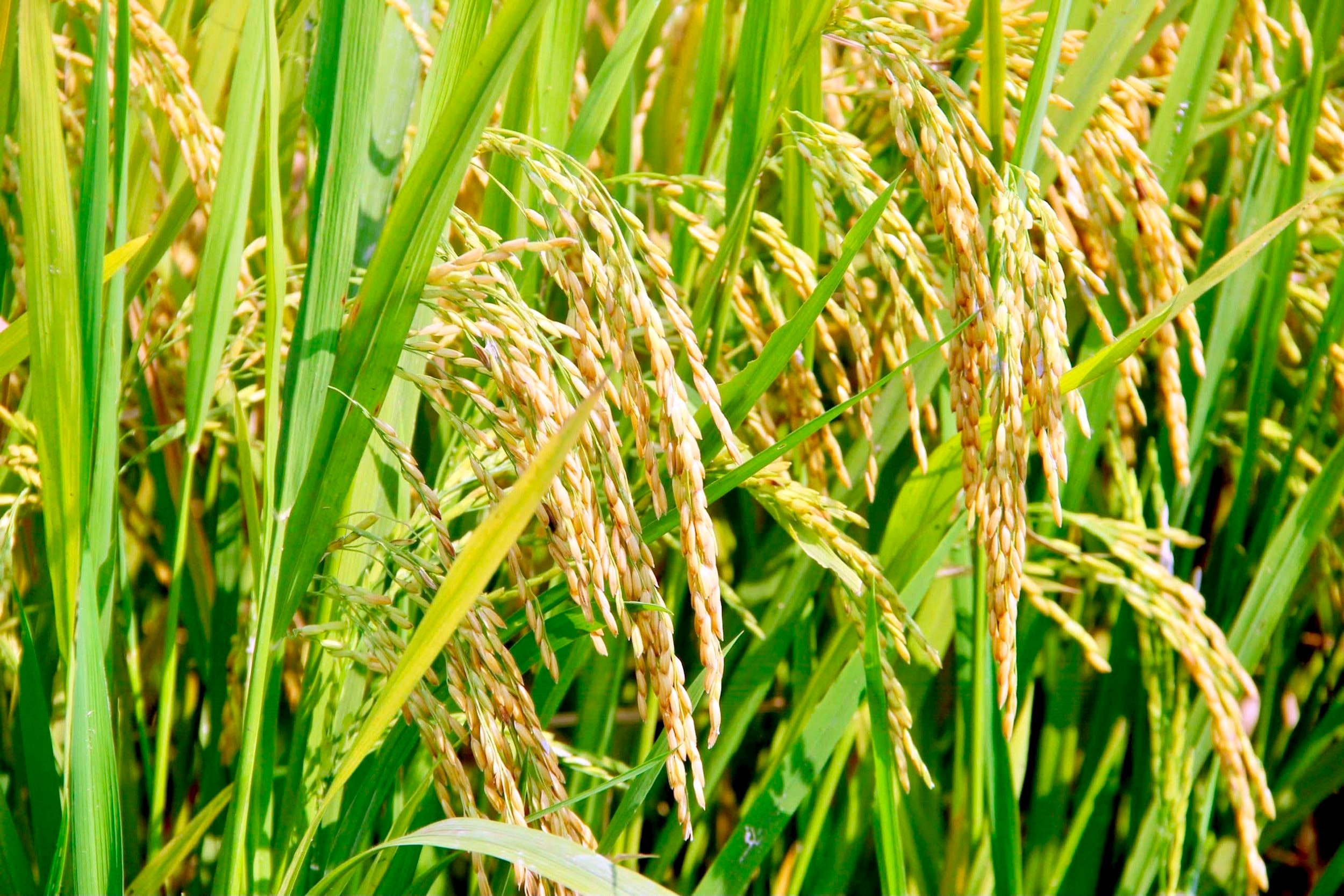
According to the survey and compilation results of the Department of Agriculture, this spring, 102 rice varieties were cultivated by farmers (including 33 hybrid varieties and 69 purebred varieties). However, the department only included 74 rice varieties in the production plan (27 hybrid varieties and 47 purebred varieties). Thus, 28 varieties were produced outside the planned structure. The unauthorized use of rice varieties not included in the recommendations poses many risks regarding pests and diseases, yield reduction, and creates difficulties in production management and pest control.


