
What are the uses of pumpkin flowers?
In Traditional Chinese Medicine, pumpkin flowers are not only a delicious and nutritious food but also have therapeutic effects in treating certain diseases...
Nutritional composition of pumpkin flowers
According to Healthbenefitstimes, pumpkin flowers are a rich source of nutrients, vitamins, and minerals. 33 grams of pumpkin flowers provide 9.2 mg of vitamin C; 19 µg of vitamin B9; 32 µg of vitamin A; 0.23 mg of iron; 16 mg of phosphorus; 0.025 mg of vitamin B2; 8 mg of magnesium; 0.2 mg of selenium; and 0.228 mg of vitamin B3.
What are the health benefits of pumpkin flowers?
Here are some of the amazing and proven health benefits of pumpkin flowers:
Boost your immune system.
The Health & Life newspaper, citing Healthbenefitstimes, reported that according to the Linus Pauling Institute in the US, the iron found in pumpkin flowers is very useful for several immune functions such as differentiating and proliferating T lymphocytes and producing reactive oxygen species that fight pathogens.
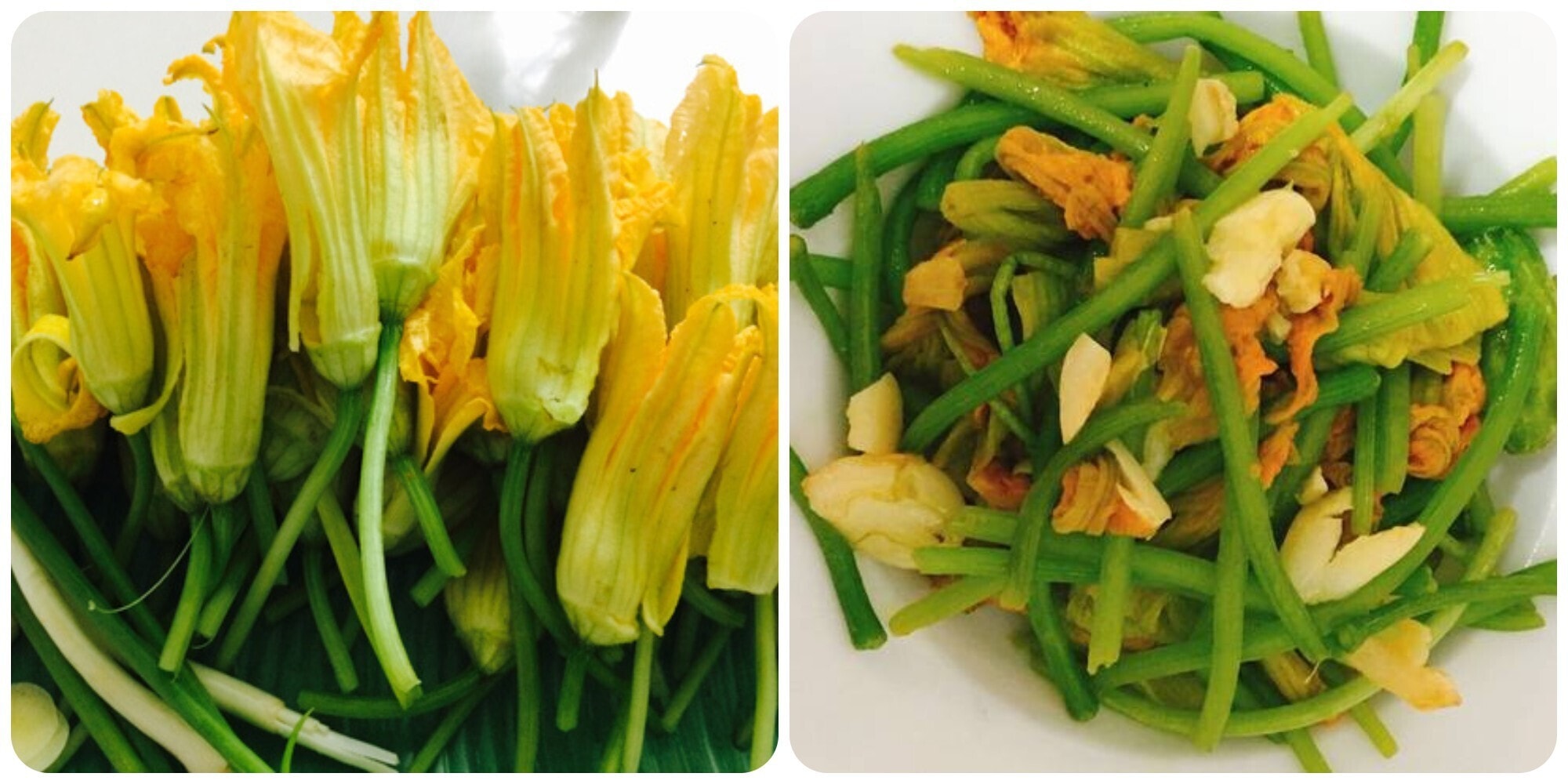
Good for bone formation.
Phosphorus, found in pumpkin flowers, is an important part of bone and teeth growth and maintenance. One recent discovery in the US also linked phosphorus to cardiovascular health, meaning that with a reasonable amount of pumpkin flowers, you may better protect yourself from a range of cardiovascular diseases and prevent osteoporosis.
Male infertility
Pumpkin flowers contain a large amount of vitamin B9 (folate), which is essential for the normal production and function of sperm. Men who absorb little folate often have sperm with chromosomal structural defects.
Increasing folate intake in the diet can improve sperm quality and support men experiencing infertility issues.
Help keep your eyes healthy.
Vitamin A can help improve vision, allowing the eyes to adapt to changes in light, keeping them moisturized, and also improving night vision. Pumpkin flowers are one of the richest sources of vitamin A, and regular consumption may prevent conditions such as dry eyes.
Furthermore, it helps form the visual violet color in the eye, improving vision for those with weak eyesight. Similarly, it ensures a healthy retina and also prevents night blindness by increasing the eye's ability to adapt to both bright light and darkness.
Eating pumpkin blossoms regularly can reduce the risk of cataracts and macular degeneration, often associated with aging. It ensures healthy and beautiful eyes.
Healing wounds
According to Thanh Nien newspaper, Dr. Huynh Tan Vu, a specialist in internal medicine (Day Treatment Unit, University Medical Center of Ho Chi Minh City - Branch 3), said that although the antibacterial activity of pumpkin flowers can also contribute to wound healing, the high levels of potassium and sodium in pumpkin flowers are the important factors in wound healing.
Anticancer effects
Because pumpkin flowers are rich in antioxidants (carotenoids, gallic acid, and quercetin), they have a preventative effect against cancer, especially bone tumors. The antioxidant activity of pumpkin flowers is 51.65%.
Antibacterial effect
Quercetin, extracted from pumpkin flowers, helps protect against bacterial infections. Studies have shown that quercetin effectively inhibits the growth of E. coli, S. aureus, and P. aeruginosa.
The minimum inhibitory concentration values range from 2.07 to 8.28 mg/mL. According to studies, quercetin primarily follows a mechanism of disrupting bacterial cell walls and altering their permeability by affecting protein synthesis and expression, ultimately hindering metabolism.
Anti-inflammatory effects
Pumpkin flowers are rich in beta carotenoids and quercetin, which have anti-inflammatory effects that inhibit certain agents.
The above information answers the question "What are the health benefits of pumpkin flowers?". Pumpkin flowers offer many wonderful health benefits, so you absolutely shouldn't overlook this nutritious vegetable.


