
Nghe An Farmers' Association is replicating successful regional economic models.
(Baonghean.vn) - The seminar aimed to clarify the role and importance of officials of the Women's Union at all levels in the work of disseminating information and mobilizing support for ethnic and religious issues, building and promoting the strength of national unity, and ensuring security, order, and social safety in rural areas.
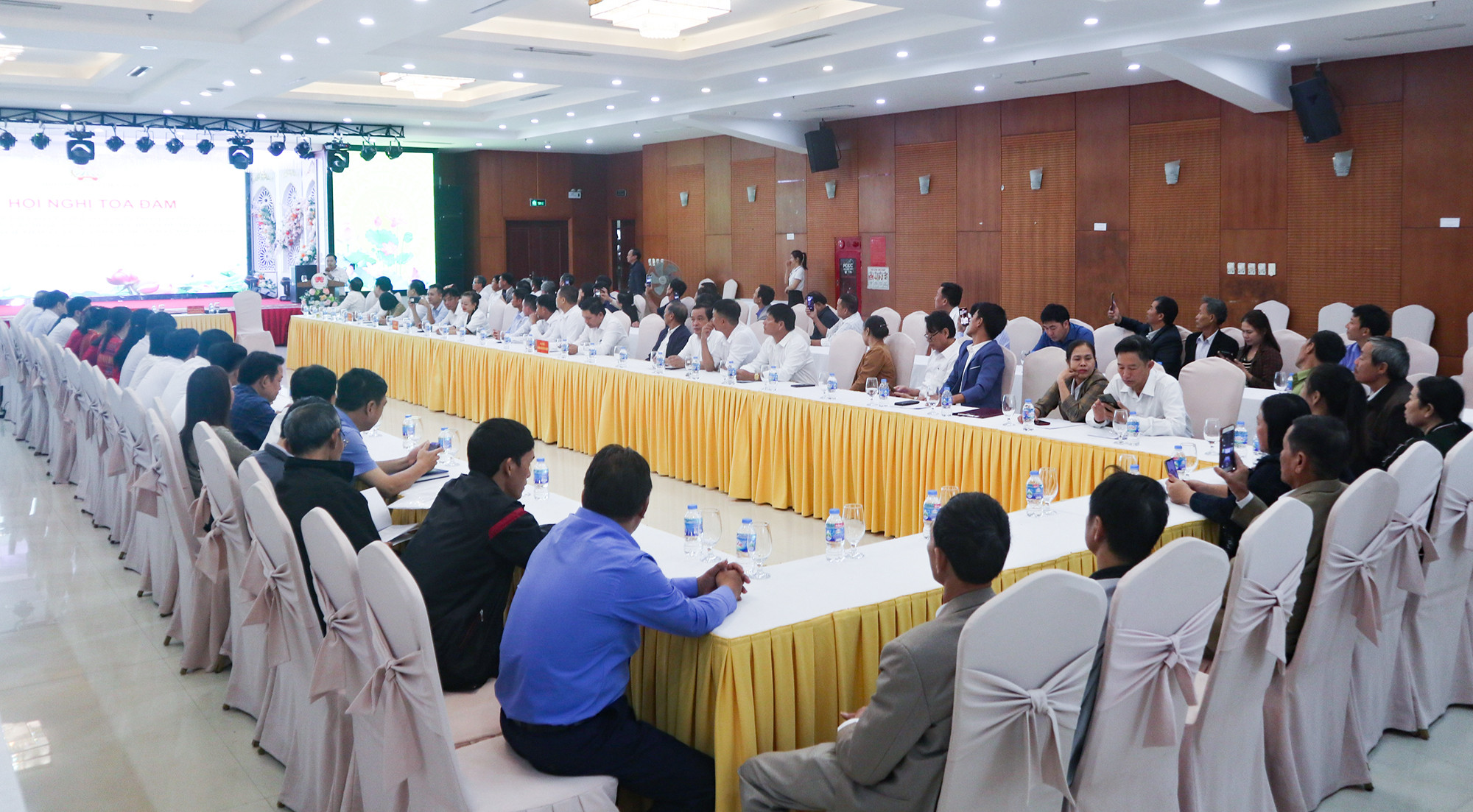
On the morning of October 31st, in Vinh City, the Central Committee of the Vietnam Farmers' Association organized a seminar entitled: "Promoting the role of the Farmers' Association in disseminating information and mobilizing farmers to implement the Party's guidelines and the State's policies and laws on ethnicity and religion."
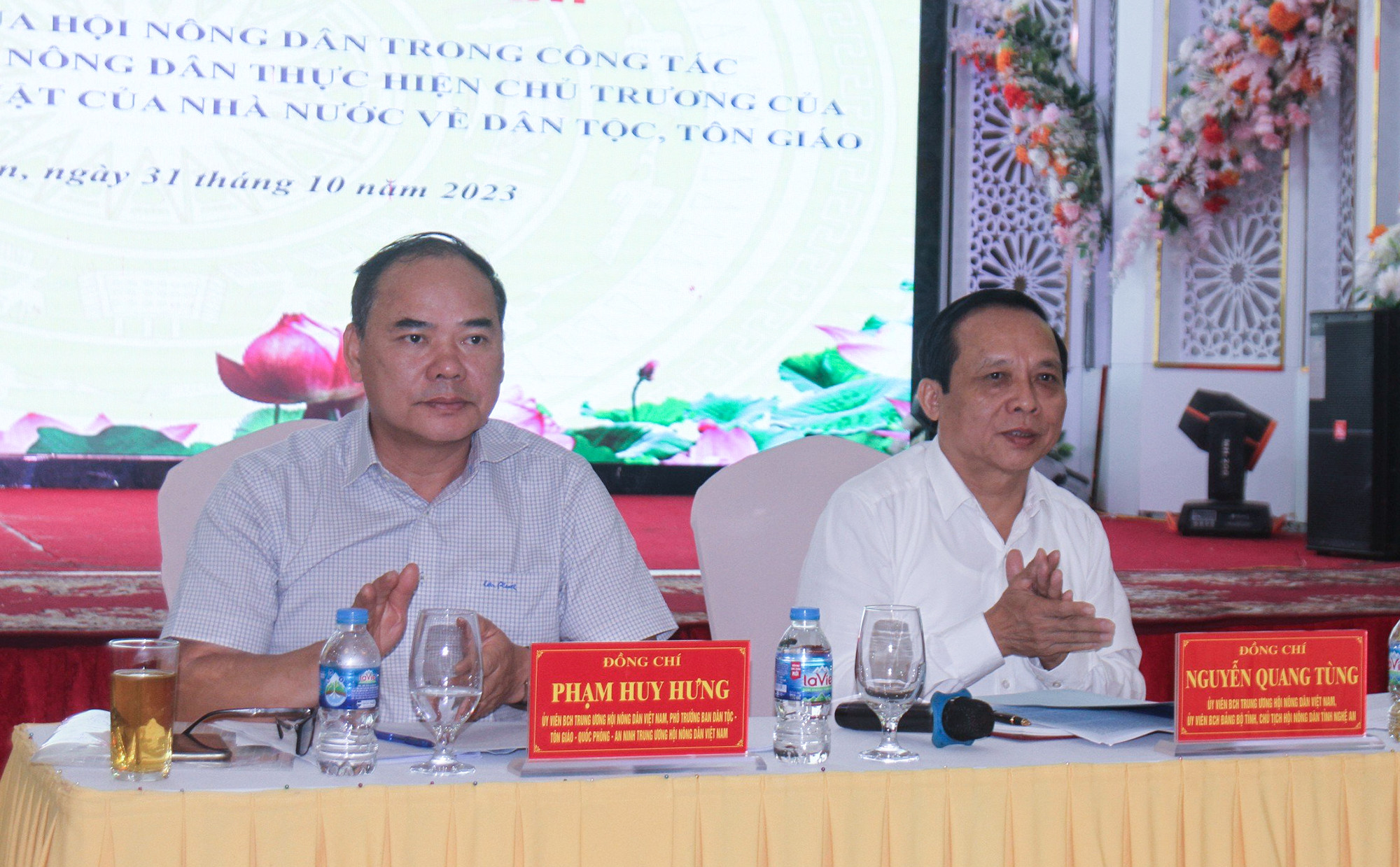
The conference was chaired by members of the Central Executive Committee of the Vietnam Farmers' Association: Pham Huy Hung - Deputy Head of the Ethnic, Religious, National Defense and Security Department of the Central Committee of the Vietnam Farmers' Association; and Nguyen Quang Tung - Chairman of the Nghe An Provincial Farmers' Association. Participating in the discussion were representatives from relevant departments and agencies, and Farmers' Associations at all levels in the province.
Share best practices and valuable experiences.
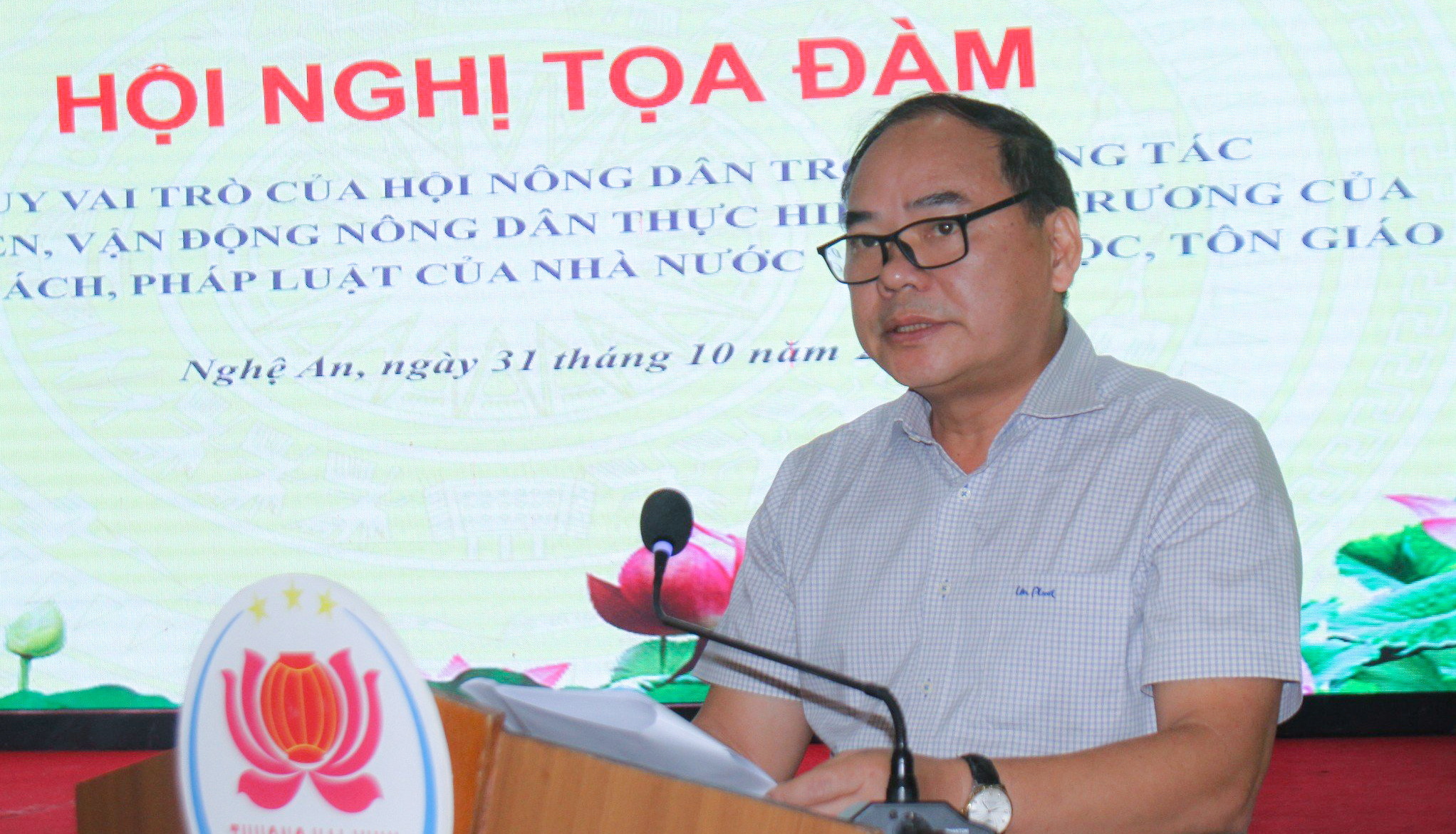
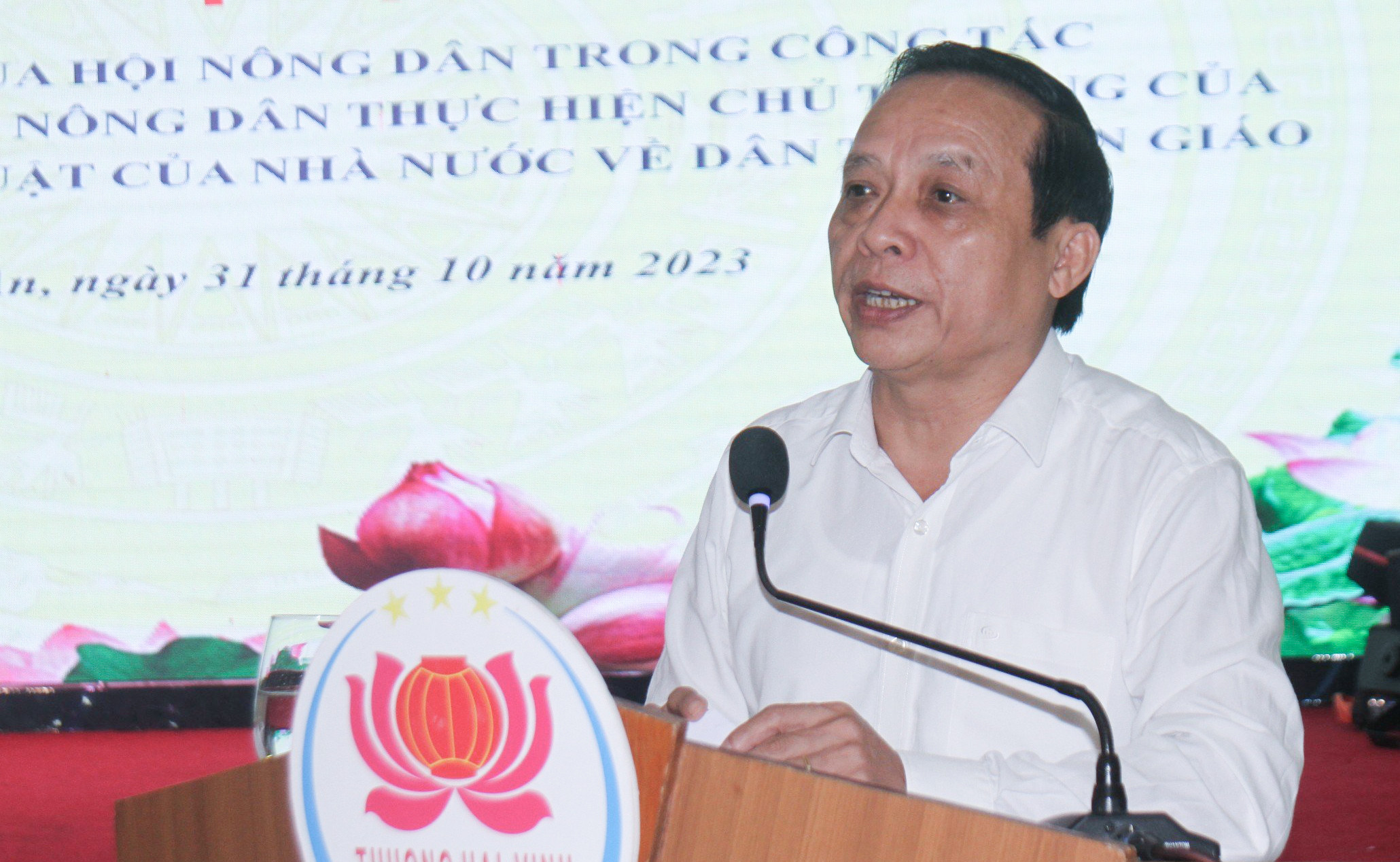
In his opening remarks at the conference, Comrade Pham Huy Hung emphasized: The seminar aims to promote the dissemination and mobilization of farmers in ethnic and religious areas to effectively implement the Party's guidelines and the State's policies and laws on ethnicity, belief, and religion; to develop socio-economic conditions, ensure national defense and security; and to develop agriculture, farmers, and rural areas in ethnic and religious regions. It also aims to raise awareness among cadres and farmer members in ethnic and religious areas about the Party's guidelines and the State's policies and laws on ethnicity, belief, and religion.
At the same time, we must identify and combat "strange sects," "heretical sects," and religious organizations not recognized by the State that exploit ethnic and religious issues to undermine political security, social order, and national unity, aiming to oppose the Party and the State.
This is also an opportunity for delegates to exchange and share information, as well as clarify the role and importance of Women's Union officials at all levels, especially those at the grassroots level, in the work of disseminating information and mobilizing support for ethnic and religious issues, and in building and promoting the strength of national unity. From this, lessons learned, recommendations, and proposed solutions can be drawn to improve the quality and effectiveness of propaganda work on ethnic and religious issues, contributing to building and promoting the strength of national unity and ensuring security, order, and social safety in rural areas.
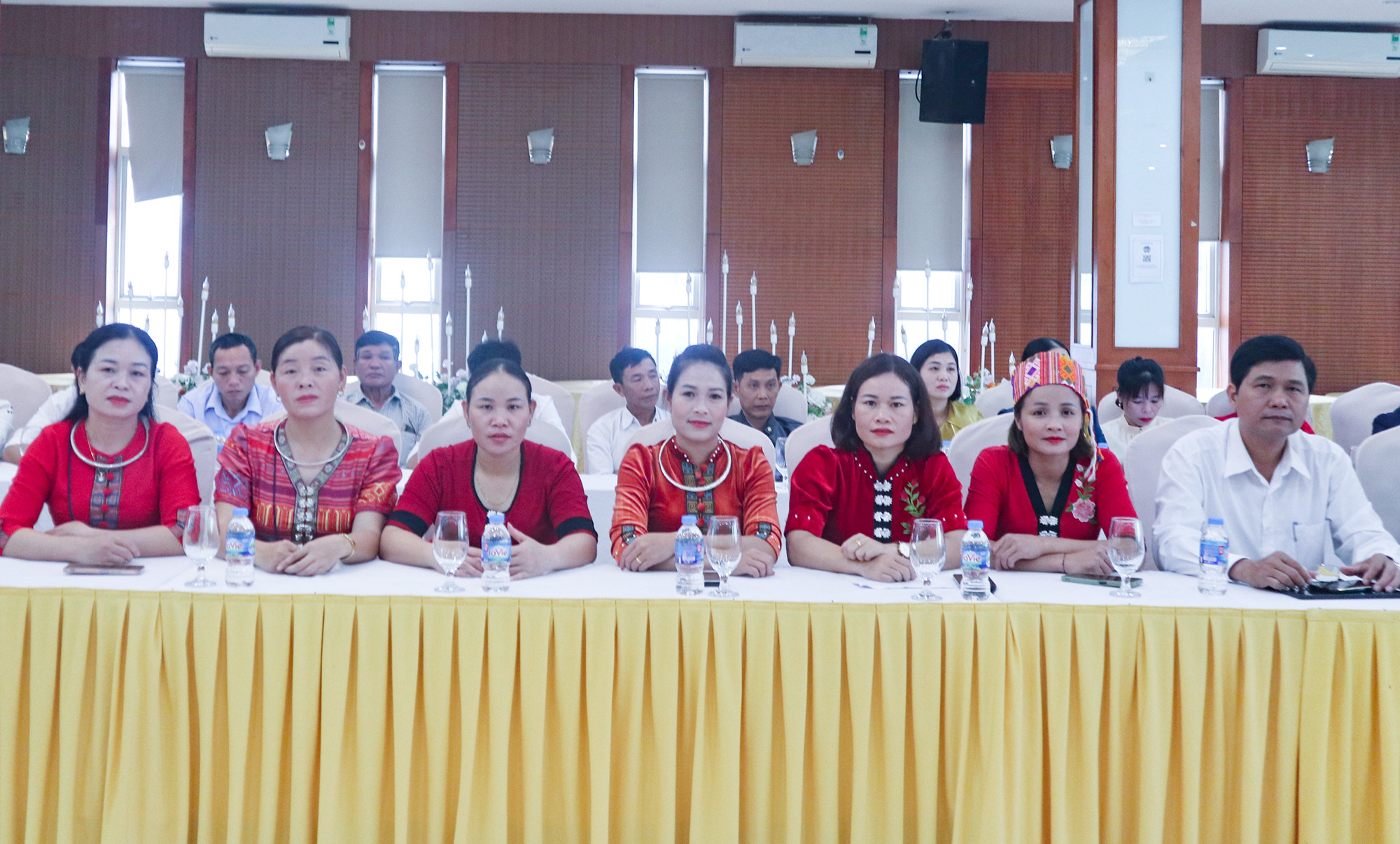
At the seminar, delegates also shared best practices and exemplary models to effectively promote and mobilize farmers to implement the Party's guidelines, the State's policies and laws, and the tasks of the Farmers' Association in ethnic minority and religious communities.
These discussions included: building exemplary models of advanced Catholic parishioners participating in household economic development, supporting other farming households to rise out of poverty and become wealthy; the issue of promoting the role of the Farmers' Association in disseminating information and mobilizing farmer members to participate in preserving national cultural identity and building cultural villages; the role of the Farmers' Association in disseminating information and mobilizing members and farmers in Catholic areas to participate in socio-economic development and ensure security and social order in the locality;...
Scaling up successful regional economic models.
To date, the Nghe An Provincial Farmers' Association has 21/21 district-level units, 447 branches, 3,640 sub-branches, and 497,802 farmer members; including 16 districts, cities, and towns with religious organizations, and 5 mountainous districts with ethnic minority populations, all of which have Catholic followers but in small numbers; 252 branches in ethnic minority and mountainous areas, 174/447 branches in Catholic areas, 74,593 farmer members are ethnic minorities, and 24,923 farmer members are Catholic.
Over the years, farmers' associations at all levels in the province have intensified their efforts in disseminating and thoroughly understanding the Party and State's guidelines and policies, as well as directives and resolutions from the Central and provincial authorities related to ethnic and religious affairs, to their cadres and members. They have promptly grasped the thoughts and aspirations of their members and farmers, making recommendations to relevant authorities for consideration and resolution, and encouraging members and farmers in ethnic and religious areas to unite in building civilized and progressive villages and hamlets, living "good lives and virtuous conduct," and "respecting God and loving the country."
With the motto "listen to the people, speak in a way the people understand, and act in a way the people trust," the various levels of the Association in the province have promoted the effective implementation of grassroots democracy regulations, fostered the people's right to self-governance, mobilized the maximum potential of people's contributions to local development, and strengthened solidarity and cohesion among ethnic groups.
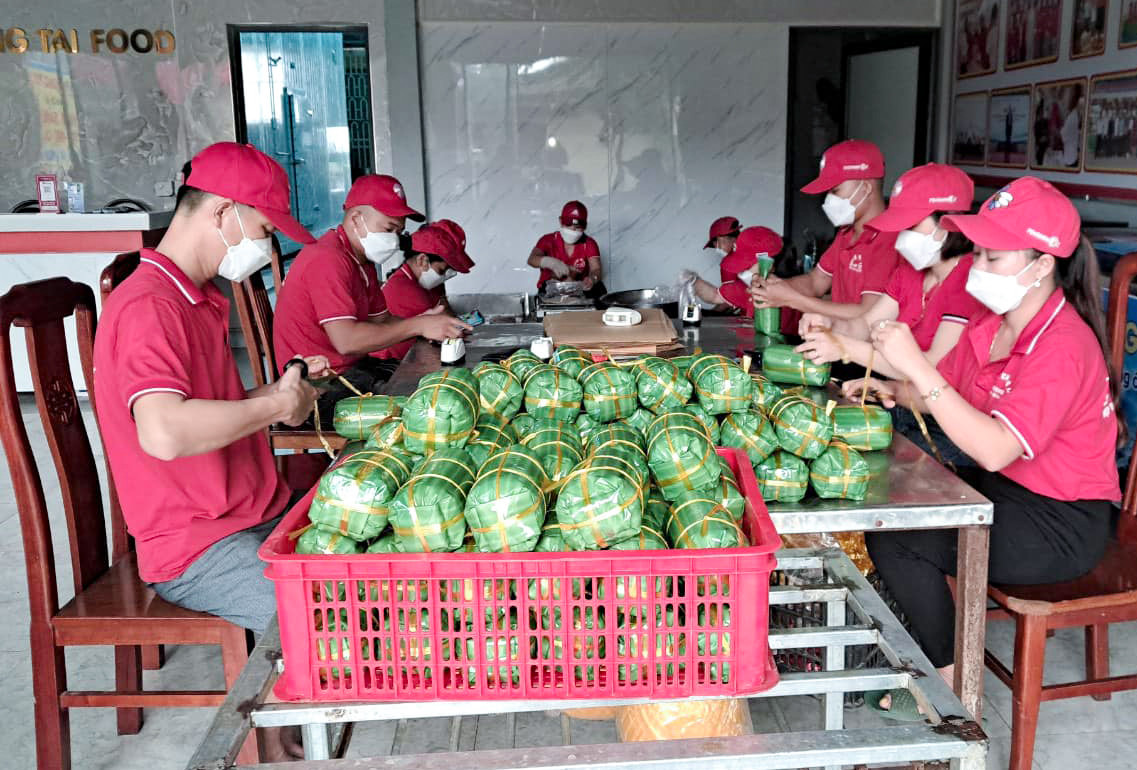
In economic development, the Farmers' Association at all levels has actively propagated and mobilized farmers to strive to transform the structure of crops and livestock, expand industries and trades, create jobs, and innovate outdated and inefficient farming practices to new, economically efficient methods; and promoted service activities to support farmers with capital, agricultural supplies, vocational training, and technology transfer.
This includes focusing on promoting the economic structure towards commodity production, in accordance with the customs of each specific region and ethnic group, while promoting the establishment of professional Farmers' Association branches and groups; strengthening inspection, supervision, social criticism, and participation in building the Party and government, and in the implementation of ethnic and religious programs, projects, and policies; prioritizing the development of Agriculture 4.0 but not excluding traditional forms of agricultural production in ethnic minority and religious areas.
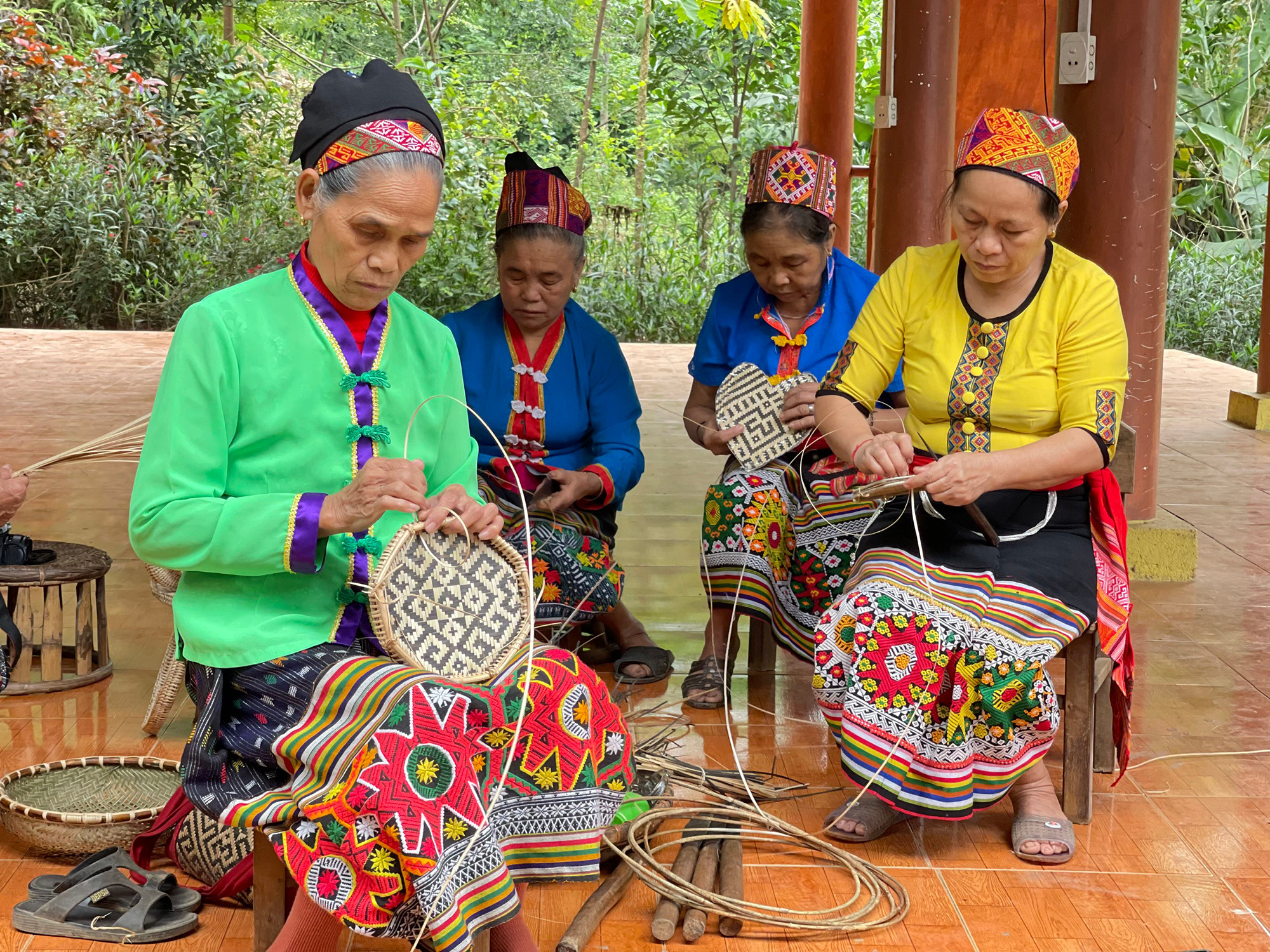
The various levels of the Farmers' Association have also actively mobilized members in ethnic and religious communities to unite in building a cultural life, preserving and promoting ethnic cultural identity, participating in the "National Unity for Building a Cultural Life" movement associated with building new rural areas, and effectively implementing regulations, customs, and civilized lifestyles in residential areas... Annually, the various levels of the Association have mobilized farmer members to register and strive to achieve the title of "Cultural Family," with over 95% of households participating and over 90% of registered households achieving the title of "Cultural Family."


