
What are the benefits of red dates?
Despite its unattractive appearance, the jujube fruit is highly valued by both Eastern and Western medicine for its nutritional value and health benefits.
Nutritional value of red dates
100g of red dates (about 3 dates) contain 79 calories, 1g of protein, 20g of carbohydrates, 10g of fiber, vitamin C (77% of the daily requirement), and potassium (5%).
According to Vietnamnet, citing the health website Healthline, due to its high fiber content and low calorie count, jujubes are a healthy snack. In addition, this fruit contains several vitamins and minerals, and is particularly rich in vitamin C, which has antioxidant properties and boosts immunity.
Jujubes contain carbohydrates in the form of natural sugars, providing energy to the body. Dried jujubes have a much higher sugar and calorie content than fresh ones.
The health benefits of red dates
Here are the health benefits of red dates:
It may improve sleep and brain function.
According to Vietnamnet, citing Pub Med Central, the US National Institutes of Medicine reports that extracts from jujube fruit and seeds increase sleep duration and quality in mice. Furthermore, animal and test-tube studies indicate that this fruit may improve memory and protect brain cells from damage caused by neurotoxic compounds.
Studies on mice have even shown that apple seed extract helps treat dementia caused by Alzheimer's disease. However, you can't eat apple seeds.
Rich in antioxidants
Jujubes are rich in antioxidant compounds, primarily flavonoids, polysaccharides, and triterpenic acids. Their high vitamin C content also has similar effects.
Antioxidants can prevent and reverse damage caused by free radicals. When in severe excess, free radicals are believed to be a cause of several chronic conditions, including heart disease, type 2 diabetes, and cancer.
Boost immunity, fight cancer cells.
Research by Chinese scientists has shown that a type of sugar in red dates has antioxidant properties, fighting free radicals, neutralizing harmful cells, and reducing inflammation. Reduced levels of inflammation and free radicals may prevent chronic diseases.
In addition, the fiber in jujubes promotes the production of immune cells that destroy harmful elements entering the body.
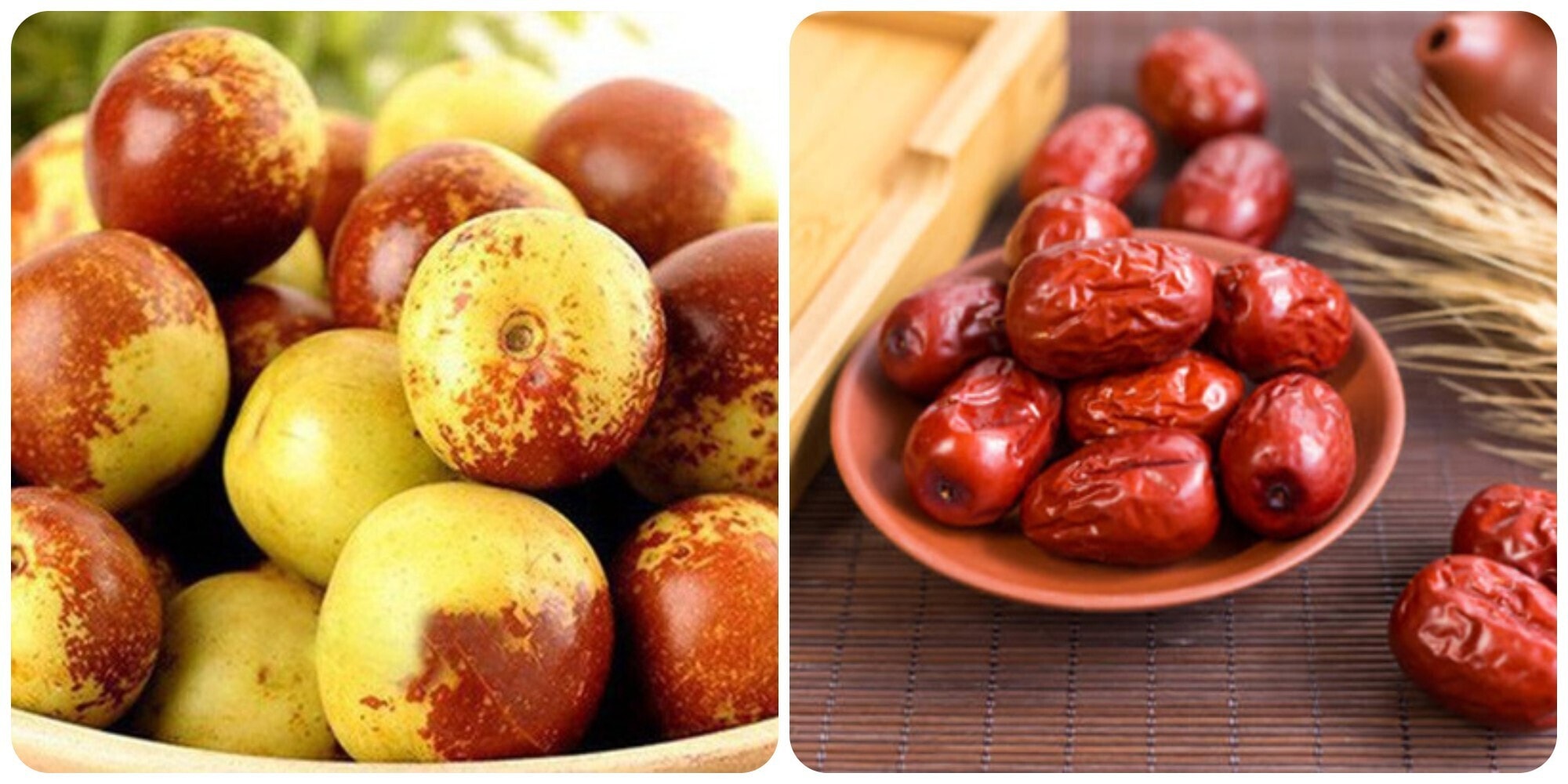
Jujubes are rich in vitamin C. Meanwhile, animal studies have shown that high doses of vitamin C can kill thyroid cancer cells. Test-tube analyses have also found that jujube extract can kill breast, ovarian, cervical, liver, colorectal, and skin cancer cells.
However, most of these studies have been conducted on animals or in test tubes, and more research on humans is needed before drawing definitive conclusions.
Improve digestion
Approximately 50% of the carbohydrates in jujubes come from fiber, which speeds up the movement of food through the digestive tract and reduces constipation. Jujube extract protects the stomach and intestinal lining, reducing the risk of ulcers, injuries, and the amount of harmful bacteria residing in the gut.
Finally, the fiber in apples can act as food for beneficial bacteria, allowing them to thrive and overcome harmful bacteria.
Medicinal dishes made from red dates
An article by Traditional Medicine Practitioner Hoai Vu in the Health & Life Newspaper provided instructions on how to prepare several dishes and remedies from red dates as follows:
Braised rabbit with red dates
Fifteen red dates, 200g rabbit meat. Put the red dates and rabbit meat into a pot and simmer until cooked through. Alternatively, simmer in an earthenware pot until tender. Season to taste and serve. This dish is beneficial for nourishing the blood and is suitable for people with purpura.
Heart-nourishing porridge
10g ginseng, 10 red dates, 10g Ophiopogon japonicus, 100g glutinous rice, 10g Poria cocos, and enough brown sugar. Boil the ginseng, dates, Ophiopogon japonicus, and Poria cocos in water, then add the glutinous rice and cook until it becomes porridge. Finally, add enough brown sugar. Effects: Nourishes the blood and strengthens the heart; suitable for people with weakness due to heart blood deficiency.
Salvia miltiorrhiza porridge
30g Salvia miltiorrhiza, 50g glutinous rice, 3 red dates, 50g brown sugar. Boil the Salvia miltiorrhiza in water, strain, then add the glutinous rice, red dates, and sugar and cook into a porridge. Eat hot or warm, twice a day. A course of treatment lasts 10 days, with a 3-day break. Effect: Promotes blood circulation and removes blood stasis; suitable for people with coronary artery disease.
Red dates and peanuts
50g red dates, 100g peanuts, 50g brown sugar. Wash the red dates and soak them in warm water; boil the peanuts briefly, let them cool, and peel them; put the red dates and peanut shells into a pot, add a little cold water, simmer over low heat for about 30 minutes, remove the peanut shells, add the brown sugar, and wait until the sugar dissolves completely. Effect: Nourishes the spleen and produces blood, suitable for people with iron-deficiency anemia.
Stir-fried red dates with chestnuts and chicken: 15 red dates, 150g chestnuts, 1 chicken. Clean the chicken, cut it into pieces, stir-fry over high heat, add a little seasoning and water, cook until the chicken is done, then add the red dates and chestnuts and simmer until tender. This dish nourishes the spleen and kidneys, and is suitable for people with weak vital energy due to low blood pressure.


