
Instructions on how to change your car's engine oil yourself.
To keep your car engine running smoothly, regular oil changes are necessary. What are the steps involved in changing engine oil and what should you keep in mind?
Changing engine oil, as well as some simple car maintenance tasks, has long been done by drivers and car owners themselves to save costs and better care for their vehicles. So, what steps are involved in changing engine oil and what should you keep in mind? This article will guide you through the steps of changing engine oil in your car.
Tools needed for an oil change
Besides buying the right type of oil and oil filter for your car (some car models require a separate filter, so you should also ask auto repair shops for more information), inexpensive specialized tools like an oil filter wrench and a large oil drip pan are also essential. You'll also need a funnel, some clean rags, and a set of wrenches or sockets ranging from 19mm to 25mm.
Drain the engine oil.
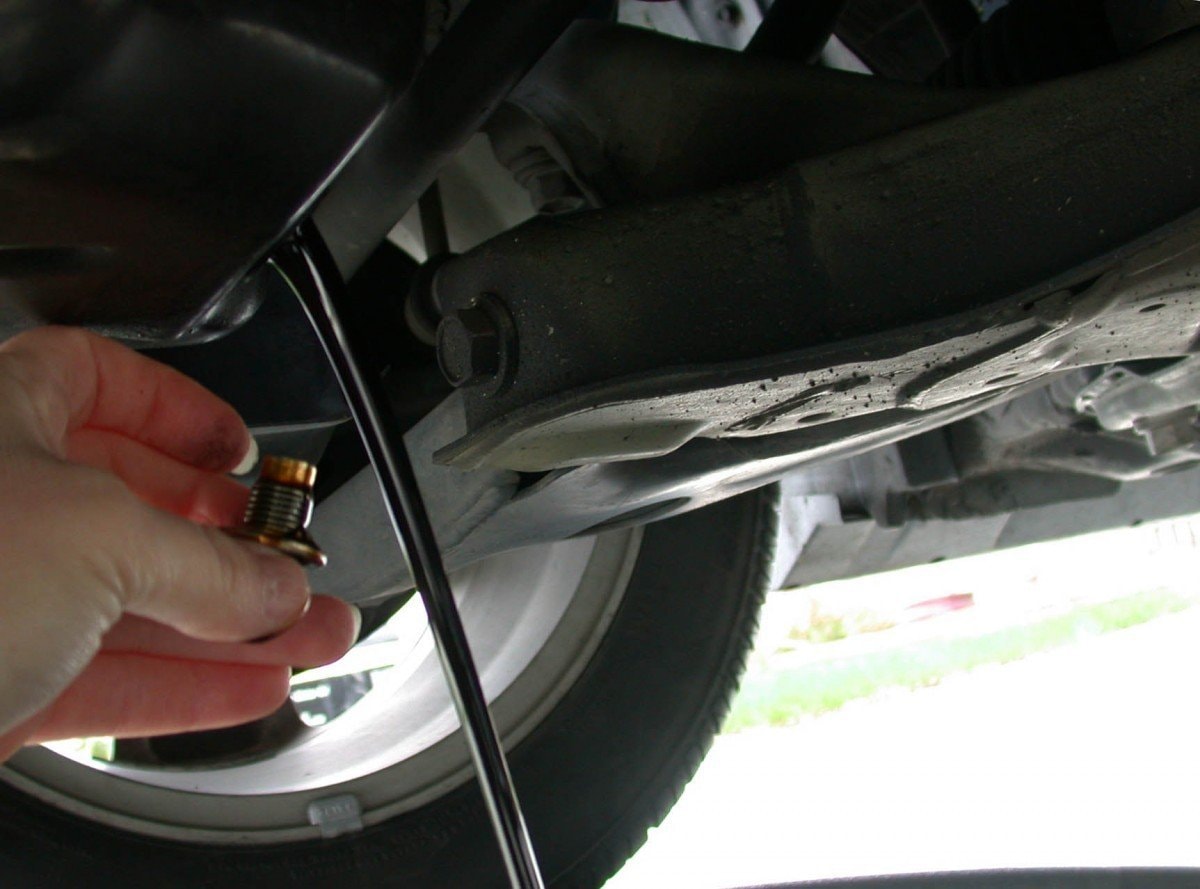
You need to park your car on a hard, level surface, lift the front of the car, and use jack stands on either side to create enough height for yourself to crawl under the car and drain the oil. Be careful not to drain the oil while the engine is still hot, as the limited working space under the car makes it more difficult and you could get burned by the oil splashing onto you. Additionally, when draining the oil, you should place a large piece of cardboard under the car to prevent oil from splashing onto the floor.
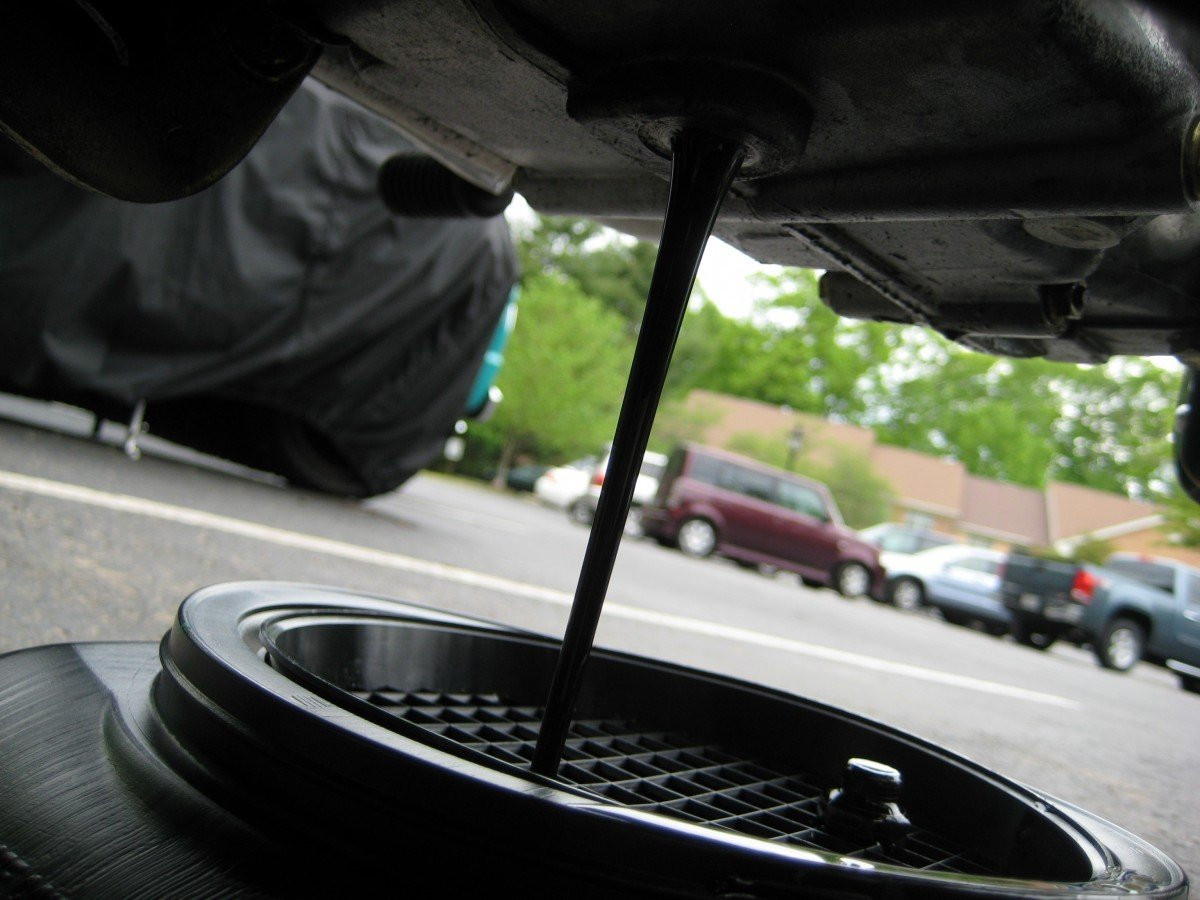
Collect the drain oil.
You'll need to take a bit of a risk to crawl under the car where the oil drain plug is located. Unscrew it counterclockwise to remove the drain plug. Position the drain pan to catch the draining oil, noting that in some cases the oil drains very quickly, so you must catch the oil promptly. The oil draining from the engine is still very hot, so be careful. Usually, it only takes about 2 minutes for all the old oil in the engine to drain out.
Remove the old oil filter and replace it with a new one.
Using the correct size oil filter wrench for your vehicle, remove the filter. After removing it, empty the old oil from the filter into a waste oil container, then dispose of the filter in the appropriate trash bin. With the new oil filter in hand, gently lubricate the filter opening with a small amount of new oil using your finger.
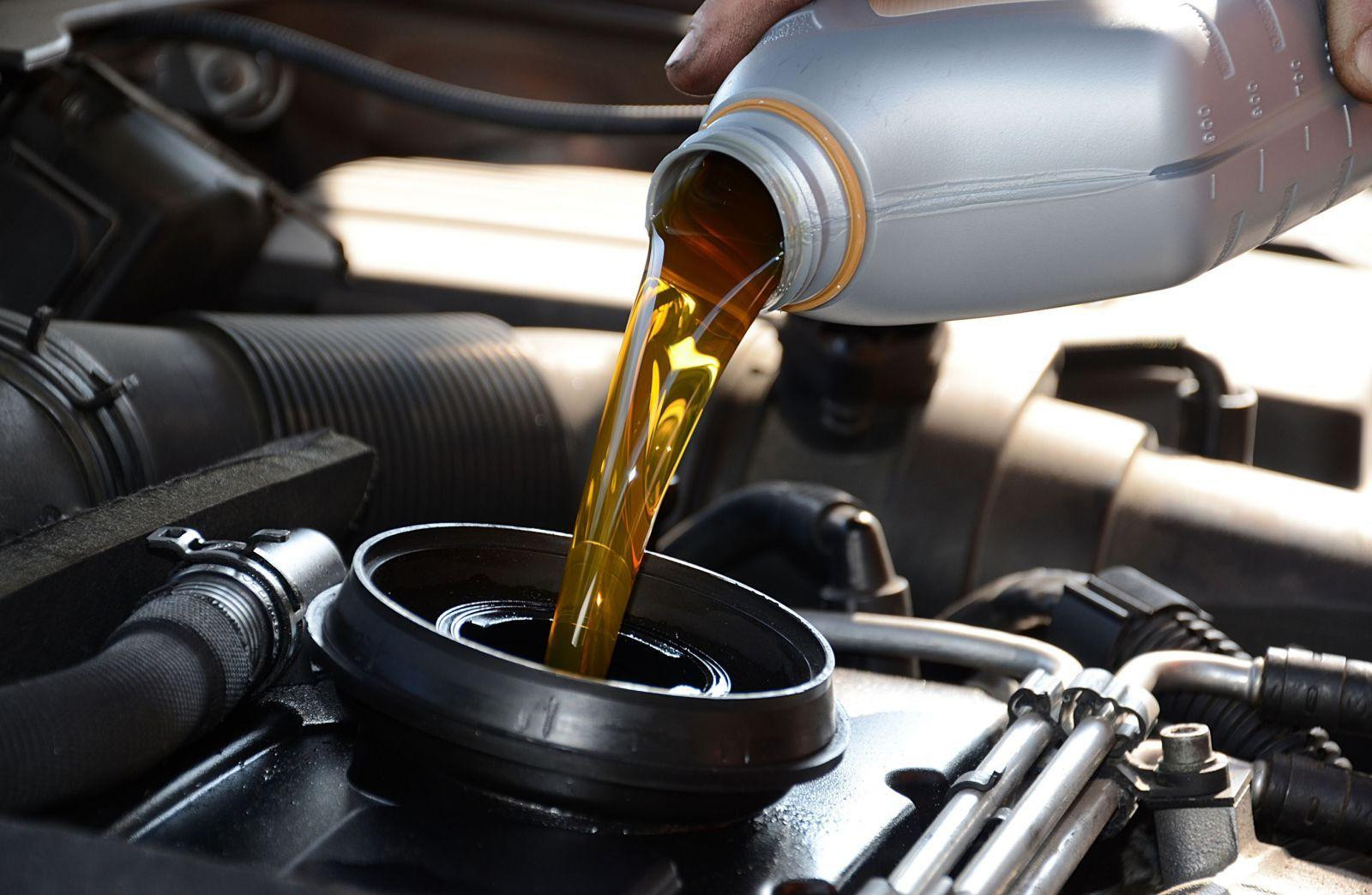
After cleaning the metal ring surrounding the filter, manually screw the new filter tube in about half or three-quarters of a turn, following the filter's instruction manual. Next, add new engine oil. Open the filter cap with a clean rag and pour the oil through a funnel into the filter. Car engines typically require between 4 and 8 liters of oil (depending on the vehicle) to reach the proper oil level for normal operation. Make sure to reattach the filter cap correctly and tightly.
Add engine oil.
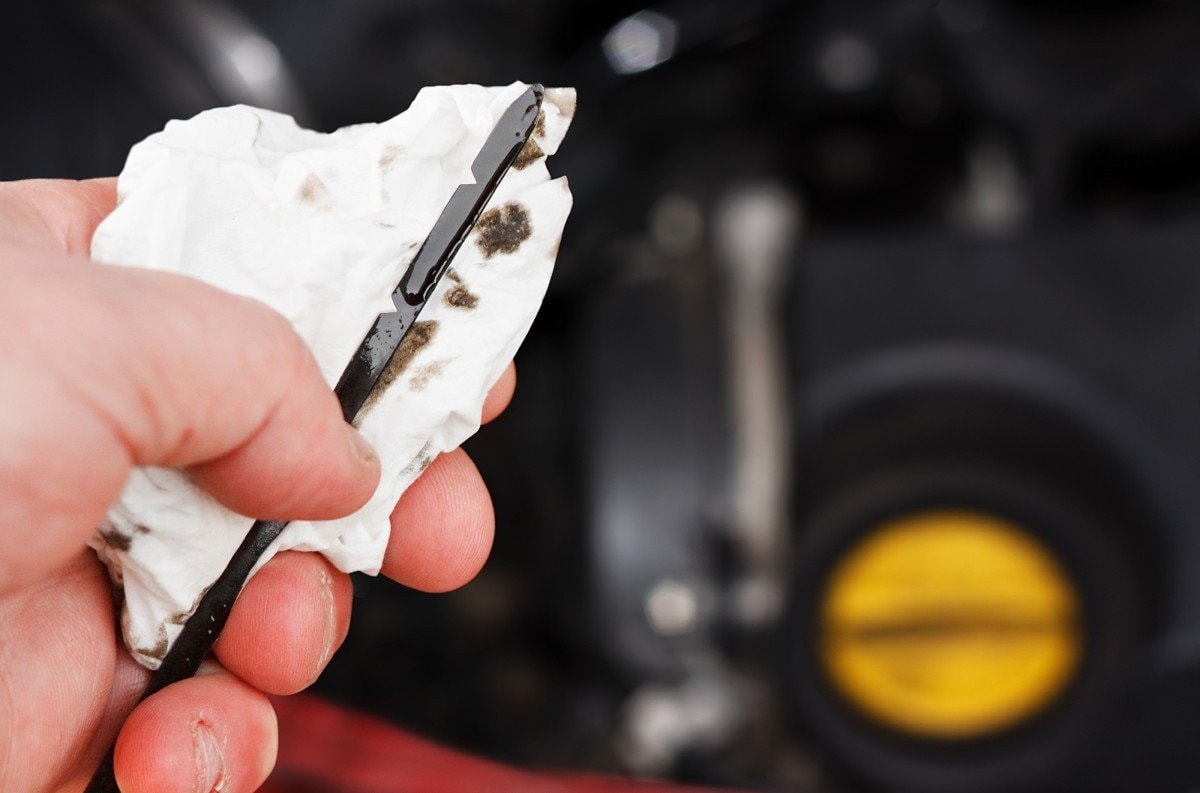
Refer to your owner's manual to determine the correct engine oil level for your vehicle, then proceed with adding the oil. Open the oil filler cap and add the oil. Note that you should not add the exact amount of oil specified in the manual, but rather add a little less.
For example, if your car's oil capacity is 4 liters, add 3.5 liters because there is still some oil remaining in the engine's internal components that doesn't drain completely when you drain it. After adding the oil, pull out the dipstick and check the level. If it's not enough, add more until you feel it's sufficient.
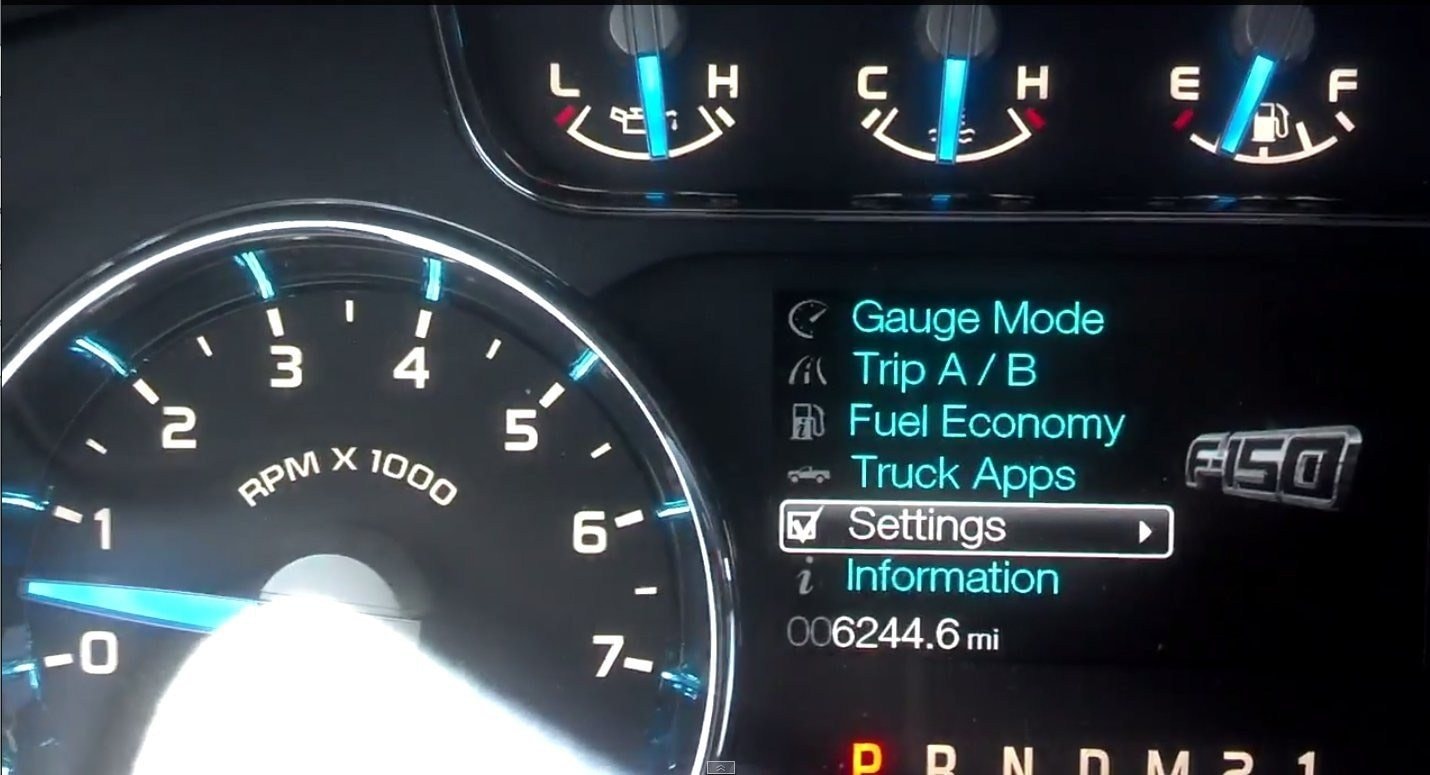
Start the car and reset the oil change reminder.
Restart the engine, and at this point, you should pay attention to the indicator lights on the instrument cluster to check for any system malfunctions. For newer vehicles equipped with an oil change check system, you may need to reset the system. This process varies between models, so you should consult your vehicle's owner's manual for further information.


