
New direction in organic tea production in Nghe An
Organic tea farming is an inevitable trend, and Nghe An province has implemented a pilot model. However, to expand it, more supportive policies are needed…
Organic tea farming model
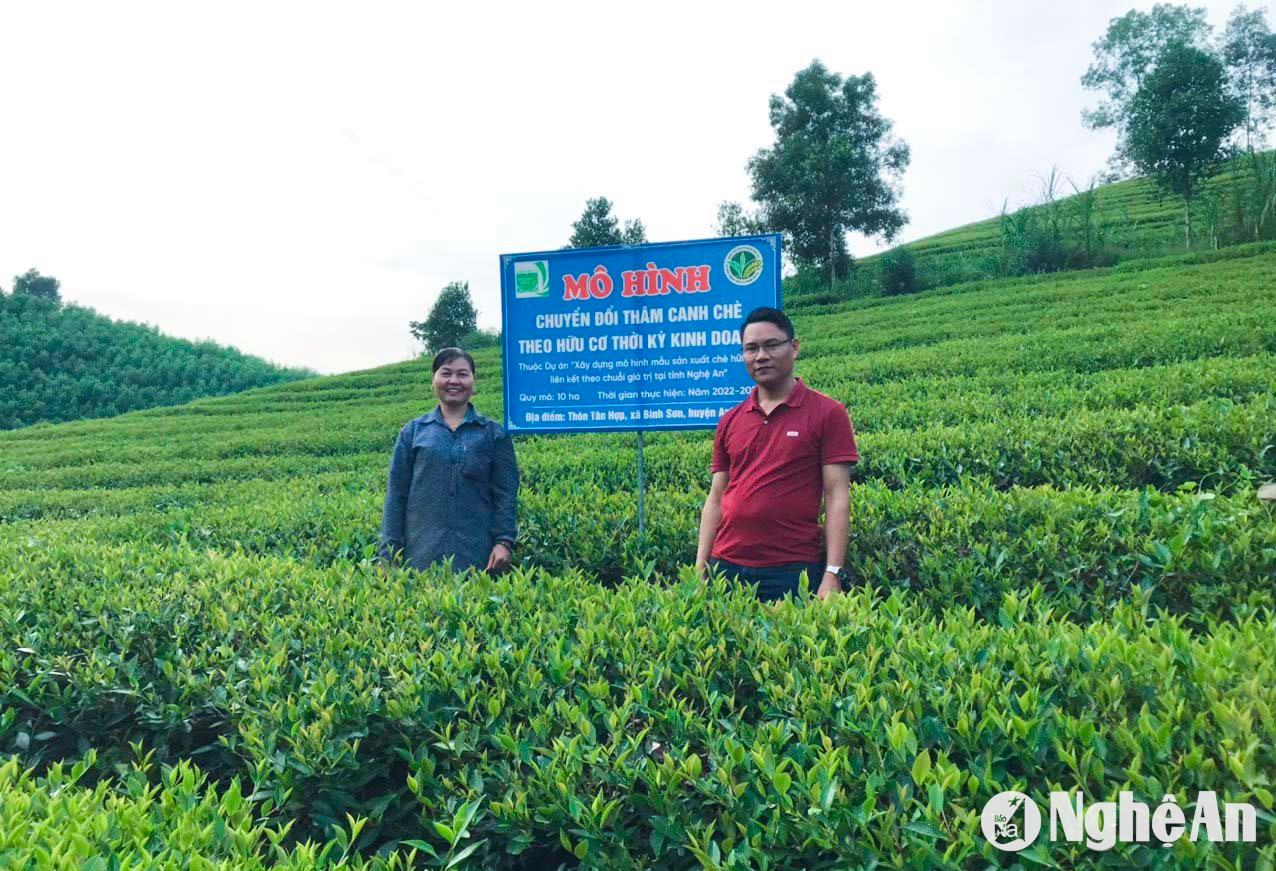
Tea plants are the main source of income for Ms. Bui Thi Tam's family in Tan Hop hamlet, Binh Son commune (Anh Son district). For the past few years, fluctuating tea prices have further limited investment in tea cultivation. Furthermore, due to improper intensive tea farming techniques in the past, and a focus on maximizing yield and production, the overuse of inorganic fertilizers and pesticides is unavoidable.
This causes the tea-growing soil to become compacted, losing its looseness and humus content, leading to a gradual decrease in tea yield; in addition, the quality of the tea is also affected, resulting in low prices for tea leaves. Starting in 2022, benefiting from the National Agricultural Extension Project, Ms. Tam's family shifted to intensive tea cultivation using an organic production model. Accordingly, 1.5 hectares of tea were converted to organic farming.
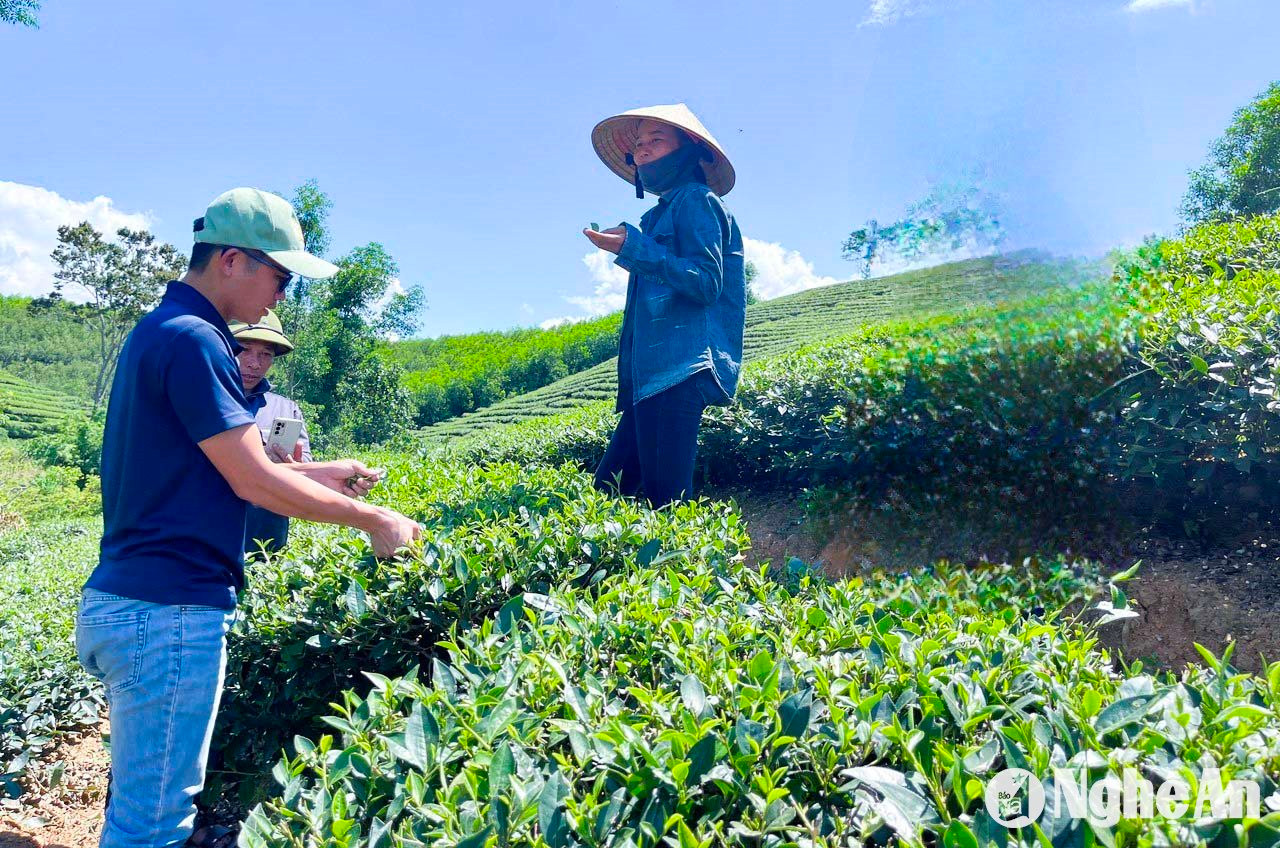
Ms. Tam said: “By participating in the model, we received training on technical procedures, support with materials and fertilizers, and product distribution agreements. After nearly 3 years of implementation, the biggest benefit I've noticed is the formation of a clean, safe, and high-quality production area.”
The project "Building a model for organic tea production, linked along the value chain in Nghe An province, 2022-2024" covers an area of 10 hectares with the participation of 10 households in Binh Son commune (Anh Son district), funded by the National Agricultural Extension Project.
After three years of implementation, the project has achieved encouraging results. Farmers have followed the correct technical procedures for organic tea production, from intensive care to balanced and timely fertilization. In particular, the model's support with organic microbial fertilizers combined with effective pest and disease control using biological pesticides has resulted in the entire tea area of the model growing well, with minimal pest and disease damage, loose soil, uniform bud production, and an average yield of 1.5-2.5 tons/ha/crop.
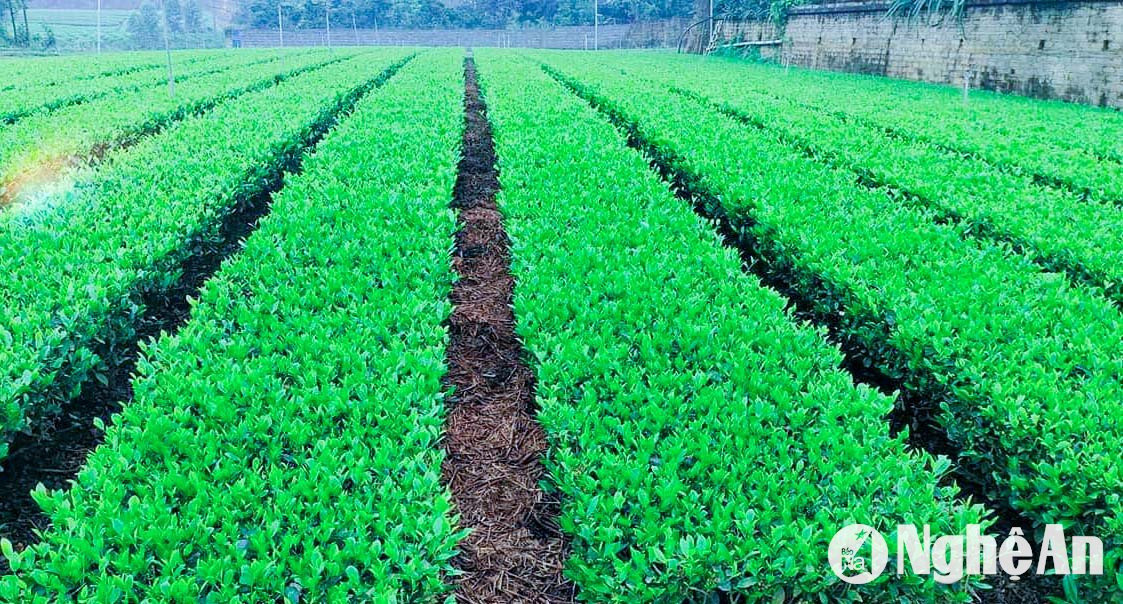
According to Mr. Nguyen Van Huu, a provincial agricultural extension officer directly in charge of the organic tea project in Binh Son commune: “In reality, if the organic production process is followed correctly and persistently, by the third harvest, the yield and production of organic tea are no less than that of conventionally grown tea. Meanwhile, in other provinces and cities, organic tea has a higher value, bringing higher profits to growers. Most importantly, tea buds are mainly exported, and to increase export value, we must have clean, safe products without chemical residues. Shifting to organic production is inevitable.”
Currently, the entire province has over8,300Ha province is a tea-growing region and has the second largest tea-growing area. 3the whole country with a production of nearly fresh tea leaves 80.000 tons/year.However, only 48 hectares of tea plantations have been certified under VietGAP standards, and only about 20 hectares have been certified as organic tea plantations. The value of tea is lower compared to other tea-growing regions nationwide. While the price of fresh tea buds in Thai Nguyen, Phu Tho, and Lam Dong reaches 15,000-20,000 VND/kg, and in other provinces 8,000-10,000 VND/kg, in Nghe An the highest price for tea buds is only 6,000 VND/kg, and at times it drops to only 2,000-3,000 VND/kg.
To avoid stopping at the model
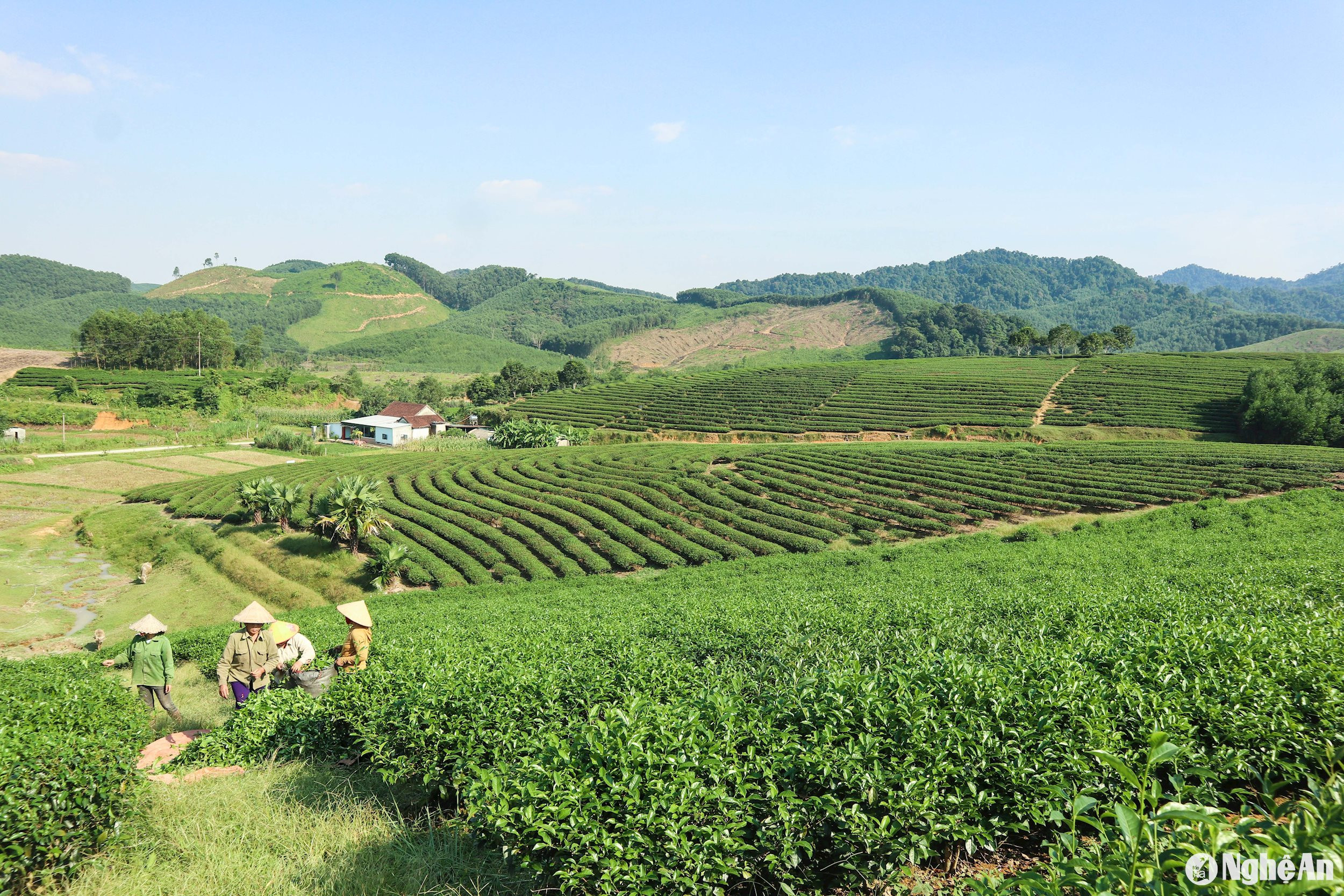
Recognizing the importance of tea cultivation, the Provincial People's Committee issued Decision No. 4288/QD-UBND dated November 11, 2021, approving the Project "Development of Key Agricultural Products of Nghe An Province, giai đoạn 2021-2025, with a vision to 2030"; and Decision No. 3108/QD-UBND dated October 11, 2022, of the Provincial People's Committee approving the project on the development of organic agriculture in Nghe An province. Accordingly, the goal is to reach 8,500 hectares of tea plantations applying high technology and producing according to VietGAP and organic standards by 2030, accounting for 70.8% of the total industrial tea cultivation area in the province.
While the goal is clear, in reality, organic tea production is facing certain obstacles and difficulties. Firstly, organic tea production requires strict standards, a long time for ecosystem conversion and improvement, and significant labor investment. Secondly, participating households have limited awareness and concerns about changing production habits, and are unfamiliar with keeping records for traceability, managing and selecting input materials, etc., leading to some entries in the records not being carefully or meticulously recorded, and information not being updated promptly.
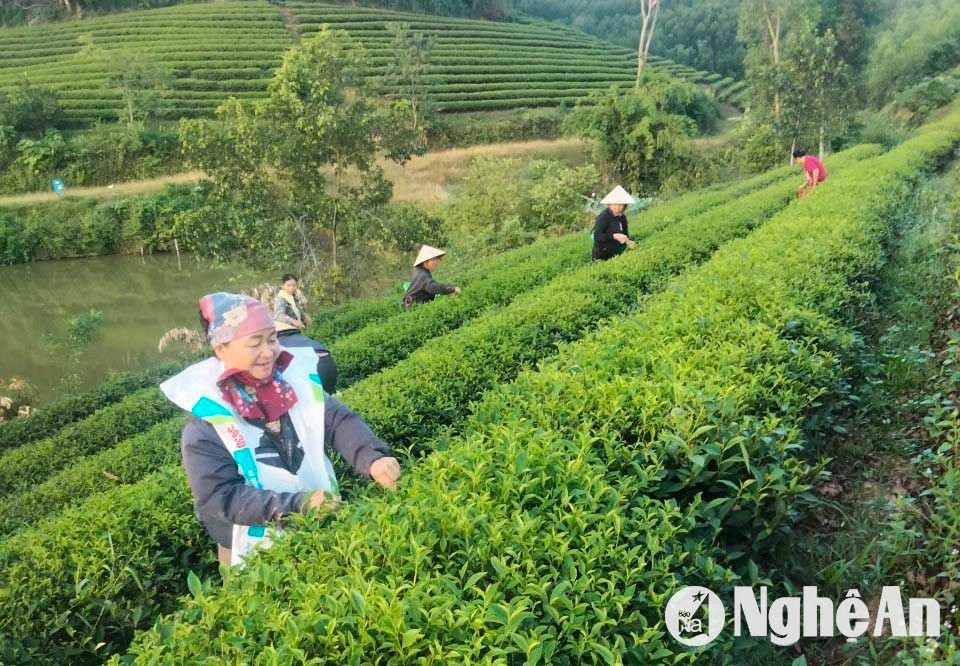
The types of inputs permitted for use in organic tea production, such as biological foliar fertilizers, biological pesticides, and herbs, are not widely available on the market and are much more expensive than chemically sourced inputs. In particular, organic tea is a high-quality tea that requires manual harvesting. Meanwhile, the market for organic tea is still small, and prices are not yet stable…
"In reality, organic farming increases costs and labor, but yields about 30% less than traditional tea. The tea is certainly tastier and absolutely cleaner, but the market for organic tea products is still the same as, or even worse than, traditional tea due to its less attractive packaging," Ms. Tam lamented.
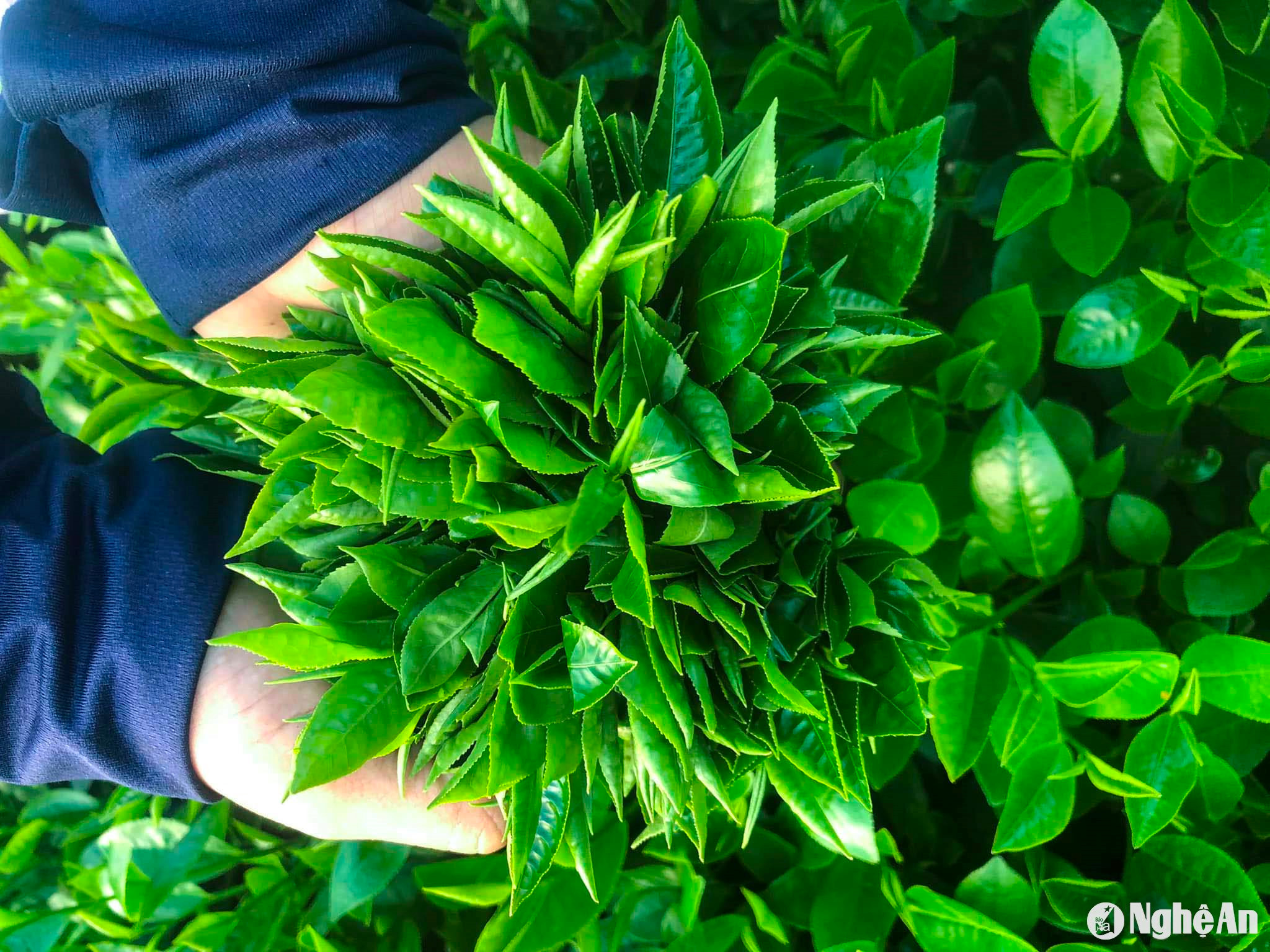
For organic tea production to go beyond pilot models, it is essential to first intensify public awareness campaigns and change the perceptions and mindsets of tea growers.
Secondly, there should be policies to support the conversion of tea plantations to organic farming, while also guiding people to produce their own biological products, herbal remedies, and organic fertilizers using agricultural by-products and locally available materials to save on production costs.
Most importantly, it is necessary to link production along the value chain, forming cooperatives and associations for organic tea production to sign contracts with businesses that will purchase tea leaves from farmers at prices 2-3 times higher than conventional tea.
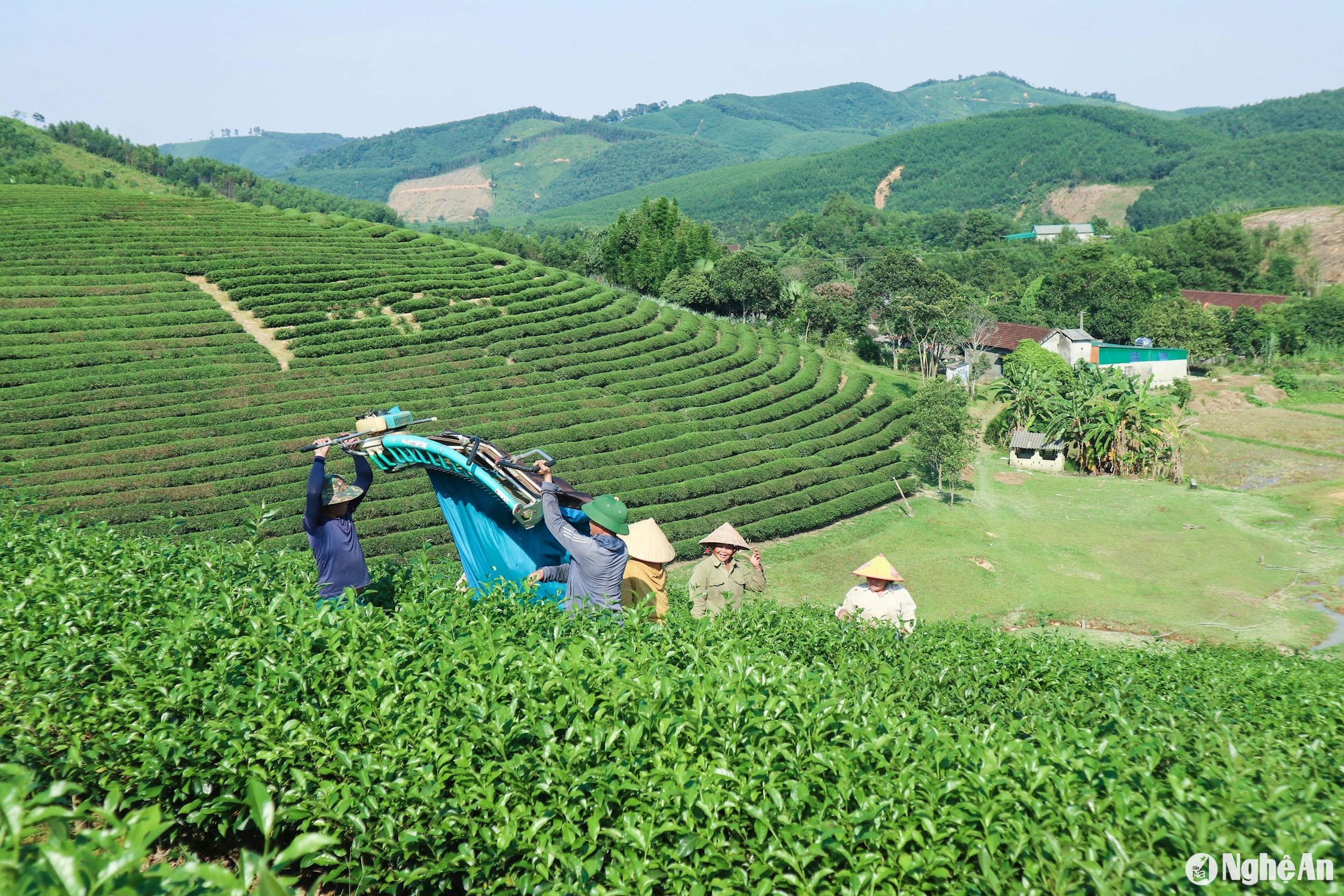
The transition to organic tea production has been a difficult process, but maintaining these organic tea plantations requires a sustainable market for the product.
Therefore, in addition to expanding the area of organic tea cultivation, attention should be paid to encouraging tea businesses to invest in upgrading equipment and processing technology associated with developing clean and safe raw material areas; attracting investment in factories processing high-end products from organic tea such as: bottled green tea beverages, instant green tea, essential oils extracted from green tea... In addition, building the brand of Nghe An tea to increase competitiveness and export value is also essential.


