
Discover the sacred springs of the Tho ethnic group in western Nghe An province.
Long ago, in Mo village (Nghia Xuan commune, Quy Hop district), now Luyen Xuan hamlet, Tam Hop commune, there was a sacred spring. From the earth, a clear, cool stream flowed year-round. For the Tho people, the spring was the source of life, connected to the story of their ancestors searching for land and water to build their village. Along with that came the belief in the spring's spirit and customs preserved from ancient times.
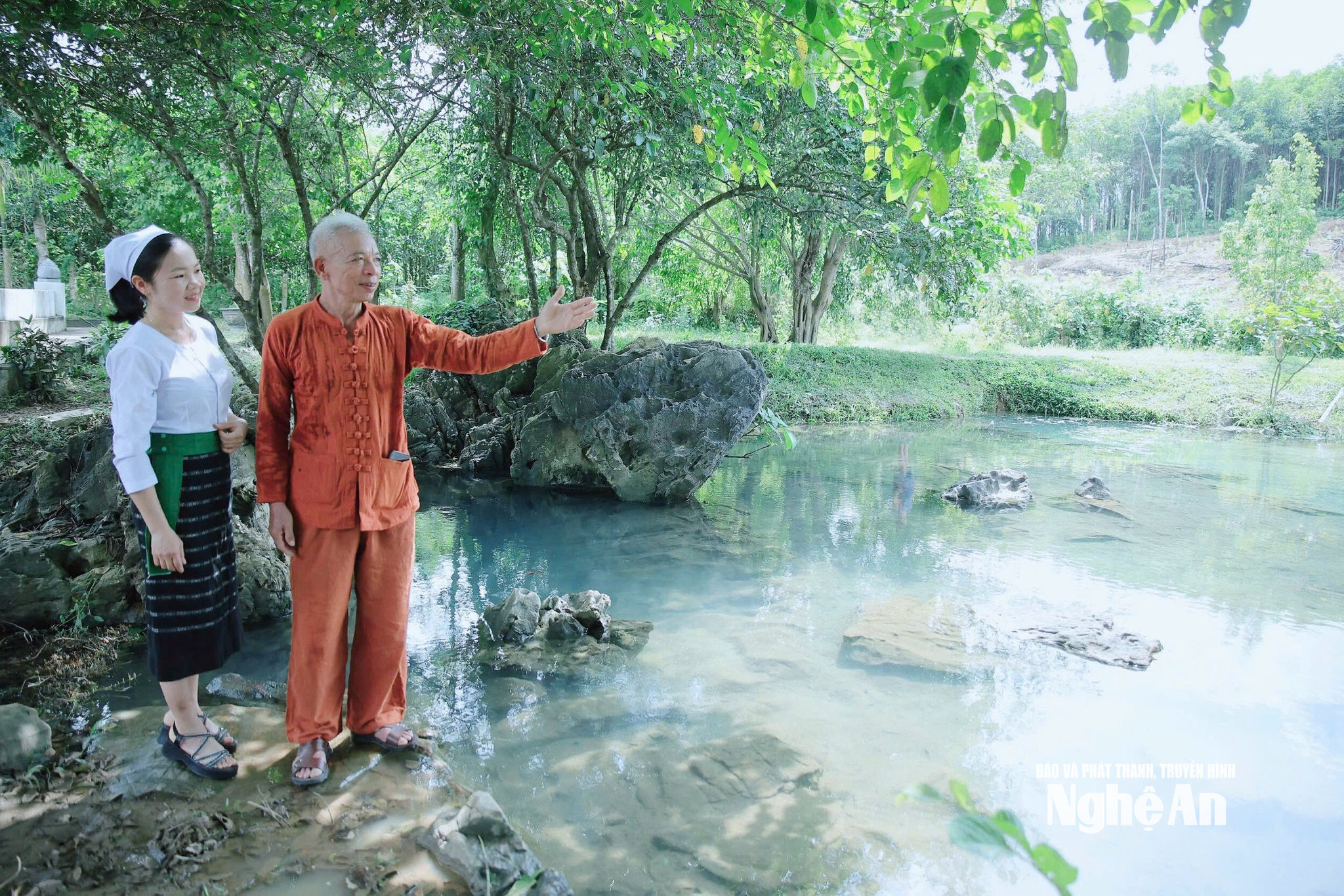
According to the elders, in ancient times, when the ancestors of the Tho people were still nomadic in the deep forests, they had to search for water sources. Wherever there was water, they stopped to build houses, clear fields, and establish their lives.
The spring has become a symbol of life. In the Tho language, "Mo" means a channel or stream of water gushing from the earth. The land where the spring is located in the ancient village of Mo was therefore chosen as the location for the village because the water source there never dries up. Mo village is nestled amidst surrounding hills and mountains, with picturesque scenery, a rural area where nature has created favorable conditions for people to live together.
For generations, this water source has nourished over 30 hectares of rice paddies and served the daily needs of the people. The spring never dries up throughout the year. The water, silently flowing from the earth, passes through the seasons and the changes in the village, becoming an integral part of the homeland.
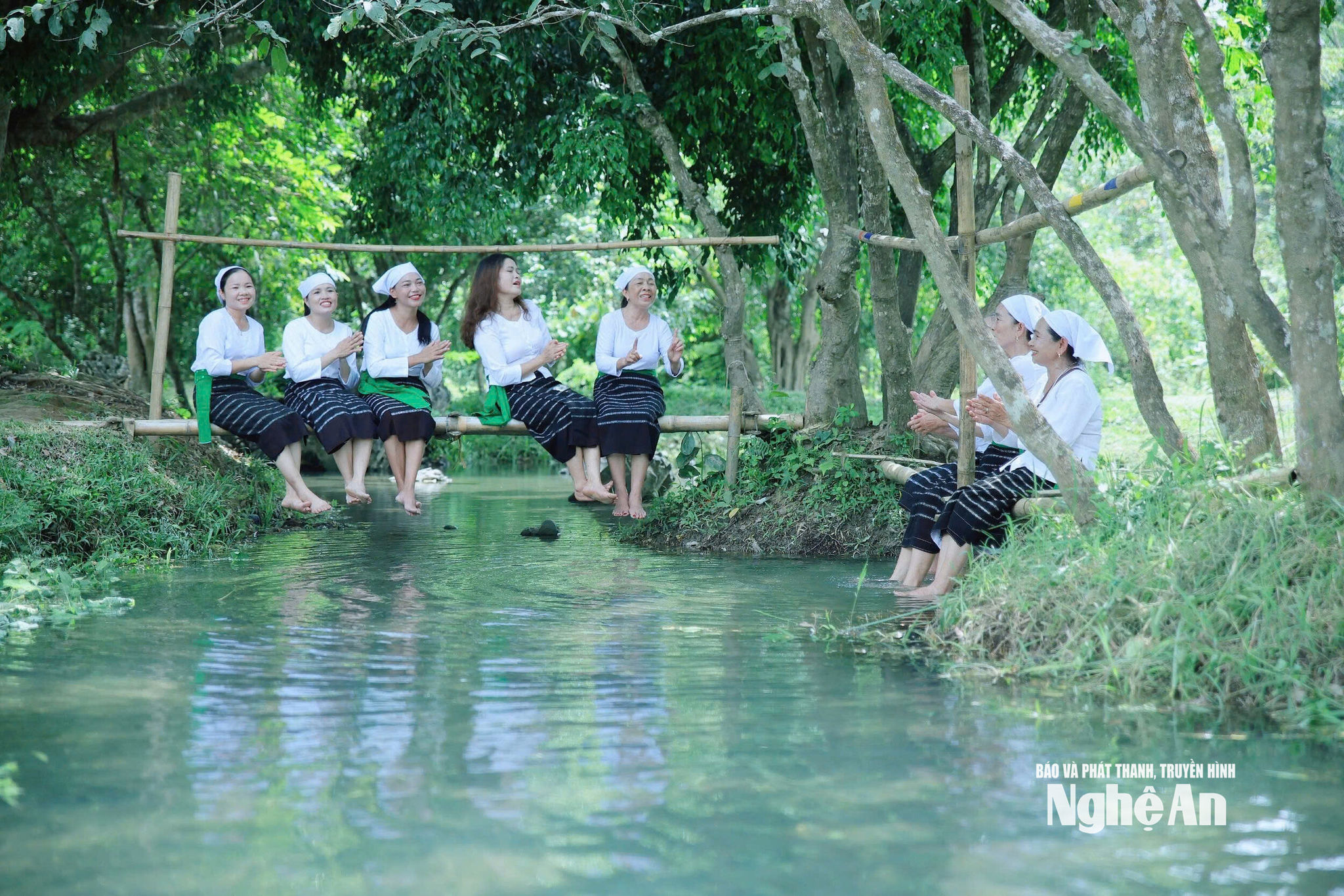
Along with the springs are the beautiful customs preserved by the Tho people. The story goes that each spring has its own unique characteristics.God MóHe managed and preserved the water sources, protecting the villagers from droughts and floods.
Therefore, there is a shrine in Mó, where people worship the Goddess of Mó and express their hopes for abundant water resources, bountiful harvests, and peaceful villages.
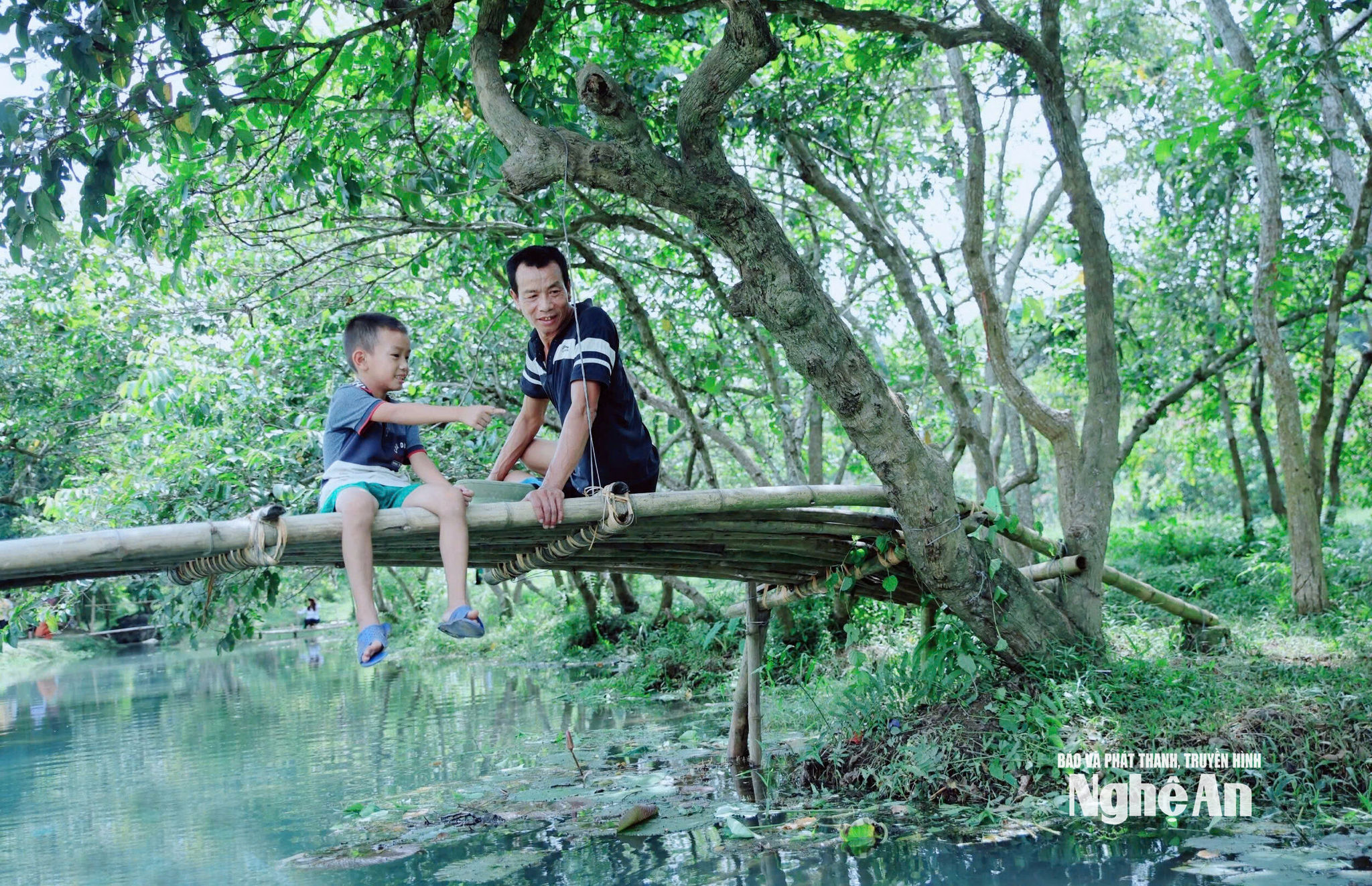
From that belief, the Bốc Mó ceremony has been passed down through many generations. Also known as the Mó temple worship ceremony or the opening of the Mó water source at the beginning of the year, the Bốc Mó ceremony is an important ritual of the Thổ people.
Traditionally, the ceremony takes place on the 10th day of the 3rd lunar month each year; if the drought persists, the ceremony may be held on the 10th day of the 6th lunar month.
Traditional offerings such as sticky rice, chicken, dog-head shaped cakes, buffalo horns, glutinous rice balls, puffed rice, and wine are presented to express hopes for a peaceful and prosperous year. Each offering also embodies people's faith in the land, the water, the protection of the gods, and the strength of the community.
In that sacred space, the shaman will perform the ritual on behalf of the villagers to pray for favorable weather, abundant water supply for daily life and irrigation of the community.
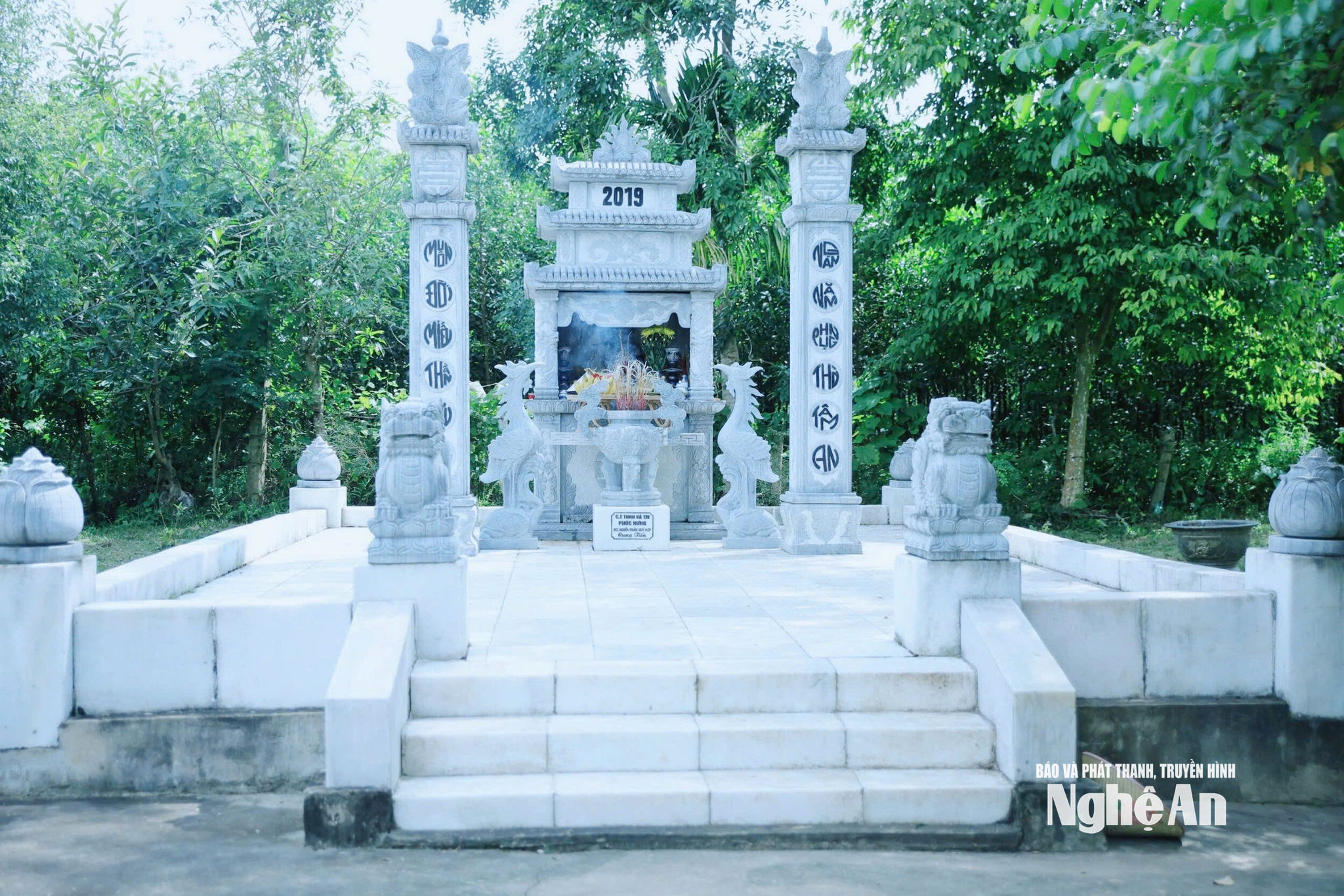
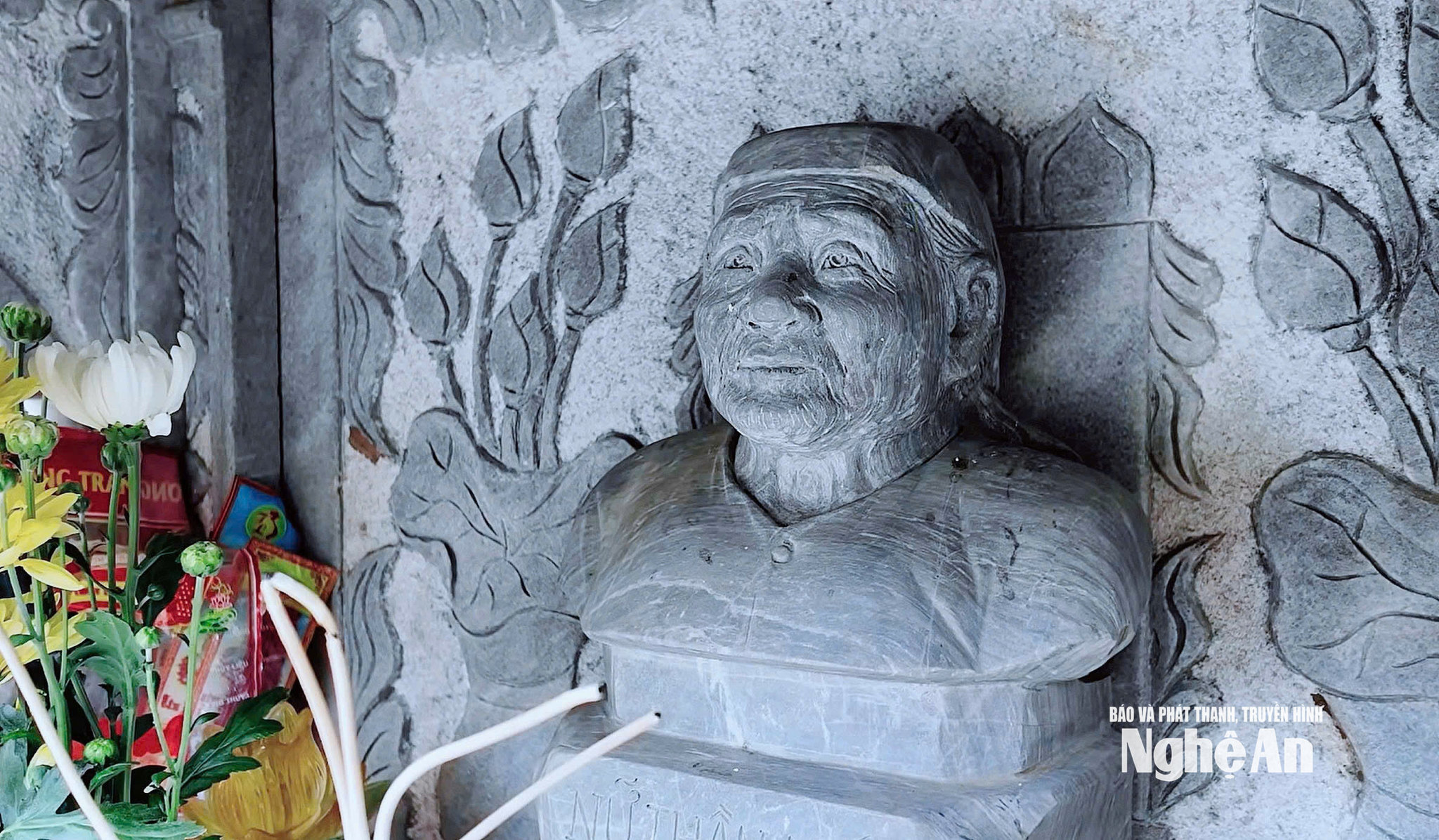
After the ritual offerings, the young men of the village dive together to clear the mud and unblock the water source. Once the source is cleared, the village festival atmosphere becomes lively. Everyone celebrates, dances, sings, plays gongs and drums, praying for the water source to flow freely, ponds and lakes to be full, the harvest to be bountiful, and the village to be peaceful.
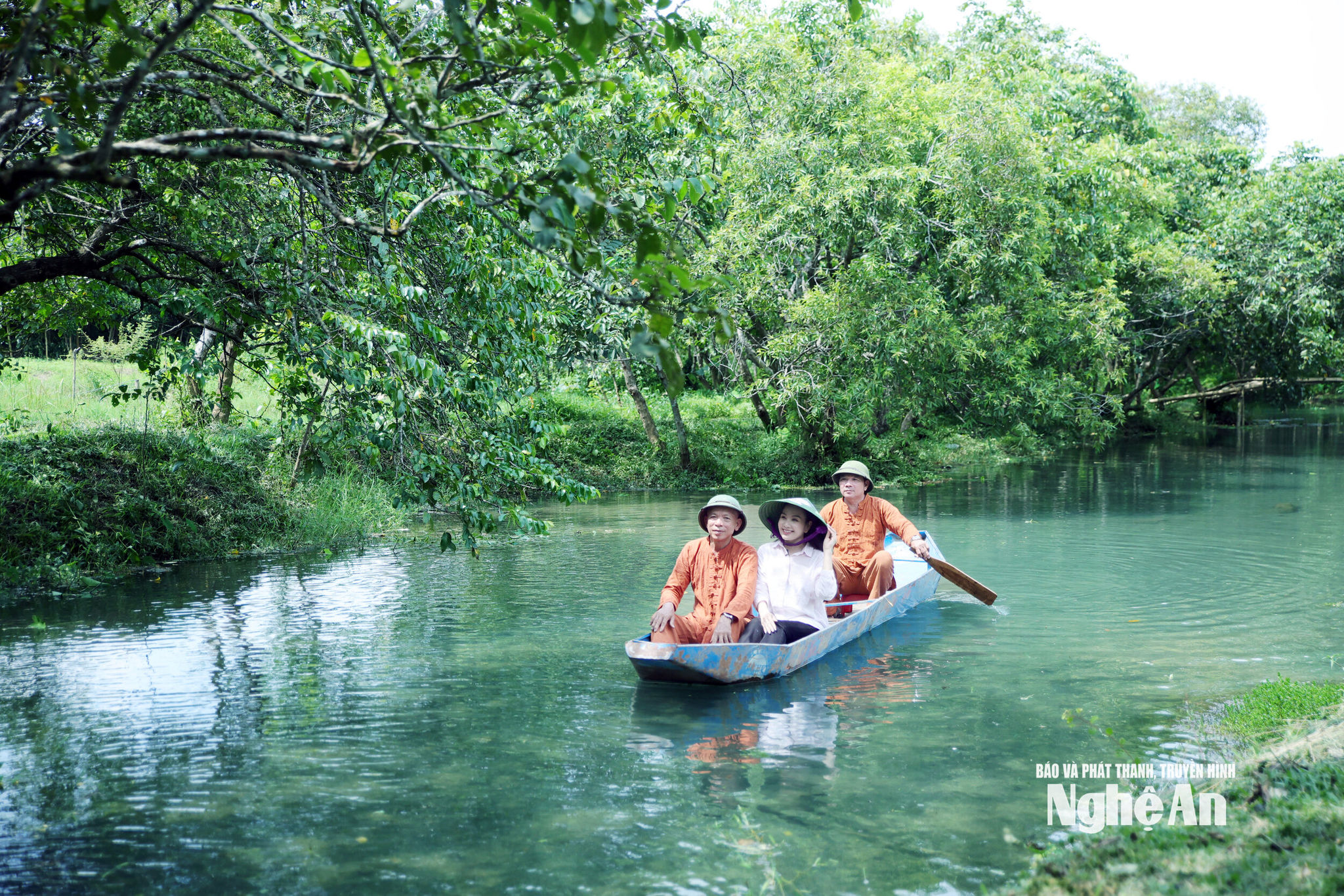
Over the years, thanks to the efforts of the local authorities and the attention of the province, the values of the festival and the scenery of this area are being preserved and promoted, linked to the journey of preserving cultural features and developing community tourism in the western part of Nghe An province.
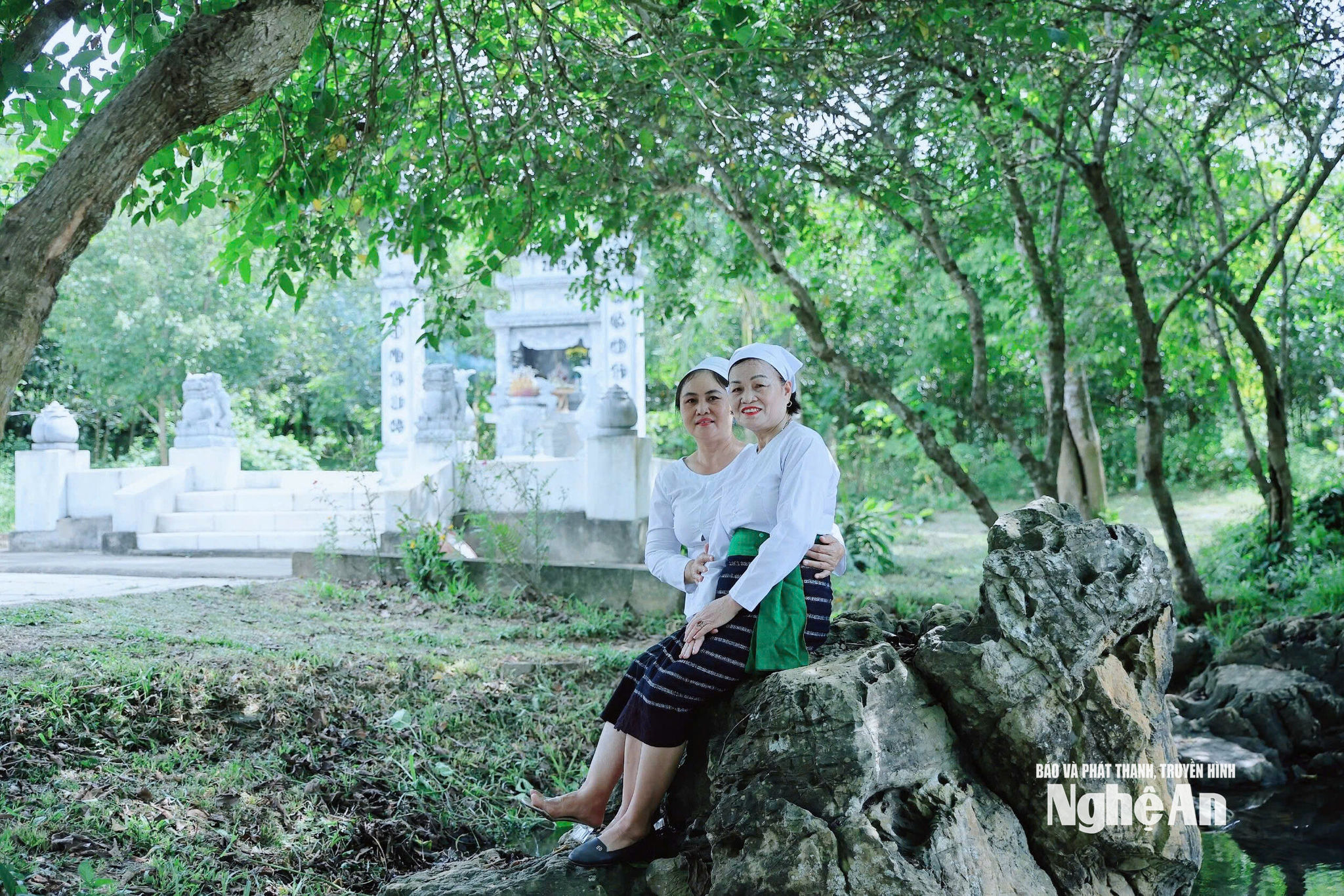
Locals still recount that, in the past, the headwaters of the spring were a sacred space, so women rarely went there. Over time, these taboos gradually eased. Now, women can visit the spring, immerse themselves in the cool, refreshing water and the familiar atmosphere of the village. They are also important factors in preserving and continuing the traditional cultural values of the community.
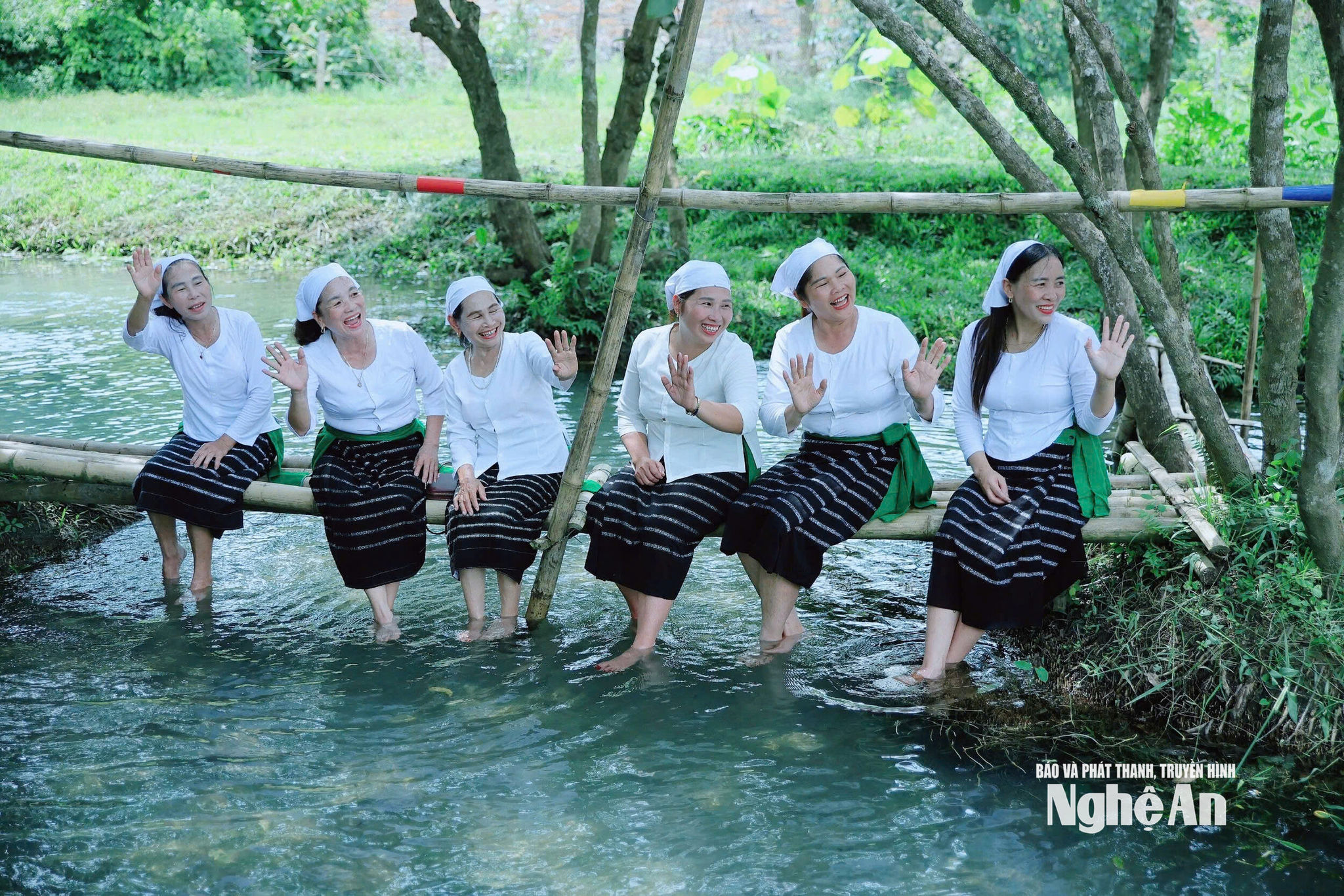
Locals also say that the women of Mo village become more beautiful thanks to the clean water; washing their hair in the spring water makes their hair smoother, and bathing in the spring water makes their skin more radiant.
Although these stories are only oral traditions, they reflect the love, attachment, and appreciation the people have for the water source that has nourished their villages for generations.
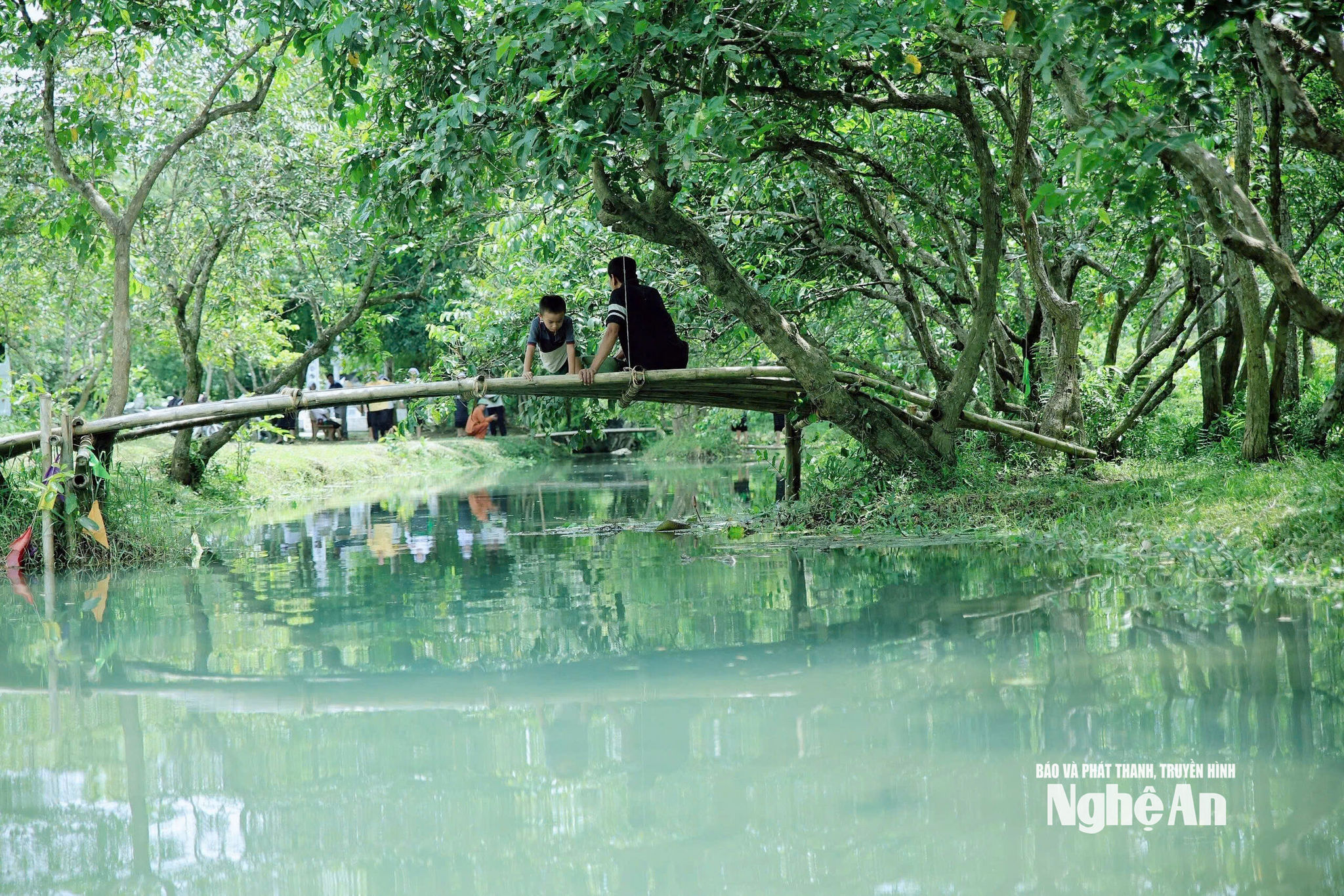
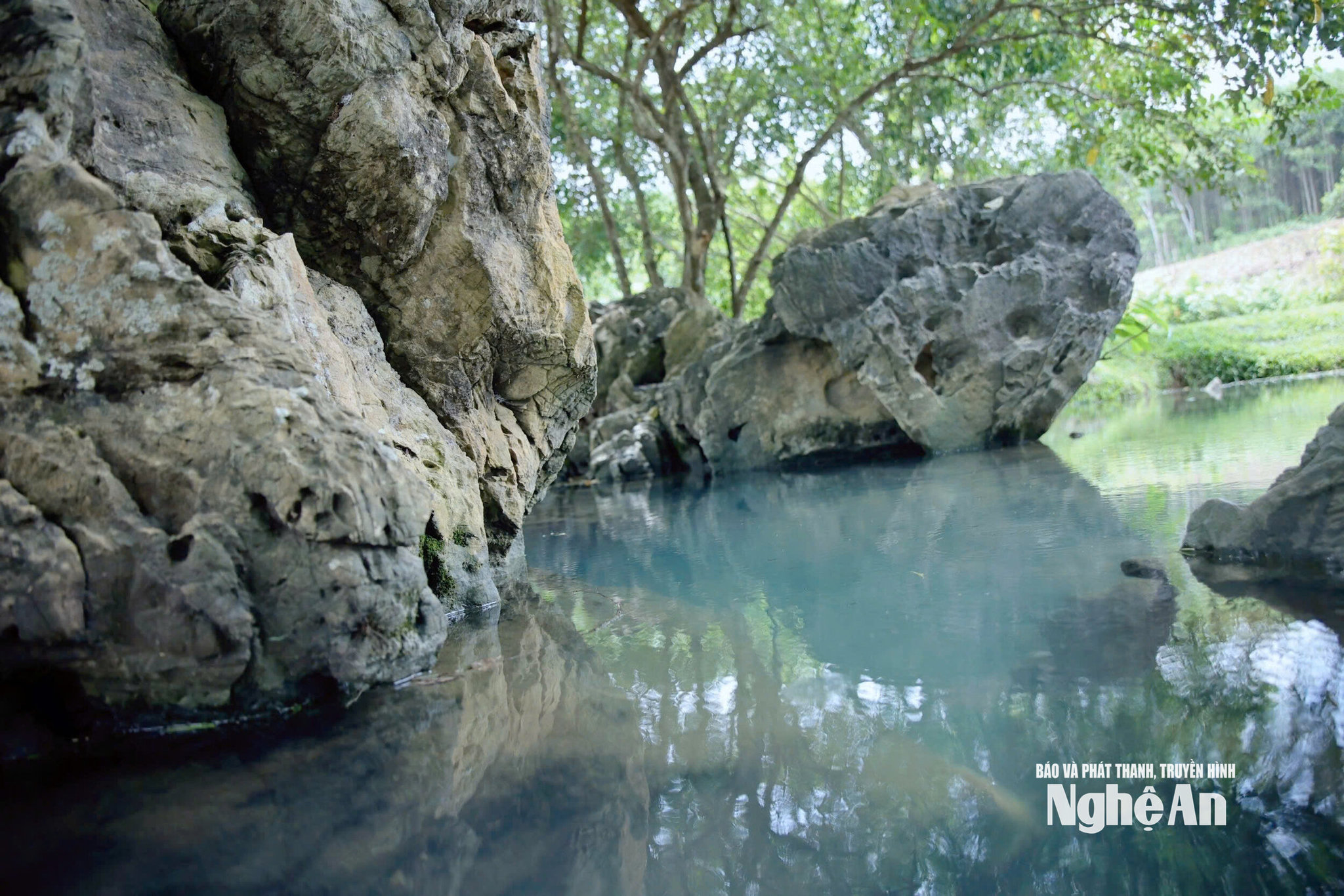
Amidst change, the Tho people still cherish the stream as if it were a vital part of their homeland. The stream continues to flow, silently nourishing the fields, villages, and preserving within itself the stories of generations of people here...


