
“Không một mình” giữa thế giới ảo
The dangers lurking for children are not just the shadowy figures lurking on street corners; now, criminals can approach them with just a few text messages or seemingly caring inquiries, gradually leading and binding them with invisible psychological and emotional strings.
Recently, the term "online kidnapping" has appeared in the media, causing many people to be shocked and confront a worrying reality: A significant number of children are facing an unprecedented risk of being lured, manipulated, or even "kidnapped" directly in cyberspace.
The dangers lurking for children are not just the shadowy figures lurking on street corners; now, criminals can approach them with just a few text messages or seemingly caring inquiries, gradually leading and binding them with invisible psychological and emotional strings.
The "Not Alone" campaign, launched on the morning of October 10th by the Cyber Security and High-Tech Crime Prevention Department (A05, Ministry of Public Security) in coordination with other units, is a strong move to alert society that no child should be left alone in a virtual world full of traps and deception.

"Online kidnapping" doesn't happen through violence, but through sophisticated manipulation. The perpetrators may impersonate friends to send messages asking for money, or send trap links. But even more dangerous are those who pose as confidantes, patiently listening, praising, and comforting the child when they are sad or upset.
Once trust is established, children easily become prey. From emotional dependence, they can be threatened, controlled, asked to transfer money, have sensitive photos leaked, or be lured into dangerous activities. Seemingly harmless clicks can leave lasting wounds on their tender souls, causing many to live in anxiety, low self-esteem, and even depression.
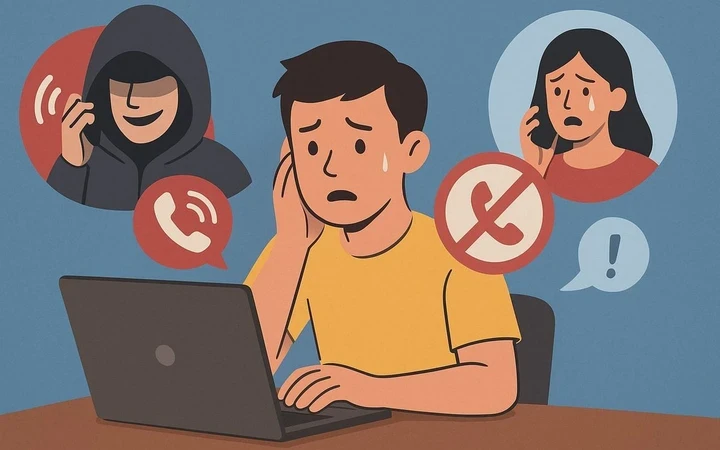
What troubles many people most is that the root of these incidents often stems from loneliness within the family itself. Parents are busy, children have packed schedules with extracurricular activities, and face-to-face conversations become increasingly rare. In a household, family members may sit together, but their minds are occupied by their own screens. Notifications from social media replace the sounds of questioning and sharing. And when a child cannot find the listening of their parents, they are easily drawn to "virtual friends" who are available 24/7. This void in family affection inadvertently opens the door for "online kidnappers" to enter.
The "Not Alone" campaign is therefore not just the work of law enforcement. It is also a wake-up call for every household. A safe society cannot rely solely on laws or technology, but must be nurtured by families that know how to connect and love. Parents need to learn how to befriend their children, instilling in them the belief that anything can be shared, instead of judgment or scolding. Family meals need more than just physical presence: a listening eye, a sympathetic nod, a hug when a child is sad. This is a "soft yet strong shield," helping children stand firm against the storms of social media.
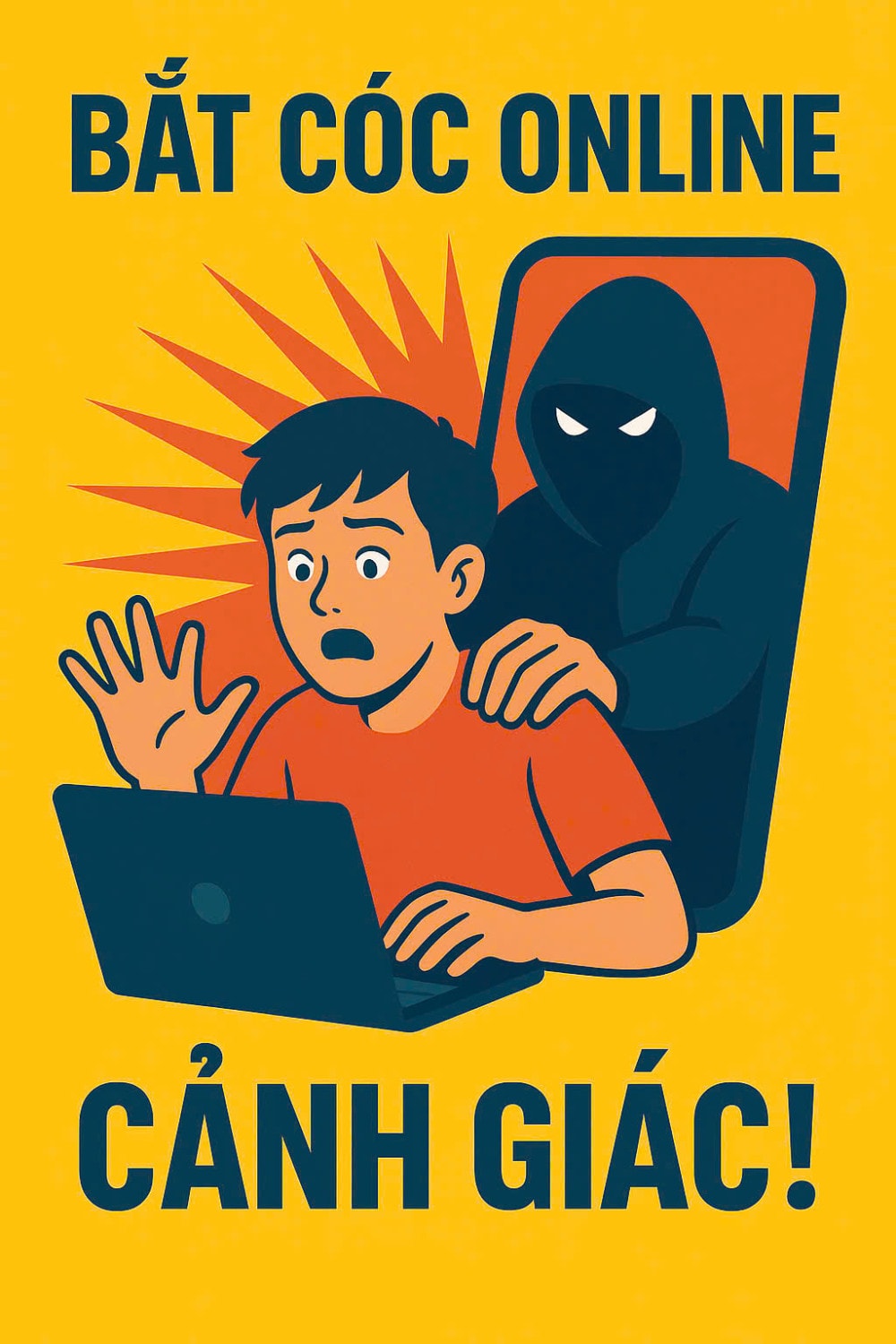
On another level, responsibility also lies with schools and the community. Schools should not only teach knowledge but also equip students with digital skills and the ability to cope with dangerous online situations. Social organizations and the media need to disseminate warning information and guide parents and children on how to identify scams. Law enforcement agencies need to continue dismantling cybercrime rings and severely punish offenders to deter future crimes.
Ultimately, the greatest danger isn't just the bad guys out there, but letting children grow up feeling empty and lonely. A child who feels heard and trusted is less likely to be deceived by empty sweet talk online. A family that knows how to talk and share is the safest "fortress." And a society is only truly strong when no one, especially the future generations, has to walk alone.
“Không một mình” vì thế không chỉ là tên của một chiến dịch. Nó là lời nhắc nhở về trách nhiệm của cả cộng đồng, nhưng trên hết, là tiếng gọi thức tỉnh mỗi bậc phụ huynh: Hãy dành thời gian cho con, hãy kết nối bằng trái tim, để con không phải tìm kiếm sự đồng hành trong bóng tối của mạng ảo. Chỉ khi ấy, những đứa trẻ mới có thể an tâm lớn lên, tự tin bước ra thế giới, và không bao giờ cảm thấy đơn độc cả trong đời thực lẫn trên không gian online.


