
Timely removal of obstacles in vehicle inspection.
The Ministry of Transport's new circular on vehicle inspection activities has promptly resolved obstacles, with the expectation of benefiting millions of people and saving a considerable amount of social costs. The mechanism itself is a resource; once the obstacles are removed, a huge amount of resources are generated without any investment costs.
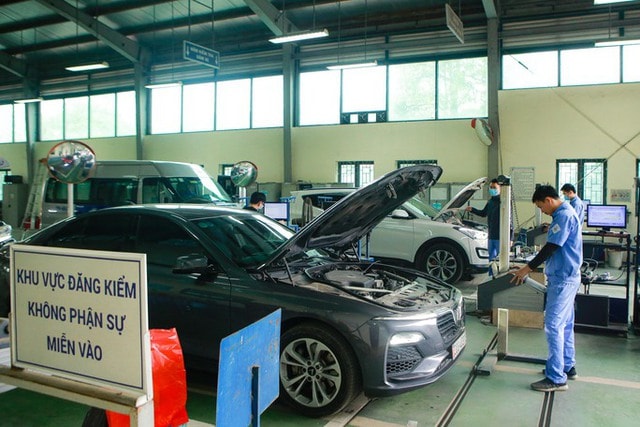 |
Currently, the number of vehicle inspection lines that have resumed operation is approximately 73%. |
The police investigation and prosecution of violations in vehicle inspection activities has been like a "storm, a tsunami" for vehicle inspections nationwide, inadvertently affecting citizens and businesses. Citizens are suffering, having to wait in long lines for days. For businesses with vehicles due for inspection, the hardship is multiplied. Orders must be delivered without delay, while vehicles must be inspected before they can be driven on the road to avoid fines. Many people have even used the analogy of "throwing a mouse and breaking a vase" to describe this situation.
Strict enforcement is necessary, but it must not compromise the rights of citizens, preventing a complete breakdown in the system. A nation of 100 million people and nearly 1 million businesses cannot afford to be devastated and disrupted by the shortcomings and weaknesses in vehicle registration management perpetrated by a small group of individuals. The damage to the economy will be long-lasting if this situation is not quickly and decisively resolved.
From the outset, the Government and the Prime Minister have grasped the issue, clearly identified the problem, and directed measures to resolve it. At the beginning of this year, during a conference summarizing the Ministry of Transport's activities, Prime Minister Pham Minh Chinh reminded attendees that the vehicle inspection issue arose from a mechanism that fostered corruption, stating, "We cannot allow the normal to become abnormal, with cars queuing all night for inspection."
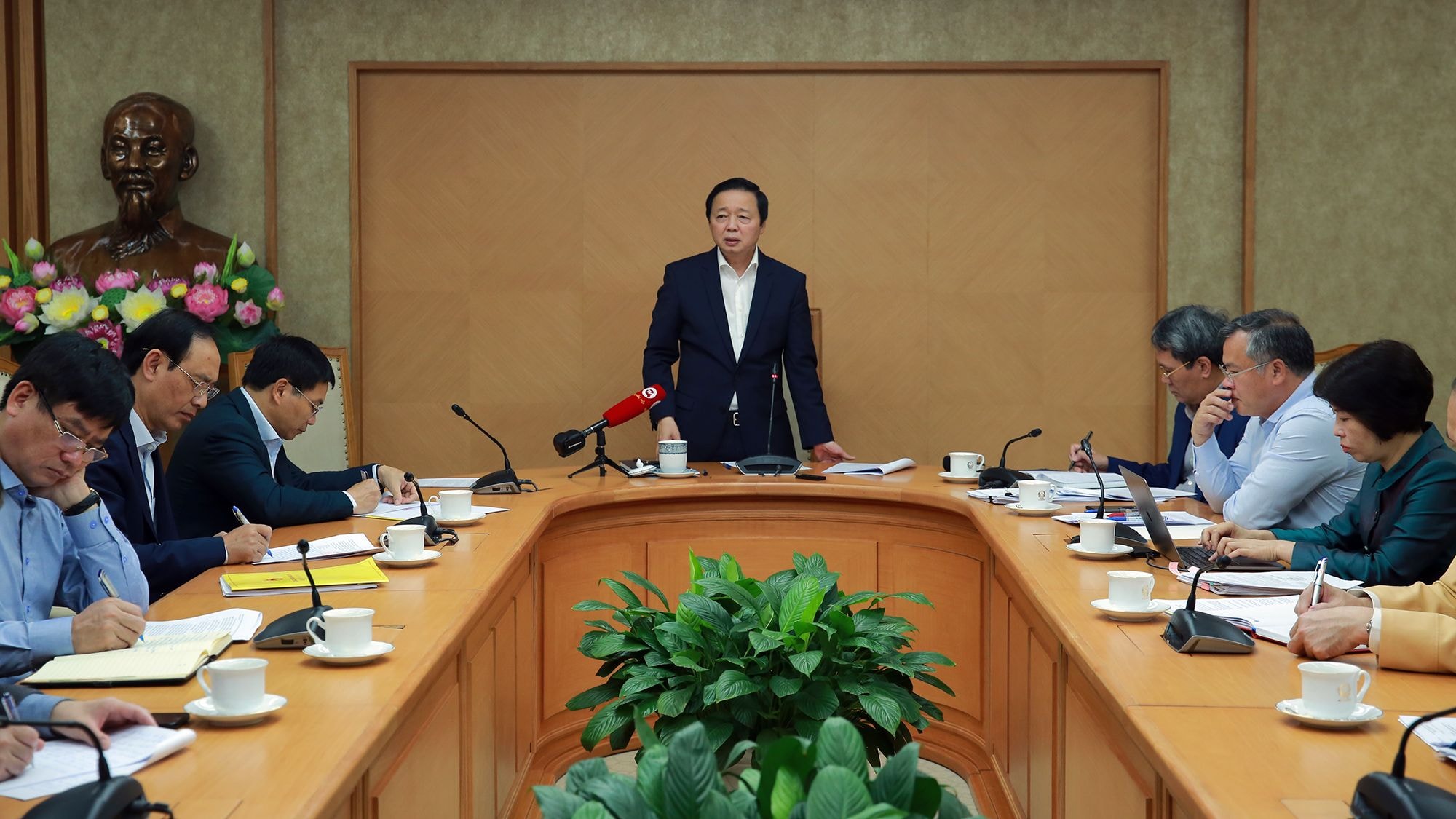
At a recent meeting on vehicle inspection, Deputy Prime Minister Tran Hong Ha emphasized the responsibility of state management agencies to provide public services to the people. Therefore, while addressing and resolving weaknesses in state management agencies, the best solutions must be found to avoid affecting the rights and interests of the people.
The Ministry of Transport has actively intervened, immediately removing the "shackles" on vehicle inspection, which were outdated regulations that had existed for a long time. The amendment of Circular 16/2021/TT-BGTVT regulating the technical safety and environmental protection inspection of road motor vehicles is considered swift, demonstrating the decisiveness and determination of the Ministry of Transport.
The circular, issued on the evening of March 21st using an expedited procedure, was sent to vehicle inspection stations that same night and took effect the following day, March 22nd. The circular's approach is considered to closely follow international practices and incorporate the inspection cycle experiences of other countries. It is estimated that over 3 million vehicles will have their inspection cycles extended. The policy of exempting new cars from initial inspection alone could save hundreds of billions of dong annually, along with the time and effort of many people.
It can be said that this issue has been discussed, analyzed, and debated for a long time, and now a decision has been made to implement it through amendments and additions to the regulations in the legal document, which is welcome news. With a legal basis, clarity and transparency will be ensured for all relevant parties involved in inspection activities.
The amendment of Circular 16 may only be the beginning. There is a long way to go to comprehensively build a new system for vehicle inspection, ensuring transparency, minimizing potential corruption, and providing convenience for the public. The next step is to amend Decree No. 139/2018/ND-CP regulating the business of motor vehicle inspection services.
However, with a resolute spirit and a focus on the common good, all obstacles can be overcome. Some argue that "easing the burden on the people," creating resources through mechanisms and policies, is not a big deal, but simply requires amending and adjusting small aspects of social management.
But, a small thing can have a big impact.
09/03/2023


