
Does driving slowly save fuel?
Many drivers believe that driving slowly can help save fuel, but is this true?
According to many experts in the automotive industry, this is a subjective, emotional, and unfounded opinion.
In reality, there is no single rule that applies to all types of cars regarding optimal fuel efficiency. Each car model has its own unique specifications, and therefore, the optimal fuel consumption speed also varies.
Furthermore, when driving very slowly, the engine typically rotates at a low RPM, ranging from 1,000 to 3,000 revolutions per minute. At this speed, the car is in a low gear, and the engine speed per kilometer is higher. This causes the engine to burn more fuel to meet the demands of each rotation cycle.
However, at high speeds, the advantage is that the car will shift to a higher gear while maintaining the engine speed within the 1,000-3,000 rpm range. In theory, this should result in lower fuel consumption. Nevertheless, the higher the speed, the more a problem arises that impacts fuel consumption: air resistance.
When a vehicle moves at high speeds, air resistance increases significantly. At this point, the engine has to work harder to overcome this resistance. Therefore, fuel consumption will also increase, varying depending on the vehicle model and its design, with different aerodynamic coefficients.
Because fuel efficiency depends on many factors, it's difficult to definitively say whether driving fast or slow will save fuel. This also means that driving slowly doesn't necessarily mean the driver will save fuel.
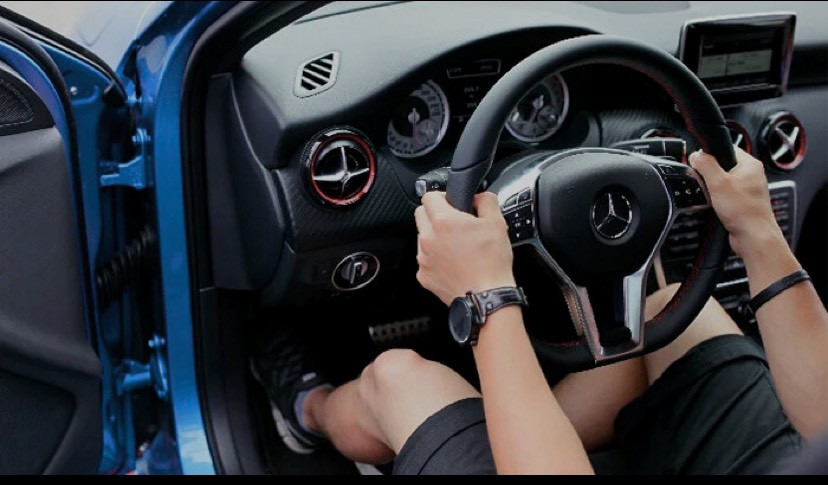
Besides the model and type of vehicle, proper driving techniques and skills can also help drivers save a significant amount of money. Therefore, instead of trying to drive slowly, there are many other "secrets" to optimizing fuel efficiency.
First, it's important to plan and choose the most convenient route each time you travel. Especially in large cities like Hanoi and Ho Chi Minh City, traffic jams are common. If traveling by car, drivers should choose the shortest route with the least congestion. This will help the vehicle consume less fuel.
In addition, drivers should consider removing unnecessary goods and items from their vehicles. This is because regularly carrying a lot of unused items in the car increases its weight, requiring more energy from the engine to operate while driving, leading to higher fuel consumption.
When driving in urban areas, pay close attention to traffic lights or heavy traffic ahead. Drivers should estimate the distance to maintain a consistent speed, avoiding sudden stops and having to accelerate to regain momentum.


