
What can be done to turn festivals in Nghe An into tourism products?
Every year, Nghe An province hosts dozens of traditional festivals with unique rituals, folk games, and cultural performances that not only reflect the rich spiritual life of the local community but also create opportunities for the development of cultural tourism. However, there remains a significant gap between this potential and the creation of attractive tourism products.
Many unique festivals
Nghe An is one of the localities with a relatively large number of traditional festivals in the North Central region, with nearly 30 festivals of varying sizes throughout the year. From festivals associated with the maritime beliefs of coastal residents to historical and spiritual festivals in the plains and midlands, each festival carries its own layers of cultural heritage.
Among them,Cờn Temple FestivalIn Quynh Mai ward, the festival is one of the typical festivals of the coastal region of Nghe An. The festival usually takes place from the 19th to the 21st of the first lunar month, attracting a large number of locals and tourists. The highlight of the festival is the fishing prayer ceremony with the "running and vomiting" ritual, reenacting the scene of fishermen going out to sea to fish, praying for favorable weather and a bountiful harvest.
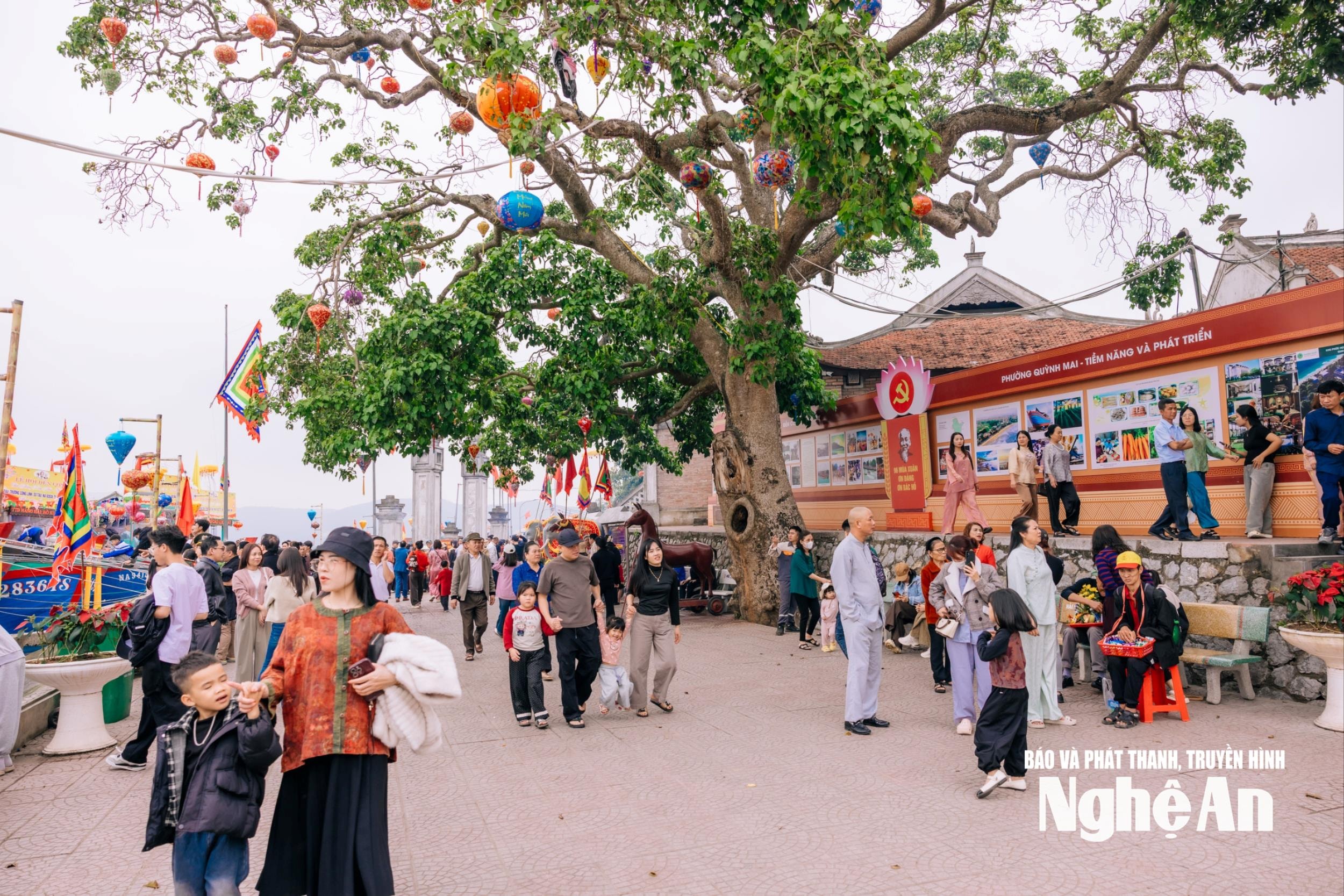
Besides the solemn ceremonies, the festival also features lively activities such as human chess and boat races. During the main festival days, the area around the temple becomes bustling with locals and tourists. However, most visitors only stay for a short time; after participating in and witnessing the main rituals, many quickly leave.
Ms. Nguyen Thi Ha, Vice Chairman of the People's Committee of Quynh Mai Ward, said: "The festival holds great cultural and religious significance for the local people. In recent years, the locality has paid more attention to organizing, beautifying the landscape, and ensuring security and order. However, tourism services associated with the festival are still quite limited," Ms. Ha said.
This situation isn't unique to coastal areas; similar events occur at many other festivals as well.Quả Sơn Temple FestivalIn Bach Ngoc commune, the festival is associated with the historical figure Uy Minh Vuong Ly Nhat Quang. The festival usually takes place in the first lunar month with many traditional rituals such as the procession of the royal decree, the procession of Uy Minh Vuong's palanquin, and the ceremonial offering of incense in his memory. Besides the ceremonial part, the festival is lively with folk games and traditional cultural and sports activities.
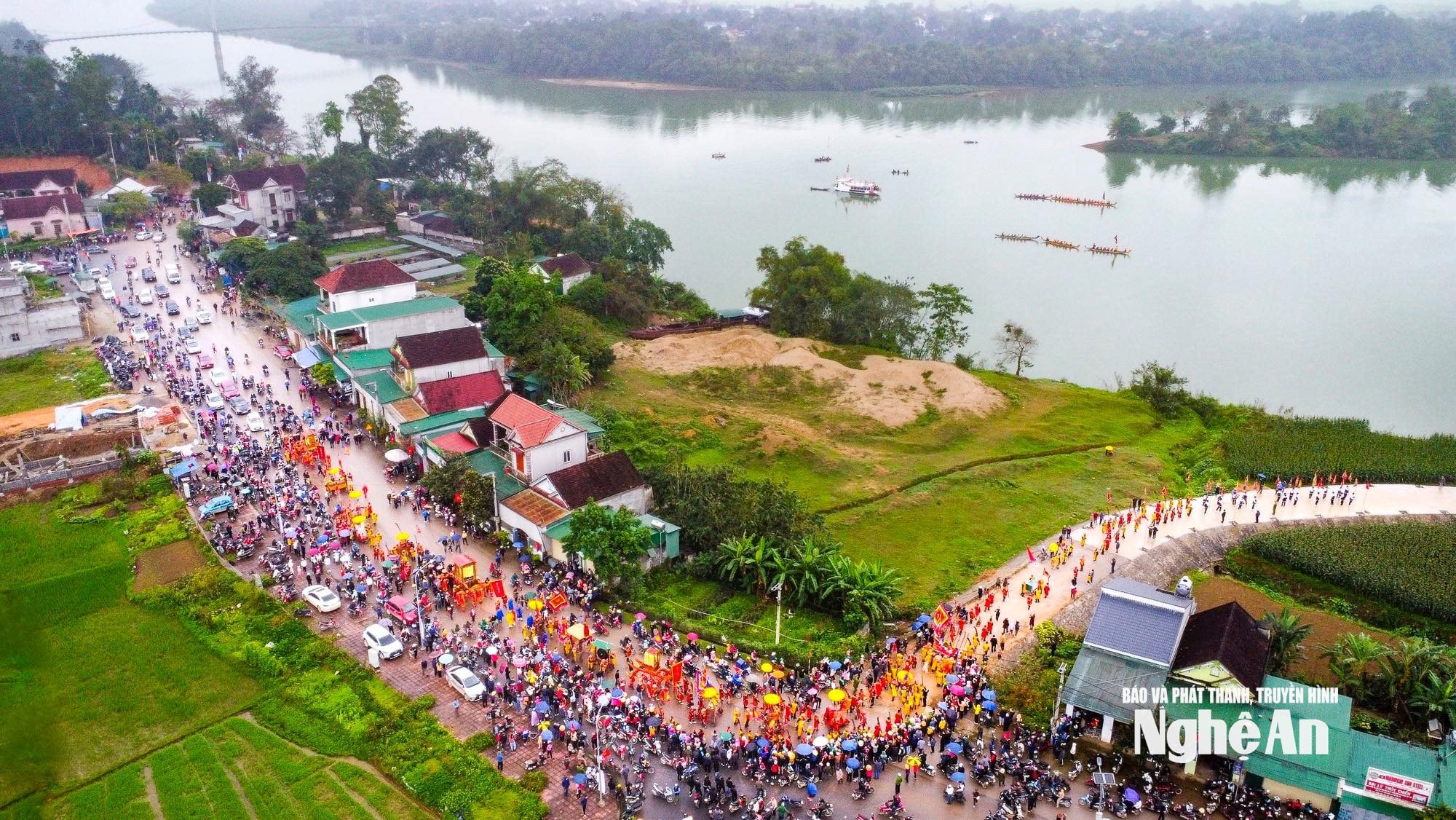
However, the number of visitors from other localities attending the festival remains quite modest. The majority of attendees are local residents or from neighboring areas, while tourism tours that capitalize on the festival are still largely undeveloped.
Not only during the spring festival season, many spiritual destinations in Nghe An also attract large numbers of tourists at other times of the year. During the festival at the Ong Hoang Muoi Temple in Hung Nguyen commune in the tenth lunar month, the area around the temple is usually crowded with locals and tourists coming to offer incense and pray for good fortune.
Mr. Nguyen Trung Thanh, a tourist from Hanoi, said that he had visited the temple many times and had the opportunity to attend the festival there. “The festival space is quite unique, combining spiritual elements with traditional cultural activities. However, most visitors mainly come to perform rituals, sightsee, and then leave. If the festival included activities introducing local culture, displaying documents about the historical site, or organizing experiences related to local life, tourists might stay longer,” Mr. Thanh shared.
What can be done to turn festivals into tourism products?
According to Mr. Tran Xuan Cuong, Deputy Director of the Department of Culture, Sports and Tourism, Nghe An has many favorable conditions for developing tourism associated with festivals. However, most festivals currently organized are primarily aimed at preserving and promoting traditional cultural values; the integration with tourism activities is only in its initial stages.
"For the festival to become a tourism product, close coordination is needed between the cultural sector, the tourism sector, local authorities, and especially the participation of businesses in developing experiential activities and accompanying services," Mr. Cuong said.
Mr. Tran Xuan Cuong – Deputy Director of the Department of Culture, Sports and Tourism
Dr. Nguyen Thi Hong Vinh – Deputy Head of the Faculty of Tourism and Social Work, School of Social Sciences and Humanities, Vinh University, argues that many festivals today still primarily serve the cultural and religious needs of local communities, while current tourism trends show that tourists are increasingly interested in deeper cultural experiences.
“Tourists not only want to attend the ceremonies but also want to understand the historical and cultural story behind the festival, and participate in experiential activities such as learning about customs and traditions, enjoying local cuisine, or exploring the lives of the indigenous community. If the festival only takes place within the scope of traditional ceremonies without such experiential activities, it will be very difficult to create a truly meaningful tourism product.”
Dr. Nguyen Thi Hong Vinh – Deputy Head of the Faculty of Tourism and Social Work, School of Social Sciences and Humanities, Vinh University
Based on his experience in the travel industry, Mr. Vo Hong Sang, Director of Thai Son Travel Company, believes that travel businesses are always interested in developing new tourism products, including festival tourism. However, to create stable tours, activities at festivals need to be connected with other destinations in the region and offer services that meet the needs of tourists.
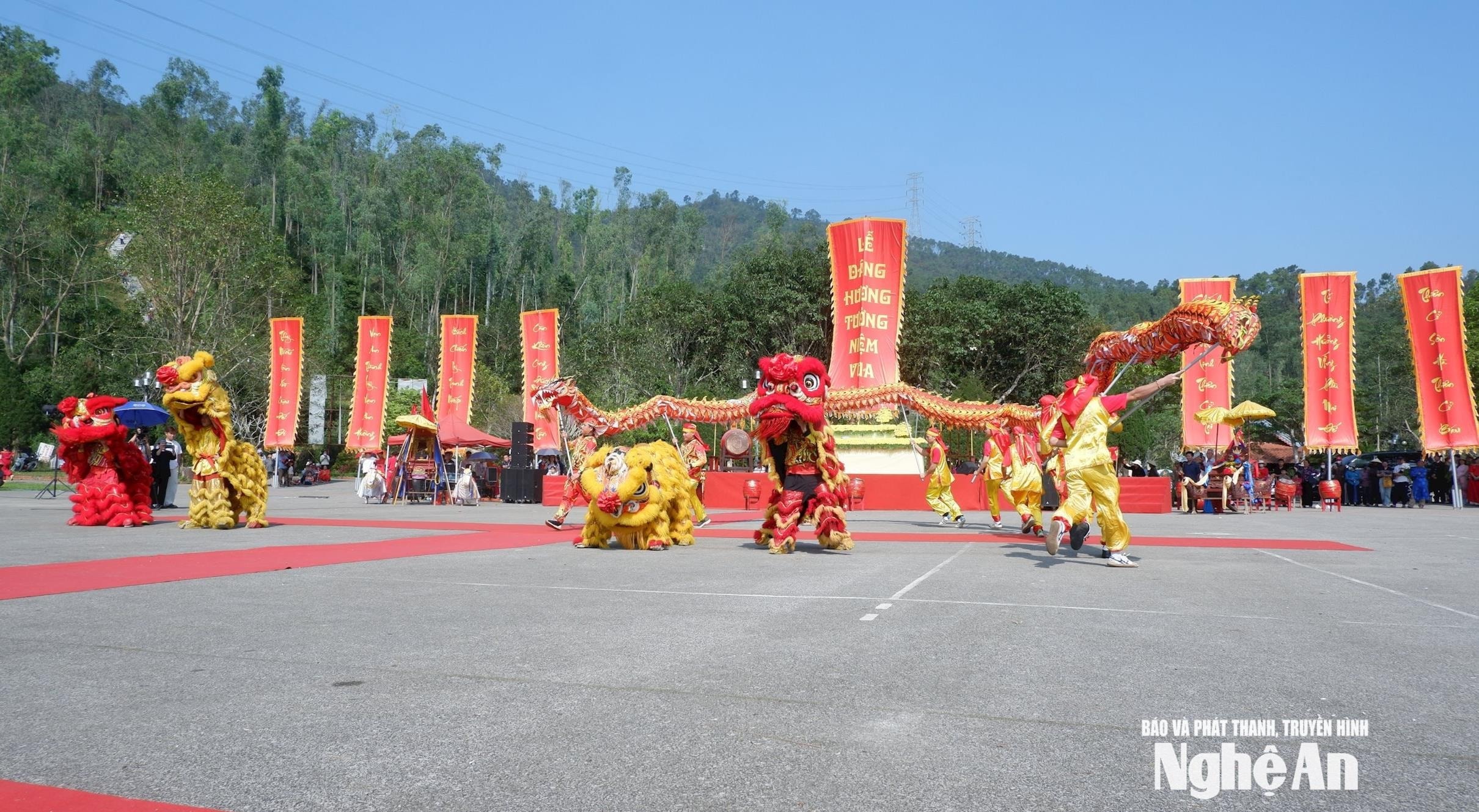
“For example, with the Cờn Temple Festival, we could combine experiencing traditional fishermen's rituals with learning about the life of a fishing village, enjoying local seafood specialties such as grilled herring, or visiting historical sites and coastal craft villages in the former Hoàng Mai town and Quỳnh Lưu district. If the dishes associated with the festival are introduced and organized as culinary experiences for tourists, it could become a unique highlight of the tour.”
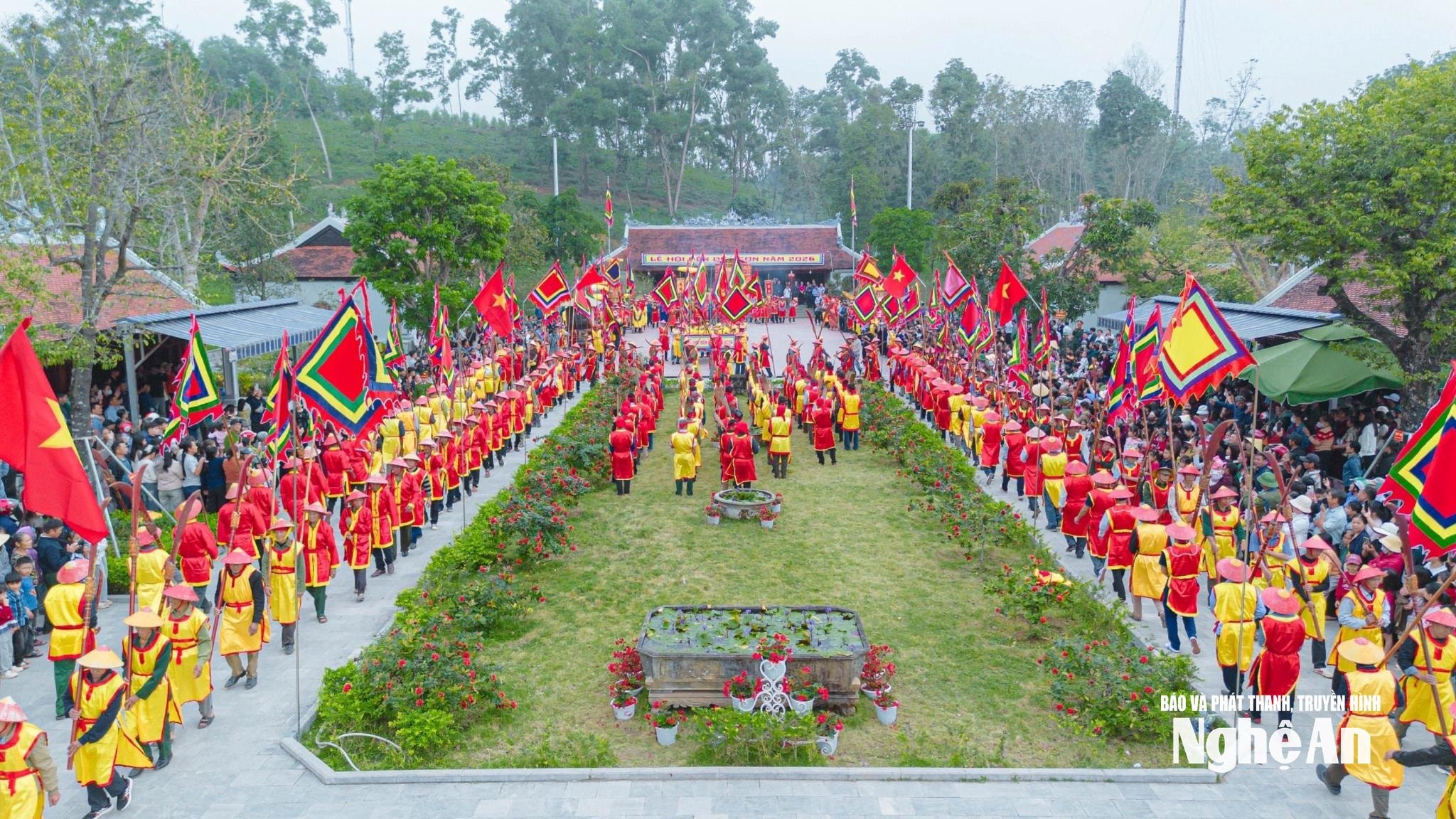
"With the Quả Sơn Temple Festival, if it's linked to tourism routes focusing on historical sites and traditional craft villages in the area, such as the Truông Bồn historical site or the Trù Sơn pottery village, it's entirely possible to create short-day tours for tourists," Mr. Sáng suggested.
Experience from several localities across the country shows that when festivals are organized in conjunction with appropriate tourism activities and services, their attractiveness to tourists can significantly increase. For example, the Do Son Buffalo Fighting Festival in Hai Phong, the Hoa Ban Festival in Dien Bien Phu, the Yen Tu Festival in Quang Ninh, or the Via Ba Chua Xu Festival at Sam Mountain in An Giang province are all organized in conjunction with many cultural and tourism activities, attracting a large number of domestic and international tourists. When organized systematically and with the participation of businesses, the cultural value of the festival is not only preserved but can also be spread more widely.
Based on those experiences, according to Dr. Nguyen Thi Hong Vinh, Nghe An can gradually exploit the value of traditional festivals more effectively to serve tourism development. However, instead of spreading resources thinly, the locality needs to select a few representative festivals to invest in and organize more systematically, while also linking them with cultural experiences, culinary activities, and community life.
When properly integrated with other tourist destinations and products in the region, the festival is not only a cultural celebration for the local people but can also become a highlight in the cultural exploration journey of Nghe An province for tourists.


