
The sugarcane molasses making villages in Nghe An are bustling during the Tet holiday season.
(Baonghean.vn) - People in Gang village, Nghia Hung commune (Nghia Dan district) are racing against time to press sugarcane and make molasses to sell for the Tet holiday market.
This year, due to the impact of the pandemic.Covid-19However, in Gang village, Nghia Hung commune (Nghia Dan district), the craft of making sugarcane molasses is still maintained as in previous years. At this time, with the production season having begun nearly a month ago, the villagers are very excited because this year the price of molasses has increased from 3 million VND to 3.8 million VND per barrel. This is also the time when demand is high.molassesDue to increased market demand, many households have had to hire extra workers, who work continuously throughout the week.
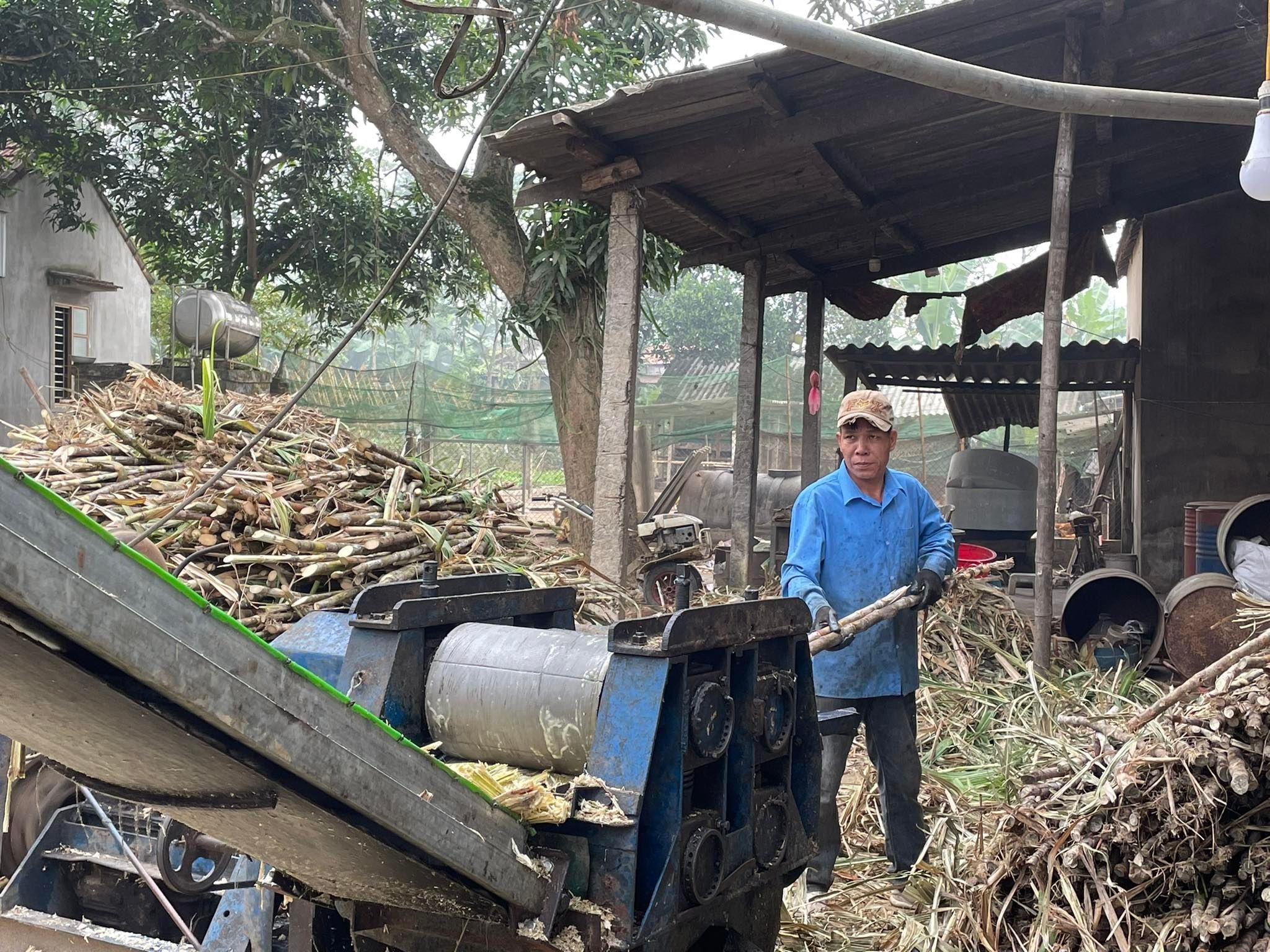 |
| Instead of using oxen or buffaloes to press sugarcane like in the old days, people now use machinery to do so. Photo: Minh Thai |
Mr. Tran Van Hung's family is the largest molasses producer in Gang village. On average, the family presses 8 tons of sugarcane per day, producing 4 barrels of molasses. After deducting expenses, the family earns a profit of 1 million VND per barrel.
Mr. Hung explained that to make delicious molasses, one must stand and watch the pan for many hours, stirring continuously and evenly. When the molasses boils, the foam must be skimmed off; otherwise, the molasses will burn, turn black, and lose its aroma and flavor. The molasses cooking is complete when the sugarcane juice begins to thicken and turn a yellowish-brown color. After cooking, the molasses is filtered through a cloth to remove any sediment. When the molasses cools, a layer of sugar foam will rise to the surface, indicating completion.
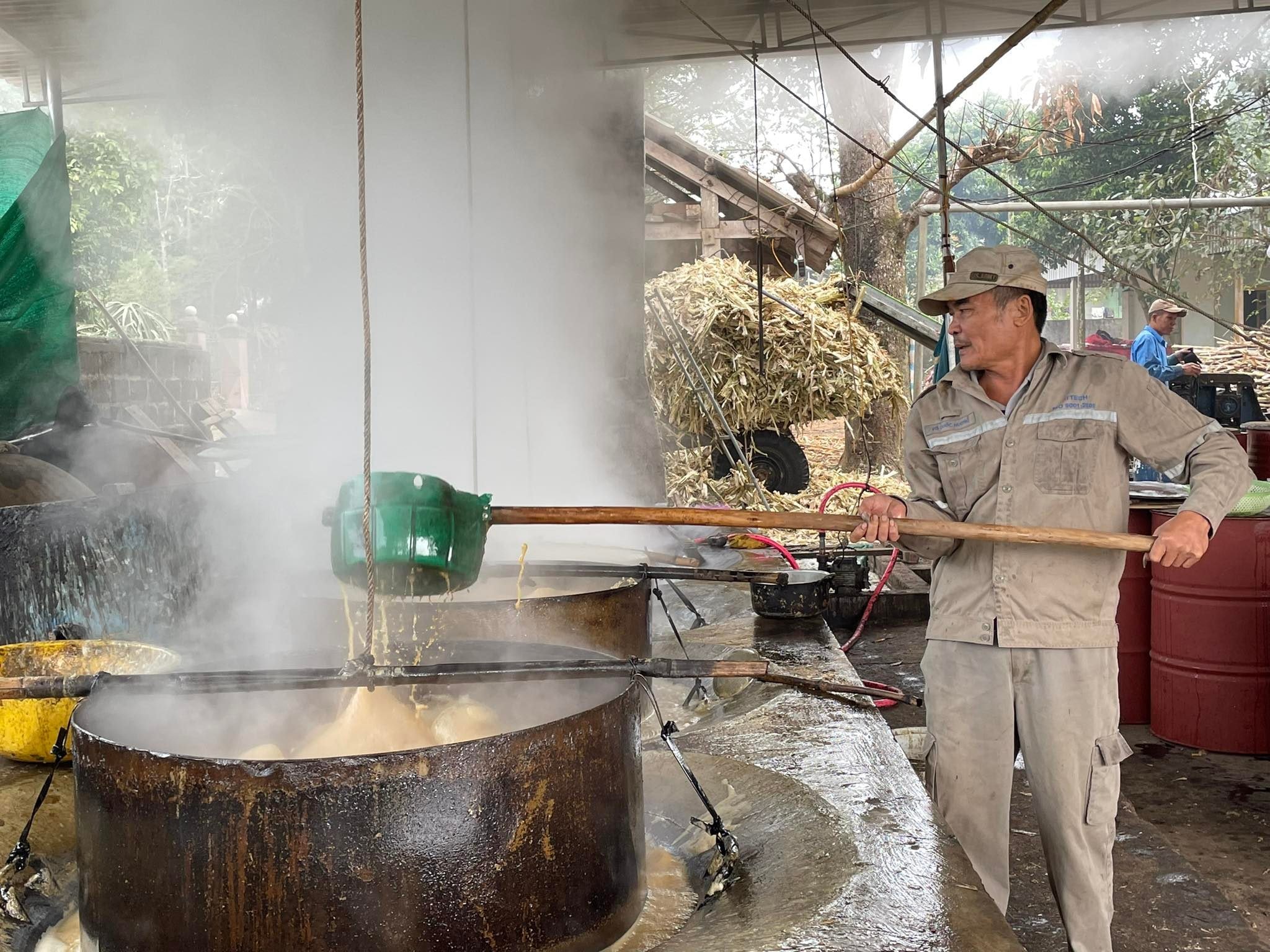 |
| Mr. Hung said that to make good quality honey, one has to stand guard over the large honey pans for many hours and constantly stir it. Photo: Minh Thai |
Currently, the entire village of Găng has about 200 households engaged in the business of making sugarcane molasses. On average, each family has 15-20 barrels of molasses, generating an annual income of 100-120 million VND. Notably, the molasses making and selling season lasts from November to January; some families who purchase sugarcane later can continue production until February or March. Compared to other crops, the economic value of making sugarcane molasses is significantly higher.
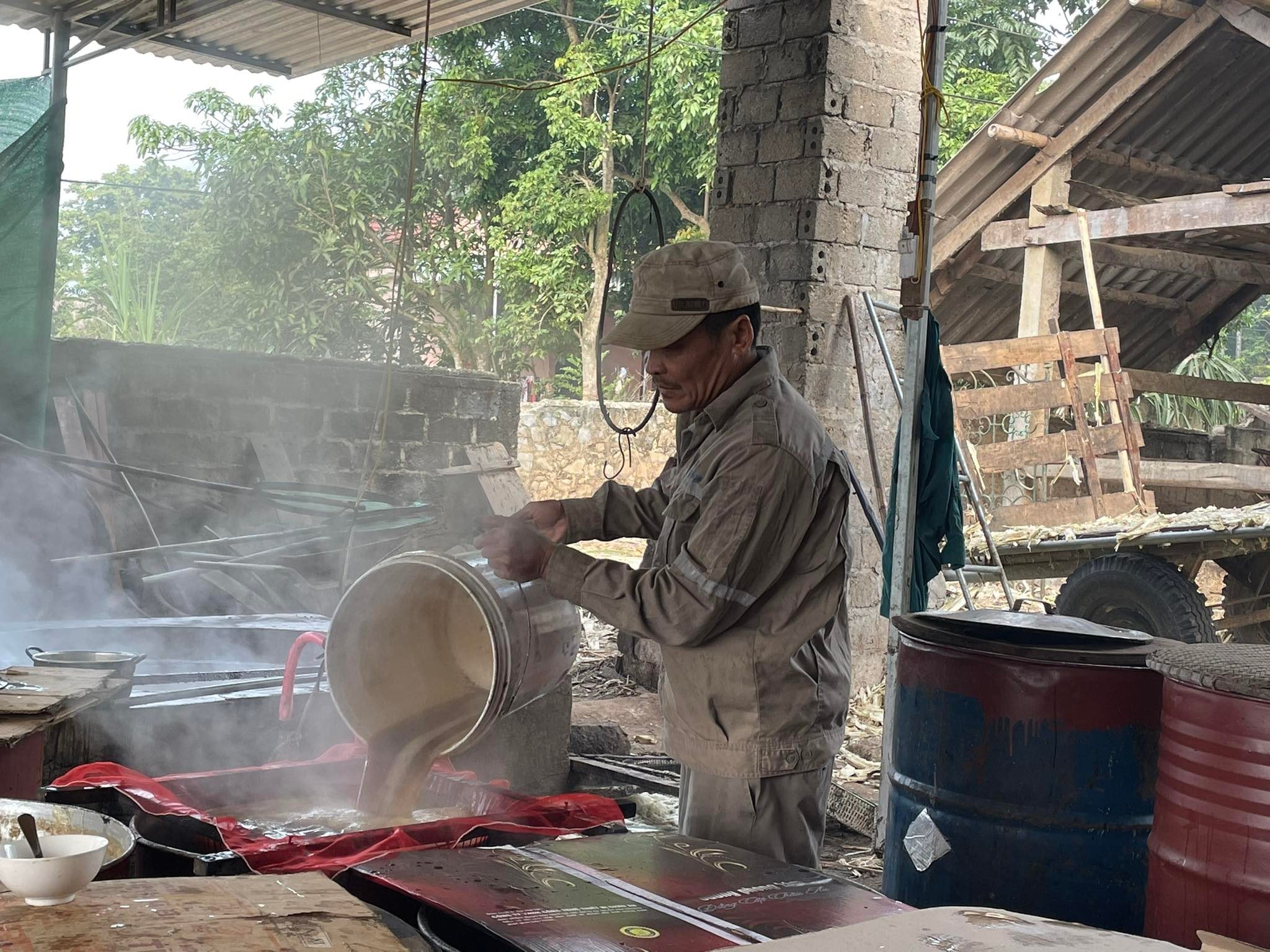 |
| After cooking, the locals filter the honey through a cloth to remove any sediment. Photo: Minh Thai |
Not only in Gang village, but also in many other hamlets, the sugarcane syrup making profession has begun to develop very strongly. Not far from Gang village, Nghia Nhan is also a hamlet where the sugarcane syrup making profession has developed quite rapidly.
Ms. Le Thi Hang, from Nghia Nhan hamlet, Nghia Hung commune, shared: “My family has been making molasses for almost 15 years. It's not as hard work as it used to be, and the income is much higher than other jobs. On average, my family processes 7 tons of sugarcane per day, increasing to 8-9 tons during Tet (Lunar New Year) to serve the people. This year, the weather has been favorable, and with the local government's support in granting certificates and village craft labels, our village's sugarcane molasses products are being distributed throughout the country.”
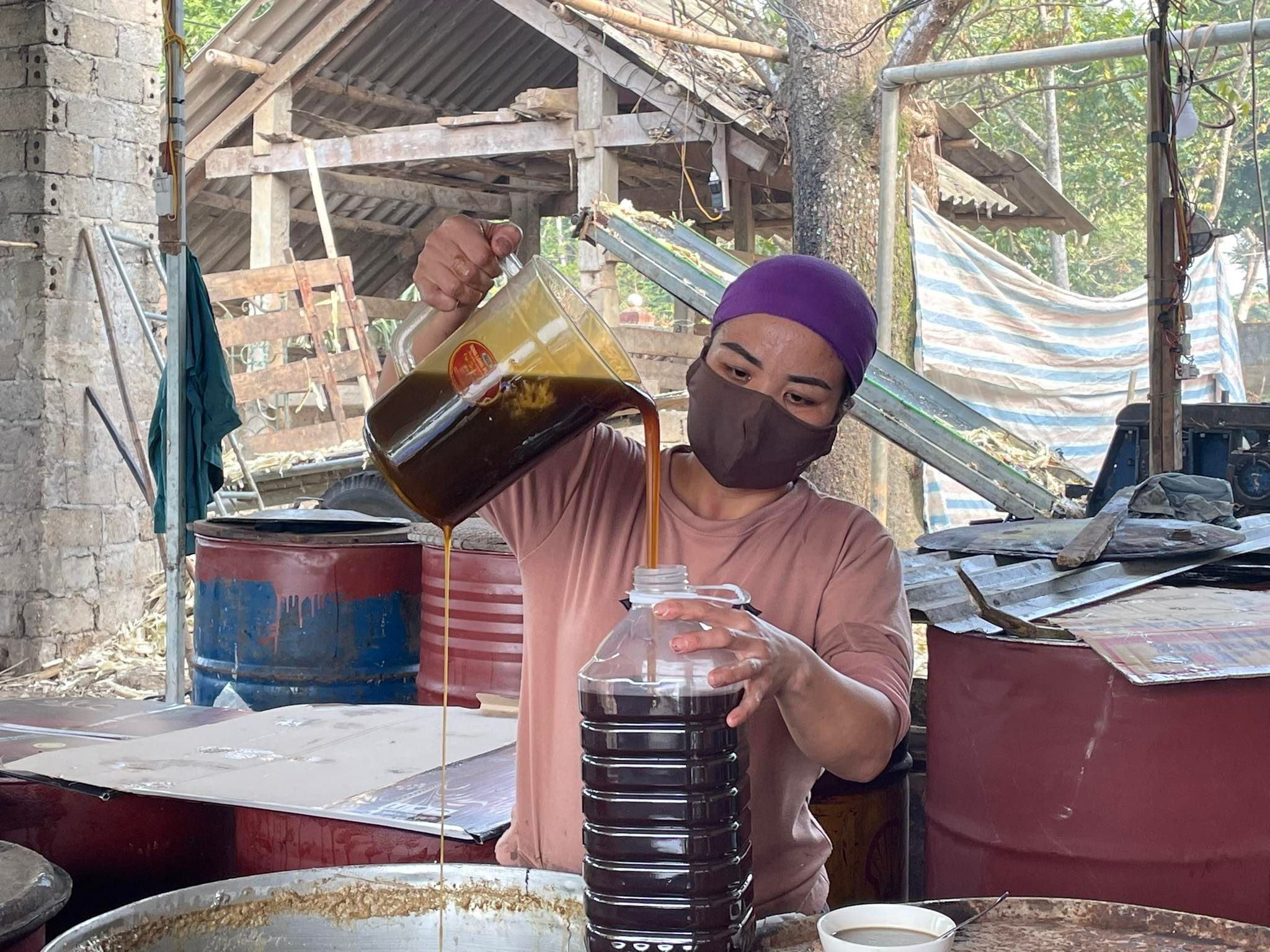 |
| Pouring honey into plastic containers for delivery to customers. Photo: Minh Thai |
Currently, in Nghia Hung district, there are approximately 500 households engaged in the sugarcane molasses making business. Besides providing a stable income for their families, each household creates jobs for 5-7 surplus workers, contributing significantly to local economic development. To adapt to the pandemic situation, in addition to existing customer relationships, villagers now sell their products online via Facebook and Zalo, and goods are transported through freight forwarding services.
In addition to boosting production, local authorities and craft village cooperatives have recently intensified efforts to promote brands and find stable markets for their products, helping villagers increase their income.
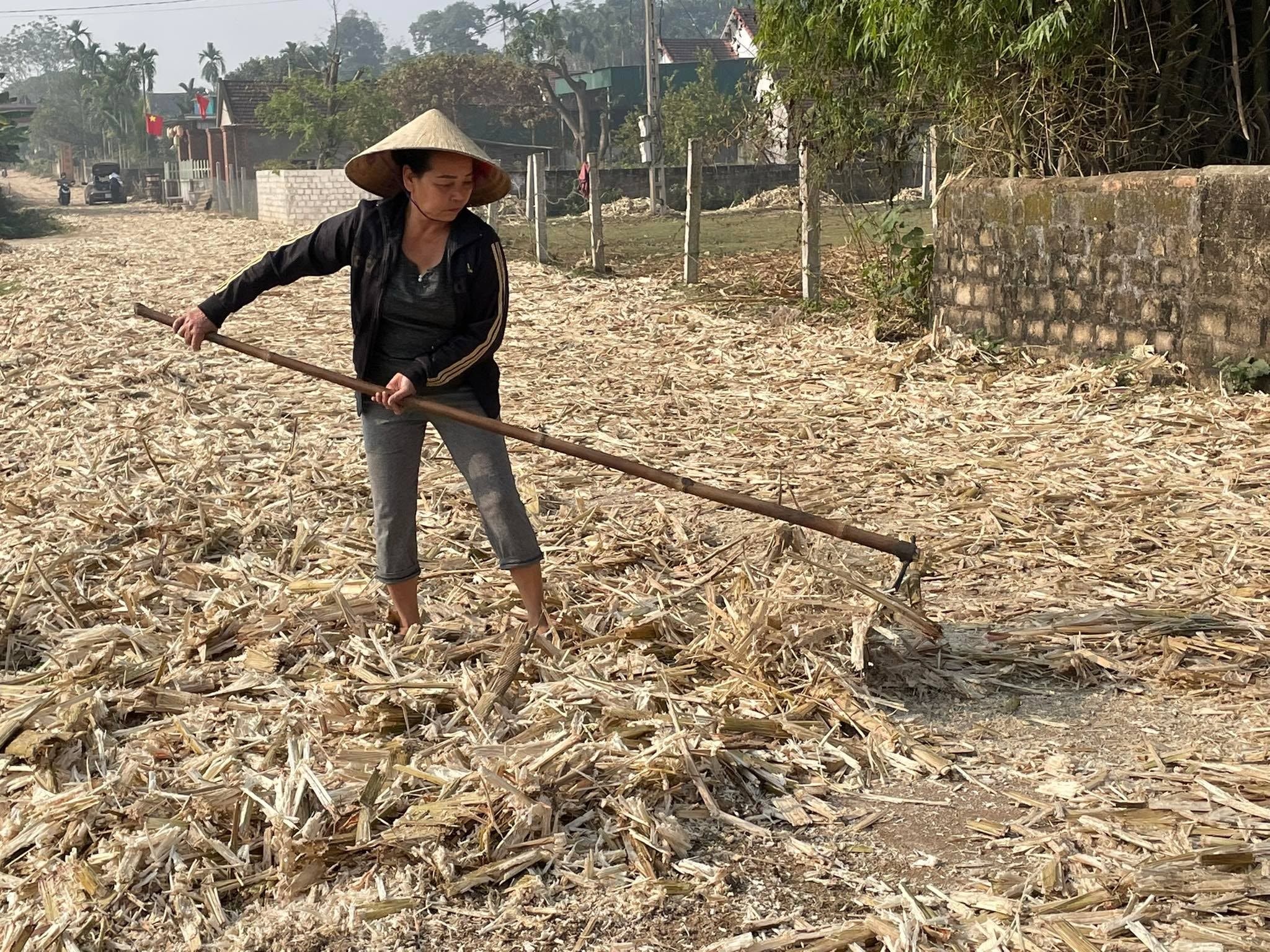 |
| The sugarcane bagasse, after the molasses is extracted, is dried by the locals to be used as firewood for making molasses. Photo: Minh Thai |
Mr. Tran Van Dong, Vice Chairman of the Nghia Hung Commune People's Committee, said: "Besides epidemic control, at this time we are focusing on directing people to prepare for the spring crop. For the sugarcane molasses making village, we are focusing on directing people to strictly follow the 5K recommendations. This year, people are happy that the sugarcane crop is successful and the price of molasses is high..."
Although there is still more than a month until the Lunar New Year, and due to the impact of the pandemic...Covid-19This has led to a more subdued market demand compared to previous years. However, with higher yields and better quality molasses, people in the molasses-making villages of Nghia Dan hope to earn more income to provide their families with a prosperous Tet holiday.


