
Flexibility in winter crop production in Nghe An
Winter crop production in Nghe An often faces the risk of heavy rain, flooding, and waterlogging. To minimize risks and ensure sustainable production, adjusting planting seasons and selecting and prioritizing suitable, high-economic-value crops in safe areas are among the top requirements for winter crop production.
Selectsuitable plants
The family owns 2 sao (approximately 2,000 square meters) of land in the Lum Hoa field. In recent years, Mrs. Phan Thi Hai, residing in Chu Trac hamlet, Yen Thanh commune, has been growing gourds to harvest and sell the shoots during the winter season. Gourd shoots can be harvested continuously, are popular in the market, and fetch a high price, resulting in a very good income.
“The land in Dong Lum Hoa is higher than other fields, which is why we can grow gourds there. The lower fields are easily flooded, making crop failure very likely. However, I still don't dare to be complacent. Every year, I have to wait until after the storm and flood season, at least from November, before I start planting. When planting, I also have to build high mounds so that the gourd vines can spread well, instead of planting them directly in the paddy field,” Mrs. Hai said.
With a large area of agricultural land, mostly rice paddies, the winter crop in Yen Thanh commune is primarily corn. However, this year, after the floods, 4 hectares of corn and 4 hectares of flowers that had been planted were all swept away by the water. "The rain was too heavy, and the water took several days to recede, so all the corn died," said Mr. Tran Van Minh from Yen Thanh commune, dejectedly. After the water receded, he waited for the land to dry before preparing it and switching to planting short-term vegetables so that he could still plant rice in the spring.
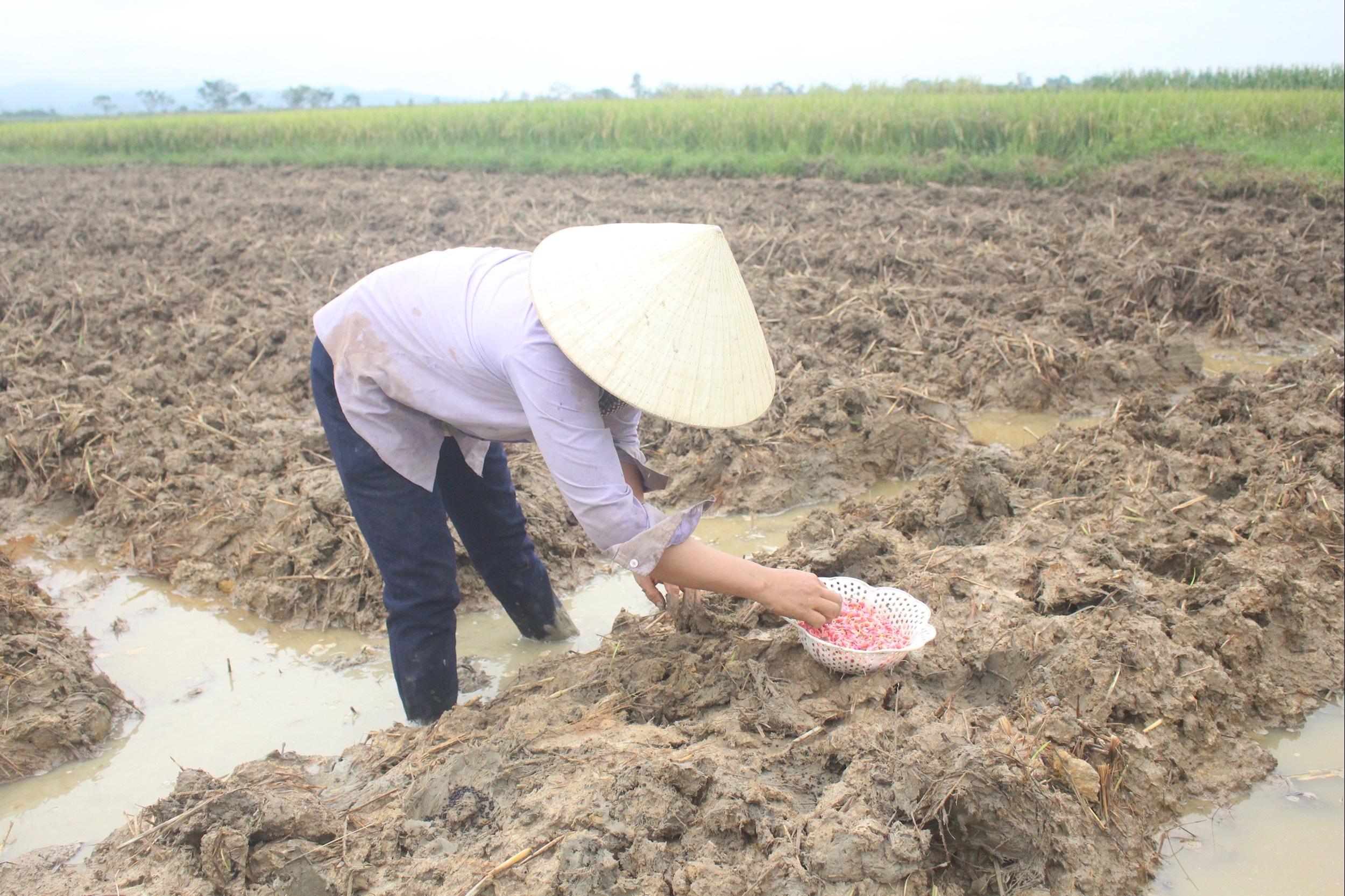
According to Mr. Nguyen Van Duong, Chairman of the Yen Thanh Commune People's Committee, most of the commune's rice fields are low-lying, and winter corn is only grown in higher areas with better drainage.
However, this year, due to the heavy rains and floods, the winter crops were completely destroyed. "For now, we are focusing on directing farmers to switch to planting short-term, cold-loving vegetables such as cabbage, kohlrabi, and carrots after the floods. In the long term, this will also be the preferred direction, to both avoid early-season floods and ensure timely planting for the spring rice crop, while also providing good income for farmers," said Mr. Nguyen Van Duong.
This year, like many other localities, floods have completely destroyed newly planted corn, peanuts, and vegetables in An Chau commune. After the rain, planting corn and peanuts is impossible due to the overdue season, so the commune is organizing a campaign to improve irrigation, drainage, and land preparation. After October 16th, they will focus on planting short-term vegetables such as various types of cabbage, which can be harvested in just one month. Following that, they will plant potatoes in partnership with a business.
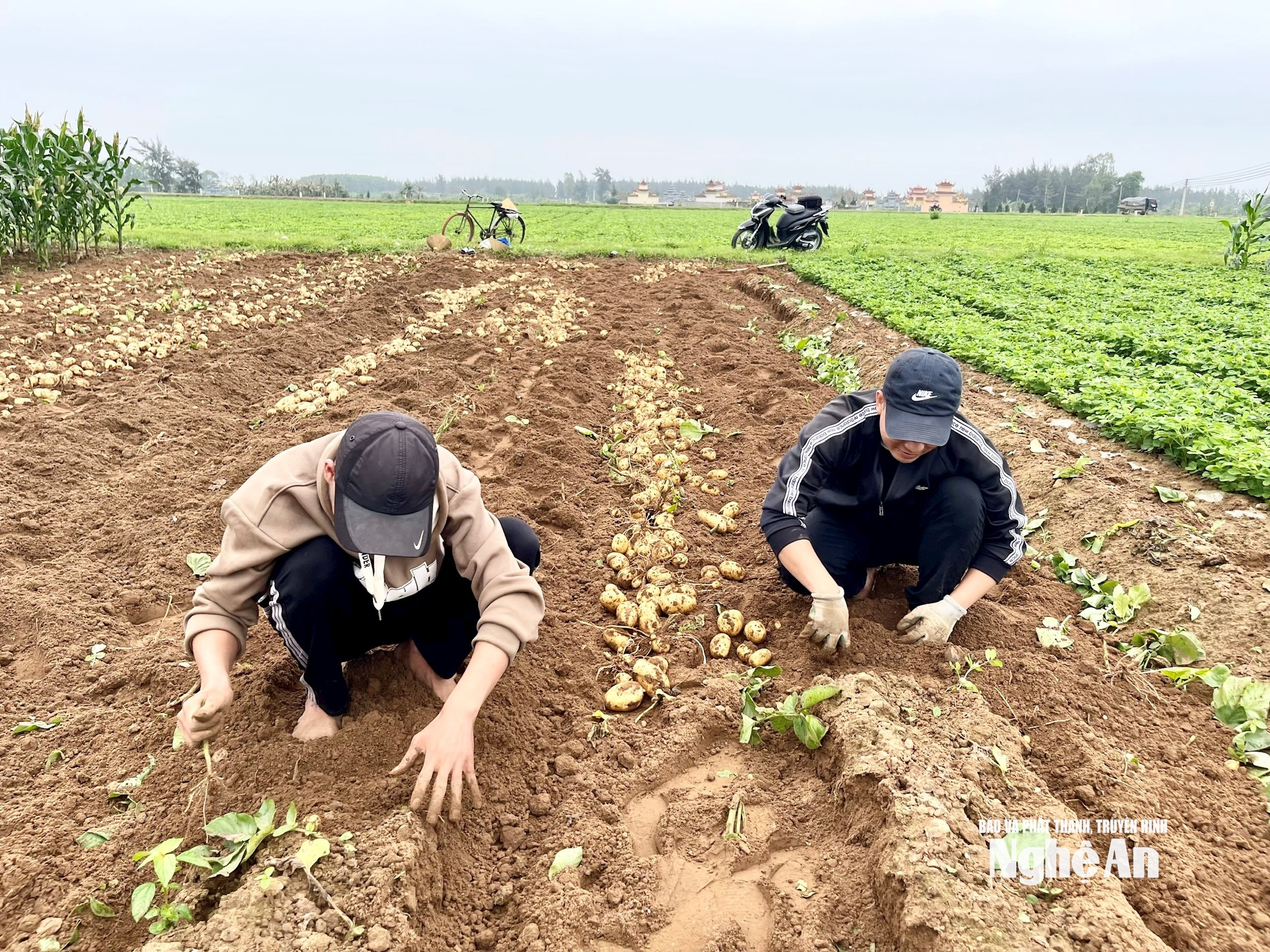
Mr. Hoang Cong Truong, Head of the Economic Department of the commune, said: "With a short growing season, easy cultivation, high yield and efficiency, and stable consumption, farmers have switched to growing potatoes in the winter season on sandy, high-lying, and well-drained land, especially in Dien Trung 1, Dien Trung 2, Dien An 1, and Dien An 5 hamlets... In the coming years, we will continue to prioritize the conversion to potato cultivation. This not only limits the impact of floods due to being grown on higher ground, but also ensures that the planting season only starts in early November, reducing the impact of storms. Areas with low-lying land previously used for peanut cultivation will partially switch to growing short-term crops such as green squash and pumpkins... to make it easier to manage and 'circumvent' the planting season."
Every year, after the "21st of Le Lai Street, 22nd of Le Loi Street" (a traditional Vietnamese calendar), the people of Xuan Lam commune begin sowing their winter corn crop on the riverside land to avoid flooding. Before that, besides some corn fields on higher, sandy areas, they only plant a small amount of corn on rice paddies to ensure timely planting for the spring rice crop. According to Mr. Le Dinh Thanh, Secretary of the Party Committee of Xuan Lam commune: Xuan Lam is a low-lying area, so "avoiding" the planting season to prevent adverse weather conditions is one of the top priorities in winter crop production.
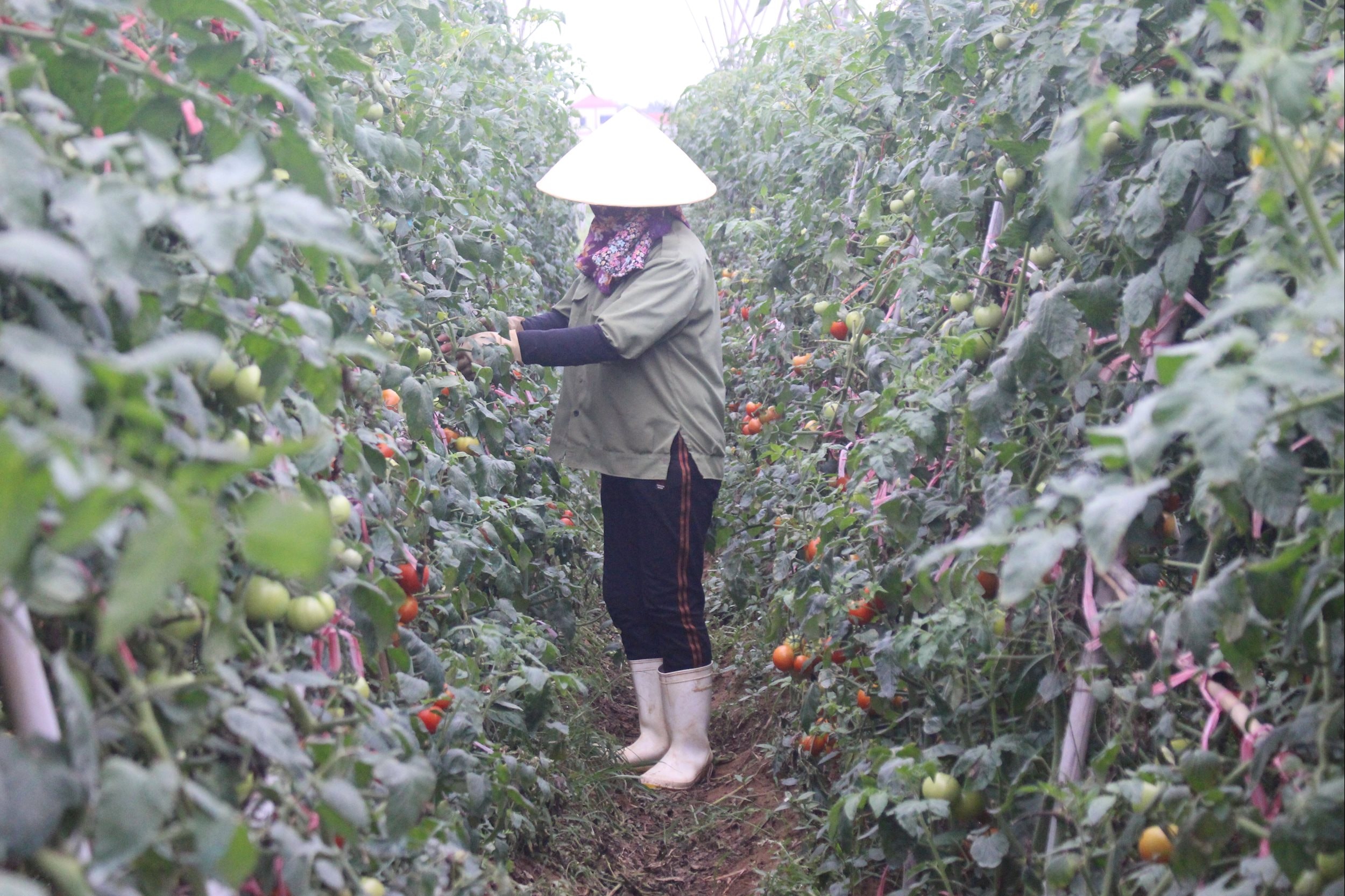
On rice paddies, corn is sown as early as possible, but the planting area, region, and timing depend on the annual weather forecast. On floodplains, planting is done almost after the flood and storm season ends, and to speed up the process and ensure timely planting of spring corn, given the labor shortage, the commune focuses on solutions such as increasing the use of machinery and mechanization, and taking advantage of sunny weather to concentrate production. This winter, Xuan Lam commune plans to plant more than 800 hectares of corn on floodplains along the Lam River.
Towards ssafe and efficient production
This year, forecasts predict heavy rains, thunderstorms, hailstorms, and strong winds concentrated in October and November, coinciding with the beginning and middle of the winter crop planting season; therefore, the risk of damage is very high, especially on rice fields. The entire province aims to plant 33,626 hectares of winter crops, including 19,000 hectares of corn, 12,150 hectares of vegetables, and the remainder being sweet potatoes and potatoes.
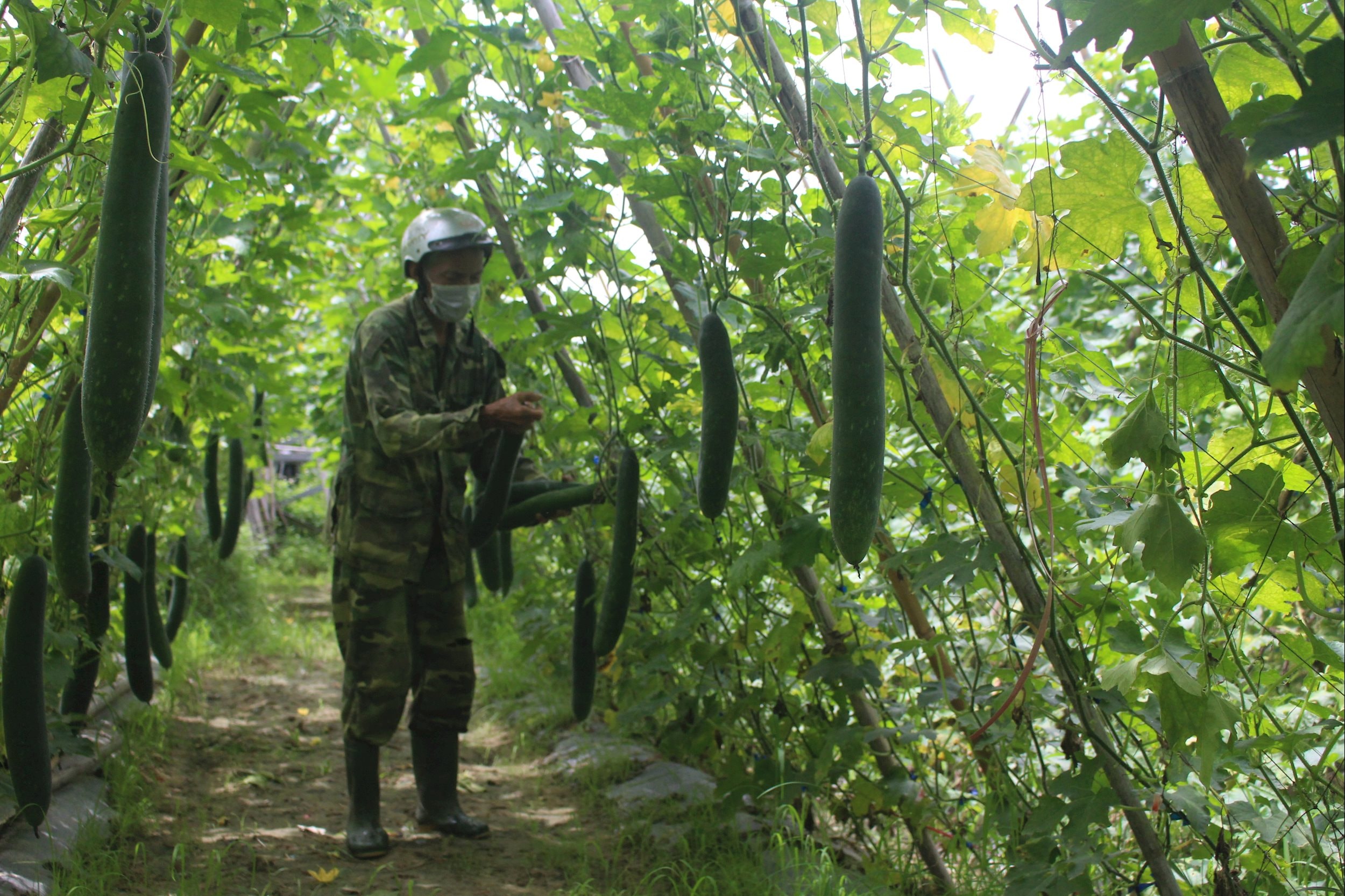
Given the unique characteristics of winter crop production, selecting crops suitable for specific soil types and climatic conditions is considered one of the key factors determining production success. To cope with the impact of weather, especially in light of the severe effects of climate change, Nghe An province has prioritized solutions to avoid and minimize damage to winter crop production. Mr. Nguyen Tien Duc, Head of the Provincial Department of Crop Production and Plant Protection, stated: Nghe An's policy is to only cultivate crops in areas with reliable irrigation and drainage, while prioritizing the selection of suitable crops and placing safe and efficient production at the forefront.
Currently, in Nghe An province, the main crops for winter crop production are corn and various vegetables, occupying the majority of the cultivated area. According to agricultural experts, instead of growing corn for grain, which is often prone to lodging and flooding, resulting in total crop loss, localities should strengthen linkages and switch to growing biomass corn, which can be sold to dairy farms in just 60-70 days; or only grow it on fertile land not used for spring rice production to allow for delayed planting schedules, harvesting in February or March of the following year to avoid early season floods. For vegetables, priority should be given to short-term, cold-loving varieties, planted after the rainy season and floods have ended. However, this should be accompanied by strengthened production linkages towards commercialization, with integrated supply chains and guaranteed product sales to ensure stable output.
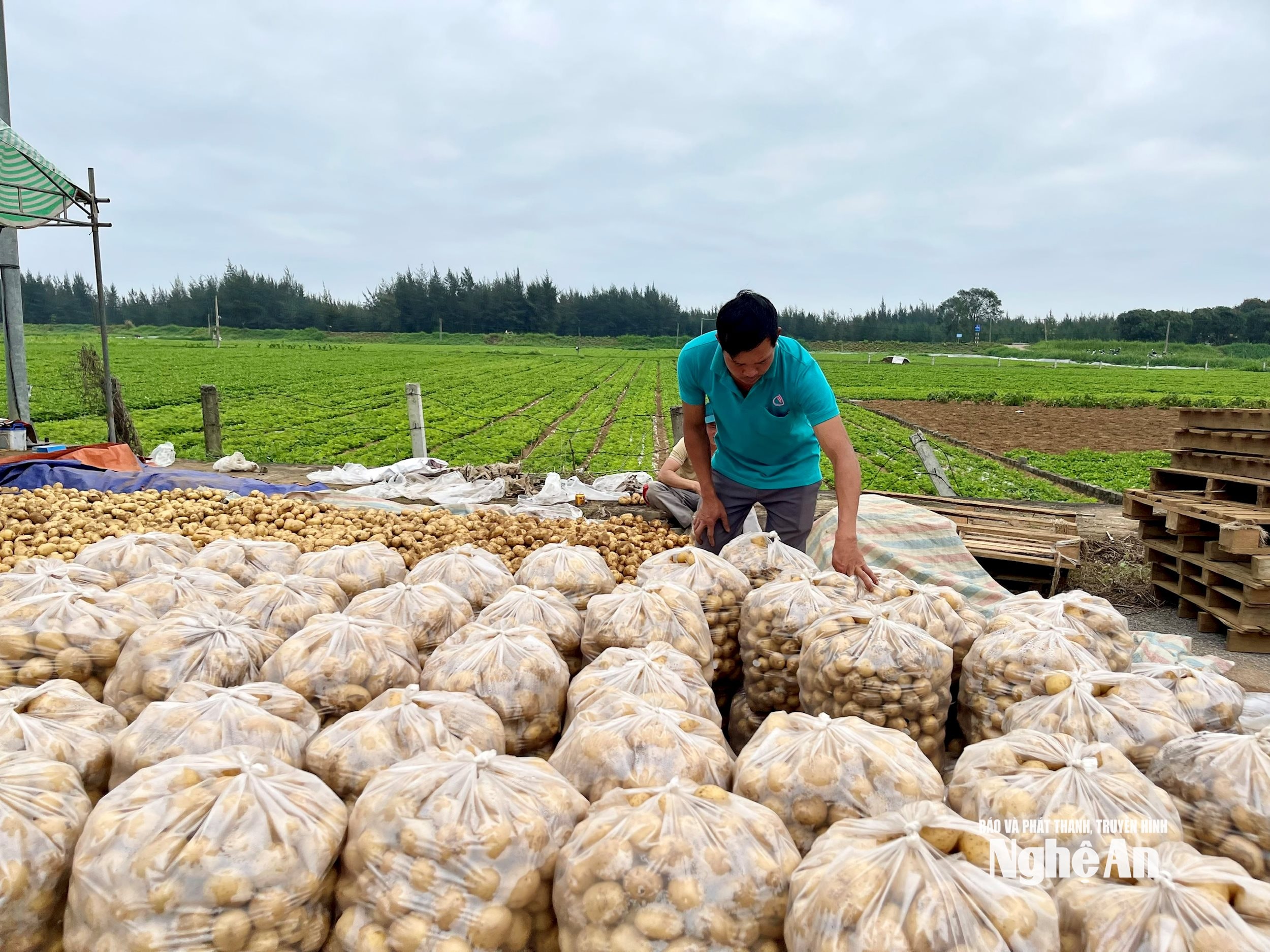
Localities can also choose crops that are resistant or recover well from short-term flooding, while also providing high economic value, such as potatoes (short growing season) or sweet potatoes (with strong root systems and creeping stems that help the plant withstand rain and wind better). Sandy loam soils with good drainage along the coast or alluvial plains can be used to grow carrots, radishes, pumpkins, cucumbers, etc. For corn on double-cropped rice land and alluvial plains along rivers and streams prone to flooding, priority should be given to growing corn for fresh consumption, which has a short growing season, or growing corn for biomass to reduce seasonal pressure.
In particular, fertile riverside alluvial soils must wait until the floods subside before planting. However, under current conditions, in areas that have been severely damaged and need to restore production immediately after the water recedes, it is advisable to choose crops with short cycles to utilize the remaining time of the winter crop without affecting spring production, such as kohlrabi, cabbage, and various types of leafy greens.
Localities need to shift strongly from traditional production thinking to adaptive agricultural economic thinking, prioritizing short-term crops that are tolerant to flooding and thoroughly applying technical measures to prevent and control flooding.
Mr. Nguyen Tien Duc - Head of the Provincial Department of Crop Production and Plant Protection


