
The number one spice that helps lower high blood cholesterol.
Not only is cinnamon a nutritious spice that can be added to many dishes, but it also helps lower high blood cholesterol, and is recommended by nutrition experts.
Spices enhance the flavor of food and boost the nutritional content of your dishes. Using spices to flavor food helps reduce the amount of salt and fat consumed during cooking. This is beneficial for many health conditions, especially for those with high cholesterol.
While no single food or spice can cure high cholesterol, some spices may have a greater impact on cholesterol levels than others.
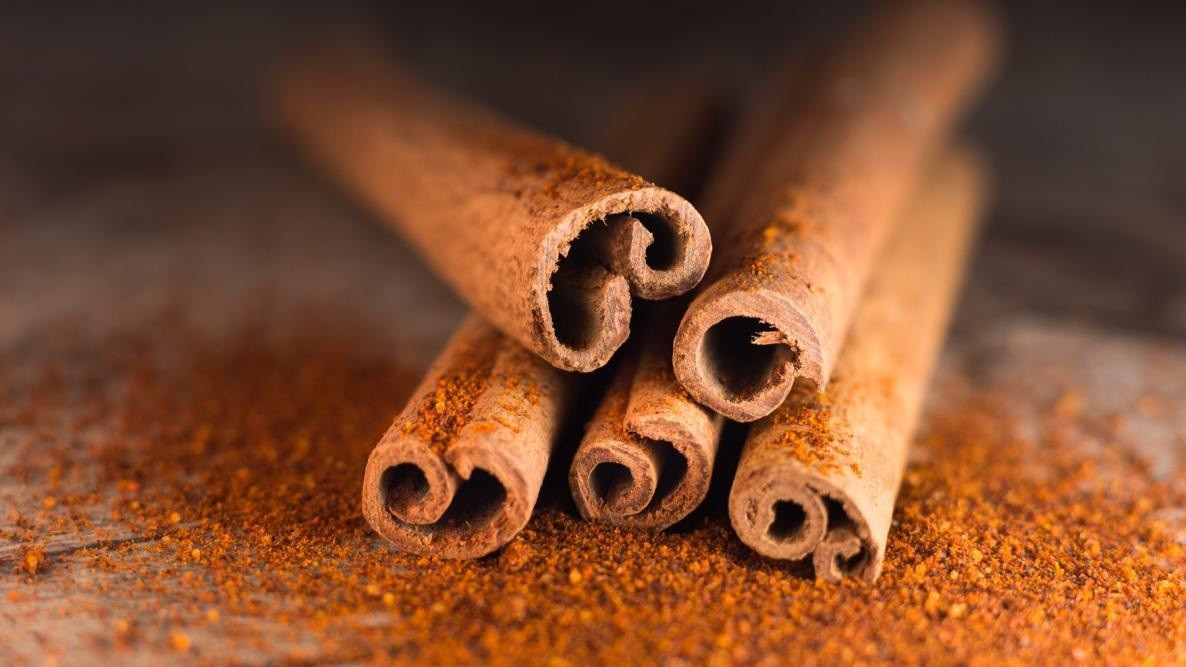
In traditional medicine, cinnamon is considered one of the four most valuable medicinal herbs. Photo: Pixabay
What is high blood cholesterol?
High cholesterol, or high blood lipids, is one of the warning signs of heart disease. The liver produces cholesterol, and cholesterol is necessary for the production of hormones, vitamin D, and other compounds that aid digestion, according toMedlinePlusCholesterol is also found in food.
High cholesterol increases the risk of plaque development. Plaque can narrow arteries, causing atherosclerosis, which increases the risk of heart attack or stroke.
The American Heart Association notes that cholesterol levels are one of the main modifiable factors and can be influenced by lifestyle behaviors such as diet and exercise.
According toIstrichRegular physical activity, quitting smoking, reducing stress, and eating a proper diet can all affect cholesterol. In fact, a high-fiber diet is associated with cardiovascular health and a reduced risk of heart disease. Spices can also enhance the body's ability to keep cholesterol at healthy levels.
Dr. Renee Korczak, a practicing dietitian (USA), says: "Spices contain unique bioactive compounds from plants that may help lower cholesterol levels, increase blood flow, and even support blood sugar levels."
A familiar spice that helps lower high blood cholesterol.
According to Dr. Bui Dac Sang, a general practitioner of traditional medicine from the Vietnam Traditional Medicine Association, cinnamon is considered one of the four most valuable medicinal herbs (ginseng, deer antler, cinnamon, and rehmannia). In European countries, cinnamon is used to treat stomach aches, diarrhea, malaria, coughs, and other ailments.
In India, cinnamon is widely used as a staple spice in food preparation.
According to modern medicine, cinnamon contains many components beneficial to health. Cinnamon can stimulate brain activity like a tonic, helping to reduce nervous tension and memory loss.
Several studies have shown that simply adding half a teaspoon of cinnamon to your daily meals can reduce bad cholesterol levels in the body. Therefore, consuming cinnamon is a way to protect cardiovascular health and lower blood sugar levels.
According toIstrich,Cinnamon is the number one spice for people with high cholesterol. This is partly because high cholesterol is often associated with high blood sugar levels, and cinnamon has been shown to help lower blood sugar in people with diabetes.
Cinnamon also possesses anti-inflammatory properties, and using it as a substitute for fat, sugar, and salt is part of a heart-healthy diet.
Jordan Hill, a nutritionist at Top Nutrition Coaching, recommends that people with high cholesterol incorporate spices such as cinnamon, chili peppers, garlic, ginger, and turmeric.
Dr. Korczak also agrees with this, noting that these spices enhance the flavor of food and beverages while also offering some health benefits.
Cinnamon has been studied for its therapeutic effects, ranging from lowering blood sugar and cholesterol to reducing inflammation, according to a 2019 systematic review in the journal Clinical Nutrition.
Cinnamon contains cinnamaldehyde and cinnamic acid compounds found in its oil. Cinnamon bark contains other bioactive compounds, catechins and procyanidins, which may have antioxidant and anti-inflammatory effects, according to a 2022 article in the Journal of Functional Foods.
Most studies involving cinnamon and cholesterol have been conducted using cinnamon supplements in people with diabetes and metabolic syndrome.
Dosage ranges from approximately 1,500 milligrams to 6 grams per day, with the standard recommendation being around 1,500 mg to 4 grams per day (3/4 to 2 teaspoons). Higher doses (over 1,500 mg per day) may have a more beneficial effect on HDL (good cholesterol).
In a small, randomized, controlled trial in 2017 published in the journal Lipids in Health and Disease, researchers studied the effects of oral cinnamon supplementation (3 grams per day) versus 2.5 grams of wheat flour for 16 weeks in Asian Indians with metabolic syndrome.
They found that the supplement group experienced significantly greater reductions in weight, abdominal fat, total cholesterol, triglycerides, low-density lipoprotein (LDL), and blood pressure compared to the placebo group.
Although this is promising, the study still has some flaws, including its short duration.
In a 2022 systematic review and meta-analysis published in the journal Frontiers in Physiology, researchers examined 15 randomized controlled trials in which participants received cinnamon powder or cinnamon extract in doses ranging from 1 to 6 grams, based on their diet, physical activity, and prior medications.
In 15 studies, 1,020 participants with type 2 diabetes were studied, with follow-up periods ranging from 40 days to a maximum of 4 months. Compared to placebo, the cinnamon group showed reductions in LDL cholesterol (bad cholesterol) and triglycerides.
Other ways to lower high blood cholesterol
Overall, dietary quality is crucial for lowering cholesterol. Eating a variety of plant-based foods, including whole grains, legumes, nuts, seeds, fruits, and vegetables, will increase fiber intake, which is key to lowering cholesterol.
Additionally, choose protein sources that are low in saturated fat. Opt for chicken, fish, and plant-based proteins like tofu. At the same time, limit red meat, cheese, and alcohol, and combine this with regular exercise to maintain a healthy weight.
What to keep in mind when using cinnamon?
Traditional medicine practitioner Sáng also noted that we should not overuse cinnamon. Some people may be allergic to the components in cinnamon. Eating too much cinnamon at once can lead to hypoglycemia, causing fatigue, dizziness, and fainting…
The safe amount of cinnamon to consume is 6 grams daily, and it should only be used for 6 days, followed by a break of 1-2 days before continuing.


