
These seeds, dubbed 'ginseng', are good for cardiovascular health and should be eaten daily.
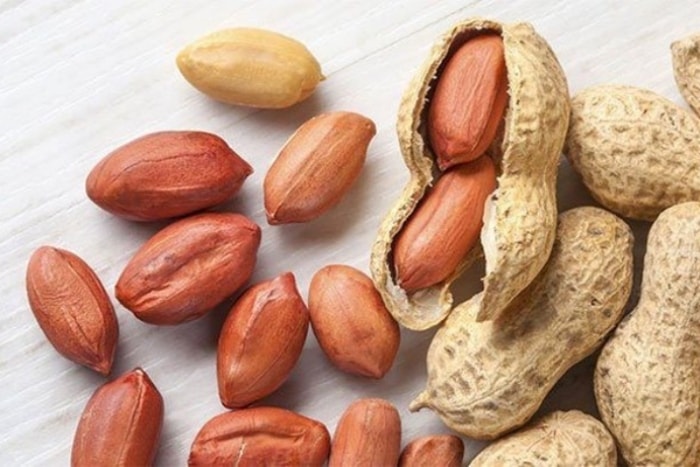
More than just a snack, peanuts are also a food source high in antioxidants and are good for the cardiovascular system and cancer prevention.
Peanuts can provide the body with more than 30 essential nutrients and phytonutrients. Peanuts are a source of niacin, folate, fiber, vitamin E, magnesium, and phosphorus. Peanuts contain resveratrol, a powerful antioxidant that increases good HDL cholesterol, promoting a healthy circulatory system, improved blood flow, and radiant skin.
Modern medicine has conducted numerous studies on the medicinal properties of peanuts. Below are some of the recorded results regarding their effects.
The health benefits of peanuts
Stabilize blood sugar
A quarter cup of peanuts can provide the body with 35% of its daily manganese requirement. Manganese is a mineral that plays a role in the metabolism of fats and carbohydrates, helps absorb calcium, and maintains stable blood sugar levels.
Preventing gallstones
Eating 28.35 grams of peanuts or peanut butter per week can reduce the risk of developing gallstones by 25%.
Preventing depression
Peanuts are also a rich source of the amino acid tryptophan, which is essential for serotonin production. Serotonin is beneficial for the brain, helping to improve mood and reduce depression.
Improve memory
Peanuts, a source of vitamin B3 and niacin, offer numerous health benefits, including improved brain function and enhanced memory.
Lower cholesterol
Nutrients that boost energy and memory also help reduce and control cholesterol levels. Additionally, these substances can lower bad cholesterol and increase good cholesterol, which is beneficial for the body.
Cardiovascular protection
According to many studies, regularly eating legumes can reduce the risk of cardiovascular disease. Peanuts are a type of legume rich in unsaturated fats, which are beneficial for the heart. In addition, they contain powerful antioxidants, notably oleic acid. Eating a handful of peanuts four times a week can help prevent cardiovascular disease and coronary artery disease.
Reduce the risk of having a child with birth defects.
The folic acid found in peanuts is essential for pregnant women. Many studies show that women who supplement with 400g of folic acid daily before or during early pregnancy can reduce their risk of having a child with neural tube defects by up to 70%.
Combating dementia in old age.
Studies have also shown that the significant source of niacin found in peanuts may reduce the risk of Alzheimer's disease by 70%. Eating 1/4 cup of peanuts daily provides 1/4 of the daily required amount of niacin.
Cancer prevention
Phytosterols, found abundantly in vegetable oils and nuts, including peanuts, not only help protect cardiovascular health by limiting cholesterol absorption but may also prevent cancer by inhibiting tumor growth.
Reduce the risk of weight gain.
Eating peanuts or other nuts regularly may reduce the risk of weight gain. Previous studies have shown that people who eat beans and nuts at least twice a week are much less likely to gain weight compared to those who almost never eat them.
Besides the health benefits of peanuts, this nut and its products are susceptible to contamination by the mold Aspergillus flavus, which produces aflatoxin, a toxin that can cause direct food poisoning and is a carcinogen. Therefore, when consuming peanuts and peanut products, it is essential to choose safe products.


