
The Ban Ve hydroelectric reservoir is still overflowing with wood and trash.
Following the heavy rains and floods in 2025, the Ban Ve Hydropower Reservoir once again saw a large amount of driftwood, firewood, and waste accumulate in large clumps.
This situation not only causes environmental pollution and hinders waterway traffic, but also poses a potential safety risk, necessitating a stable and long-term solution.
Accumulation after rain and floods
2025 was considered a year of severe natural disasters for Nghe An province, as it was continuously affected by several major storms such as storms No. 3, No. 5, and No. 10. The post-storm circulation caused heavy rainfall over a wide area, leading to flash floods and landslides in many mountainous localities, especially in the upstream areas of the Nam Non River.
The consequences of these devastating floods are not only loss of life and property, but also a large amount of timber, firewood, bamboo, and waste that has been swept away and accumulated in the Ban Ve Hydropower Reservoir, concentrated most heavily in the communes of Nhon Mai and Huu Khuong.
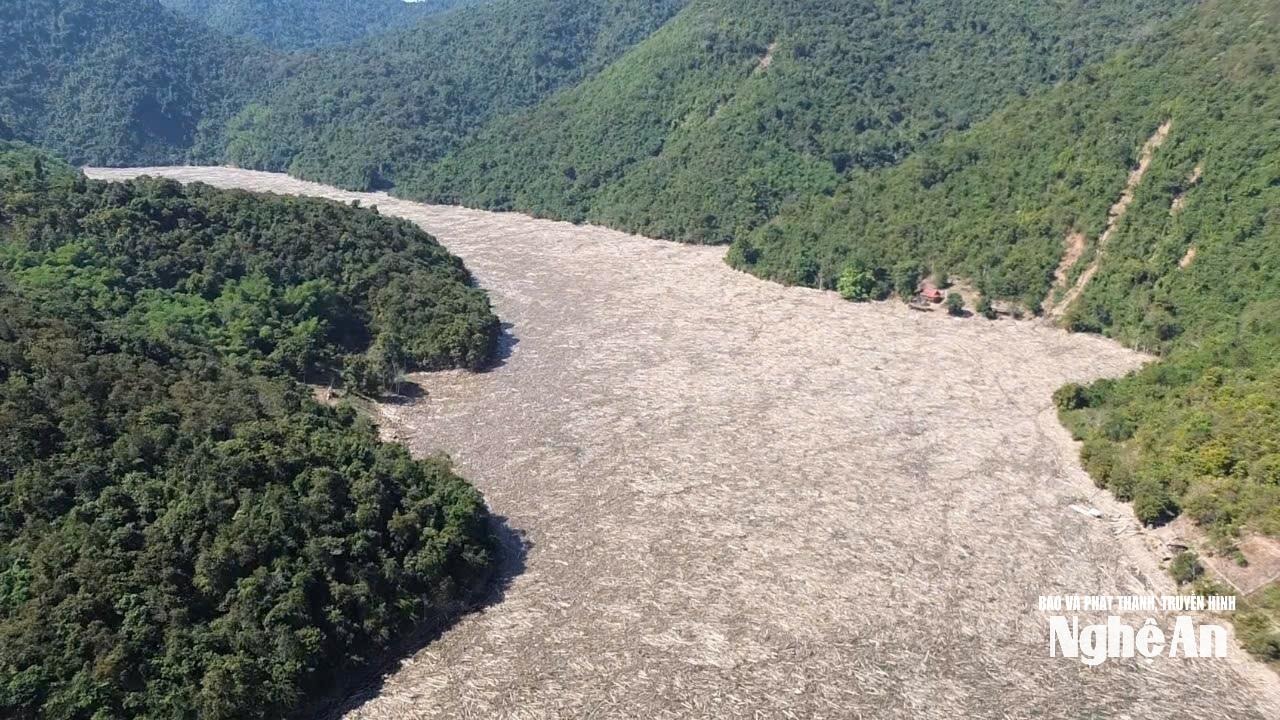
In reality, in Nhon Mai commune, many sections of the Nam Non River and its tributaries are covered by a thick layer of wood, firewood, and waste. From above, the lake appears "blocked" by floating debris stretching for kilometers, in some places completely covering the water surface, causing localized blockages – resembling floating "garbage dumps" in the middle of the lake.
Local residents say that most of this wood and firewood was left behind by the floods of 2025 and has not yet been collected and processed. After being submerged in water for a long time, many types of organic waste have begun to decompose, emitting foul odors, causing a suffocating feeling and seriously affecting the living environment.
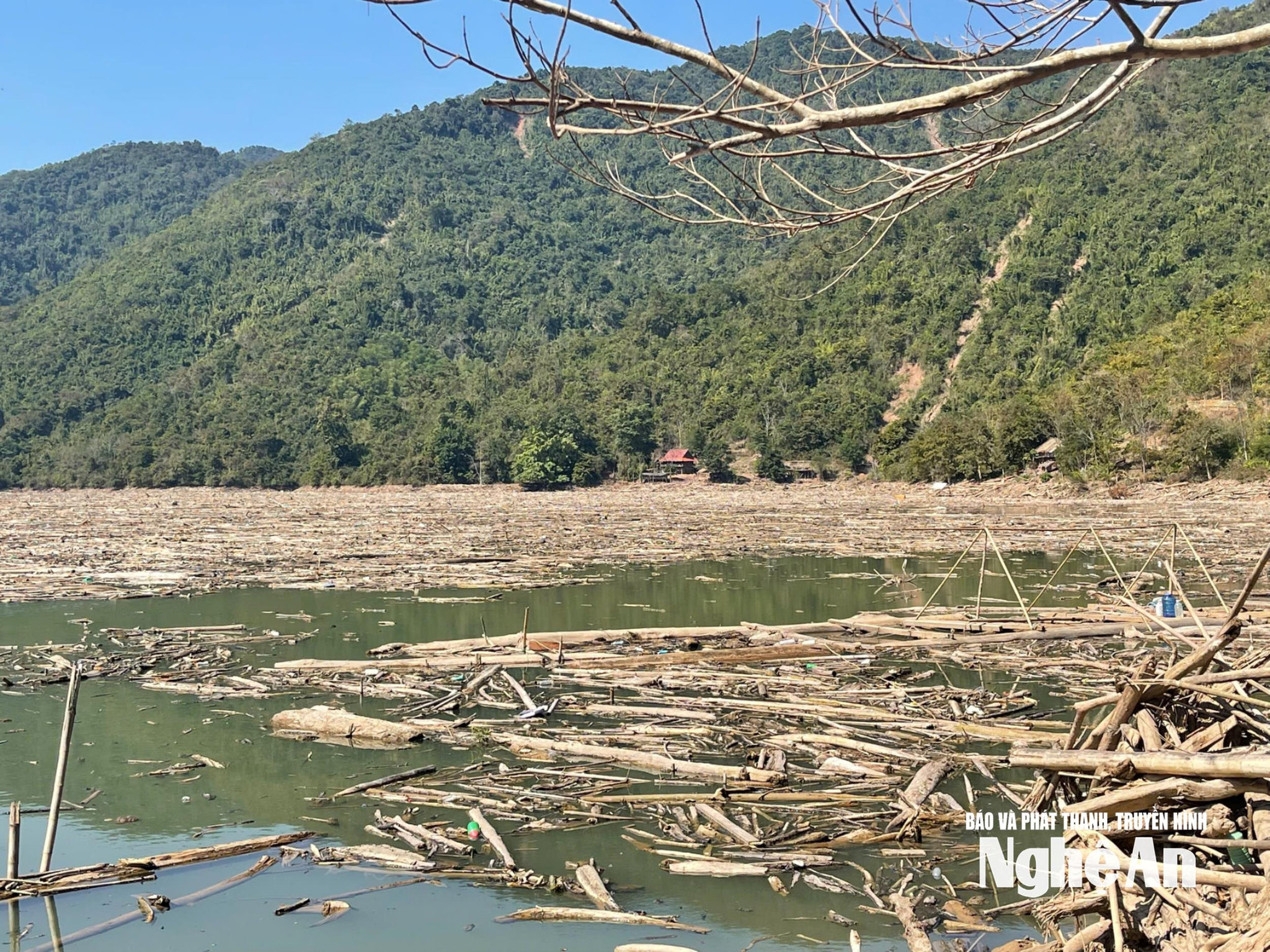
Beyond environmental pollution, this situation directly impacts people's livelihoods. The most noticeable effects are on waterway transportation and the living environment. Fishing and aquaculture activities are hampered; traveling by boat on the river becomes difficult and dangerous, especially for students and teachers in remote schools.
In some areas, there is a buildup of firewood and dry timber along the riverbanks, posing a risk of forest fires during the hot season. Meanwhile, much of the timber has been submerged in water for a long time, rotting and losing its economic value, making sorting and processing difficult.
According to Mr. Le Hong Thai, Chairman of the People's Committee of Nhon Mai commune, the amount of wood, firewood, and waste in the Nam Non River within the commune's jurisdiction remains very large, causing localized blockages and affecting waterway traffic. The local authorities have proposed a comprehensive solution and are awaiting feedback from higher authorities.
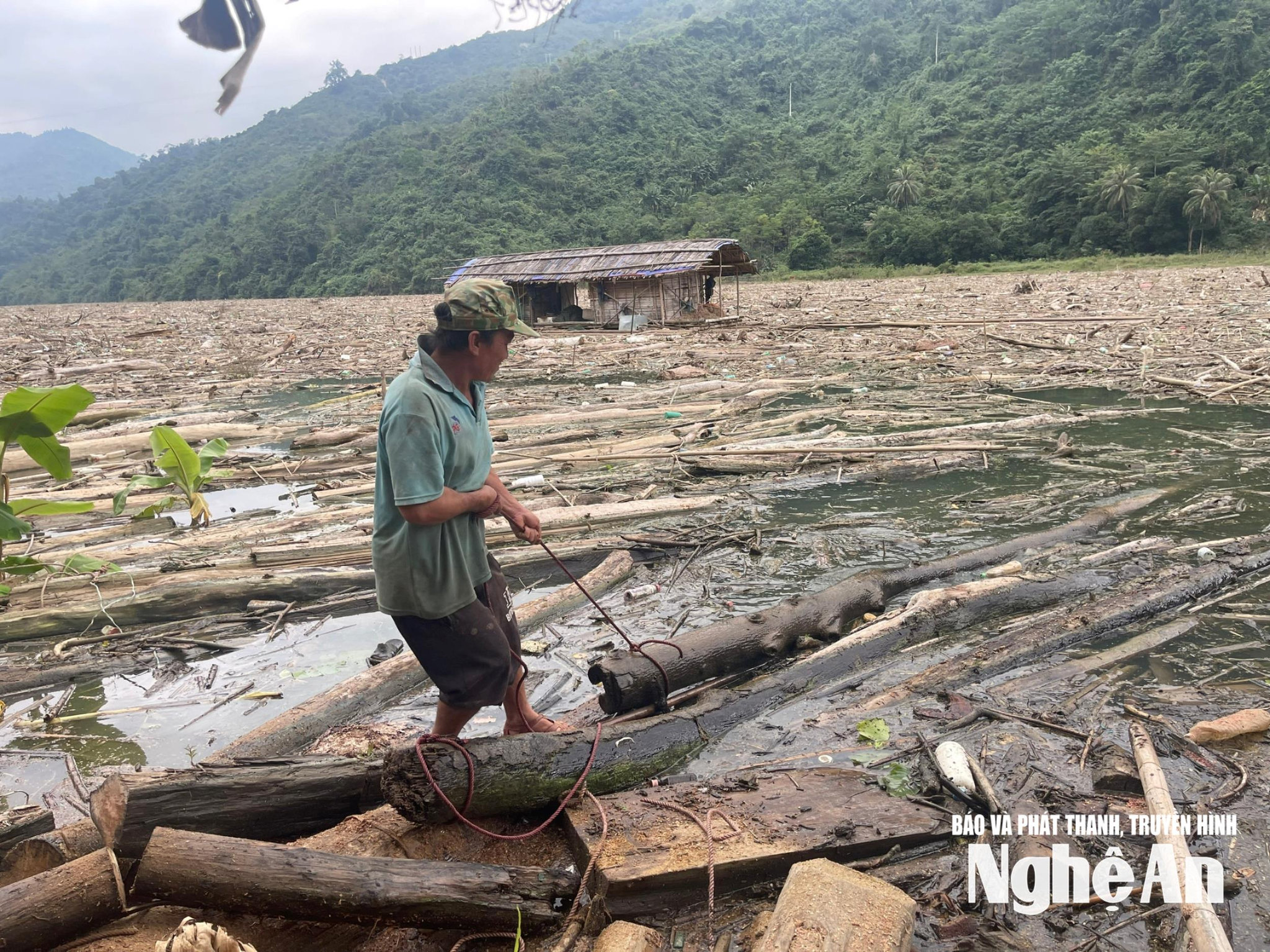
Mr. Ta Huu Hung, Director of Ban Ve Hydropower Company, stated: After the major floods in 2025, the estimated volume of garbage, firewood, and timber flowing into the reservoir exceeded 20,000 cubic meters, including both upstream sources within Vietnam and from neighboring Laos. This large volume indicates significant pressure to handle, exceeding the company's capacity to resolve the issue in a short period. Although the company has recently organized bidding processes and hired capable units to collect and process the waste at a cost of billions of dong, the large volume and complex terrain mean that the processing is still incomplete and the waterway cannot be fully cleared.
Due to the enormous volume of debris carried ashore after the 2025 floods, exceeding normal processing capacity, waste collection has become extremely difficult. In response to this situation, on March 26, 2026, the People's Committee of Nhon Mai commune issued Document No. 151/UBND-KT, requesting relevant authorities and departments to develop a plan for waste disposal in the Ban Ve Hydropower Reservoir area.
A flexible mechanism is needed to address the issue thoroughly.
To address the issue of driftwood, firewood, and debris floating into the Ban Ve Hydropower Reservoir, starting in early April 2026, following the directive of the Department of Agriculture and Environment, the Nghe An Forest Protection Department assigned the Tuong Duong and Ky Son Forest Protection Units, according to their respective areas of management, to coordinate with the People's Committees of the communes, forest owners, and the Ban Ve Hydropower Company to conduct on-site inspections, determine the location and extent of accumulated driftwood and firewood; preliminarily identify the types and groups of wood, their condition, and estimate the volume, thereby proposing specific handling plans.
According to Report No. 93/BC-HKL dated April 8, 2026, from the Tuong Duong Forest Management Unit, in Nhon Mai commune alone there are 3 large accumulation areas with a total water surface area of approximately 139 hectares; in Huu Khuong commune, many firewood and timber collection points along streams and creeks have also been recorded with an area of about 2.8 hectares.
In this document, the Tuong Duong Forest Management Unit also recommended that the dense accumulation of wood, firewood, and waste not only obstructs water flow but also directly affects the aquatic ecosystem, water quality, and waterway safety. This is an urgent issue that requires a comprehensive solution soon.
Most recently, following the inspection and survey results, on April 15, 2026, the Department of Agriculture and Environment issued Document No. 4137/SNNMT-KLKL requesting the Provincial People's Committee to consider and approve the policy of allowing the collection and treatment of floating waste on the Ban Ve Hydropower Reservoir. Initially, the Nhon Mai Commune People's Committee is tasked with organizing the collection and clearing of areas where waste accumulates, affecting the living environment and transportation of local residents.
Due to the large area of waste in the reservoir, affecting many localities and continuing to accumulate after each flood, the Department of Agriculture and Environment has proposed that the Provincial People's Committee select a competent unit to lead and coordinate with the commune-level authorities and the hydropower plant operator to develop a comprehensive, long-term plan for regular waste collection, ensuring management and monitoring in accordance with regulations.
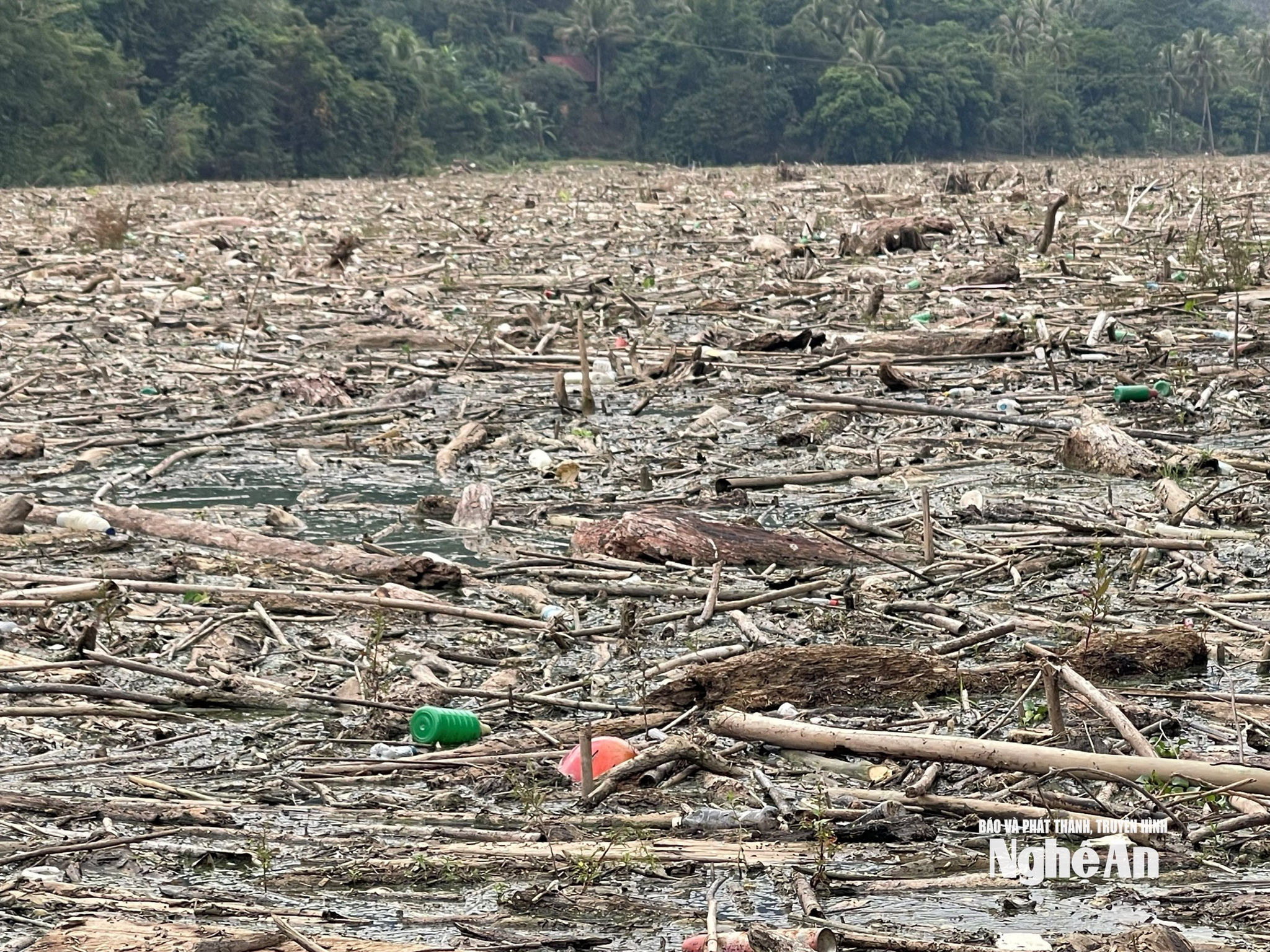
It is known that on April 22, 2026, the Provincial People's Committee also issued a document assigning the Department of Agriculture and Environment to take the lead in coordinating with relevant agencies to urgently develop a comprehensive plan to handle floating waste on the Ban Ve Hydropower Reservoir; to select a unit with sufficient capacity to take the lead and coordinate with local authorities at the commune level, the hydropower plant, reservoir, and dam operators to collect and process floating waste on the Ban Ve Hydropower Reservoir in a timely manner and in accordance with the law.
It is evident that the handling of driftwood, firewood, and waste floating in the Ban Ve Hydropower Reservoir is no longer a temporary solution but has become a regular task after each rainy season. Given this reality, it is necessary to boldly apply flexible solutions such as allowing for the recovery of these materials and socializing the collection and processing activities to mobilize resources and improve efficiency.
At the same time, it is necessary to establish inter-regional coordination mechanisms, especially with upstream areas bordering the border, to control the source of drifting waste and forest products from an early stage.
In the context of implementing a two-tiered local government system, clearly defining the responsibilities of each relevant unit, coupled with a close coordination mechanism for handling waste, firewood, and driftwood washed ashore in the reservoir area, is a necessary requirement.
In the long term, a comprehensive solution is needed, ranging from controlling the source of the problem and organizing regular collection to establishing a unified management mechanism. Establishing a stable and sustainable mechanism is essential for fundamentally resolving the issue of driftwood and logs floating in the Bản Vẽ hydroelectric reservoir.


