
New Land Law: To reclaim land, resettlement areas must be completed simultaneously.
One of the notable and distinct new features of the 2024 Land Law and Decree No. 88/2024/ND-CP compared to previous regulations on compensation, support, and resettlement when the State recovers land is that localities must complete the technical and social infrastructure of the resettlement area before issuing a land recovery decision.
Before land can be reclaimed, the resettlement area must be completed.
Specifically, Clause 6, Article 91 of the 2024 Land Law stipulates for the first time that resettlement areas must have complete technical and social infrastructure in accordance with the detailed plan approved by the competent authority; at the same time, they must be consistent with the cultural traditions, customs, and practices of the local community where the land is being acquired. Resettlement areas can accommodate one or more projects. The People's Committees at the provincial, district, and soon the commune/ward levels (following the two-tiered local government model) are responsible for organizing the preparation and implementation of resettlement projects to ensure proactive resettlement arrangements for those whose land is being acquired.
The approval of compensation, support, and resettlement plans, as well as the arrangement of resettlement, must be completed before a land acquisition decision is made.
(Excerpt from Clause 6, Article 91, Land Law 2024)
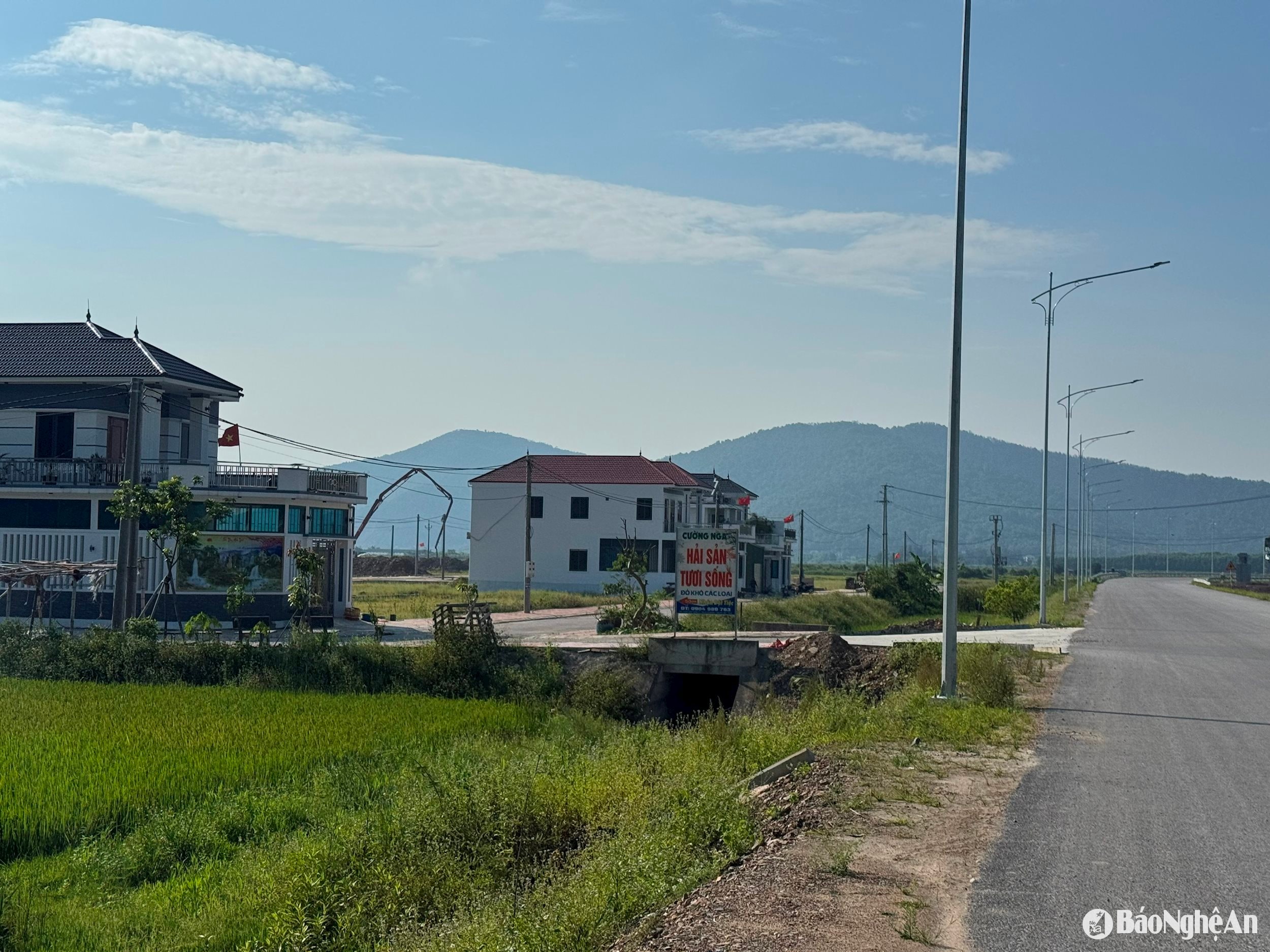
The 2024 Land Law stipulates the principles of compensation, support, and resettlement when the State reclaims land. Accordingly, compensation, support, and resettlement when the State reclaims land must ensure democracy, objectivity, fairness, openness, transparency, timeliness, and compliance with the law; for the common good, sustainable development, civilization, and modernity of the community and locality; and with consideration for social policy beneficiaries and those directly involved in agricultural production.
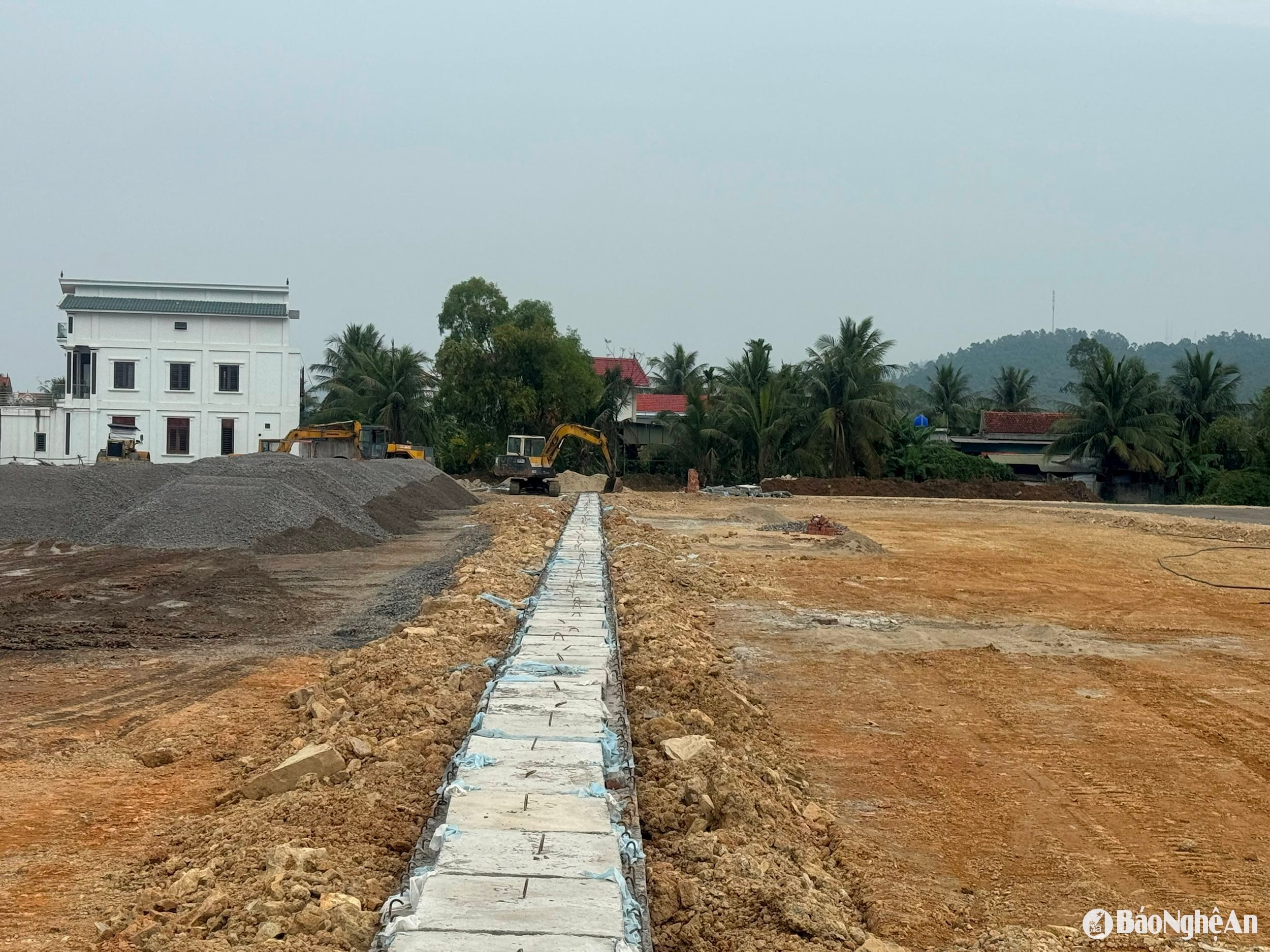
Land compensation is provided by allocating land with the same intended use as the land being acquired. If there is no land available for compensation, monetary compensation will be provided based on the specific land price of the acquired land, as determined by the competent People's Committee at the time of approving the compensation, support, and resettlement plan. If the person whose land is acquired is compensated with land or housing but wishes to receive monetary compensation, they will be compensated in cash according to their registered request when the compensation, support, and resettlement plan was established.
If the landowner whose land is being expropriated has a need and the locality has available land and housing resources, compensation may be considered in the form of land with a different use than the expropriated land or in the form of housing.
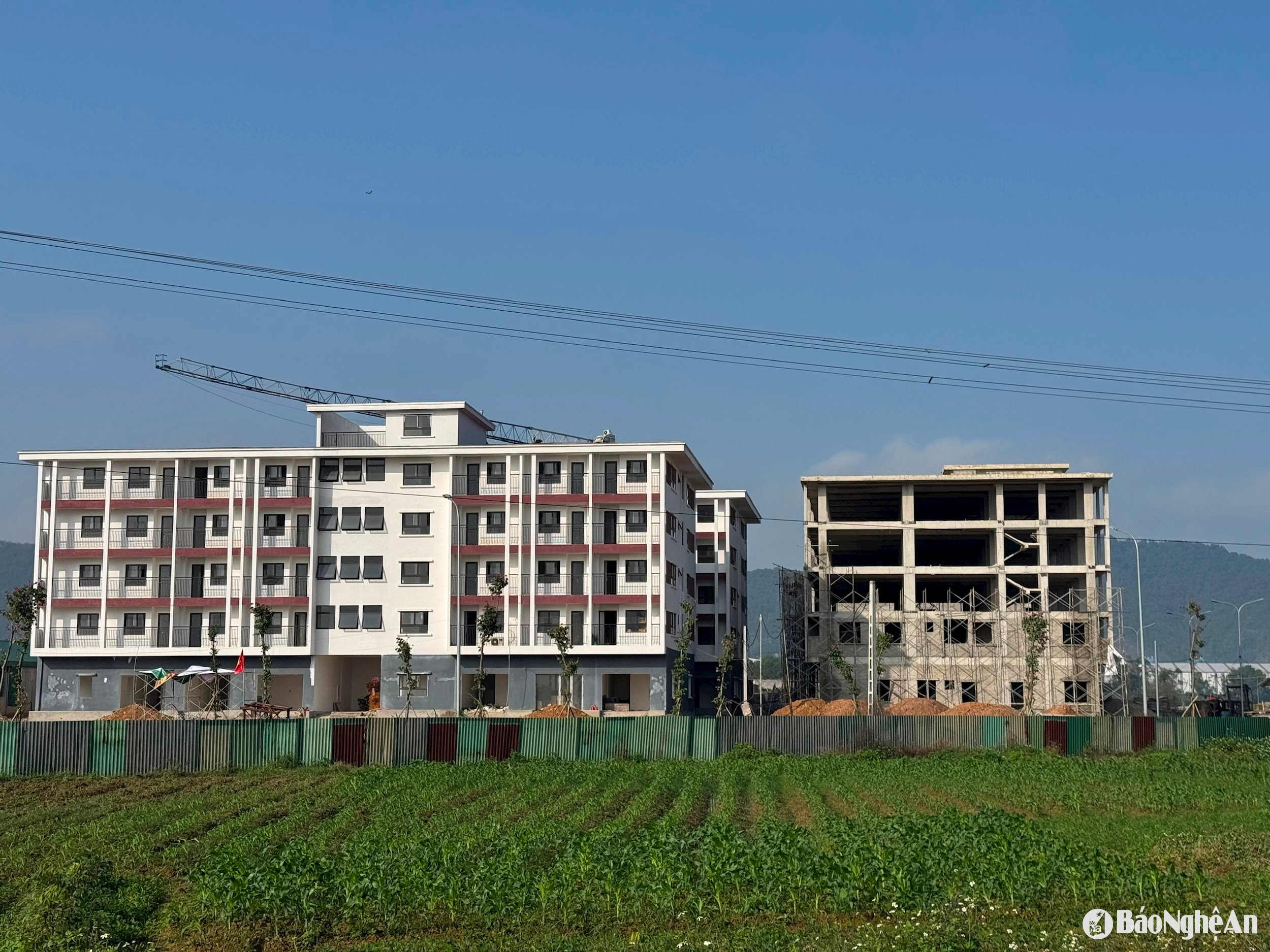
In addition to the above case, according to Articles 78 and 79 of the 2024 Land Law, if the remaining area of the land parcel after expropriation is smaller than the minimum area stipulated by the Provincial People's Committee in the Land Law, and if the land user agrees to the expropriation, the competent People's Committee shall decide on the expropriation and carry out compensation, support, and management of this land area in accordance with the law. The compensation and support costs in this case of land expropriation shall be included in the compensation, support, and resettlement costs of the project.
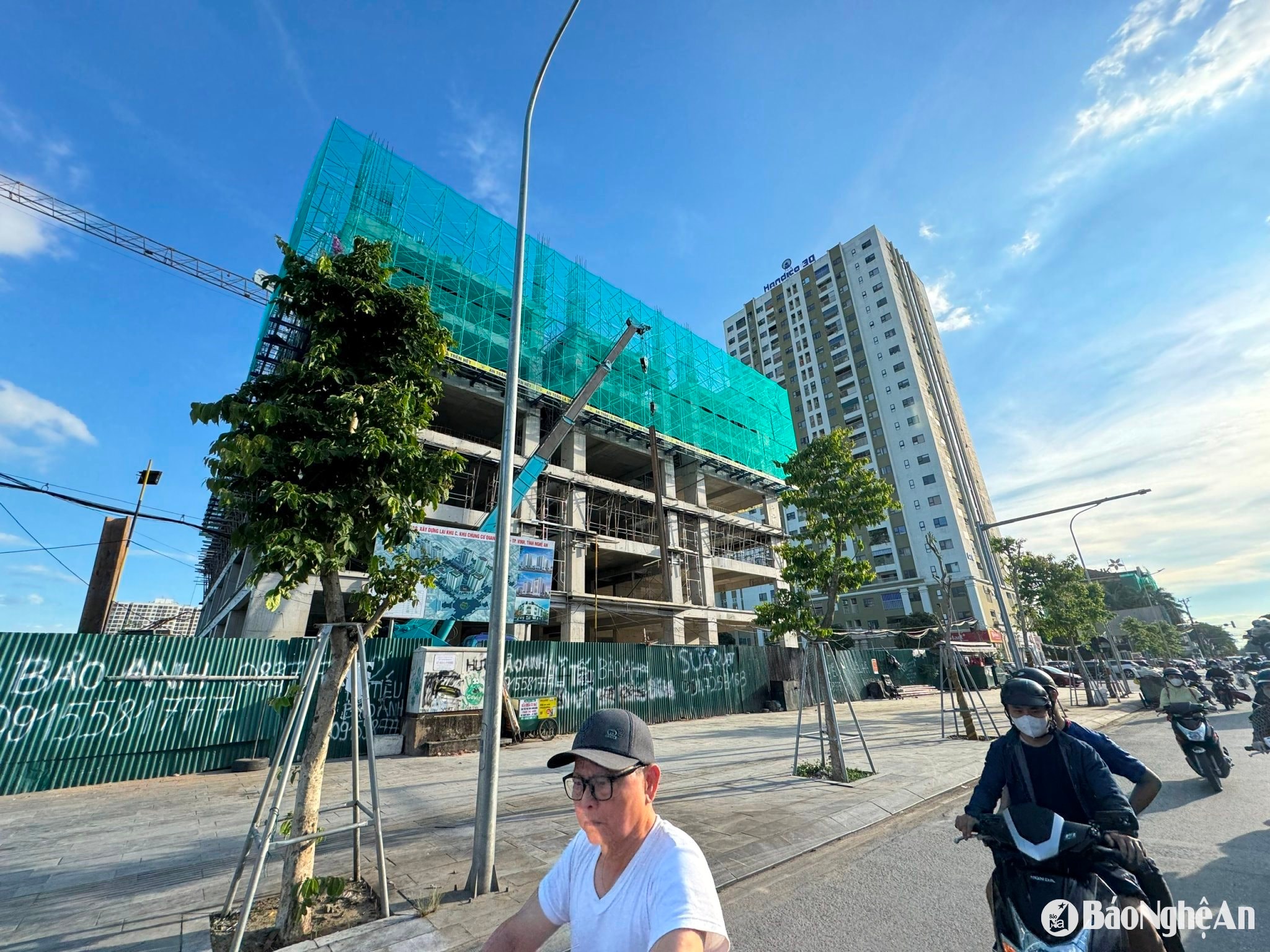
Mr. Cao Quang Trung, Director of the Provincial Land Development Center, shared: In Nghe An, based on the 2024 Land Law and Decree 88/2024/ND-CP, the People's Committee of Nghe An province issued Decision No. 33/2024/QD-UB dated September 30, 2024 (effective from October 10, 2024) with many specific regulations on compensation, support, and resettlement when land is reclaimed. It must be acknowledged that this is a new, different, and progressive regulation of the 2024 Land Law compared to previous regulations. The regulation creates favorable conditions and compels localities to be more determined to balance budgets, allocate resources, and reserve clean land for the construction of resettlement areas as a basis for land reclamation for projects.
In reality, not only in Nghe An but also in other localities, there are resettlement areas that have not been invested in according to regulations and lack uniformity, and do not have social infrastructure for resettled people. This has led to a situation where social housing areas and housing in resettlement areas in districts and towns, despite having land or houses, are unused due to the lack of synchronized technical and social infrastructure. Many resettlement houses are abandoned, deteriorate, and cause waste.
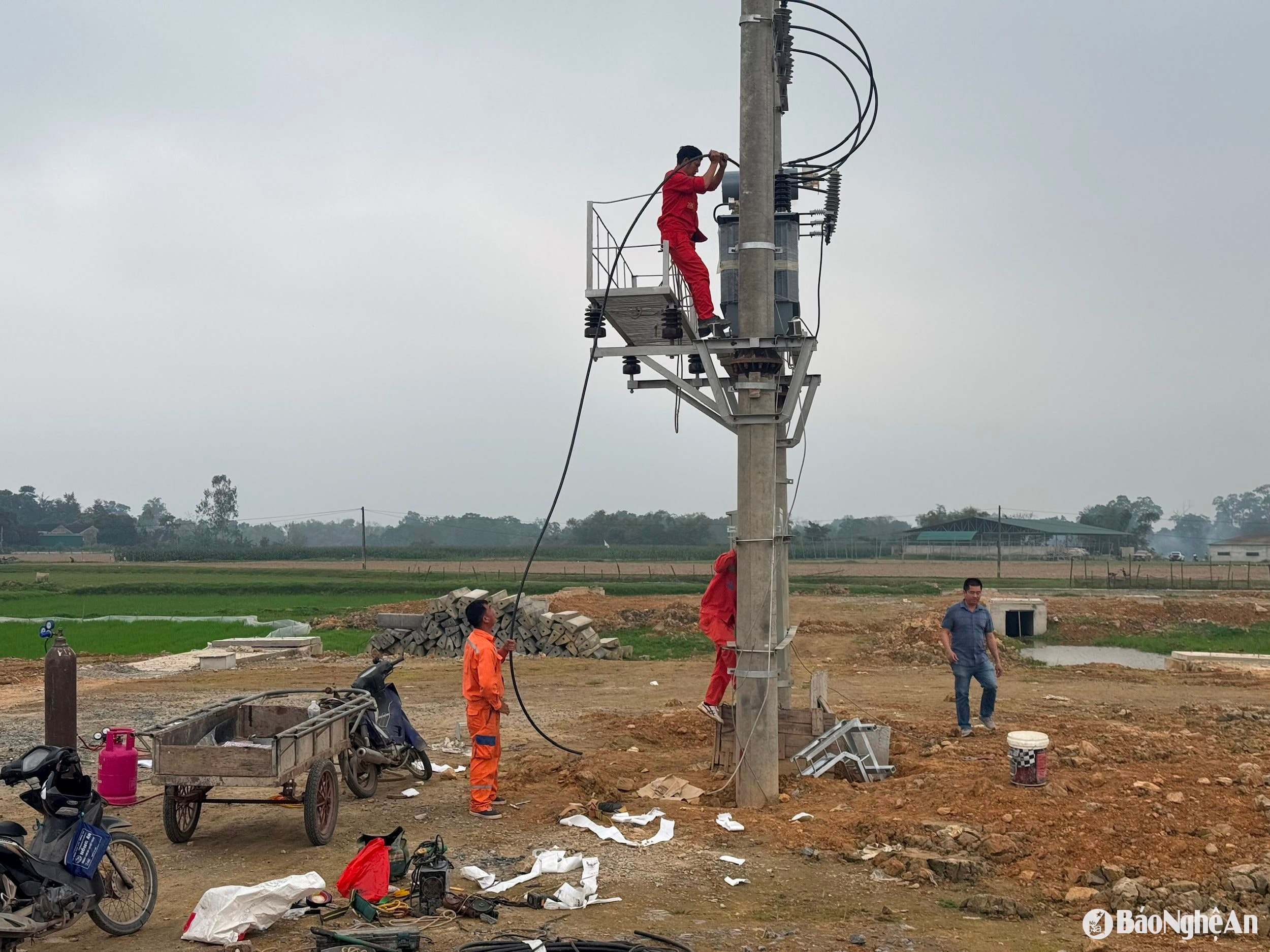
Therefore, the above regulation has contributed to overcoming the limitations and shortcomings of the previous Land Law of 2013, which only stipulated that the completion of housing/infrastructure construction in the resettlement area was required before a decision on land acquisition and a decision on compensation, support, and resettlement plan could be issued on the same day (according to point a, clause 3, Article 69, clause 3, Article 85).
The technical and social infrastructure of the resettlement area must be synchronized.
Unlike before, the 2024 Land Law has more specific regulations on the criteria for synchronized technical and social infrastructure. Specifically, resettlement areas must ensure the following conditions: the technical infrastructure of the resettlement area must at least meet the new rural standards for rural areas and urban standards for urban areas, including: roads ensuring connectivity with neighboring areas, street lighting and electricity for daily life, water supply and drainage systems, communication, and environmental treatment. The People's Committees at the provincial and district levels (soon to be the commune level) are responsible for preparing and implementing resettlement projects and resettlement areas in accordance with the law.
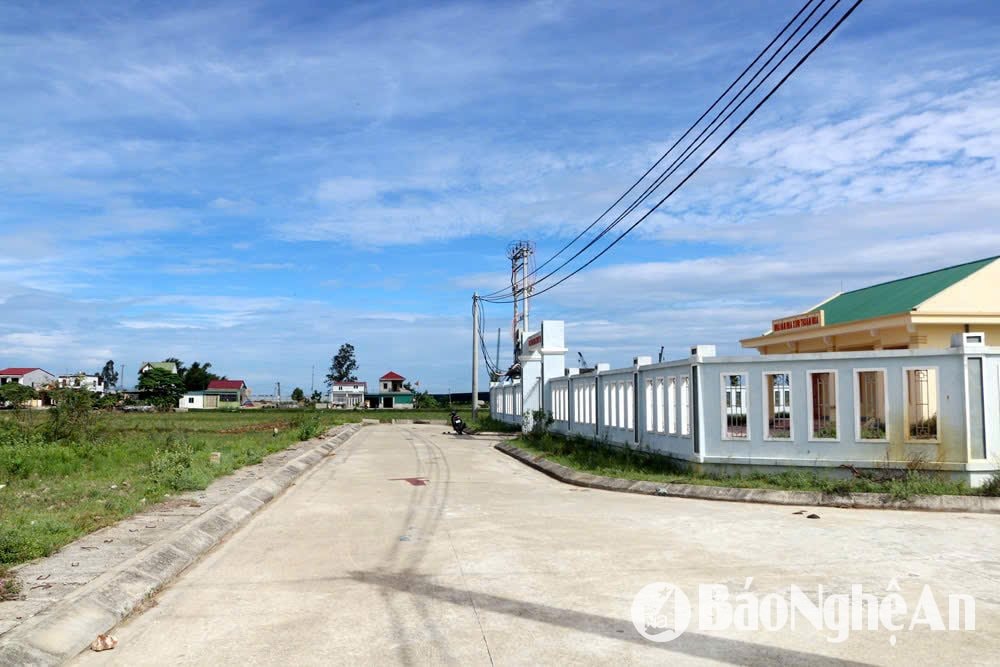
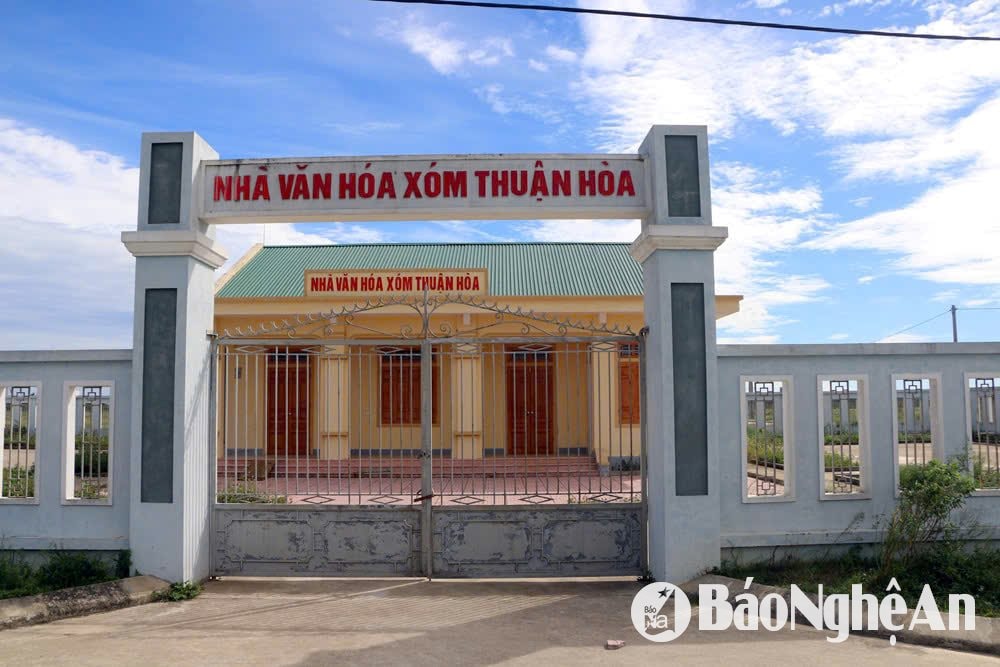
Meanwhile, the social infrastructure of resettlement areas must ensure access to healthcare, education, sports, commercial markets, services, recreation, and entertainment. In addition, the 2024 Land Law also stipulates that resettlement areas must be designed to suit the conditions, customs, and traditions of each region.
To create the most favorable conditions for people whose land is being expropriated, the Land Law of 2024 (Article 110) stipulates the selection of resettlement sites in the following order of priority: (1) in the administrative unit at the commune level where the land is being expropriated; (2) in the administrative unit at the district level where the land is being expropriated in cases where there is no land available for resettlement in the administrative unit at the commune level where the land is being expropriated; (3) in other areas with equivalent conditions in cases where there is no land available for resettlement in the administrative unit at the district level where the land is being expropriated; (4) prioritizing the selection of land with a convenient location to form a resettlement area.
Recently, at a meeting of the Government with localities on accelerating the progress of the 1 million social housing project, the Prime Minister emphasized that allocating land for the construction and development of social housing does not mean that localities should allocate unfavorable land locations that cannot be auctioned for social housing construction. Instead, they must choose locations that are convenient for people's daily lives and transportation. This requirement is also consistent with the regulations on compensation and resettlement in the Land Law throughout various periods, which always require that new and resettlement areas be better than or equivalent to the land from which it was acquired.
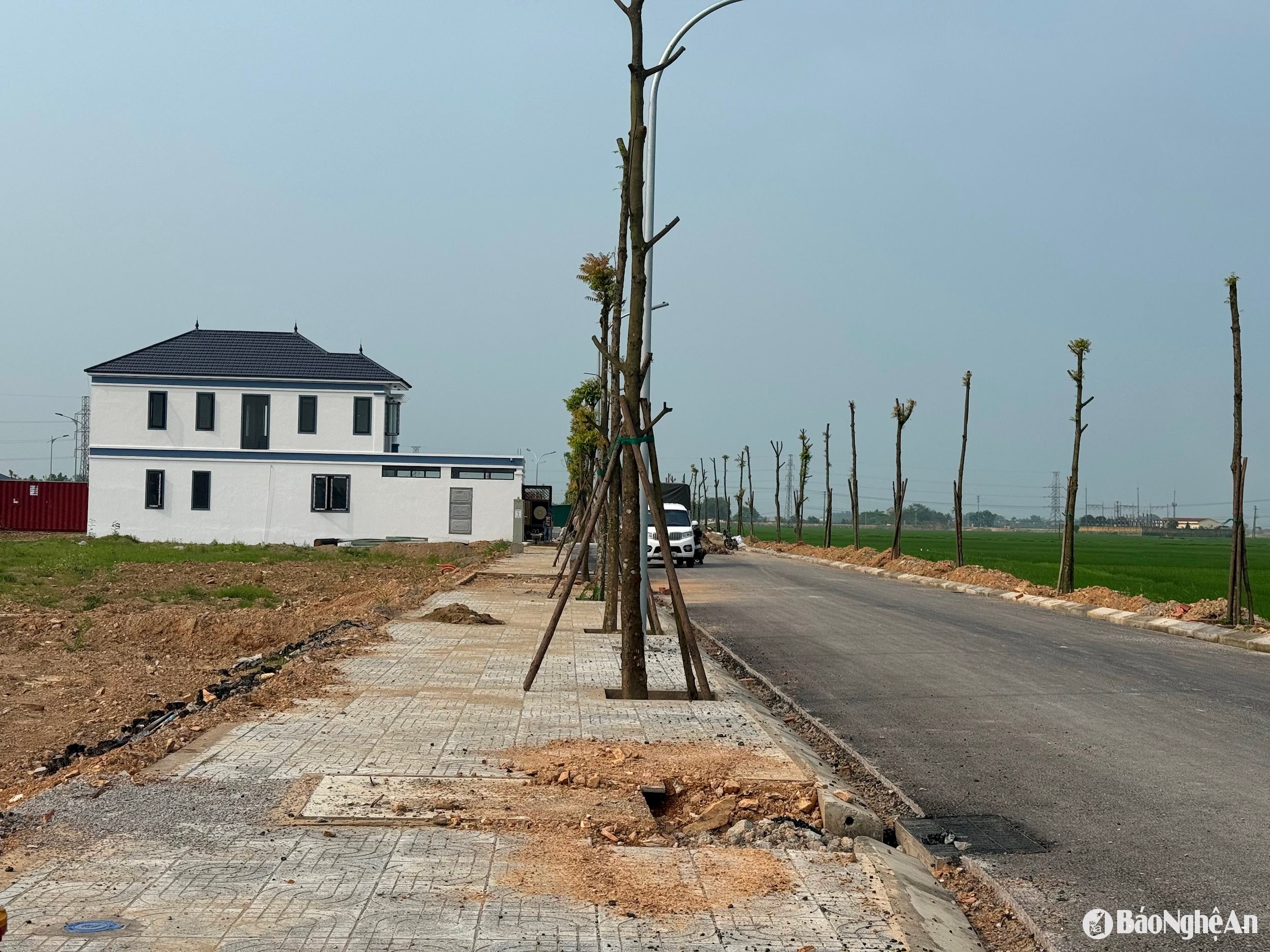
To address practical difficulties, the State also stipulates cases where the State can reclaim land using a simplified procedure. Accordingly, Article 79 of the 2024 Land Law lists 31 cases where compensation and support can be implemented using a simplified procedure, ensuring that the construction of integrated technical and social infrastructure is still guaranteed and can be carried out simultaneously with the implementation of investment projects and land reclamation.
To ensure strictness, Article 83 of the 2024 Land Law, and especially Decree 88/2024/ND-CP, stipulates that provincial People's Committees shall reclaim land from domestic organizations, religious organizations, affiliated religious organizations, people of Vietnamese origin residing abroad, foreign organizations with diplomatic functions, and economic organizations with foreign investment capital, in the cases specified in Articles 81 and 82 of this Law..The People's Committee at the district level (soon to be the People's Committee at the commune level) shall reclaim land for national defense and security purposes, regardless of the land user, organization, or individual managing or possessing the land; reclaim land from households, individuals, and communities in cases such as land reclamation due to violations of land laws, land reclamation due to termination of land use according to law, voluntary return of land; land reclamation due to landslides or subsidence leading to land loss.../.


