
Sacred spring water in the heart of the seaside city.
In the hearts and minds of every resident of Yen Luong village (Cua Lo ward), Yen Luong Temple is not only an ancient architectural structure with over 400 years of history, but also the soul and steadfast spiritual anchor that has weathered countless ups and downs.
Author:Diep Thanh- Publication date:3/8/2026
In the hearts of every resident of Yen Luong village (Cua Lo ward), Yen Luong Temple is not only an ancient architectural structure with nearly 400 years of history, but also the soul and steadfast spiritual anchor that has weathered countless ups and downs.
Legend of the ancient temple
For over a month, the entire village of Yen Luong has been filled with a special atmosphere of excitement. From one end of the village to the other, everywhere is ablaze with the vibrant colors of celebratory flags and banners. At Nghi Thuy fishing port, the bustling sounds of buying and selling, the roar of the waves, and the lively music blend together. The path leading to Yen Luong temple is crowded with people coming and going, and inside the temple, everyone is busy, their faces beaming with joy as they look forward to the grand ceremony.Phuc Luc Ngoat2026.
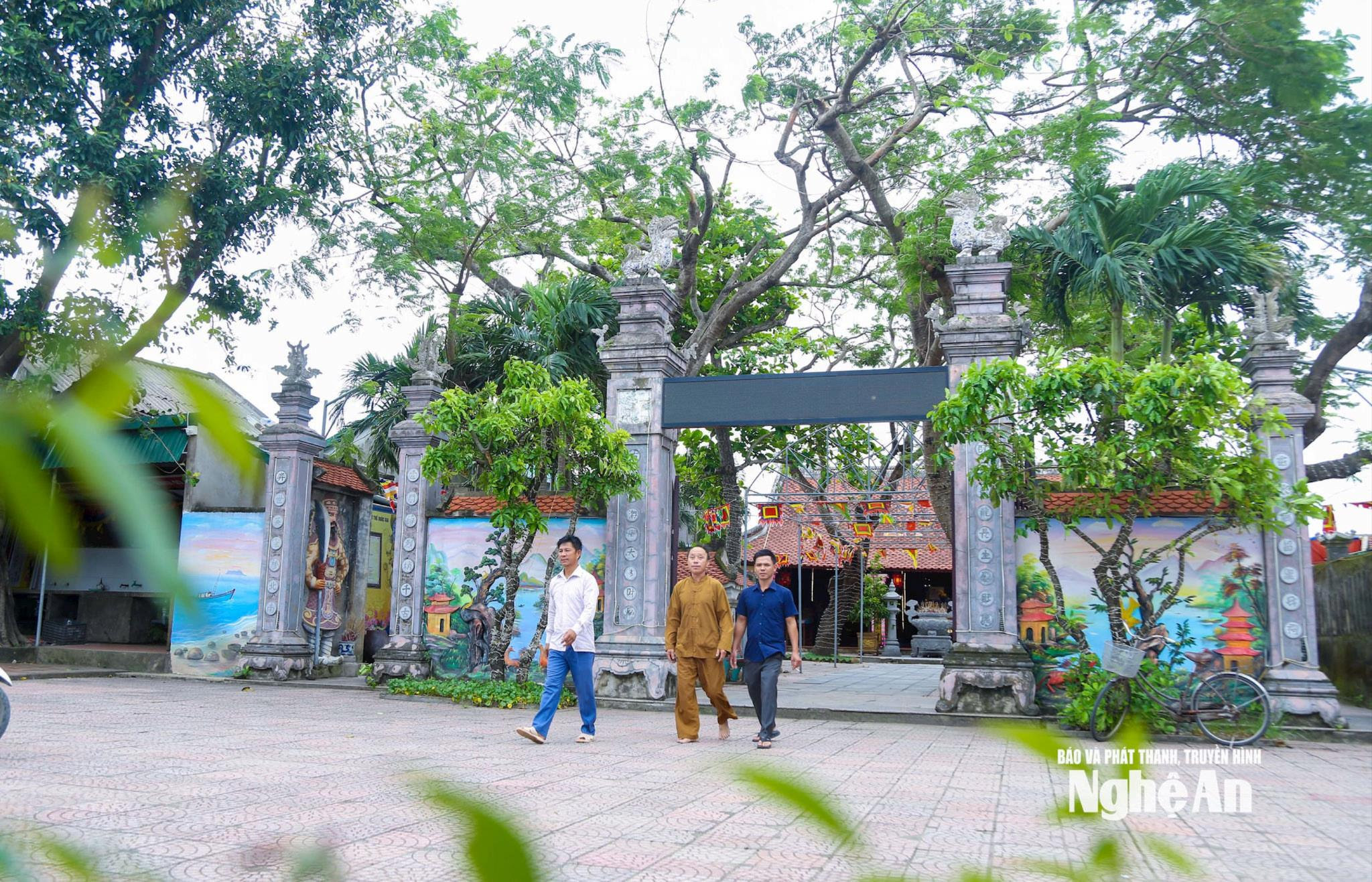
According to historical records, Yen Luong Temple was built during the Later Le Dynasty (1630), dedicated to deities who had contributed to the nation. However, the temple's spiritual destiny is linked to a significant milestone in the third year of Chinh Hoa (1682). Legend says that year, Yen Luong village faced turmoil, with strong winds and waves, crop failures, famine, and disease plaguing the lives of the fishermen. In this time of crisis, the village sent people to Corn Temple (Hoang Mai ward) to bring back incense sticks of the Four Holy Mothers for worship. Since then, the incense smoke at Yen Luong Temple has never ceased, like a sacred thread connecting the two, praying for the protection of the sea deities for safe and successful voyages at sea.
The name "Phuc Luc Ngoat" itself carries a profound humanistic meaning – it is a blessing ceremony held in the sixth lunar month. This is the middle of the year, the most favorable season for catching shrimp and fish, and also the time when fishermen temporarily put down their nets to express gratitude to the deities who have protected them from the rough seas. Although the temple holds two major ceremonies annually, the Phuc Luc Ngoat ceremony, held every three years (in the years of the Rat, Horse, Rabbit, and Rooster), is truly the largest and most elaborate festival.
The worship system at Yen Luong Temple is a unique convergence of sea deities, where both human and celestial deities are referred to as sea gods protecting the inhabitants of the waterways. At the head are the Four Holy Mothers – powerful goddesses who govern the estuaries and the open sea. They are worshipped alongside Cao Son Cao Cac – mountain deities who have been "sea-transformed" into sea gods guarding the entrance, along with Duc Ngu Ong (the Whale God) and the Mountain God of Lan Chau Island.
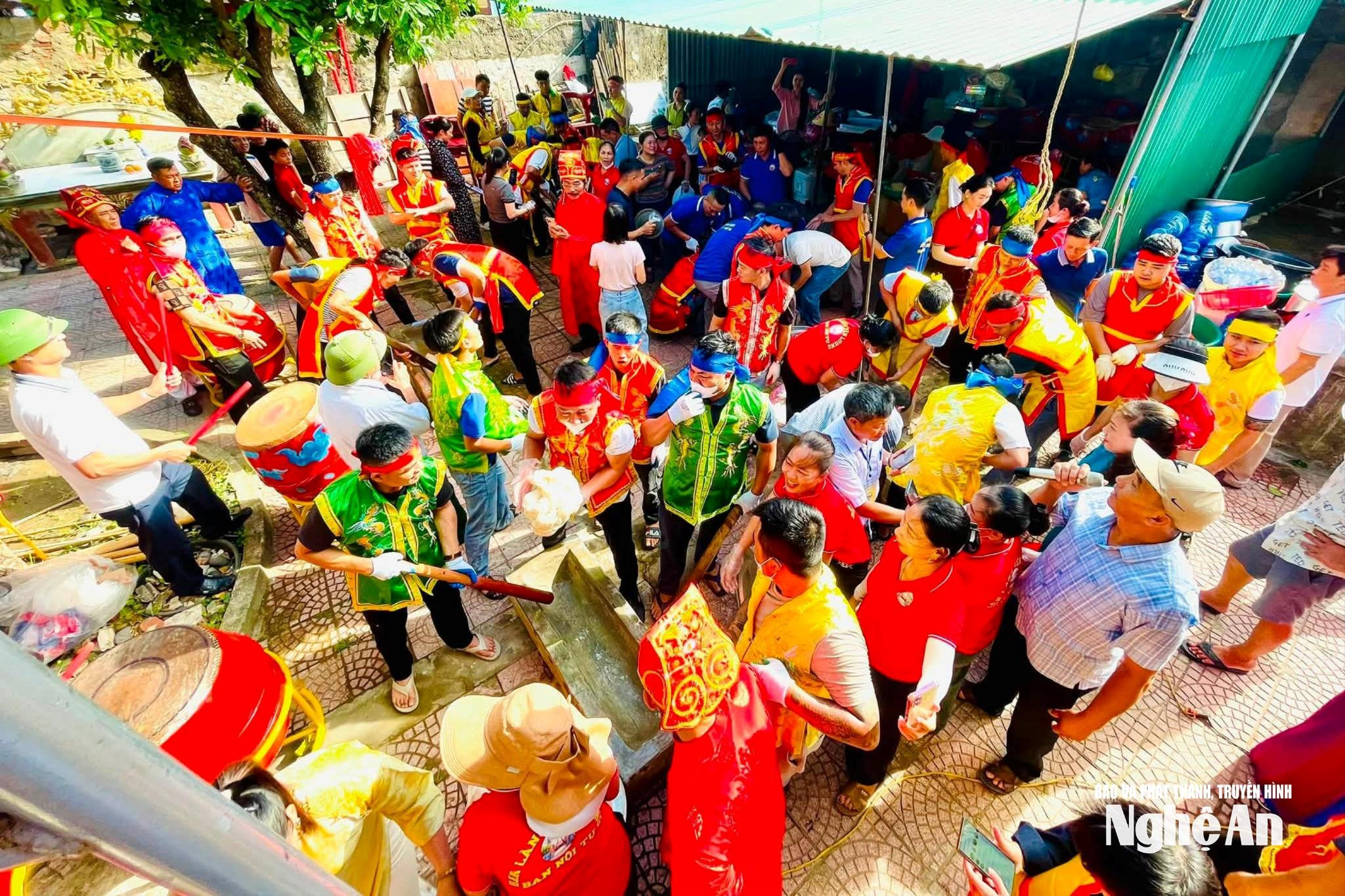
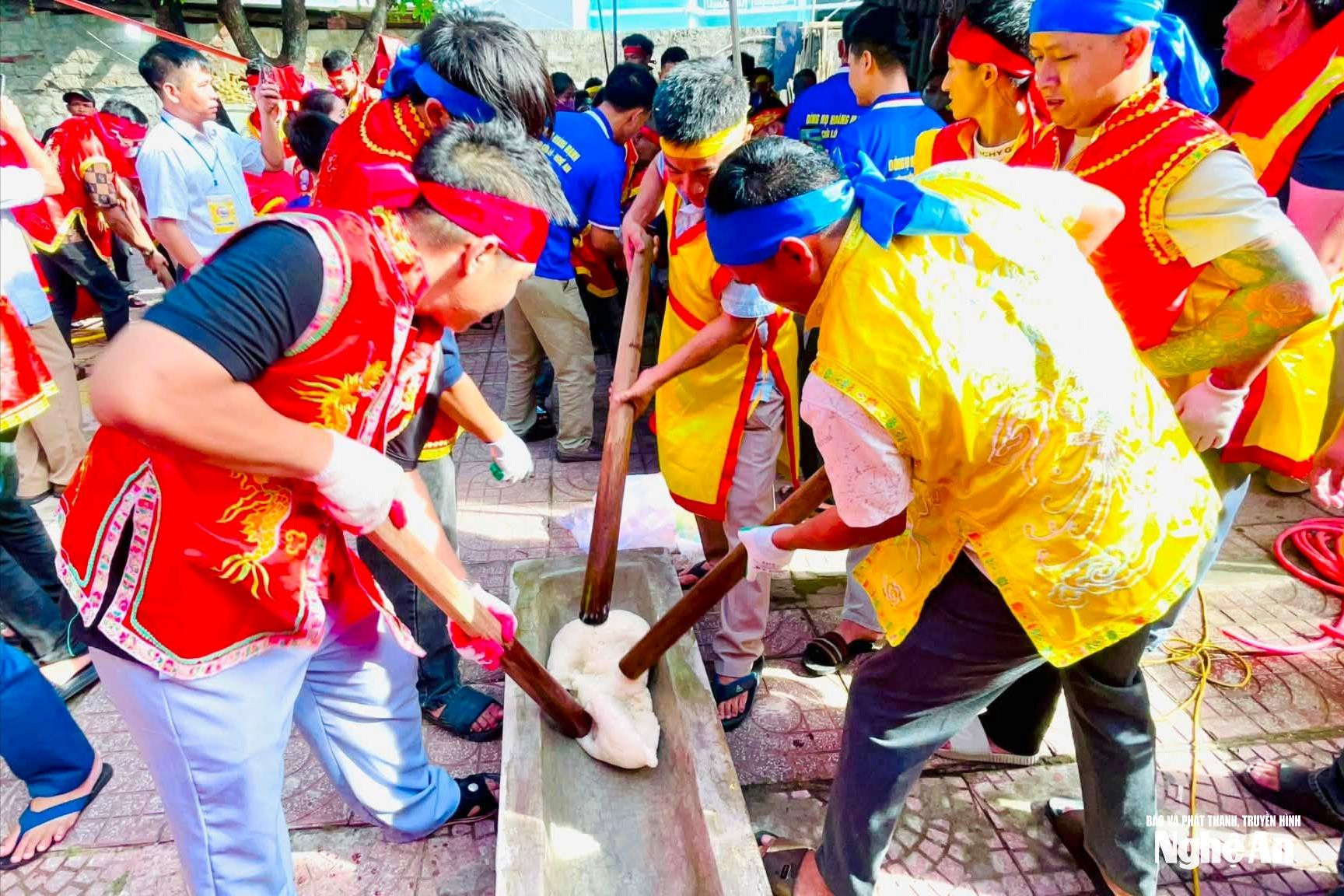
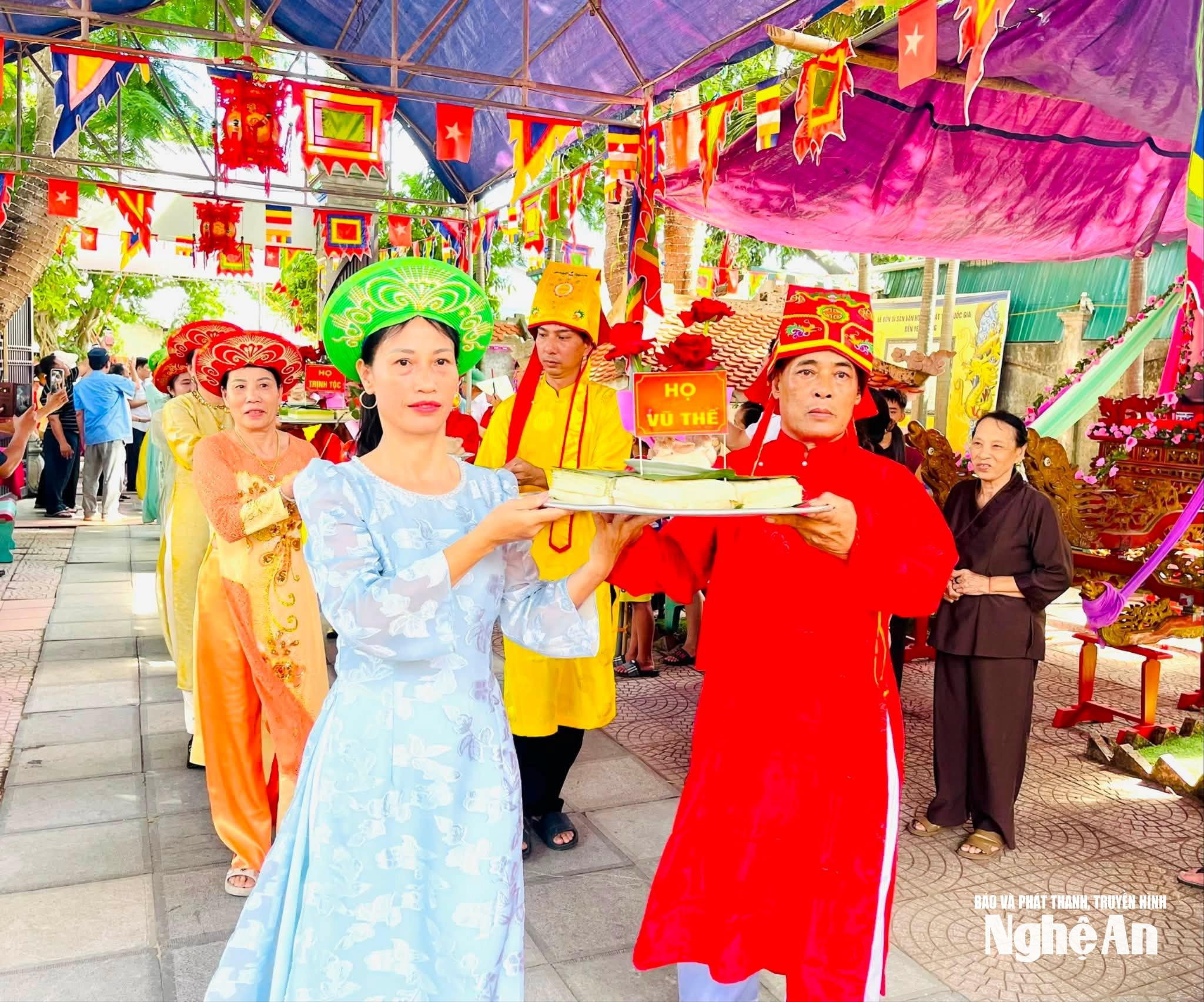
One of the most emotionally rich and distinctive cultural traditions leading up to the main festival is the "oản pounding" ritual. These pristine, square-shaped sticky rice cakes are not only offerings but also embody the strong survival aspirations of the fishing village through the "oản pounding and inspection" custom. To produce these cakes, strong young men from 32 clans must work together to pound sticky rice in stone mortars. Then, with the skillful hands of the women, the cakes are meticulously molded into banana leaf or coconut leaf molds and offered to the deities as a way of "reporting" the clan's progress and praying for "human prosperity and abundance," and for the village's male population to grow and continue fishing at sea…
Elevating Heritage - Connecting Communities
The 2026 Phuc Luc Ngoat Festival will take on a new, more spectacular scale than ever before, as it marks the first grand celebration held after its official inclusion in the National List of Intangible Cultural Heritage. No longer confined to the fishing village, the festival has now become a "precious gem" of coastal tourism.Cua Lo, where traditional values and modern life blend together in a truly impressive way.
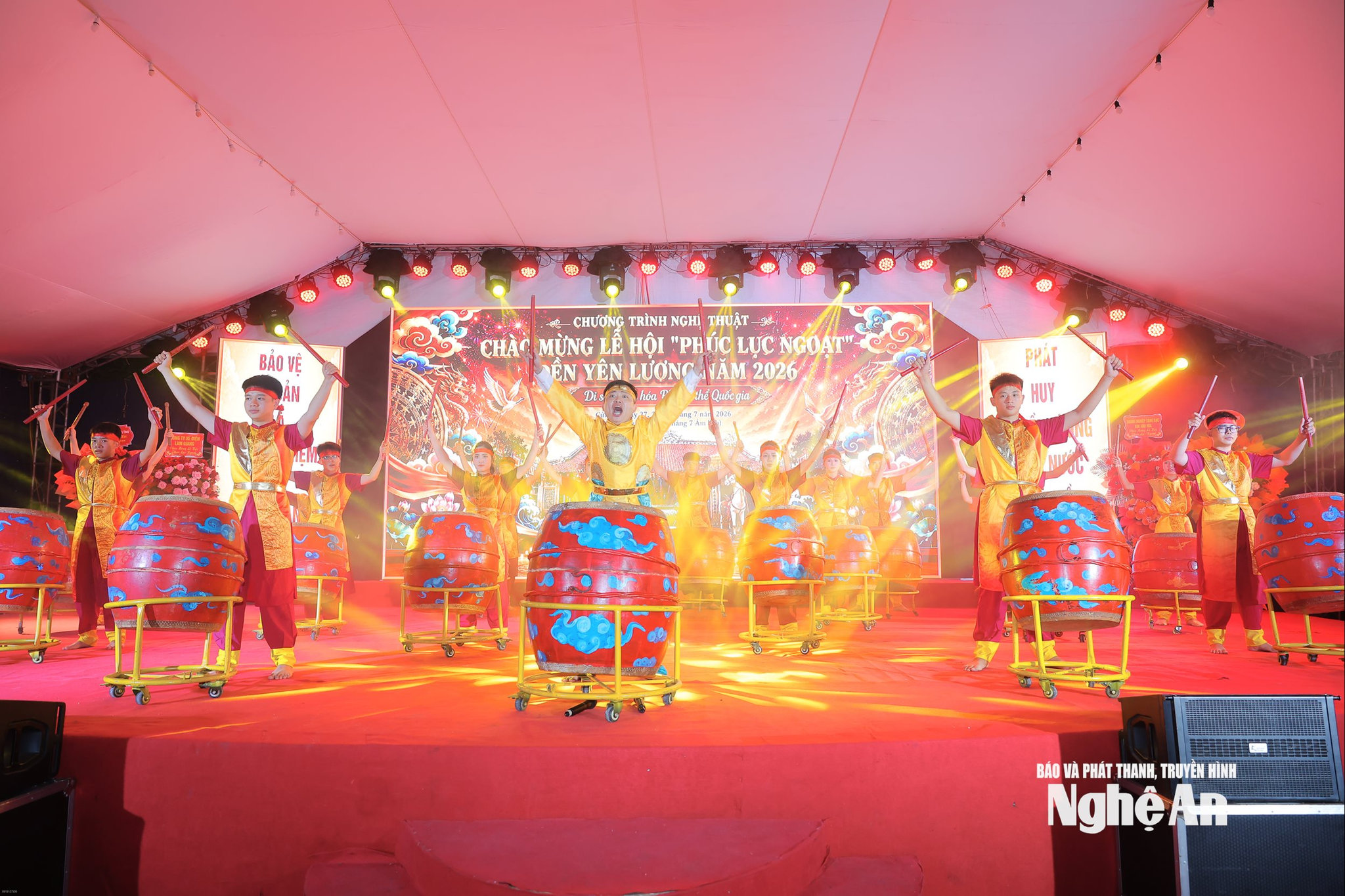
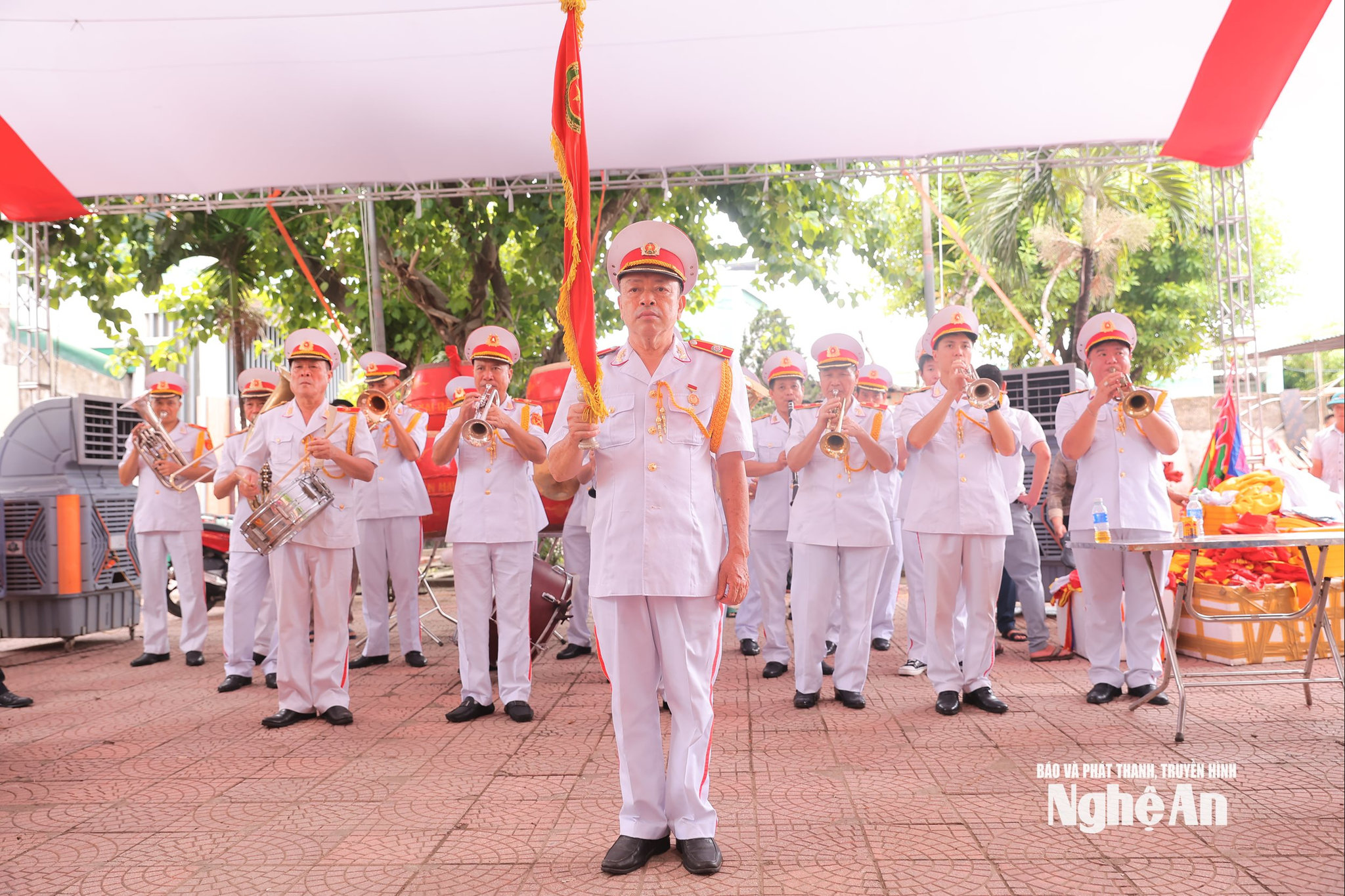
The most noticeable new feature of this year's festival is the strong "socialization," demonstrating the unity of the government and the people. For the first time, a men's football tournament with an organization costing over 150 million VND was sponsored by a business, and the total amount raised from the people was nearly 300 million VND. The pride of the people of Yen Luong village was further concretized by their joint contribution of funds to invite a 50-person brass band from Hanoi to perform at the festival.
The decorations in the temple this year also feature new and proud elements. “On the altar, alongside ancient ritual objects, people respectfully offer a gilded bronze drum model and five gilded trophies – representing the glorious achievements of the Yen Luong village's rowing and football teams. These are not just decorations, but a profound expression of gratitude, a way for descendants to report to the deities about a new generation of healthy, dynamic fishermen who always preserve their cultural identity,” shared Mr. Truong Van Canh (born in 1961), Deputy Head of the Organizing Committee of the 2026 Phuc Luc Ngoat Festival at Yen Luong Temple.
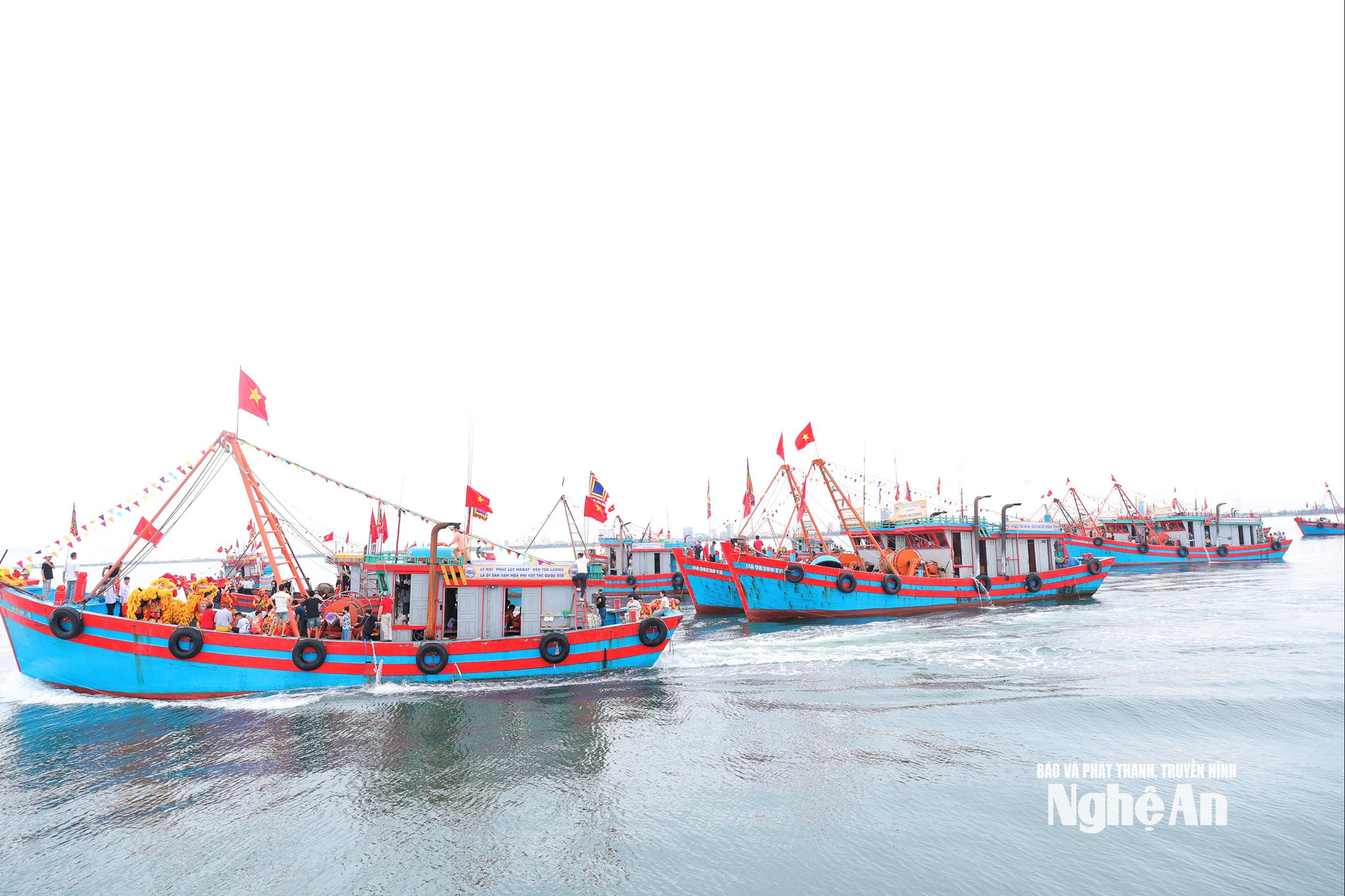
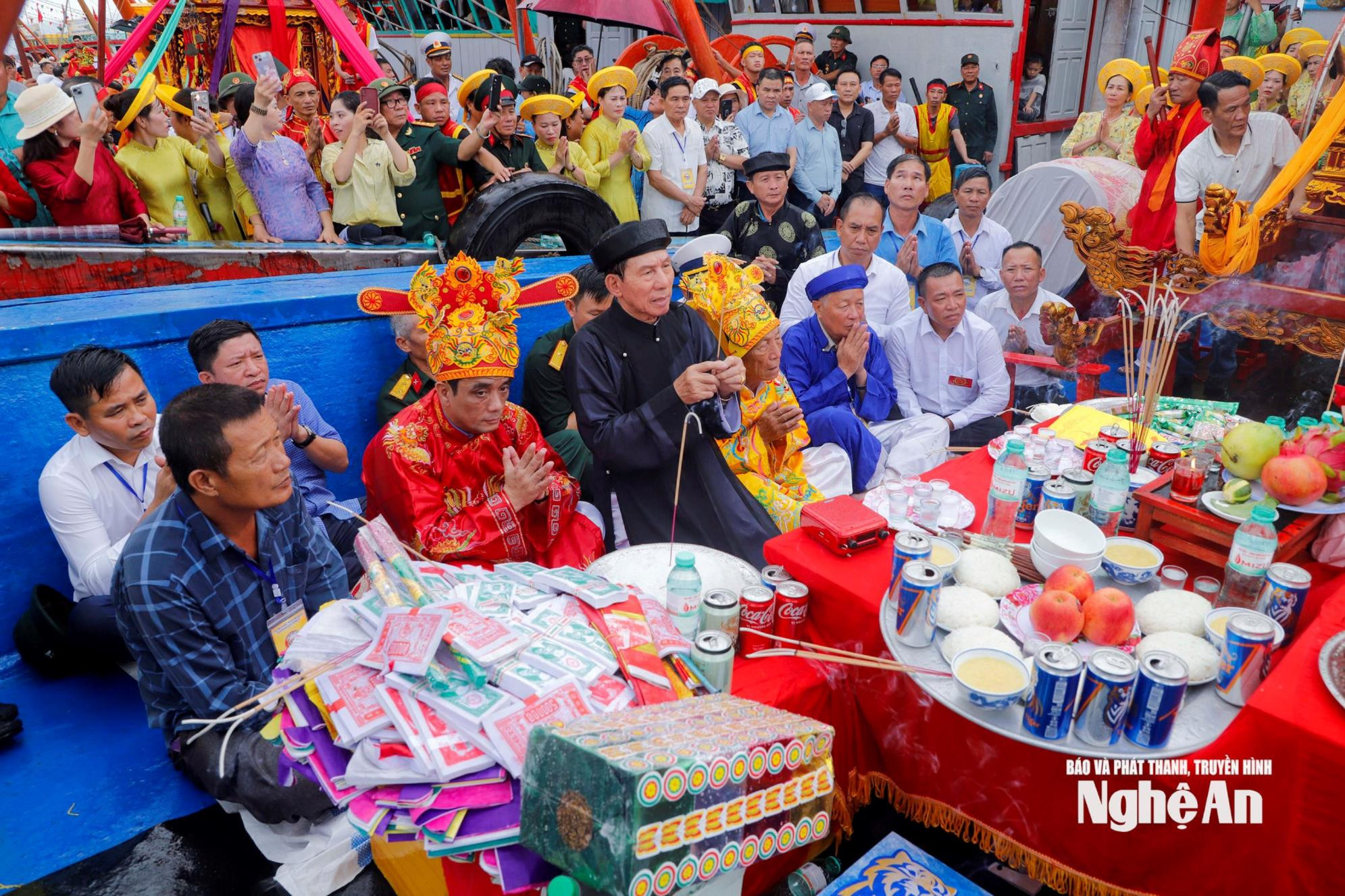
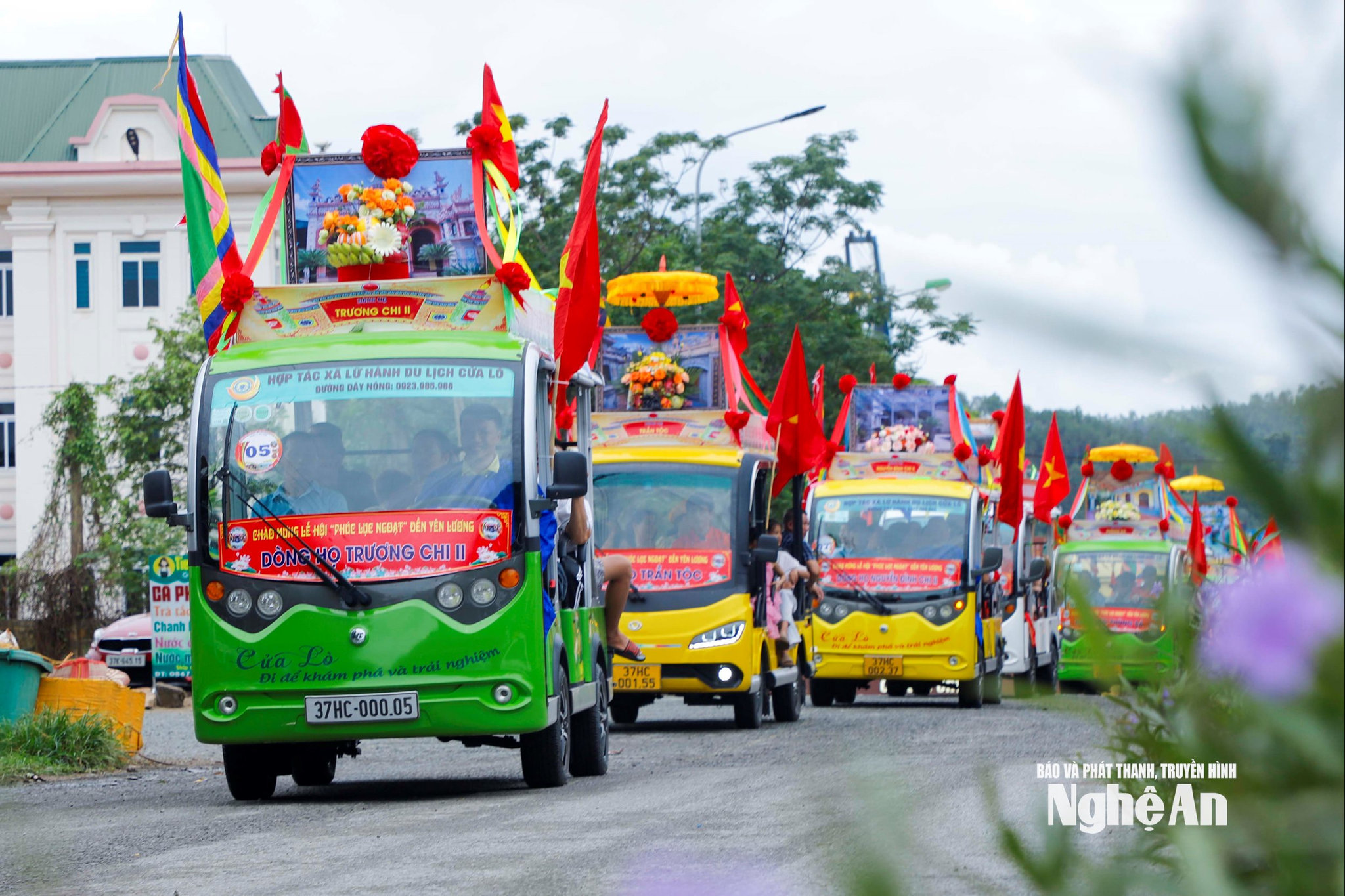
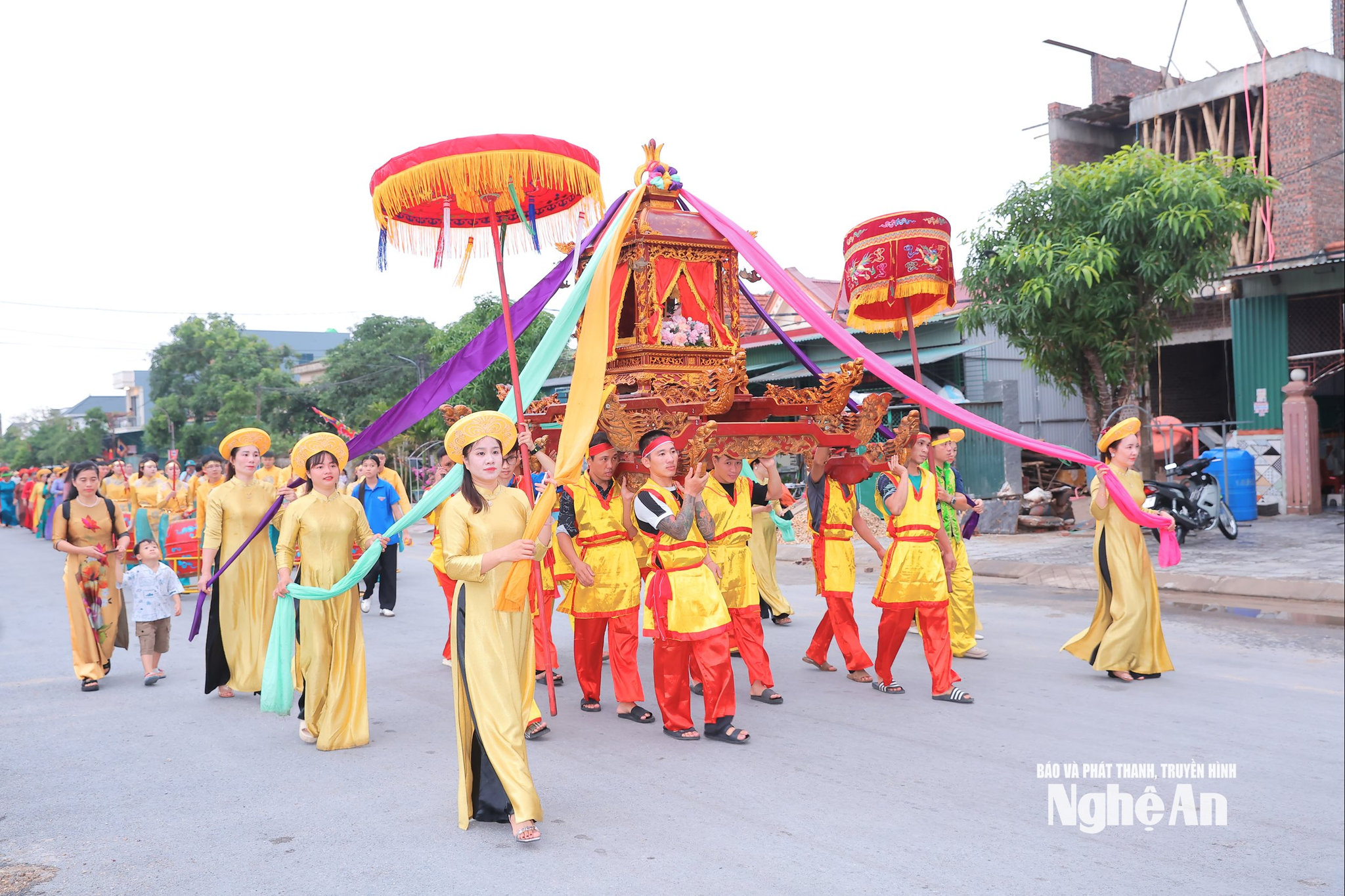
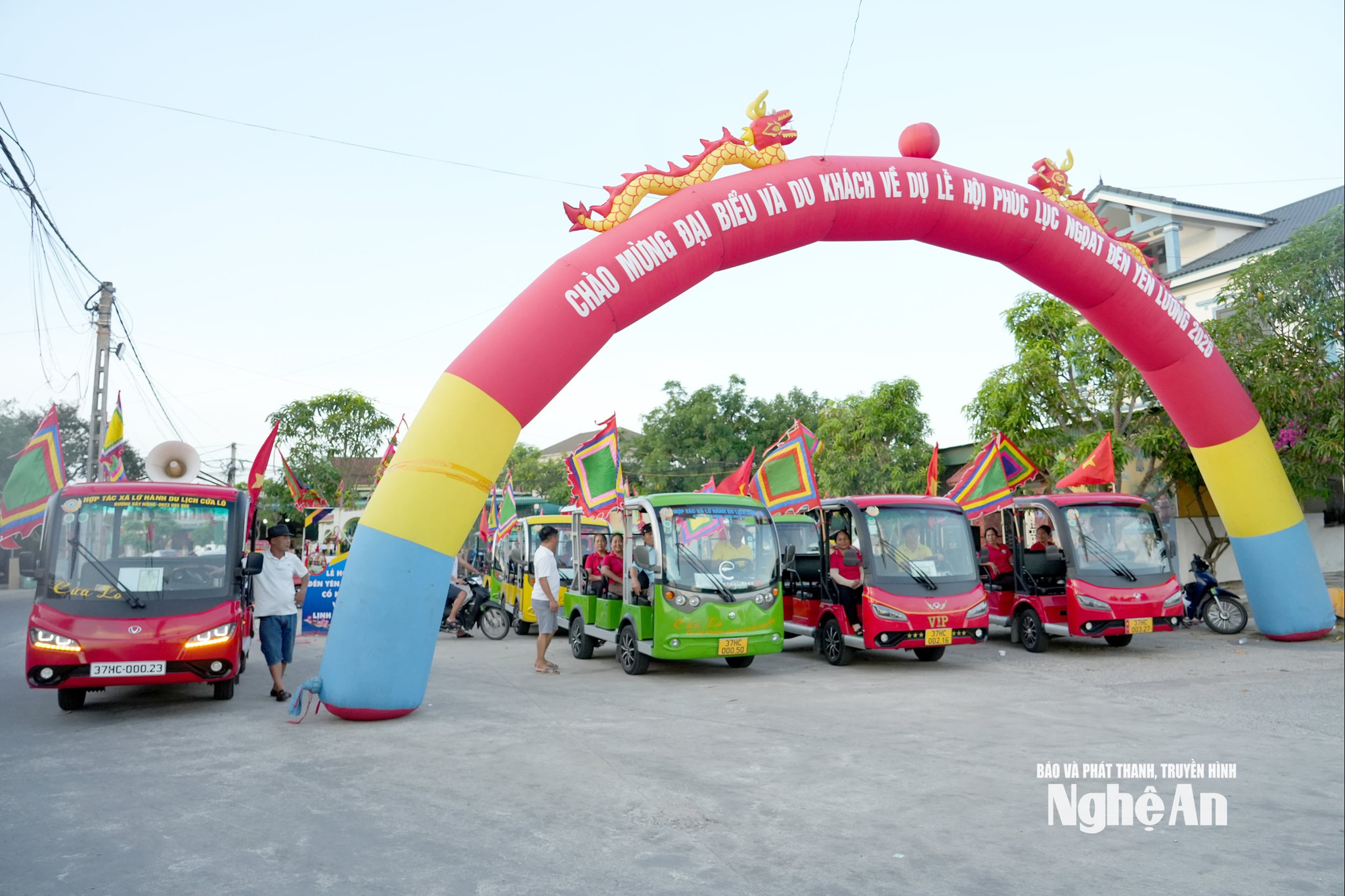
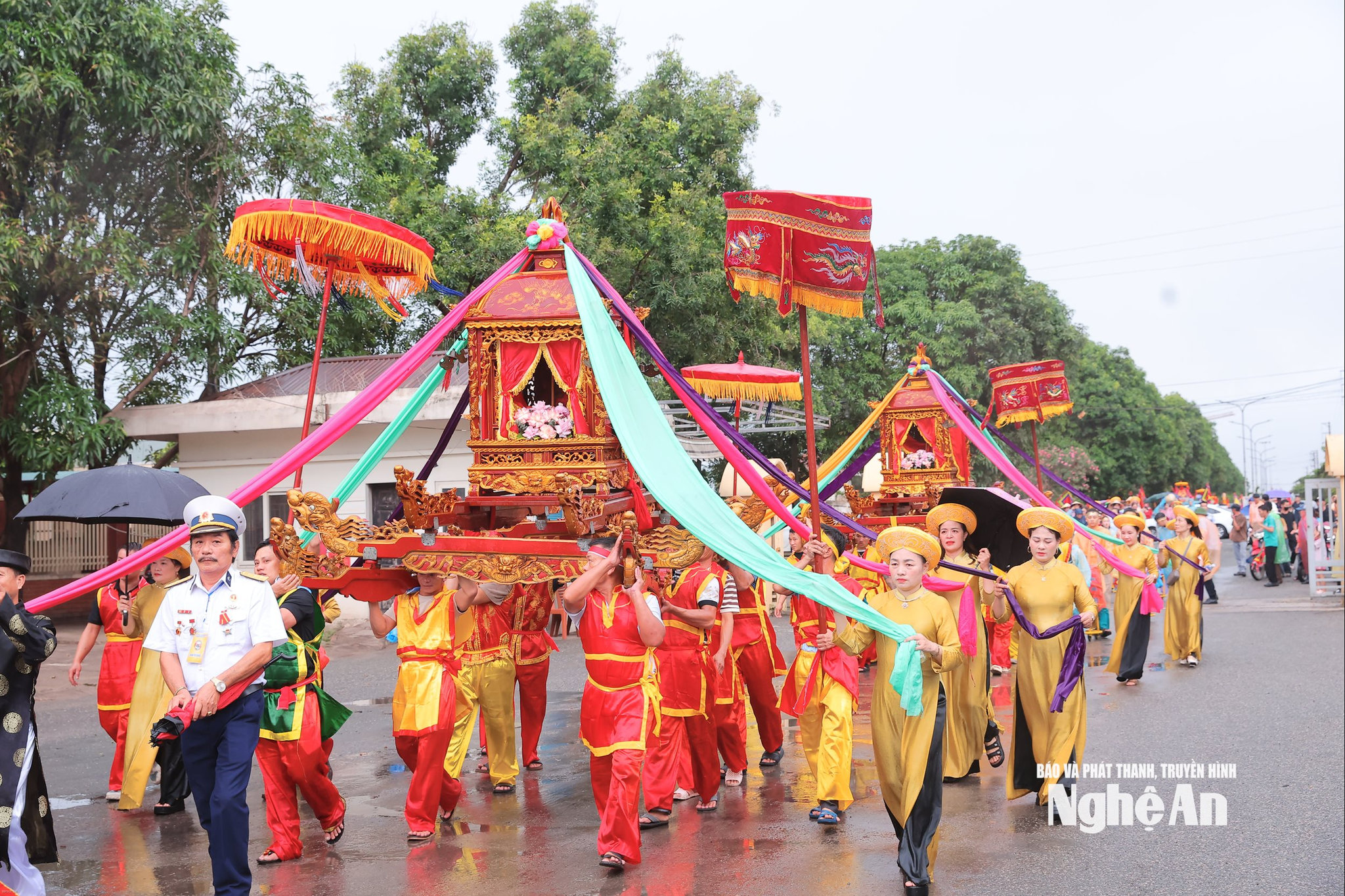
Mr. Canh added that, in addition to the procession of nearly 80 boats on the sea, the festival also includes electric vehicle processions and a procession on foot. The combination of traditional rituals with modern means helps to bring the beauty of the coastal village culture closer to tourists from all over. In particular, a historical milestone in urban planning is being implemented to restore the sacred temple to its rightful place. According to the plan, the government and the people have agreed to relocate the households in front of the temple to expand the road leading to the temple, directly towards the sea. The agreement of the three families slated for relocation demonstrates the reverence and respect of the people for this heritage.
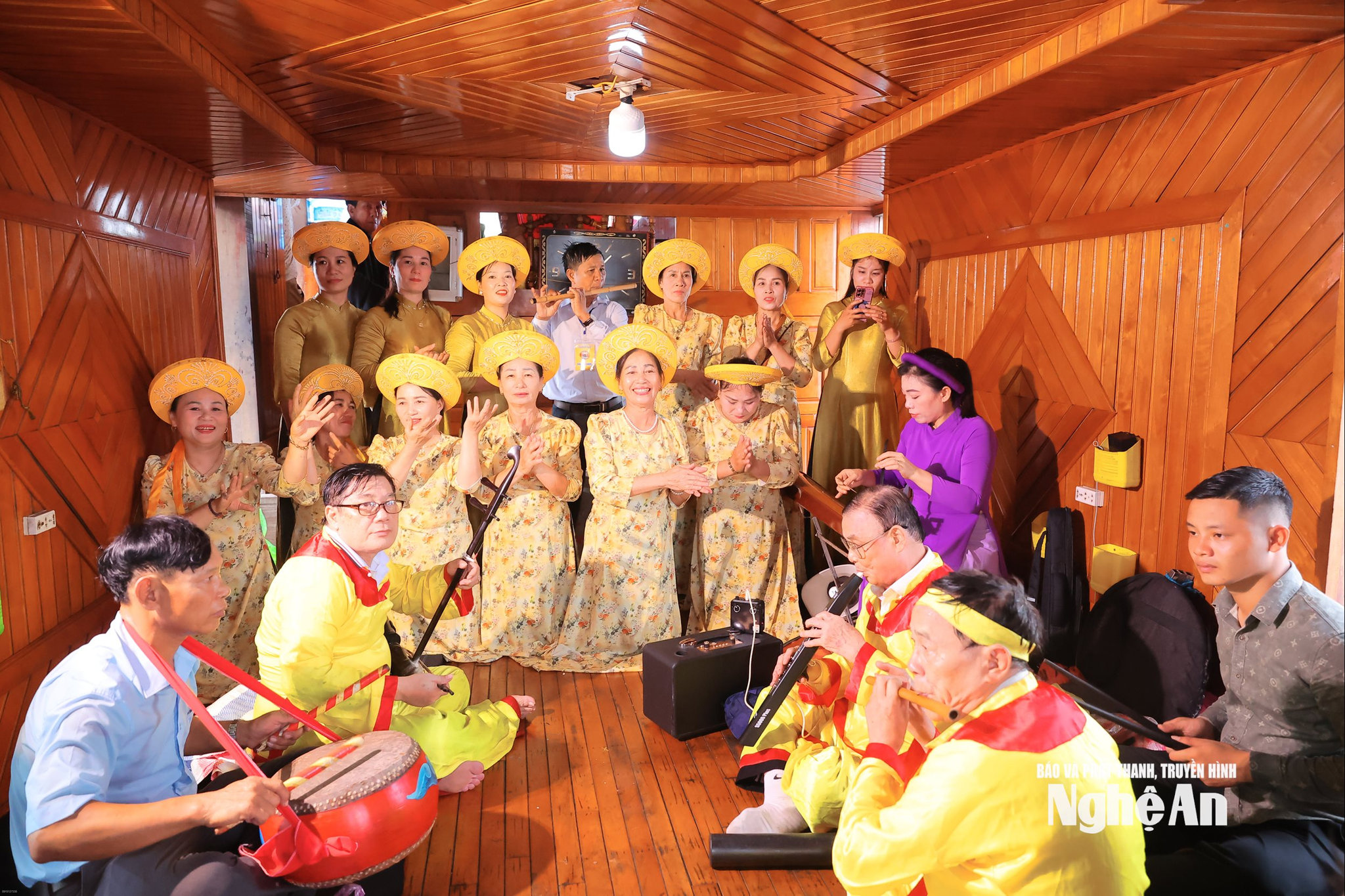
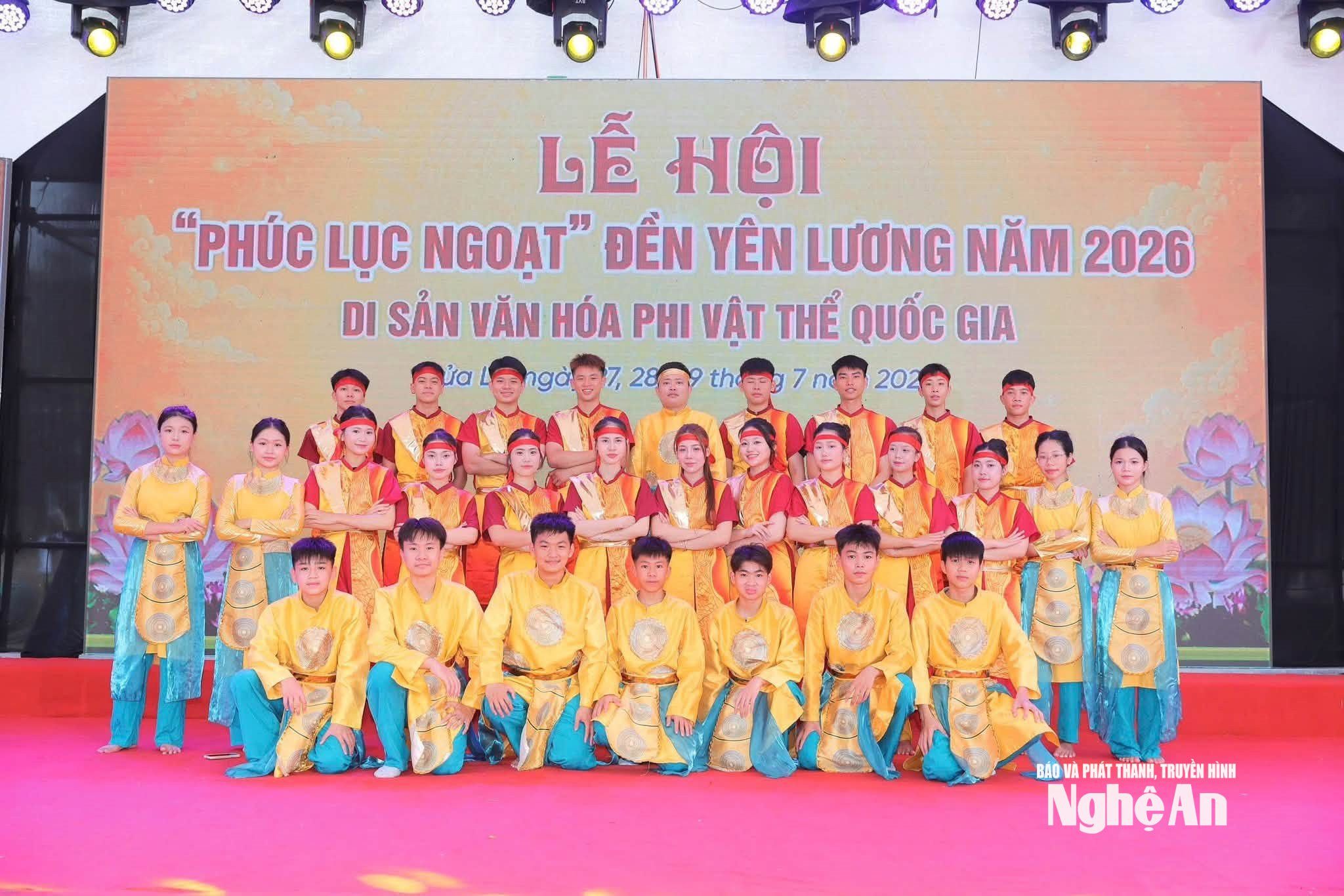
The vitality of Yen Luong Temple lies in its continuity and preservation across generations. Nguyen Dac Tuan, a son born and raised near the ancient temple, shared: “I was born and raised in Yen Luong village, and my childhood was closely linked to the temple and the Phuc Luc Ngoat Festival. I still remember vividly that from my secondary school years, I followed my parents in serving at the temple, participating in the drum team and the procession team of the festival. Even now, after getting married and having children, our whole family still serves. This year, for example, I am the MC and drummer, my wife and daughter are in the performing arts team, my father is in the ceremonial team, and my mother and uncles are also involved in the organization…”
.jpg)
For Mr. Hoang Van Phuong, a resident of Yen Luong village, contributing to the temple is no longer just an obligation but has become a deep inner belief: "Since the temple was renovated in 2007, my family's business has been much more prosperous. We feel the protection of the deities, helping our businesses thrive, so the temple's festival receives more investment and contributions."
When spiritual beliefs are intertwined with the prosperity of each household, festivals become the soul and the unifying thread of a region.


