Mát ngọt chè đâm, đậm vị bản mường
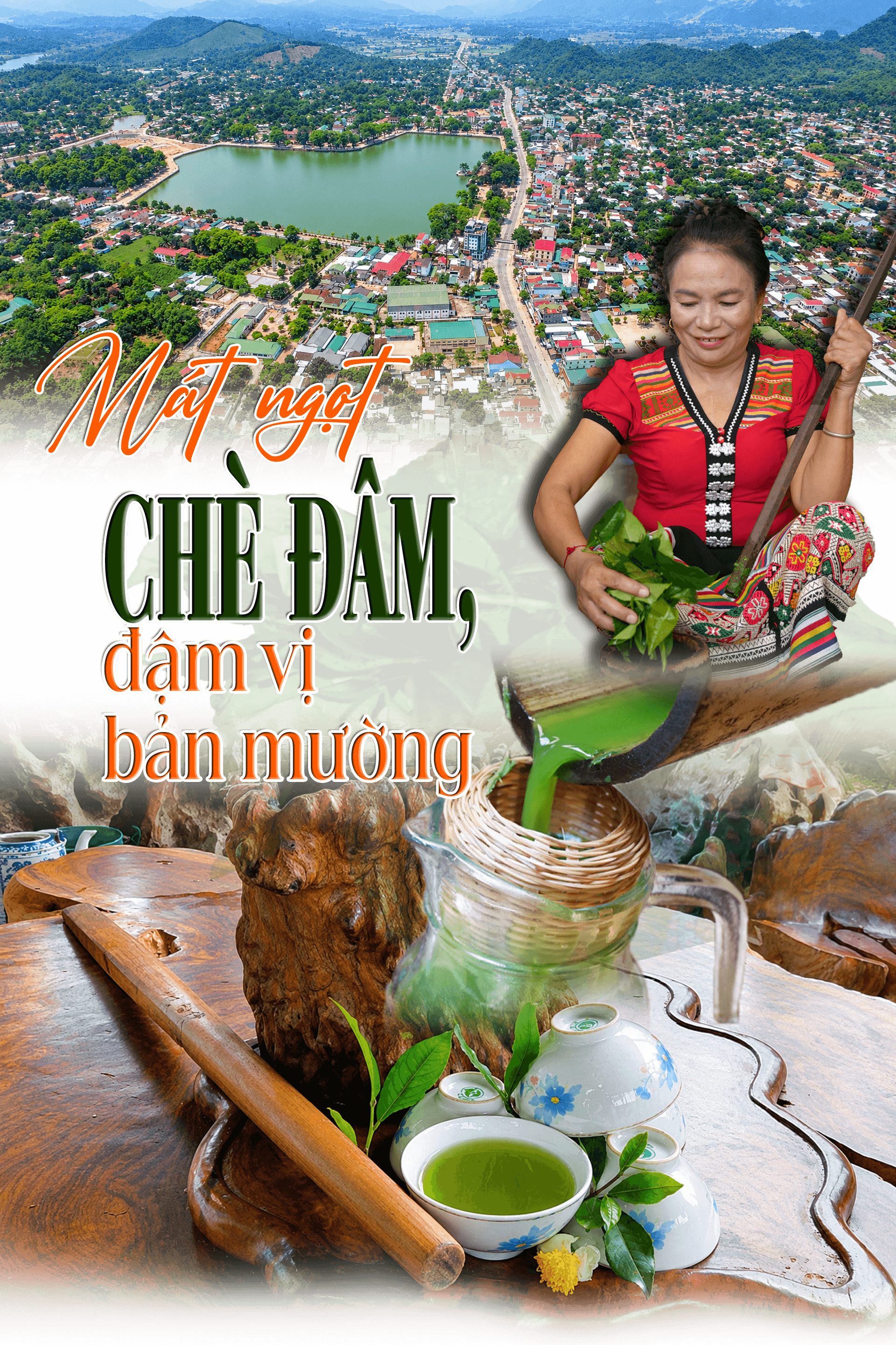
From green tea leaves harvested at dawn, the Thai people in the former Quy Hop district have created a jade-green, mildly astringent, and sweet-aftertaste beverage: pounded tea. Through generations, this simple bowl of pounded tea, imbued with the flavors of the mountains and hills, has not only been present in every home and on the tea table for guests, but has also become a cultural feature preserving the taste of the homeland, the way of life, and the human connection in the villages of western Nghe An province.
Khanh Ly - Thanh Phuc/Present: Hong Toai •3/10/2026
*****
From green tea leaves harvested at dawn, the Thai people in the former Quy Hop district have created a jade-green, mildly astringent, and sweet-aftertaste beverage: pounded tea. Through generations, this simple bowl of pounded tea, imbued with the flavors of the mountains and hills, has not only been present in every home and on the tea table for guests, but has also become a cultural symbol preserving the taste of the homeland, the way of life, and the human connection in the villages of western Nghe An province.

Early in the morning, while dew still clings to the leaves, Mrs. Vi Thi Minh (60 years old), from Dai Cuong hamlet, Muong Ham commune, goes to her garden to pick fresh tea branches to make pounded tea. This work has become a habit for many years, a familiar part of the daily life of the Thai family here.
Ms. Minh said that since she was a child, her mother and grandmother had taught her how to make pounded tea. In the past, almost every family in the neighborhood had a measuring tube, a wooden pestle, and a mortar and pestle – tools used for pounding and filtering tea. Whenever guests came over, there was no need for elaborate feasts; the host simply poured out bowls of refreshing green tea, and the conversation could begin.
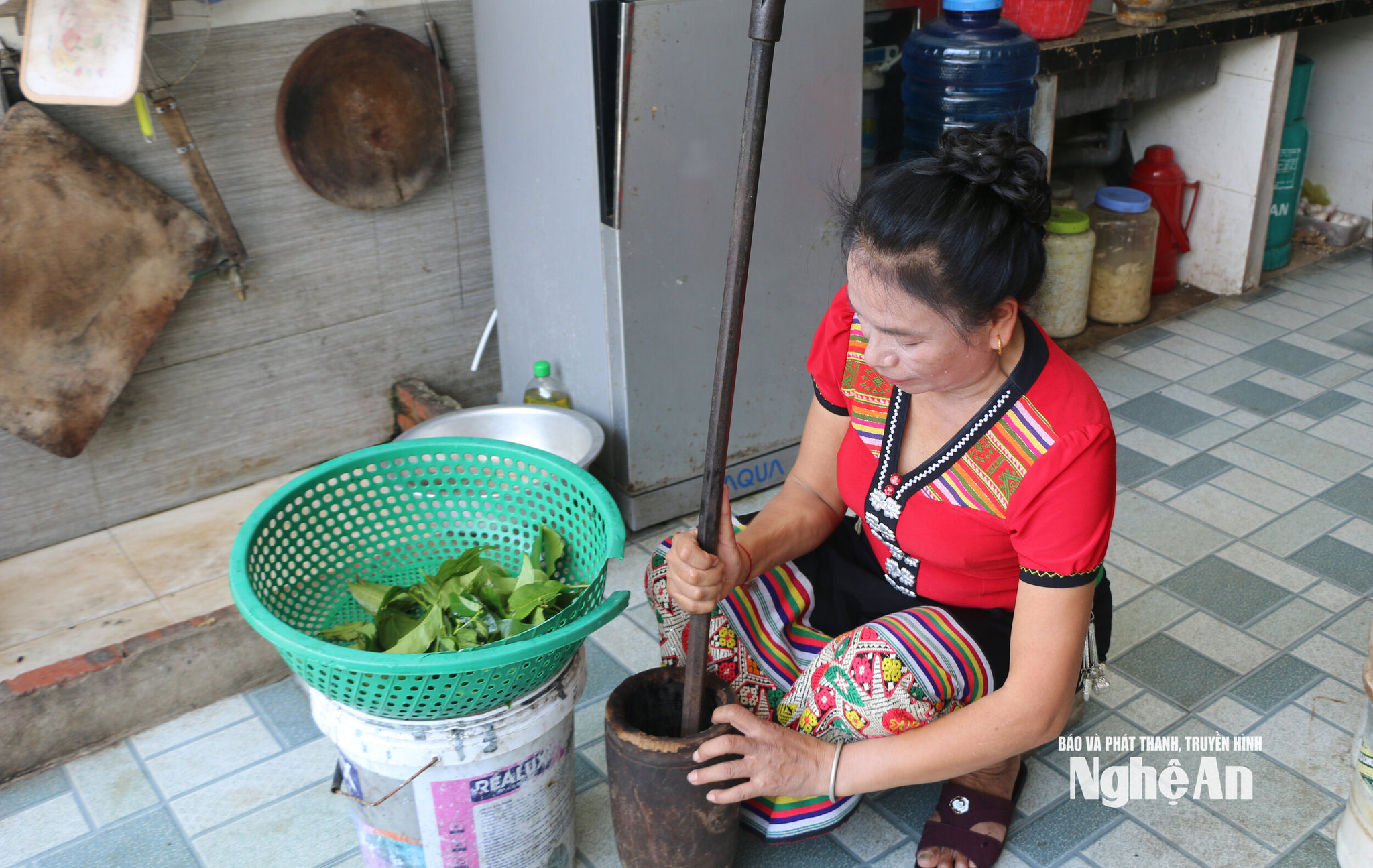
To make a delicious bowl of "che dam" (a type of Vietnamese tea), the selection of ingredients is crucial. The tea branches must be from mature, native tea plants with thick, green leaves that are just right – not too old, not too young. The plants are grown in a well-ventilated, sunny location and without the use of chemical fertilizers or pesticides. After harvesting, the tea leaves are washed gently to prevent bruising.
The tea branches and leaves are then placed in a mortar made from an old bamboo tube, a wooden mortar, or a stone mortar. The worker uses a wooden pestle to pound and grind them evenly until the tea leaves are finely crushed, releasing a dark green juice. A small amount of clean water, preferably boiled and cooled rainwater or spring water, is added to the mortar. The mixture is then pounded and ground again, then strained through a sieve to separate the liquid from the pulp.
It sounds simple, but making a bowl of clear, beautifully colored, and fragrant green tea requires skill. The pestle must be used quickly, decisively, and evenly. Those unfamiliar with the process can easily cause the tea leaves to fly out of the mortar or the water to splash everywhere.
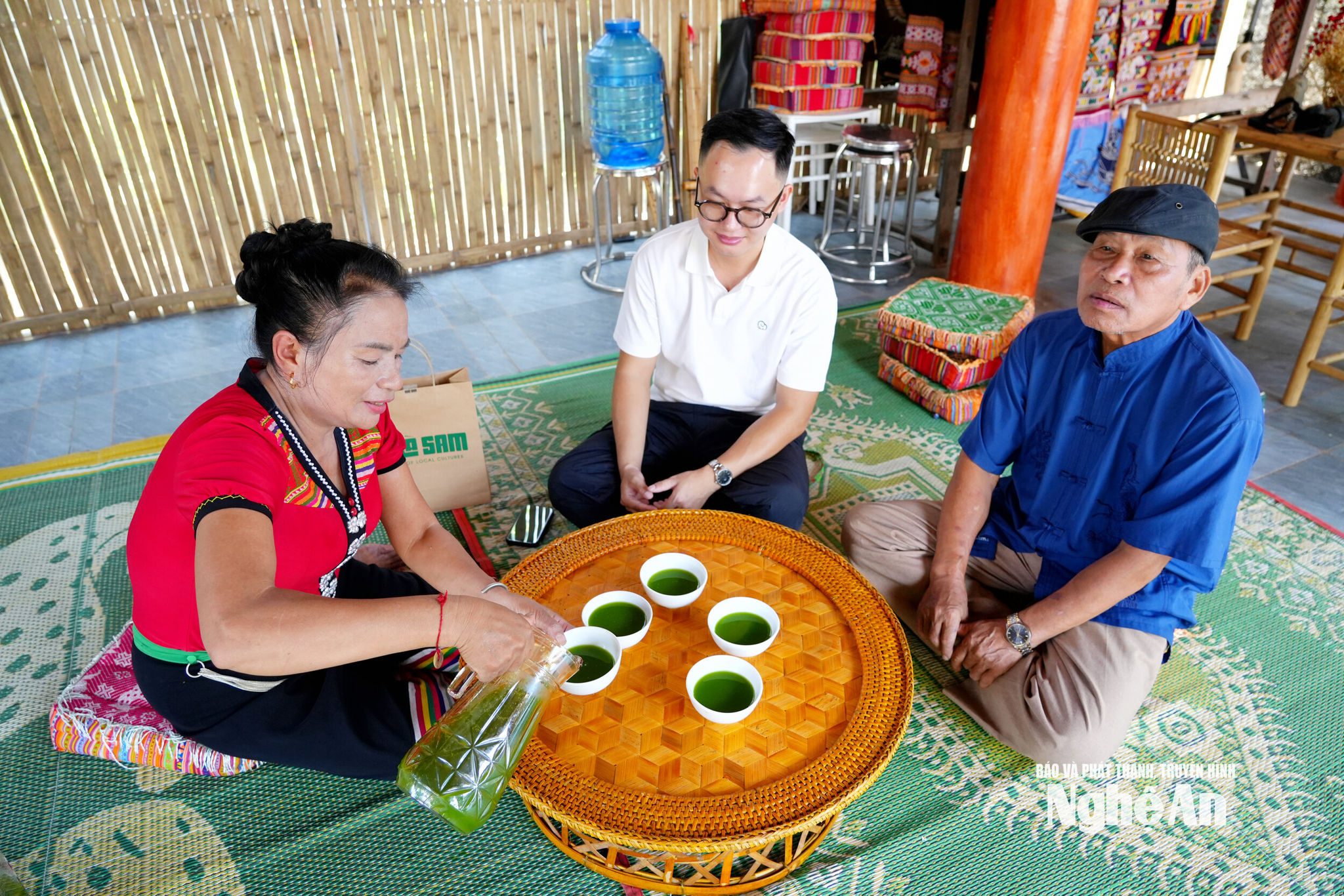
"Pounded tea can be drunk hot or cold, but it tastes better cold, especially on hot days. A bowl of cool tea, with a mild bitterness that gradually turns sweet on the tongue, leaves you feeling refreshed," Mrs. Minh said as she poured freshly pounded tea for her guests.
The emerald green tea stands out against the white porcelain bowl. Taking a sip, a slight bitterness spreads, gradually transforming into a refreshing sweetness, followed by the delicate aroma of tea leaves from the hills.
Ms. Sam Thi Nhat, from Dai Cuong hamlet, who has also been involved with tea cultivation for many years, recounts that her family used to own a large tea plantation. They grew tea for daily consumption and also shared it with neighbors in the village. Later, when the family built a house and switched to other crops, most of the tea plants were removed. She still kept five rows of tea plants to provide raw materials for making pounded tea.
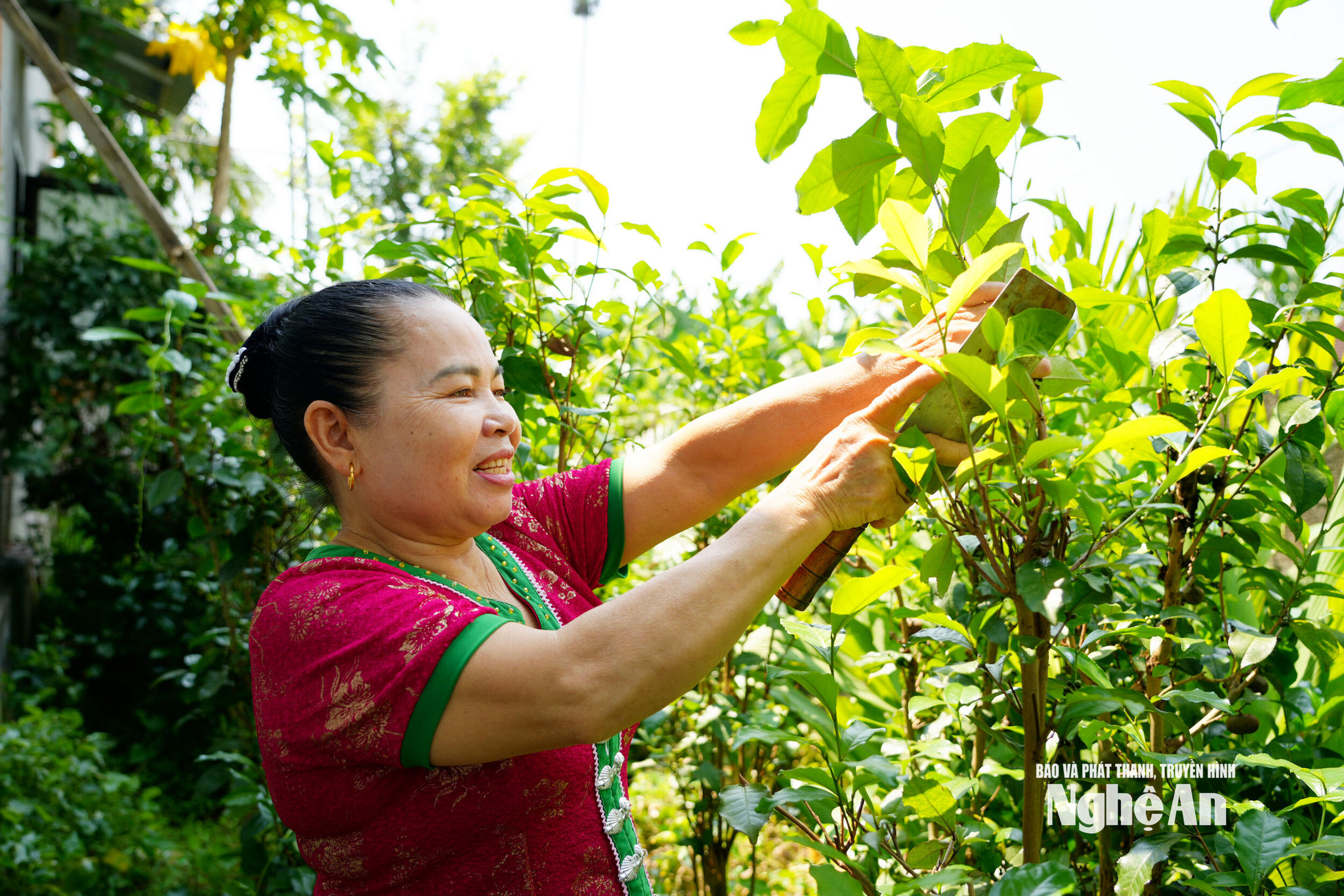
"Every household, even if they don't grow much anymore, tries to keep a few rows of tea plants in their garden. Having tea means having something to drink, and having something to offer guests," Mrs. Nhat said.
According to Ms. Nhat, the tea leaves used for making pounded tea must be of just the right age, neither too old nor too young. Old tea leaves produce a dark color, while young tea leaves lack sufficient aroma. The crisp, fresh tea leaves, after being washed clean, are drained and then pounded into a fine paste in a mortar.
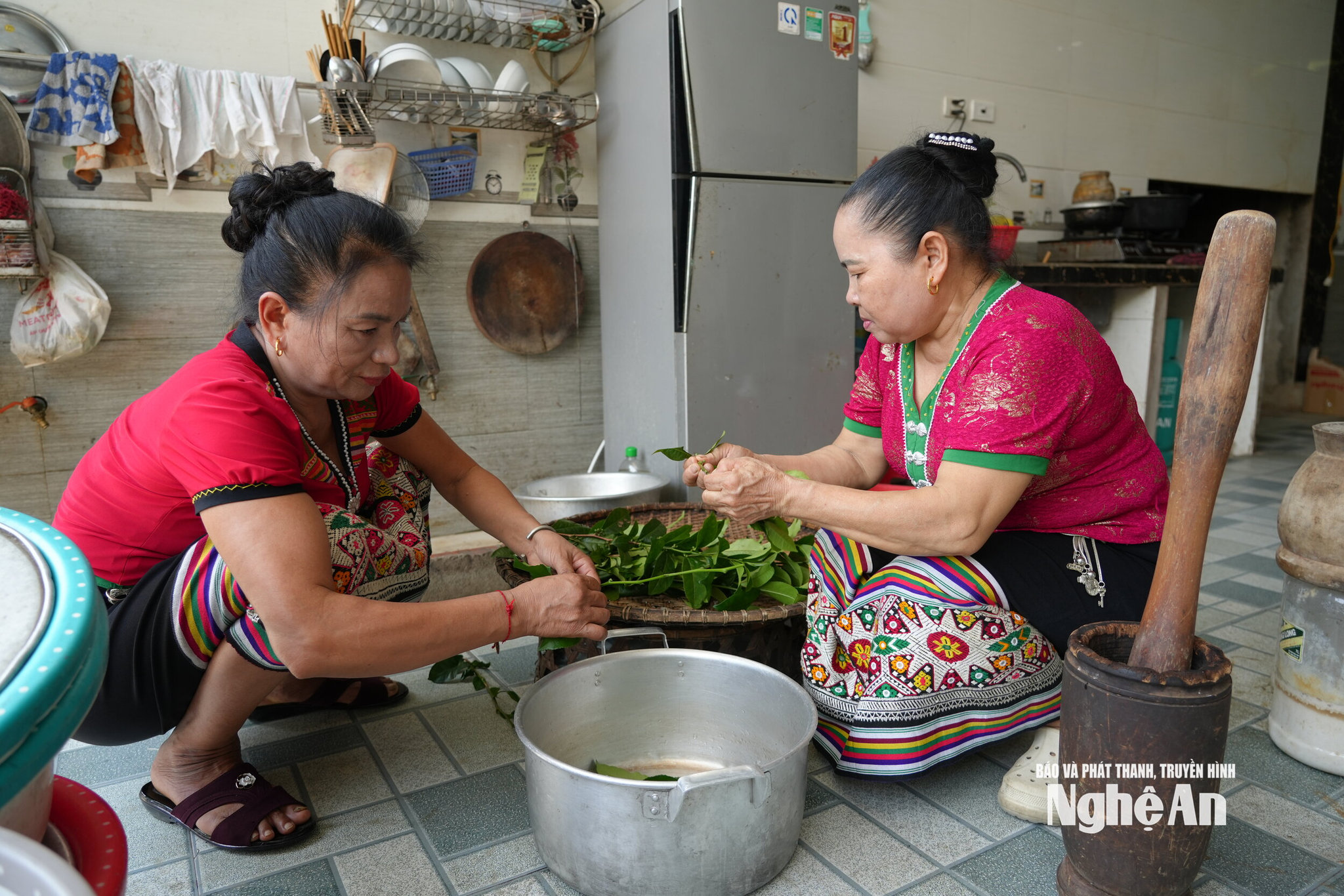
Ngày nay, máy xay sinh tố có thể giúp rút ngắn công đoạn, nhưng với những người sành chè đâm, chiếc cối và chày gỗ vẫn có cái lý riêng.
Xay bằng máy thì nhanh nhưng nước chè không thơm và ngon bằng đâm bằng chày”.
Bà Nhất chia sẻ
Bà Lương Thị Xanh, bếp trưởng Homestay Nhà Sam ở xóm Đại Cường cho biết, chè đâm gắn với đời sống của người Thái từ lâu. Từ thuở trước, khi cuộc sống còn gần với núi rừng, người dân thường hái lá cây, vỏ cây đem giã, nấu nước uống. Khi cây chè xanh trở nên quen thuộc, người dân dùng lá chè để đâm, giã lấy nước, dần tạo nên thức uống mang nét riêng của cộng đồng.
Xứ Nghệ có nhiều vùng trồng chè xanh, nhưng cách uống chè bằng phương pháp đâm, giã lọc lấy nước như ở vùng Quỳ Hợp cũ vẫn tạo nên một dấu ấn riêng. Trong đó, chè ở xóm Thái Học, nay thuộc xã Mường Ham, được nhiều người đánh giá có hương vị đặc biệt.
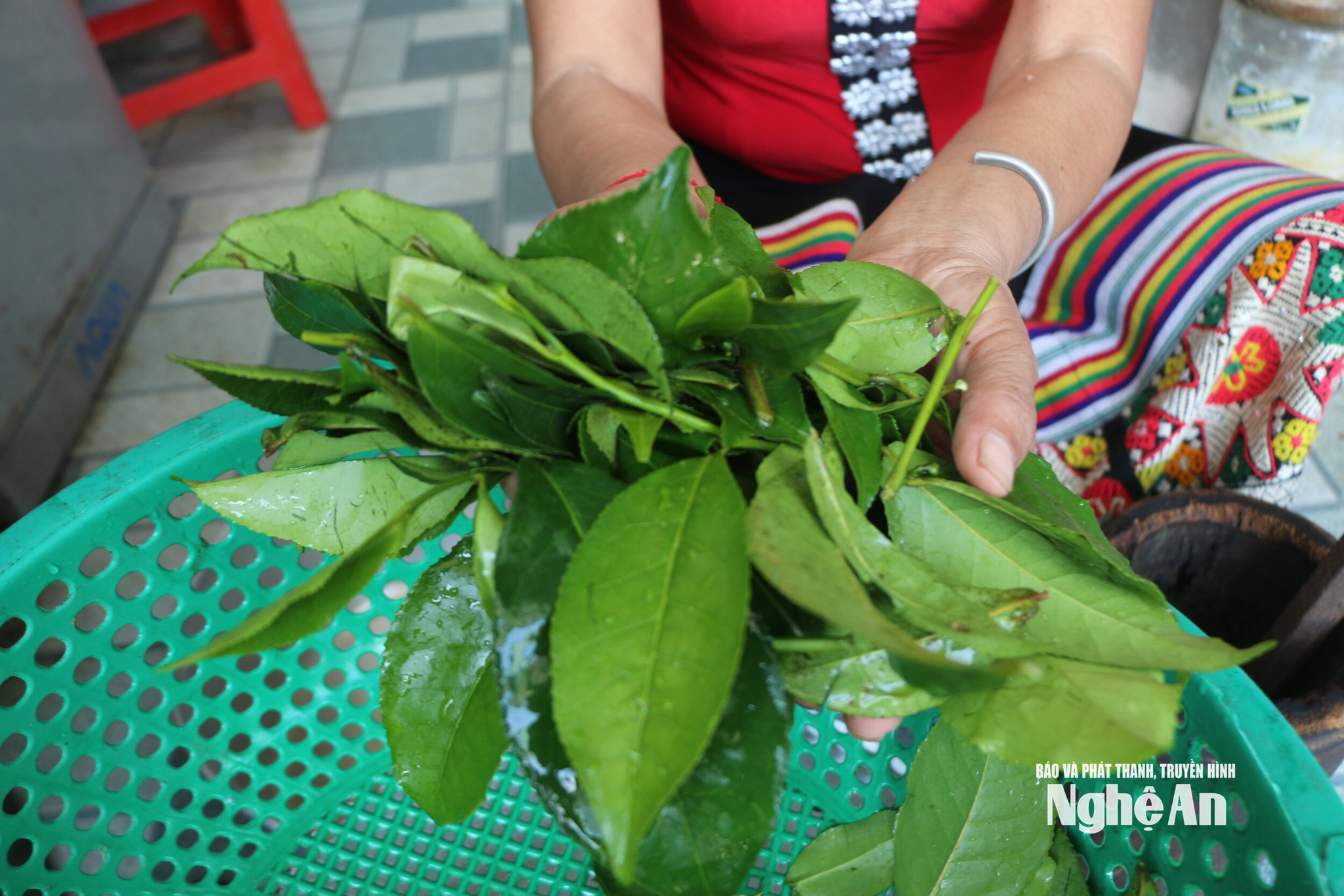
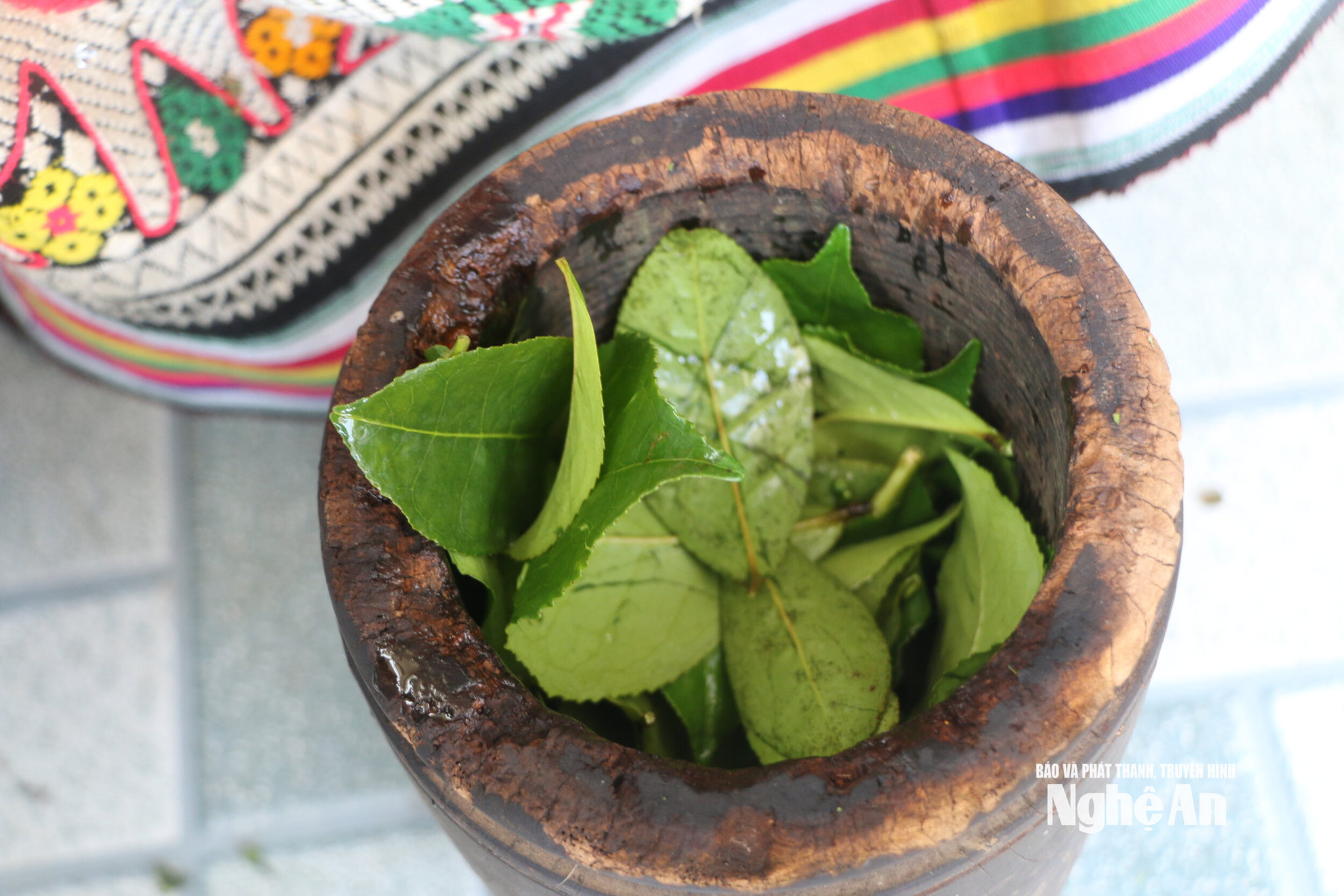
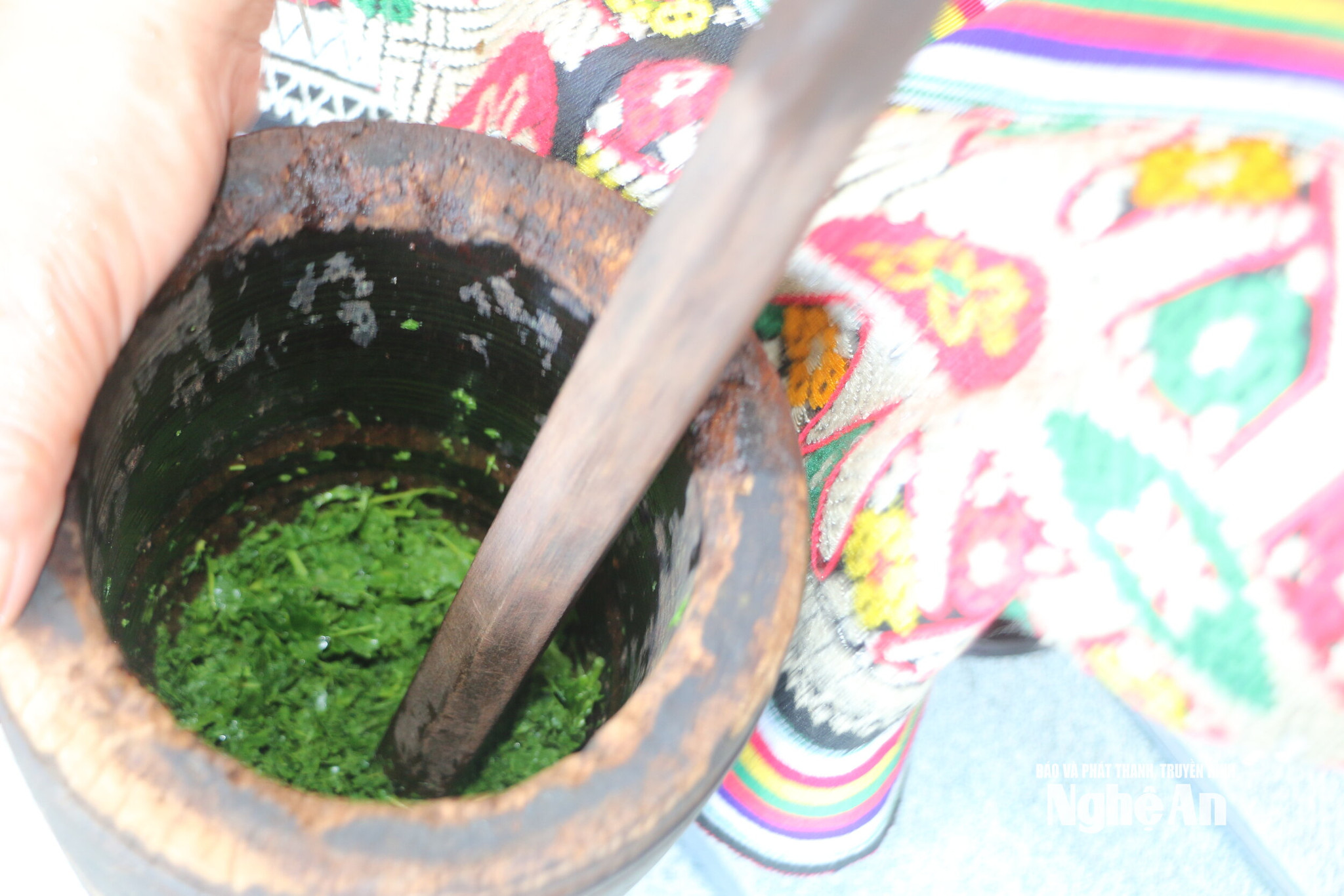
Xóm trưởng Vi Văn Kiên (SN 1984) cho biết, xóm Thái Học hiện có khoảng 320 hộ. Trước đây, cây chè được trồng khá nhiều, nhưng những năm gần đây người dân chuyển sang trồng keo khiến diện tích chè thu hẹp, chỉ còn hơn 1 ha. Dẫu vậy, hầu như gia đình nào cũng giữ lại vài luống chè trong vườn.
Sáng sớm hay những buổi chiều rảnh rỗi, người dân lại quây quần bên bát chè đâm, chuyện trò sau một ngày lao động. Người trong bản đến chơi được mời chè. Khách phương xa ghé thăm cũng được chủ nhà rót cho một bát, đôi khi còn tặng vài chai mang về.
A simple drink thus became a part of daily life, a way for people to show hospitality to one another.

What makes crushed tea memorable is not only its beautiful emerald green color or its mild, fragrant astringency, but also its unique aftertaste. With each sip, the flavor doesn't rush in but slowly spreads in the mouth, leaving a refreshing coolness behind.
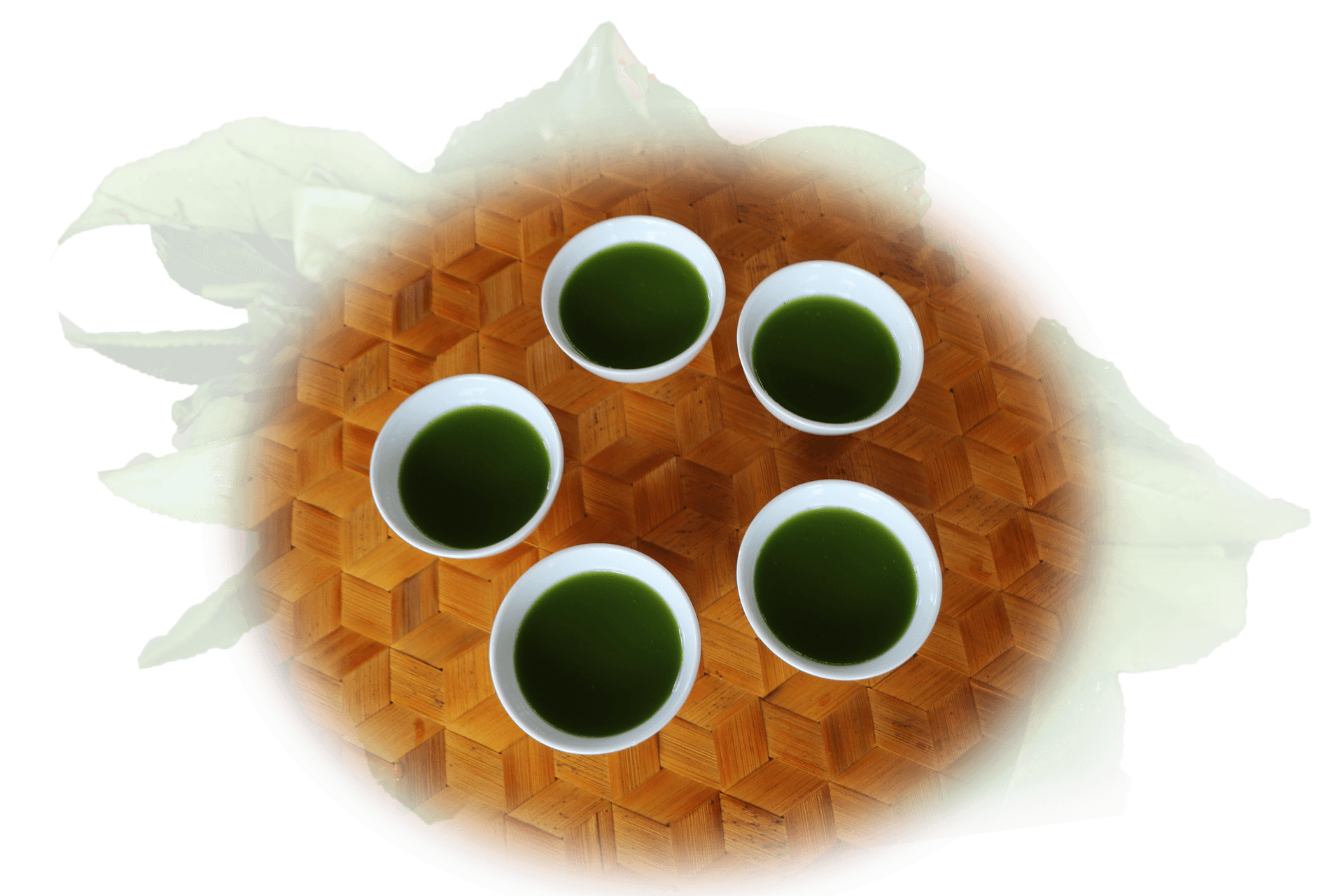
According to folk tradition, pounded tea is often used by people to quench their thirst, especially on hot days. Some people drink a few bowls in the morning before starting work; others add a little molasses or honey after a day of labor to enjoy it. But for tea lovers, drinking it pure is still the most preferred way, because then the flavor of the tea leaves is fully preserved.
Ms. Luong Thi Xanh said that tea leaves should be consumed on the same day they are harvested. Leaving them overnight will significantly reduce their flavor. The way they are enjoyed also contributes to the pleasure of pounded tea. A small porcelain or ceramic bowl makes the green color of the tea stand out, creating a visually appealing and rustic feeling.
From a familiar drink in every family, pounded tea has now been included in Thai culinary menus to serve tourists experiencing community tourism. Tourists can not only enjoy the tea but also try their hand at picking tea leaves, washing them, pounding them, filtering the water, and then taking home bottles of refreshing green tea as souvenirs.
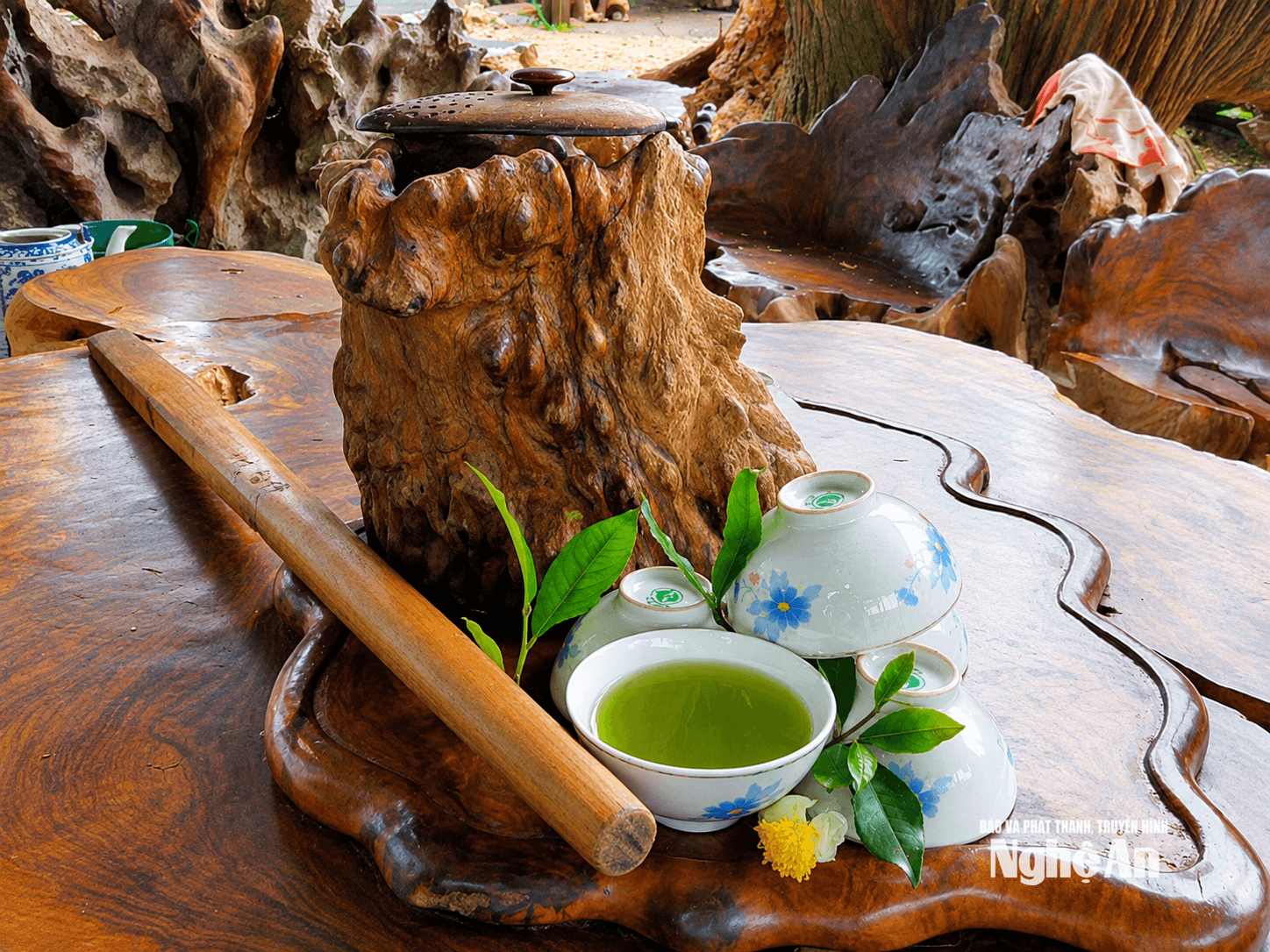
Tea made with crushed ice has also made its way out of the village kitchens to the tea shops around Thung May Lake. Along the road bordering the lake, it's not difficult to find shops selling this distinctive emerald green tea. At wooden tables, people leisurely sip their tea, chat, and admire the lake.
Busier customers can order tea to take away. Each bottle of brewed tea costs around 10,000-15,000 VND, serving as both a refreshing drink and a small side product that adds to the local people's income.
Ms. Phan Thi Giang, originally from the coastal area of Quynh Luu (formerly), has been working and living in Quy Hop for nearly 17 years. From someone who had never tasted pounded tea before, she gradually became "addicted" to this drink.
Uống chè đâm với kẹo lạc, cu đơ thì ngon không gì sánh bằng. Vị ngọt của đường mía, vị cay nồng của gừng trong kẹo hòa với vị chát thanh của chè, nhâm nhi từng chút mới cảm nhận hết được cái ngon”.
Chị Phan Thị Giang chia sẻ
Chè đâm theo chân những người con Thái rời quê, có mặt ở nhiều thành phố. Cuộc sống hiện đại mang đến ngày càng nhiều loại đồ uống mới, nhưng trong ký ức của những người xa quê, một bát chè xanh ngọc vẫn có sức níu kéo rất riêng. Bởi đó không chỉ là vị của lá chè hái trên triền đồi.
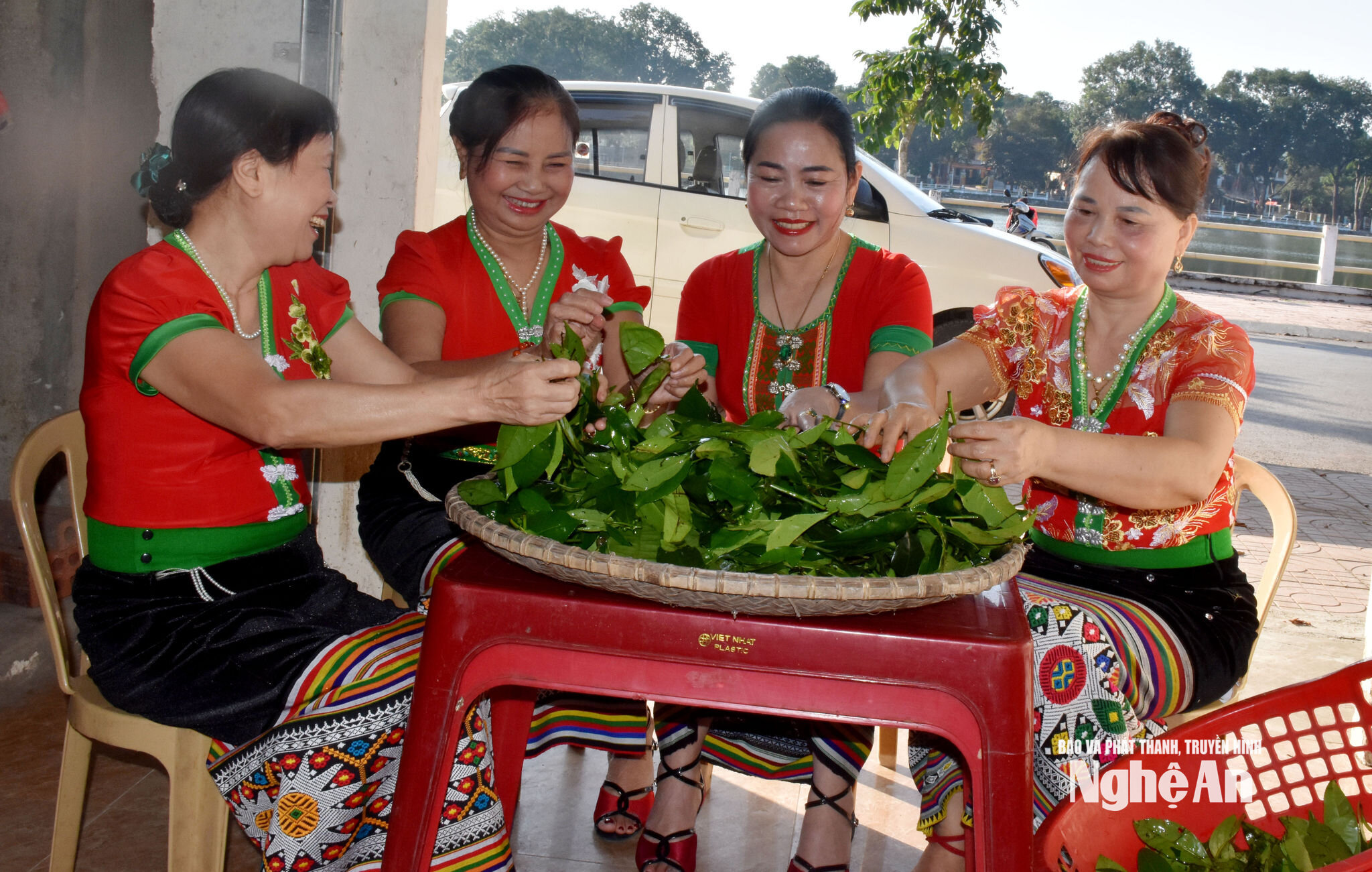
Đó còn là vị của một buổi sáng tinh sương, của chiếc cối gỗ và nhịp chày đều tay; là bát chè chủ nhà rót mời khách, là những câu chuyện bên hiên nhà, là những buổi chiều người dân trong các thôn bản quây quần bên nhau.
Và có lẽ, chính từ những điều bình dị ấy, chè đâm đã vượt khỏi một thức uống giải khát để trở thành một phần ký ức, một nét văn hóa trong đời sống của đồng bào dân tộc Thái ở vùng Quỳ Hợp (cũ).