
Dehydration in children: Very dangerous!
Infants and young children are very susceptible to diarrhea. This condition can lead to dehydration, which can be especially dangerous for very young children.
 |
| Illustrative image |
Prevent water shortages.
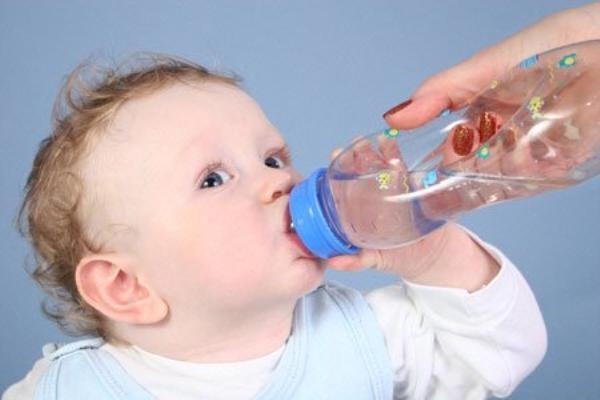
To prevent dehydration, the best way is to ensure children drink enough water when they have a fever or when they are physically active, to replenish the fluids they have lost.
When a newborn has a stuffy nose, making it difficult for them to feed, you can clear their nose with saline solution and suction out the mucus. This will allow the baby to feed again, and you can then give them fluids.
Fever can also cause dehydration in children, and this can be controlled with fever-reducing medication.
Therefore, it is important to ensure children drink enough water during hot weather. This is especially true for children who frequently participate in outdoor sports; they need to drink even more water, and during sports, they should drink water every 20-30 minutes.
Thirst isn't always an early sign that a child is dehydrated. When a child feels thirsty, it means they're already dehydrated. And that thirst can be ignored before the body's water supply is replenished. That's why you should give children water regularly, even when they're not thirsty, to ensure they stay adequately hydrated.
Add water
Children who become dehydrated due to diarrhea caused by intestinal diseases should be rehydrated with oral rehydration solution (ORS).
For infants: breastfeeding should continue throughout the ORS supplementation period unless the baby experiences recurrent vomiting. ORS can be given intermittently between breastfeeding sessions.
For young children who are starting to eat solid foods, it is advisable to stop giving them solid foods during the rehydration period and resume feeding when the child no longer shows symptoms of dehydration (usually a few hours after the rehydration period ends).
For older children: avoid giving them the following drinks: soda, carbonated soft drinks, ginger tea, fruit juice, chicken broth, energy drinks… These drinks do not contain the correct amount of sugar and salt, which can worsen the child's condition.
If, after giving your child ORS or other rehydration methods, the situation does not improve, you should take your child to a doctor for timely advice and treatment.
Note: After the child has been rehydrated, they can resume a normal diet with plenty of carbohydrates, lean meat, yogurt, fruits, and vegetables. Limit fatty and sugary foods.
AloBacsi.vn


