
Tips for teaching children good manners
Family habits or the lifestyle and communication style of parents directly influence the politeness of their children.
A study shows that 80% of misbehaving children are due to problematic family upbringing. Therefore, close family support and parental guidance are essential prerequisites for a well-behaved and polite child. Let's explore some simple and effective tips for teaching children good manners below.
Teach your child the habit of greeting others.
The habit of greeting others may seem simple, but if not practiced, children won't feel it's necessary. Therefore, make it a habit so that when children do it, they feel natural and confident. Teach your child to greet everyone they meet; to greet before going anywhere, to greet when they come home, to greet everyone they meet, and to greet friends their own age.
According to the quickest way to teach children good manners, this is a long process that requires parents to start teaching their children from a young age and do so regularly and persistently. If you've skipped a stage and forgotten to teach your child how to greet others, start immediately before it's too late.
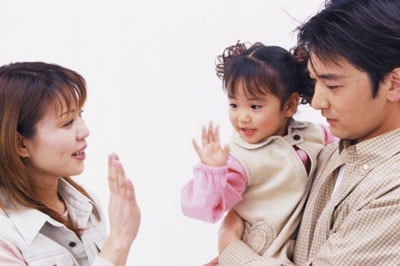 |
| Teaching children politeness is also a way to teach them to become courteous people. |
Parents always make it a habit to greet each other.
To teach children to be well-behaved and polite, parents should remind all adults in the family to always greet each other and communicate respectfully. Children will learn from this and gradually become accustomed to this way of life. Remember this principle and always be mindful of living harmoniously, loving, and respecting each other before teaching your children to be well-behaved and polite. This is what you should do because it benefits you and everyone else, and you won't need to spend too much effort teaching your children; they will still be polite.
Always remind your child to speak in complete sentences.
When greeting someone, remind your child to use complete sentences. Guide them in teaching politeness; if they are still learning to speak, you can teach them simple greetings, but once they can speak fluently, teach them to use complete sentences so they develop the habit of using subjects and predicates. This is also a way to teach them writing, which is beneficial for them when they go to school and learn Vietnamese more proficiently in elementary school.
Parents always use beautiful words.
Whether you are a parent or a family member, always speak politely to each other so that your children will always have a good vocabulary. Do parents know that children want to speak and act like adults? This is why parents need to speak to each other respectfully and politely; only then can they effectively teach their children politeness.
Always be strict and listen to your child.
Always be firm when your child misbehaves or is disobedient, as this is when parents need to demonstrate their authority. In normal, cheerful moments, revisit those incidents and explain to your child what is right and wrong. Pay extra attention when your child says something naughty or uses impolite language. Don't ignore any inappropriate words your child says, because they will use them again whenever they want.
Teach your children through short stories.
Did you know that children love listening to stories? Even everyday stories, about activities they've experienced, when recounted, they feel like it's a story about them and find it incredibly enjoyable. Educate them through these stories so they can gain a deeper understanding of moral principles and communicate appropriately in daily life.
 |
| Family habits help to instill politeness in children. |
According to Phununews


