
Tips for finding hidden dents on your car body.
During use, the car body is inevitably prone to scratches, dents, and damage.
Large dents are easily visible when looking at the car body. However, small dents, especially on dark-colored car bodies, are difficult to detect.
However, there are some tips for looking for, detecting, and determining the severity of small dents.
- Use your finger to feel the suspected areas for indentations; this is the easiest way.
- Observe the reflections of objects with straight lines on the car body to quickly identify the location of dents or damage. If the car body is not dented, the reflections of objects on the car body will appear normal. If the car body is dented, the reflections will be distorted or deformed.
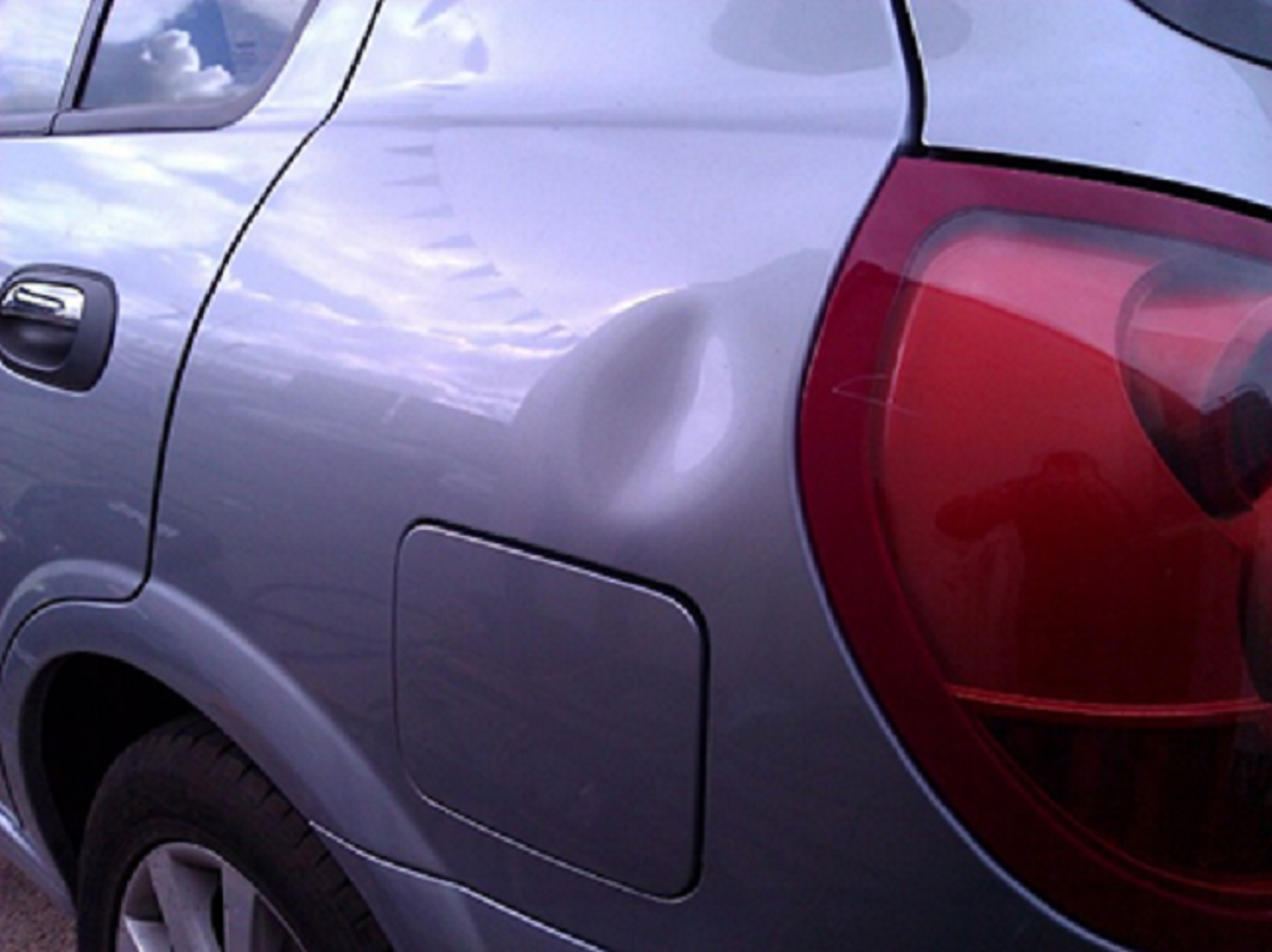
How to fix dents on a car
Use boiling water.
This is a fairly simple way to fix dents. However, it can only be applied to parts made of plastic.
Accordingly, pour boiling water onto the dented plastic to allow it to expand, while simultaneously reaching behind the bumper and pushing the dented area out.
If the dent is in an inaccessible location from the inside, after emptying the boiling water from the kettle, immediately pour ice-cold water over the dent. The sudden temperature change will return the dent to its normal shape.
Remove dents using dry ice.
Dry ice (also known as solid carbon dioxide) is used in the preservation of food, pharmaceuticals, and other medical products.
First, mark the dent with a crayon. Use an ice pack of appropriate size to apply pressure to the dent. Then, wrap the ice pack in a cotton towel and apply it continuously to the dent for 10 to 20 minutes. Remove the towel and observe by looking at it from an angle. If the indentation is still faint, continue applying the ice pack, then wipe it clean with a clean towel.
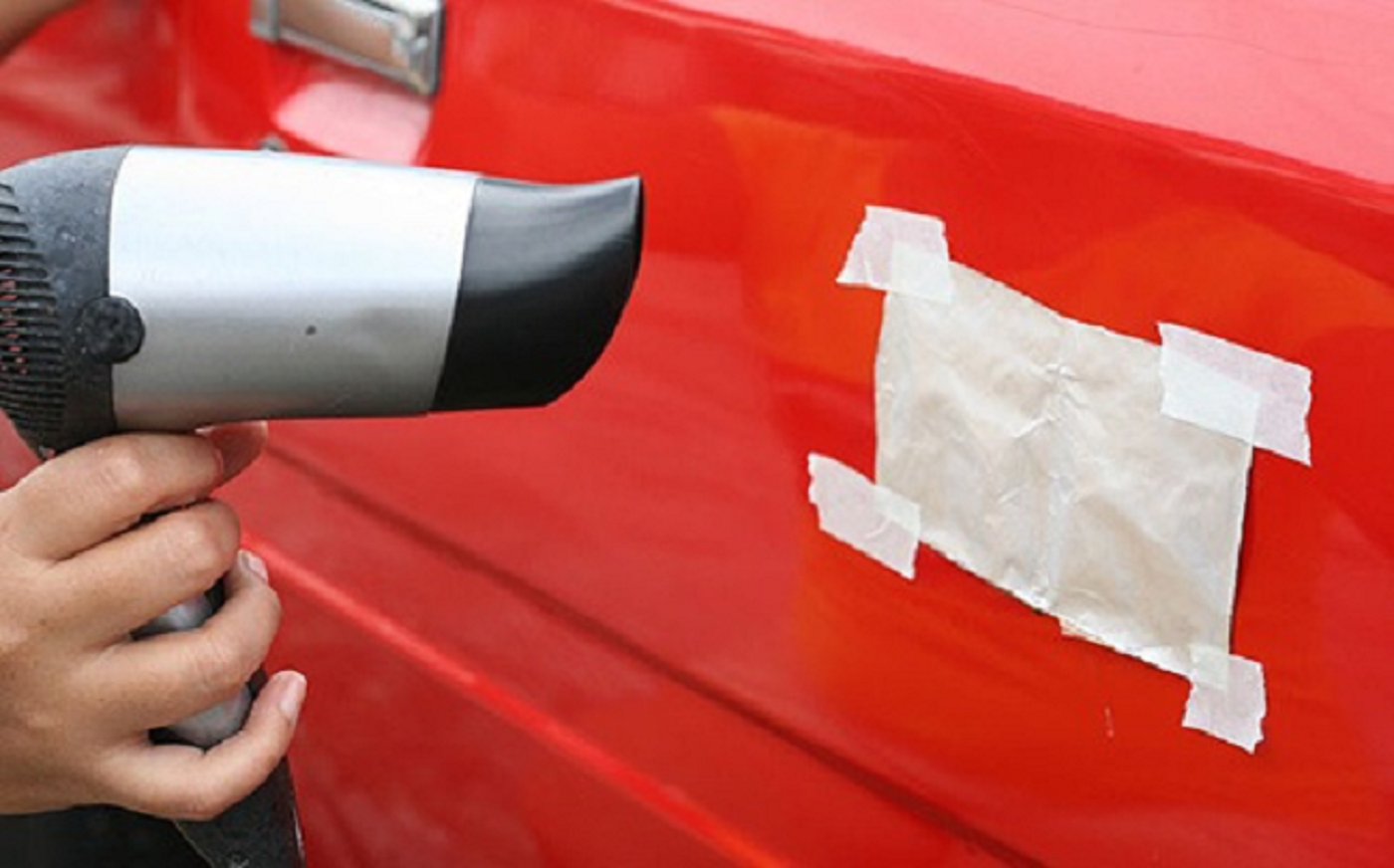
Use a hairdryer and a can of compressed air.
First, turn the hairdryer on to the highest setting and heat the dented area for about 2-3 minutes. Immediately afterward, turn the can upside down and spray the heated area. Turning it upside down will allow the coldest air inside to escape. When the hot air meets the cold air, the plastic will spring back to its original shape.
Use a vacuum cleaner and a funnel.
Use tape to connect the vacuum cleaner nozzle to the funnel, ensuring a tight seal. Then, seal the funnel completely around the dent in the car.
After the dent removal process is complete, turn on the vacuum cleaner at its highest suction setting. This method also helps to quickly repair any dents on the car body.
Use a rigid metal rod with a curved end.
If the dent appears in a location where you can insert a metal rod, use the curved end of the rod to apply pressure until the dent disappears.


