
Advanced school model: The further you go, the more exhausted you become.
Since the 2022-2023 school year, Nghe An province has been piloting the advanced school model across four educational levels, from preschool to high school. During the implementation process, alongside initial advantages, this model has gradually revealed numerous difficulties and shortcomings, requiring a thorough evaluation before further implementation or expansion.
Advanced, but not yet… advanced.
The People's Committee of Nghe An province has just issued a Decision on the Plan for enrollment into 10th grade in 2026. Notably, while the previous draft still planned to enroll students in advanced-model classes through a selection process, the official decision has discontinued this model at the high school level. Many parents, students, and schools consider the decision to be appropriate.

Previously, the 2025-2026 school year also marked the fourth year that Nghe An province piloted the advanced model at the high school level in three schools in the former Vinh city, including Ha Huy Tap High School, Le Viet Thuat High School, and Huynh Thuc Khang High School.
From its very first year of implementation, the advanced school model has received considerable attention from parents and students and is expected to be a solution to help reduce enrollment pressure in the area. Since the implementation of this model, in addition to traditional classes, public schools in Vinh are allocated an additional 2-5 advanced classes each year, giving students more opportunities to study at public schools in the province.
In addition to the standard tuition fees, students attending these classes must pay an extra fee for enhanced programs, approximately 2 million VND per student per month, which includes subjects such as computer science, English, and life skills.
According to the guidelines, this model will combine academic performance scores from the four years of junior high school (transcript scores) with IELTS certificates and computer skills certificates. This recruitment source is considered to be of high quality, but the number of students is very small.

The remaining option, admission based on the results of the 10th grade entrance exam, hopes to recruit many high-scoring students. However, due to the relatively high tuition fees in these advanced classes (almost 10 times higher than traditional classes), during the admission process, academically strong students with good exam scores often choose regular public classes. Therefore, only those with near-perfect scores remain in the advanced classes. In some years, because the enrollment quota is not met, many students with low exam scores are still admitted, leading to uneven quality among classes within the same school. This not only affects the quality of teaching and learning but also the reputation and brand of the schools, and has many other negative consequences.
Beyond the issue of student intake quality, the implementation of the advanced class model has also presented many schools with difficulties in organizing teaching and learning. Mr. Cao Thanh Bao, Principal of Ha Huy Tap High School, stated: "The advanced class model has been implemented in Hanoi and Ho Chi Minh City and has proven effective, helping students develop comprehensively, especially in soft skills, computer science, and foreign languages. In Nghe An, the project is correct and in line with current trends. However, the model cannot yet be effective at the high school level due to insufficient student intake quality. Furthermore, schools lack the necessary resources to implement it uniformly."
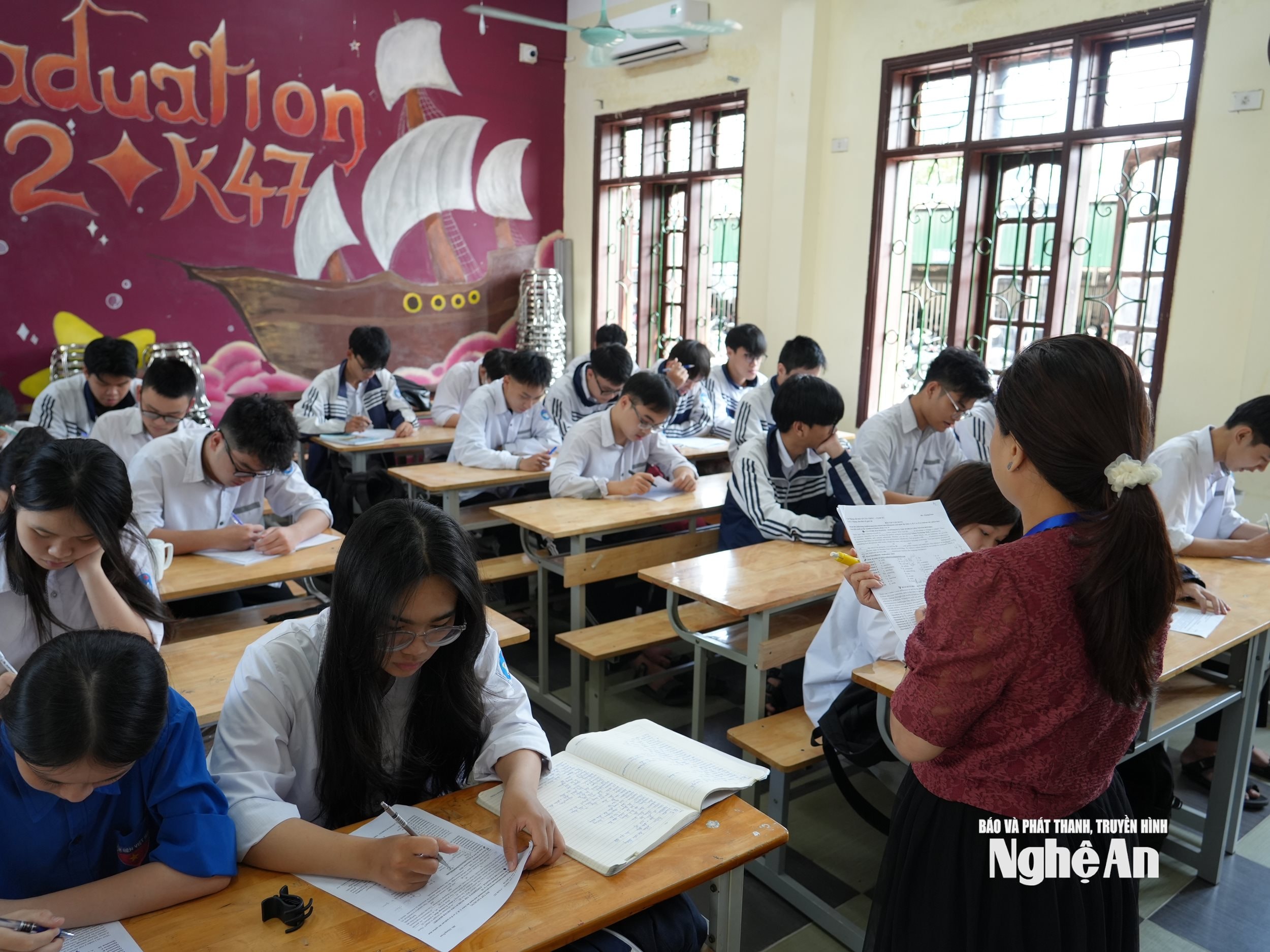
Analyzing the situation in more detail, Mr. Cao Thanh Bao stated that, according to the plan, schools implementing the advanced model would be prioritized for investment in facilities and teaching equipment, and would be allocated sufficient teachers to organize teaching. However, the implementation process has shown that investment is still very limited, and in some places almost non-existent.
In some other localities, advanced schools have sufficient teachers, and students only have to pay an additional fee of about 1 million VND per student per month for supplementary classes.
Although the tuition fees are not significantly different, students get to study in modern facilities with qualified teachers, so there is a high demand from parents and students, and the enrollment rate is also guaranteed.
Meanwhile, in Nghe An, in addition to the increased tuition fees, students also have to pay extra for extra hours and lessons due to a shortage of teachers. This leads to a significant increase in the cost of education.
Faced with two options—one that doesn't require extra fees, and another with higher costs—parents often choose the traditional program. This leads to shortcomings in enrollment and makes it difficult to attract high-quality students.
Mr. Cao Thanh Bao - Principal of Ha Huy Tap High School
Lack of synchronization in implementation
Pilot Project for Building Advanced Preschools and Primary Schools in line with International Integration TrendsIn Nghe An province, the 2021-2030 period is being implemented synchronously across all four educational levels. While quality is the first factor that parents are "skeptical" about at the high school level, the difficulties fall on the shoulders of the schools at the other levels.
At Truong Thi Secondary School, in mid-March, although nearly 200 students registered for the basketball class for advanced classes, only about 50 students actually participated.
In the enhanced IT course, the school had 185 students registered but only 34 took the certification exam: Many parents were willing to pay for the enhanced course for their children but kept them home because it was time-consuming, or they thought that getting the certificate wouldn't be beneficial, yet they still had to pay the exam fee – a school leader shared.
Le Nguyen Minh Tam, a student in class 8A3, also admitted: "I only take the intensive English course. I don't study or take exams in many other subjects because I'm too tired."
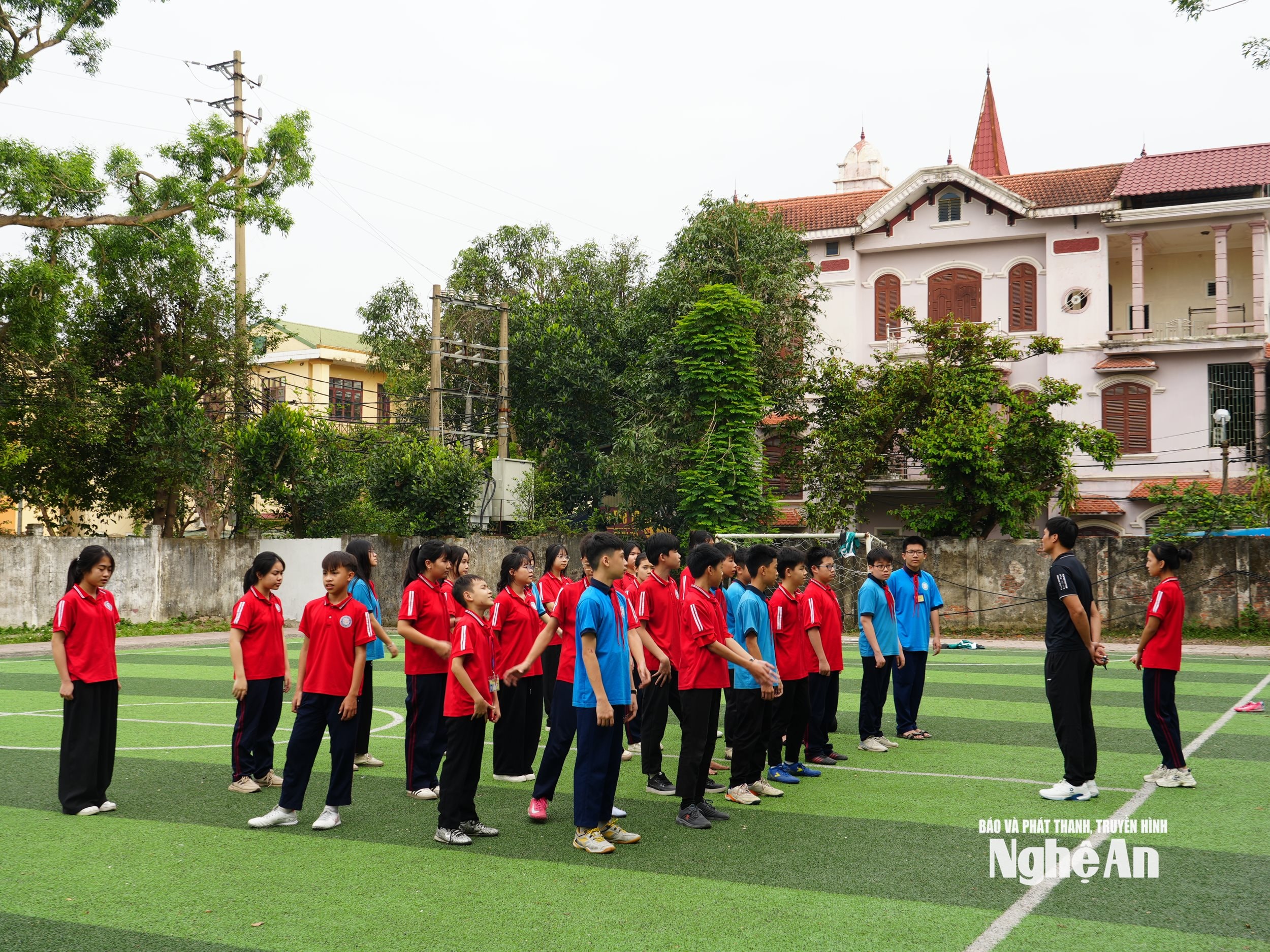
Truong Thi Secondary School is one of two secondary schools in the former Vinh City area that piloted the advanced model. After three years of implementation, the school's size has decreased from over 800 students to only 574. "In the first cohort, we recruited 6 classes with 185 students, the second cohort has 4 classes with 117 students, and the third cohort in the 2025-2026 school year will only have 2 classes with 74 students. Many children from the former Truong Thi ward have requested to transfer to other wards to study, accepting the long distance because they cannot afford to attend the advanced school model," added Ms. Banh Thi Thuy Ha, the school principal.

Looking back over the three years of implementation, the school's leadership shared that they had dedicated all their efforts to this model. Even amidst difficulties, the school strived to utilize all available resources to renovate facilities, invest in boarding rooms, and implement various activities. However, these efforts were still insufficient to address the shortcomings:
"I believe the advanced program is quite demanding because, in addition to the Ministry's curriculum, students have to study six extra subjects. This leads to higher tuition fees, making it unaffordable for many parents. From the school's perspective, despite being called an advanced program, it lacks investment in facilities and a dedicated system, forcing teachers to work two shifts a day, which is very demanding. Furthermore, due to the small class sizes, the school receives less funding than other schools in the area. Meanwhile, the workload and activities are two or three times greater," shared the Principal of Truong Thi Secondary School.
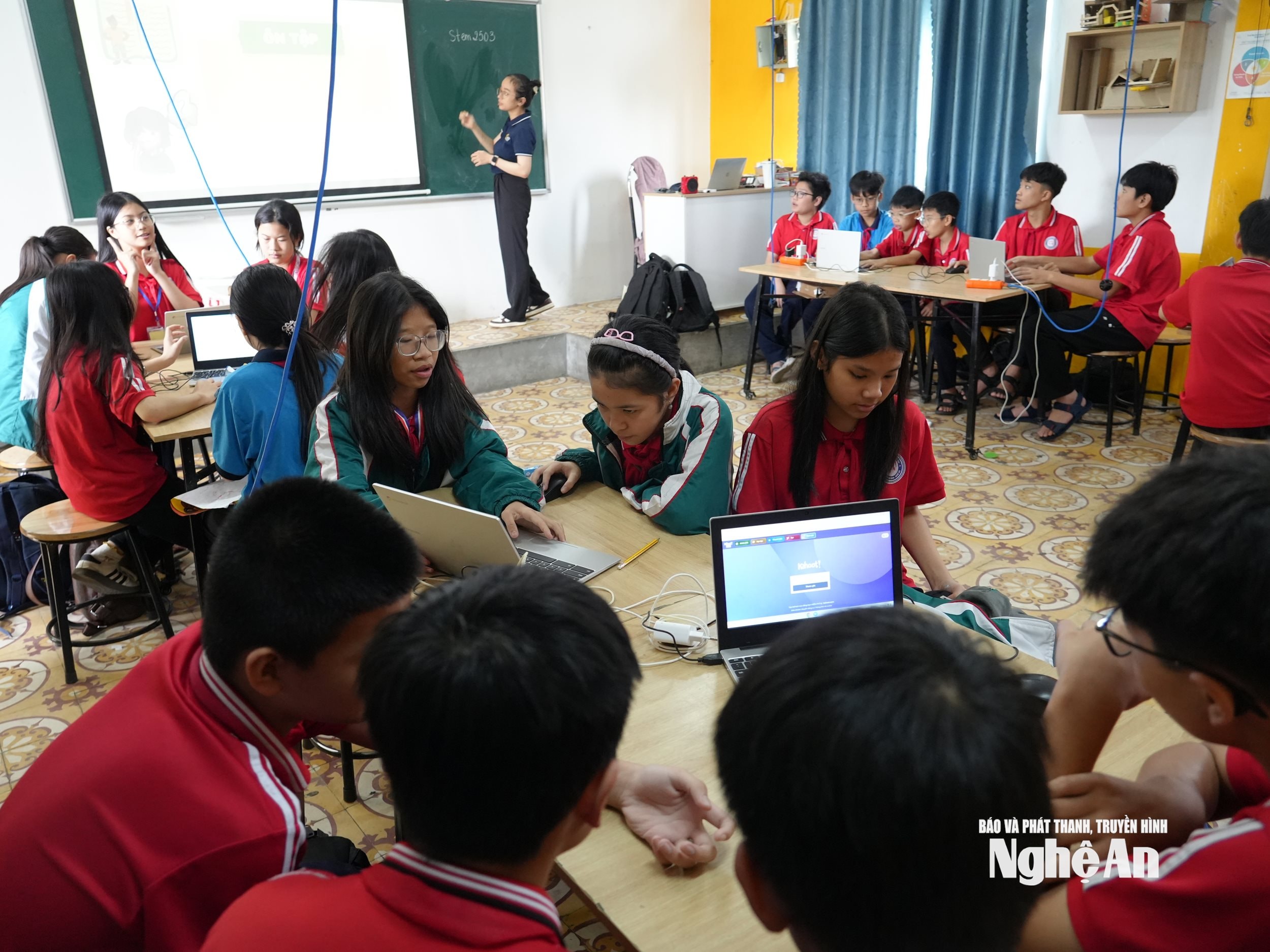
At Dang Thai Mai Secondary School, despite having the advantage of being a "specialized school" at the secondary level in the former Vinh city, and not worrying about entrance exam scores, implementing the advanced school model in a context of "fighting without resources" still presented many difficulties for the school.
Undeniably, the advanced school model helps students develop holistically, and our school still ensures high standards for student entry and exit.
However, if this model is implemented, we believe it requires a separate mechanism encompassing infrastructure, teaching staff, and other priorities. Without this synchronization, schools will face significant difficulties in its implementation.
Ms. Nguyen Thi Thu Hien - Principal of Dang Thai Mai Secondary School
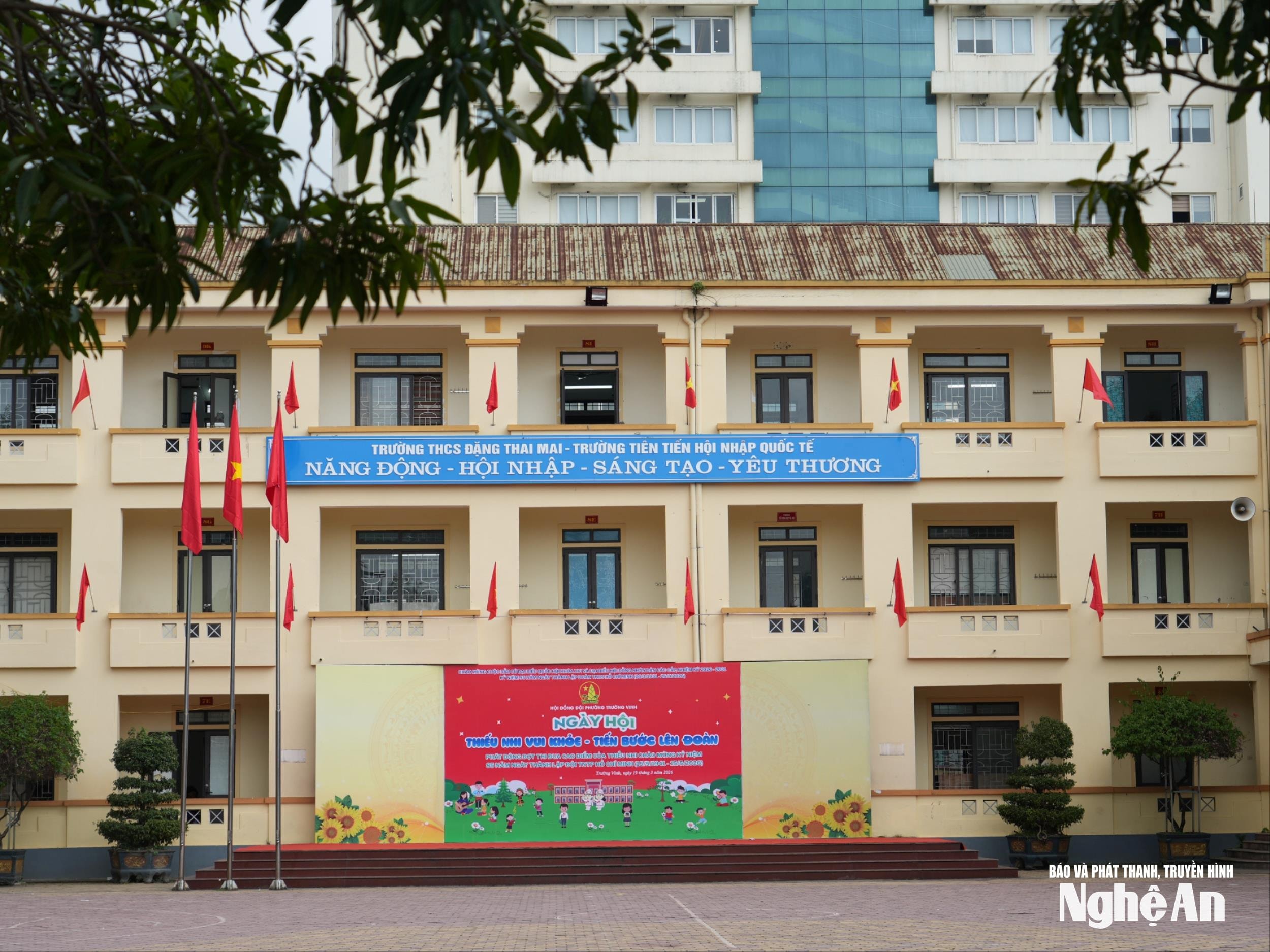
With numerous challenges arising from quality, curriculum, facilities, teachers, and even parents, many believe that, after a pilot period, the education sector needs to comprehensively re-evaluate the province's advanced school model.
Furthermore, after discontinuing the advanced school model at the high school level, whether to continue or expand it to other educational levels also needs careful consideration if there is a lack of interconnectedness, coordination, and synchronization as is currently the case...


