
The advanced school model is not yet truly groundbreaking.
(Baonghean.vn) - After two years of piloting the advanced school model, many shortcomings and difficulties have arisen. Therefore, evaluating the model's operation to make proposals, recommendations, and find solutions to overcome these challenges is essential.
Not synchronized
Dang Thai Mai Secondary School is the first secondary school in Vinh City to implement this model.advanced schoolWith 18 classes and 666 students enrolled, while this model was applied to students in the general education program in its first year, from the 2023-2024 school year onwards, all students registering for the advanced model at the school will have to take an entrance exam.
In addition to the standard curriculum of the Ministry of Education and Training, students in the advanced program also study subjects that enhance their abilities and talents, such as Information Technology, Foreign Languages, and STEM education. With this program, the school arranges a two-session-per-day schedule and offers boarding facilities if parents require them.
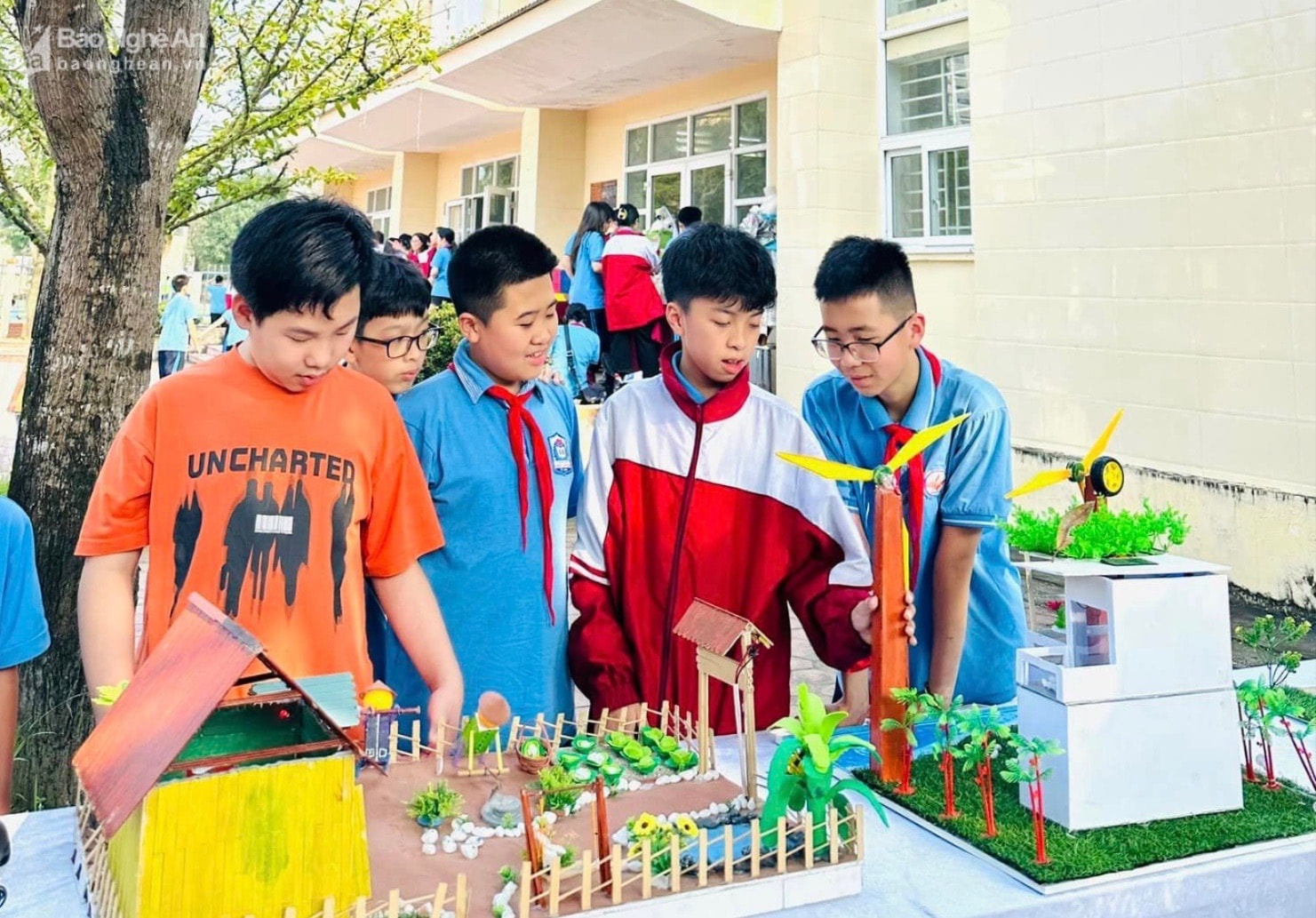
According to the school's assessment, after two years of implementation, the quality of education continues to be maintained. Specifically, in the 2022-2023 school year, 82.74% of students were rated "good," 16.44% were rated "fair," and 0.82% achieved a passing grade. In the first semester of this school year, 90.84% of students were rated "good."
Previously, with the advantage of being the top-performing junior high school in Vinh City, Dang Thai Mai Junior High School did not face many difficulties in student recruitment during the first two years of implementing the advanced school model. Parents with children attending Dang Thai Mai Junior High School also did not have to worry much about the teaching staff and learning environment. However, in addition to the prescribed curriculum, many parents still have concerns about the school's implementation of enhanced subject programs.
A parent whose child is in 7th grade at Dang Thai Mai Secondary School said: “I find the advanced program too demanding because the children study every day of the week, including many afternoon classes in enhanced subjects like STEM, Informatics, arts, and enhanced English, and it's not really effective. After school, the children still have to attend extra classes outside to keep up with the curriculum, so they don't have time to rest…”
This parent is also concerned because after two years of studying the IT program, at the end of each year the school requires parents to pay more than 600,000 VND/year to take an international certification exam, even though this certificate is not mandatory in high school.
In addition to the concerns mentioned above, Dang Thai Mai Secondary School is currently facing difficulties regarding its facilities. The school provides lunch for nearly 300 students but lacks a proper dining hall, kitchen, and boarding area. Meals are currently supplied by an external provider under contract. Many school facilities are damaged or dilapidated, and the school also lacks several specialized classrooms and functional spaces.

Implementing the "Pilot Project for Building Advanced Preschools and Primary and Secondary Schools in line with International Integration Trends in Nghe An Province, 2021-2030," from the 2022-2023 school year to the present, Nghe An has piloted the advanced school model in 14 preschools, primary schools, secondary schools, and high schools in Nghi Loc and Do Luong districts, Hoang Mai town, and Vinh city, with 132 classes and over 4,200 students participating. However, the implementation process has shown that the advanced school model has not met expectations.
In reality, many schools that have implemented this program, or are called advanced schools, have not received investment in facilities and teaching equipment, and have not been prioritized in terms of sufficient teacher allocation.
Because two teaching models are implemented simultaneously in one school, there is overlap in teacher allocation. Scheduling supplementary subjects is difficult due to conflicts with the schedules of the centers. The school is currently short of teachers and lacks adequate facilities.
The school lacks a modern foreign language classroom, enough computers to meet the IC3 computer science requirements of the enhanced program, interactive whiteboards, and easily movable desks and chairs suitable for group work. Furthermore, it does not have a swimming pool for practice, a standard basketball court, or a student experiential learning area.
Lack of innovation and differentiation.
To date, the advanced school model has been implemented in all four educational levels in Nghe An province. The implementation process has revealed obstacles at all levels for various reasons. While in preschool education, current difficulties focus on investment funding, facilities, and teaching staff, each of the remaining levels has its own unique characteristics.
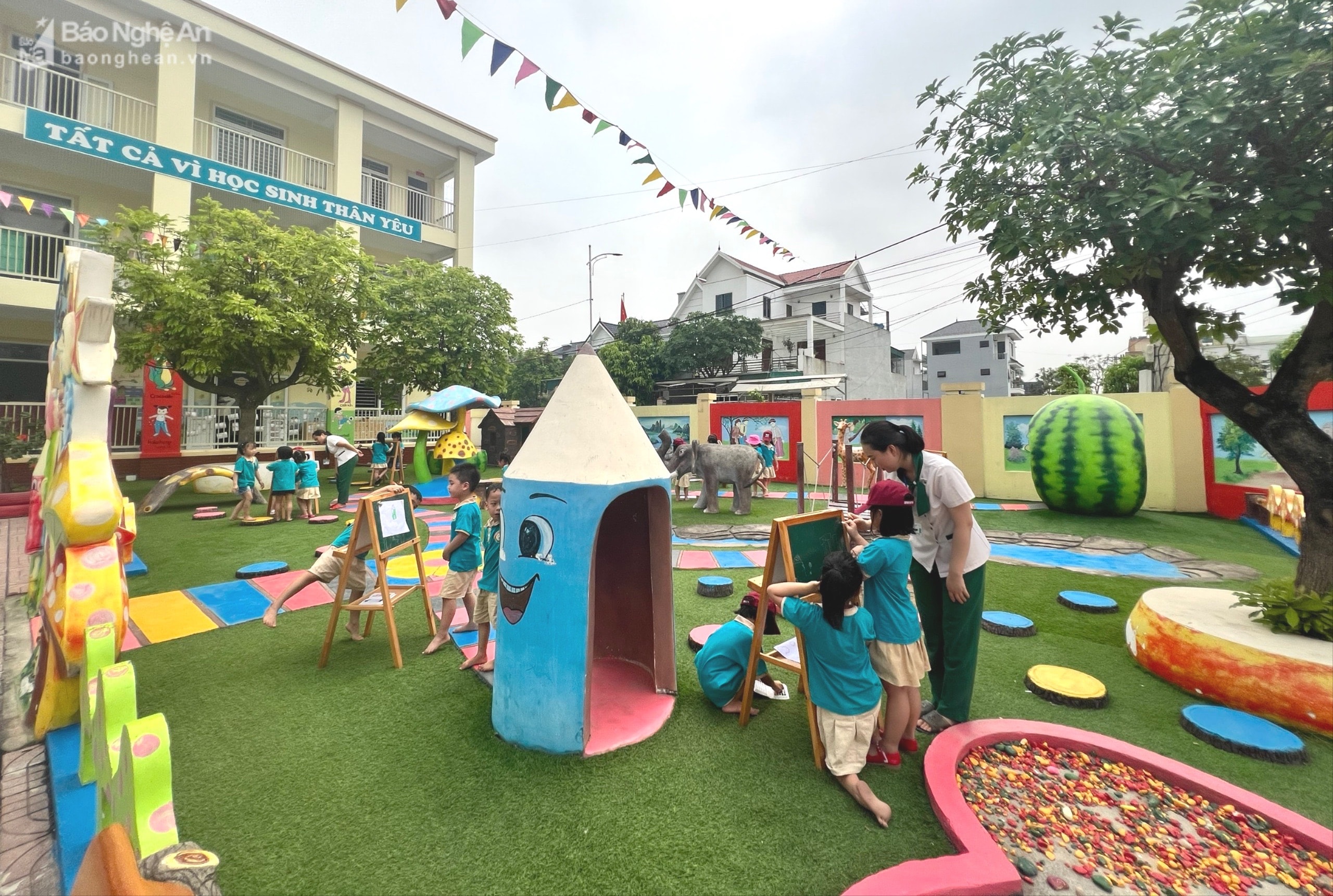
In Vinh City, after two years of implementation at the primary and secondary school levels, many still believe that deploying the advanced school model in wards and communes for students covered by universal education is inappropriate. Even after students have started attending school, parents still have many concerns.
Ms. Hoang Phuong Thao, Head of the Education and Training Department of Vinh City, acknowledged: "Before the enrollment process, all parents had reviewed the study packages and organizational methods and had reached a written agreement… but after attending the classes, many parents disagreed with the curriculum, lost interest in the enhanced English program, the international IT program, and even requested not to continue with the advanced program."
We believe that the curricula of the advanced school model need to be reviewed, the implementation of enhanced subjects should be improved, and there should be more training partnerships to make it easier for schools to choose from.”
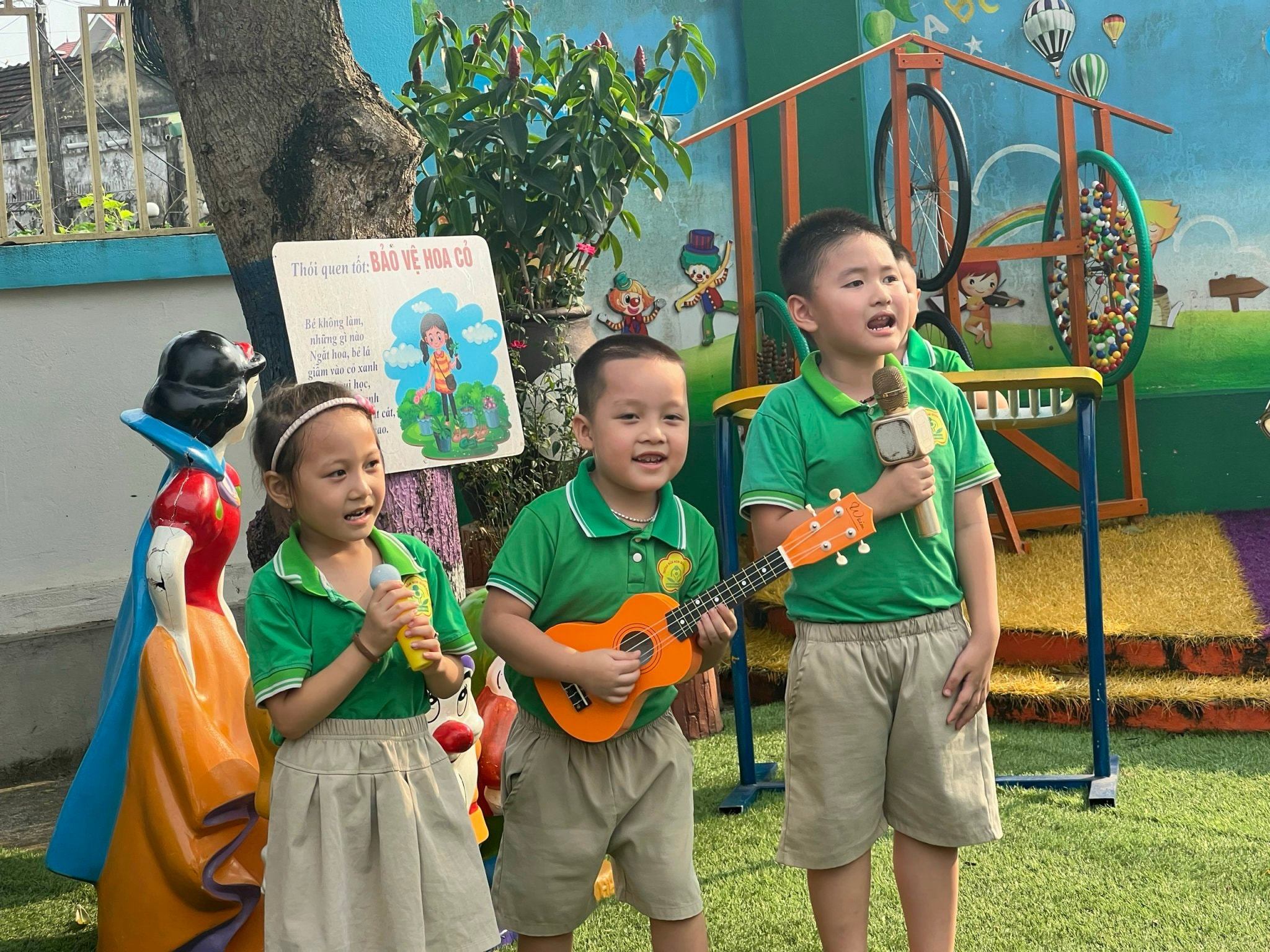
At the high school level, while called an advanced model, the quality of teaching is not actually guaranteed, and the student intake is below the standard of traditional classes. Therefore, the biggest concern for schools is the difficulty in ensuring the promised outcomes, especially in foreign languages and computer science. Meanwhile, parents who enroll their children in advanced classes are skeptical about the curriculum, even believing it to be a private school system.
Regarding this issue, the Culture and Social Affairs Committee of the Provincial People's Council recently conducted a survey on the implementation of the advanced school model in several schools in Vinh City. During the inspection and evaluation process, many concerns were raised. Ms. Luc Thi Lien, Deputy Head of the Culture and Social Affairs Committee of the Provincial People's Council, questioned: “We lack standardized entrance requirements for advanced classes at the high school level, making it difficult to establish appropriate outcomes… Or is there a difference in quality standards between the two levels of education? For example, at the junior high school level, Dang Thai Mai Junior High School has very high entrance requirements. But at the high school level, students who don't get into public schools are placed in advanced classes, leading to a 'strained' quality and an imbalance?”
In addition to the above issues, representatives from the Culture and Social Affairs Committee of the Provincial People's Council also stated that the current advanced model lacks differentiation, and schools have not been bold enough to change the curriculum to be different from regular classes.
Furthermore, schools are still struggling with organizational methods, lacking uniformity in fee collection practices, and the curriculum framework is unsuitable, leading to an overload for students. There are also no specific guidelines for implementing fee collection and expenditure, failing to provide a clear framework for schools to follow.
Given the aforementioned shortcomings, the Culture and Social Affairs Committee of the Provincial People's Council is requesting that the Department of Education and Training conduct a thorough and objective evaluation to learn from the experience in the implementation process. The evaluation must be based on the objectives of the project and clearly identify the nature of the advanced school model being applied, the teaching and learning process, and the learning outcomes.
Mr. Chu Duc Thai, Head of the Culture and Social Affairs Committee of the Provincial People's Council, also expressed his opinion: "The goal of building an advanced school model is in line with the development trend, and if implemented according to the plan, it will bring many benefits to children in Nghe An province. However, because it is a pilot project, there will be both positive and negative aspects. Therefore, accurate and correct evaluation, identifying shortcomings, problems, difficulties, and obstacles will be an important basis for developing implementation plans in the future. During implementation, the goal must be for the benefit of students, not for business or profit."


