
Traditional foods to prevent disease in polluted environments?
Wood ear mushrooms are a top-ranking food item that has been used by Eastern cultures for centuries, especially by people in mining regions. Wood ear mushrooms are a common and inexpensive food that should be widely publicized for their ability to prevent dust-related illnesses.
Protection against dust poisoning
Black fungus |
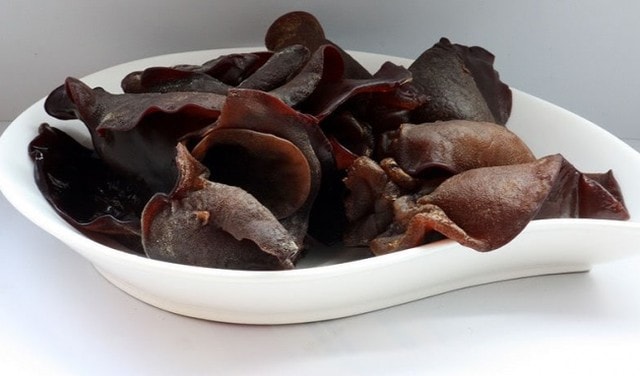
Black fungus:Because it contains many types of enzymes and plant-based alkaline substances, wood ear mushrooms can act on foreign substances that enter the body and cause disease, especially in the respiratory system (rhinitis, pharyngitis, bronchitis, pneumonia) and cardiovascular diseases for people living and working in dusty environments (construction sites, coal mines, brick factories, cotton, wool, carpet factories...).
Wood ear mushrooms are a top-ranking food item that has been used by Eastern cultures for centuries, especially by people in mining regions. Wood ear mushrooms are a common and inexpensive food that should be widely known for its ability to prevent dust-related illnesses. They can be used in many ways, such as stir-frying, cooking, porridge, desserts, fillings for pastries, and in stir-fried dishes.
Jellyfish soup: Use 30g of jellyfish and 150g of fresh water chestnuts. Cook with water. It is effective for dry, itchy throats caused by dusty environments, sore throats, and coughs with yellow phlegm.
Lily bulb, Codonopsis pilosula, and pig lung soup: 15g of pig lung with lily bulb and 20g of Codonopsis pilosula. Cook until tender and eat to treat coughs in people working in dusty environments who experience shortness of breath, fatigue, and weakness.
Chemical poisoning prevention
- Due to lead:Lead is found in paints, ceramic decorations, and in the past in leaded gasoline and battery manufacturing.
Garlic: Eat a few cloves of raw or lightly cooked garlic with each meal daily. It's best to eat crushed garlic fresh, or preserve it by eating whole cloves or slicing it and soaking it in vinegar. To mask the smell, after eating, eat some candy or chew a few dried tea leaves.
Fruits and vegetables: Rich in vitamin C, such as oranges, lemons, tangerines, and grapefruits...
Animal-based foods: Meat, eggs, and fish metabolize lead into easily soluble phosphate 3, which is then excreted from the body.
Cow's milk: The protein in milk combines with lead to form an insoluble substance, limiting lead absorption. Additionally, the calcium in milk prevents lead from entering the bones, allowing it to be excreted from the body.
Other items: seaweed, water chestnuts, various types of vegetables, especially cabbage, and various types of beans, especially mung beans.
- Due to benzene:Gasoline, after the lead is removed, contains benzene, which is also toxic to anyone who comes into contact with gasoline, paint, plastics, rubber, and colored inks.
60g mung beans, 20g red dates (pitted), 6g raw licorice root (wrapped in cloth). Cook the mung beans and dates until tender, then add the licorice root and consume both the liquid and the solids.
20g lotus seeds, 20g coix seeds, 50g molasses. Cook until reduced to a paste. For each dose, take one teaspoonful and mix with water to drink.
Boil 30g of red dates and 10g of anemarrhena rhizome together and drink daily.
1.5g of ginseng, 10g of red dates (remove the pits), boil until tender and consume both the liquid and the solids.
- Due to mercury:There have been warnings about mercury pollution, particularly in gold mining areas. Workers directly involved in the process are exposed to mercury. In addition, mercury can also contaminate other areas such as battery production, dye manufacturing, paper and wood processing, fungicide production, and dental pharmaceuticals.
The ideal food for this group includes plants rich in pectin (a gelling agent) such as carrots, and the pulp of fruits like grapefruit, tangerines, oranges, and lemons.
Radiation protection
Radiation exposure commonly affects people working in environments with radiation, such as nuclear power plants, radiation therapy rooms, X-ray rooms, and those working with photocopiers.
Seaweed is a substance that repels radiation. It helps the body excrete it. Other vegetables like cabbage and carrots also help. Drink green tea (fresh tea) daily.
Side effects of radiation therapy: If hair loss occurs, crush rapeseed flowers, squeeze out the juice, boil it, add cane sugar, and drink the mixture. Additionally, this patient is advised to consume honey daily to compensate for the reduced glucose levels.
Traditional Chinese medicine often uses herbs that nourish yin and generate body fluids, such as turtle, soft-shelled turtle, eel, pear, and wood ear mushroom.
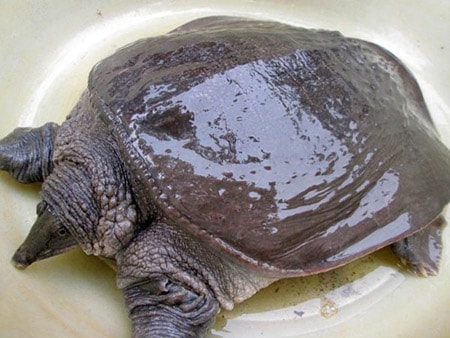 |
| Turtle |
Noise pollution prevention
Consume nutritious foods such as eggs, milk, beans, and fresh fruits and vegetables. Pay attention to those rich in vitamin B1 and magnesium.
Foods that prevent toxins
In Traditional Chinese Medicine, certain foods are often used to counteract toxins that are not classified as specific remedies.
Mung beans: According to folk experience, mung beans detoxify all toxins that enter the body. Summer is the season of heavy pollution, so eating mung bean porridge, soup, or dessert is very suitable. Mung beans are often used to treat arsenic poisoning.
Licorice: This is a well-known medicinal herb often used in food and drinks. It also has the effect of detoxifying the body.
Wrap licorice root in a cloth bag and cook it with soybeans until tender. You can add seasonings and then eat it.
Licorice should not be overused or consumed regularly every day for extended periods, as it can cause edema due to water retention and may impair sexual function.
Alkaline substances: Alkaline substances are found in fruits and vegetables. Besides their nutritional benefits, they also help cleanse the body's internal environment. By maintaining alkalinity in the blood, they break down toxins and excrete them, keeping the internal environment clean and harmless.
According to Health & Life


