
Dishes made with moringa improve health in winter.
Moringa is rich in nutrients and is used in dishes to boost health during the winter, benefiting people with arthritis and high blood pressure.
1. Health benefits of moringa leaves
- Preventing arthritis:Inflammation is the root cause of many diseases such as cancer, arthritis, rheumatoid arthritis, and many autoimmune diseases. In particular, the cold winter climate creates favorable conditions for the onset of musculoskeletal disorders.
Moringa contains many vitamins and minerals that help reduce inflammation, thereby limiting the symptoms of osteoarthritis.
- Lowering blood pressure:Moringa has antioxidant properties and protects against the damaging effects of free radicals, which are the cause of many chronic diseases such as type 2 diabetes, heart problems, and Alzheimer's disease.
Furthermore, moringa leaves are rich in vitamin C and beta-carotene, which fight free radicals. Moringa leaves also contain quercetin, an antioxidant that helps lower blood pressure. Blood pressure tends to increase in winter, so consuming moringa is beneficial for health.
ButHypoglycemia:Prolonged high blood sugar levels lead to the development of diabetes. This condition can cause heart problems and damage to organs in the body. Regularly consuming moringa leaves helps stabilize blood sugar levels due to the presence of isothiocyanates.
- Reduceccholesterol, liver protection:Besides oats, flaxseed, and almonds, moringa leaves are an effective remedy for preventing high cholesterol. Cholesterol is a major cause of heart disease, and consuming moringa leaves has been shown to significantly improve high cholesterol levels.
Furthermore, moringa leaves help accelerate the repair of liver cells and stabilize liver enzymes. This is because moringa leaves contain a high amount of polyphenols, which increase protein levels in the liver and fight against oxidation that damages the liver.
- Improves digestion:In addition, moringa leaves help combat digestive disorders due to their antibacterial and antimicrobial properties and high vitamin B content. People suffering from constipation, bloating, gas, gastritis, and ulcerative colitis should add moringa leaves to their diet.
- Skin and hair care:Moringa contains antioxidants along with vitamins A and E, which help to alleviate dry skin and hair loss caused by cold, dry winter weather.
2. Preparing dishes from moringa
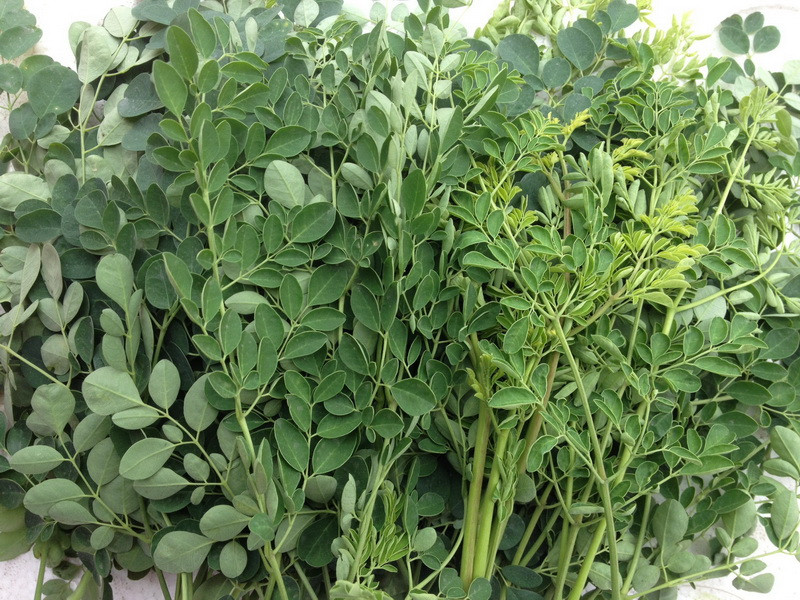
Moringa is also known by other names such as the all-purpose tree, the tree of life, the miraculous tree, the wonder tree, the horseradish tree, the drumstick tree, and the bel oil tree. Its scientific name isMoringa Oleifera Lam(M. Pterygosperum Gaertn) belongs to the Moringa family.MorningaceaeThe parts used for medicinal purposes include both the roots (tubers) and the entire plant (leaves, flowers, fruits, seeds, bark).
According to Traditional Medicine Practitioner Bui Dac Sang of the Hanoi Traditional Medicine Association, in addition to being used as a medicine to treat benign prostatic hyperplasia, physical weakness, stabilize blood pressure, enhance sexual function, and nourish skin and hair, moringa can be processed into daily dishes that have a health-boosting effect.
- Raw vegetables:Moringa leaves can be mixed and eaten raw like lettuce.
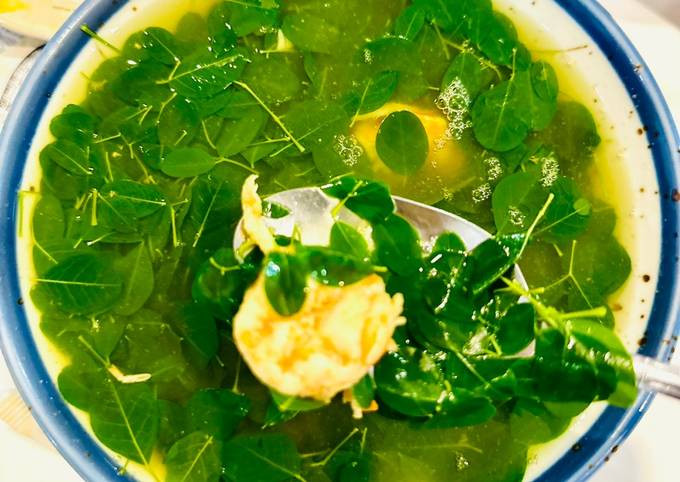
- Cooking soup:100g moringa leaves, 50g beef (or pork), cook into a soup; or 100g moringa leaves, 50g shiitake mushrooms, cook into a soup.
- Smoothies:20g of moringa leaves, 2 teaspoons of coffee, enough milk, blend into a smoothie and drink.
Additionally, dried and powdered moringa leaves can be stored for a long time without losing nutrients and can be used in many dishes such as porridge, baby food, cake mix, and beverages.
3. What precautions should be taken when using moringa leaves?
Although it has many benefits and is generally considered safe and healthy for most people, there are some side effects to be aware of.
In large doses, moringa leaves, bark, roots, and fruit can cause mild diarrhea. Pregnant women should avoid moringa leaves as the roots, bark, and leaf extracts may cause uterine contractions. In some cases, moringa leaf powder has been found to contain lead levels higher than the recommended permissible limit, so caution is advised and reputable products should be chosen.
Moringa should not be eaten at dinner as it may cause insomnia. People taking blood thinners, thyroid medication, diabetes medication, or blood pressure medication should consult their doctor to avoid increasing or decreasing the effects of their medications.


