
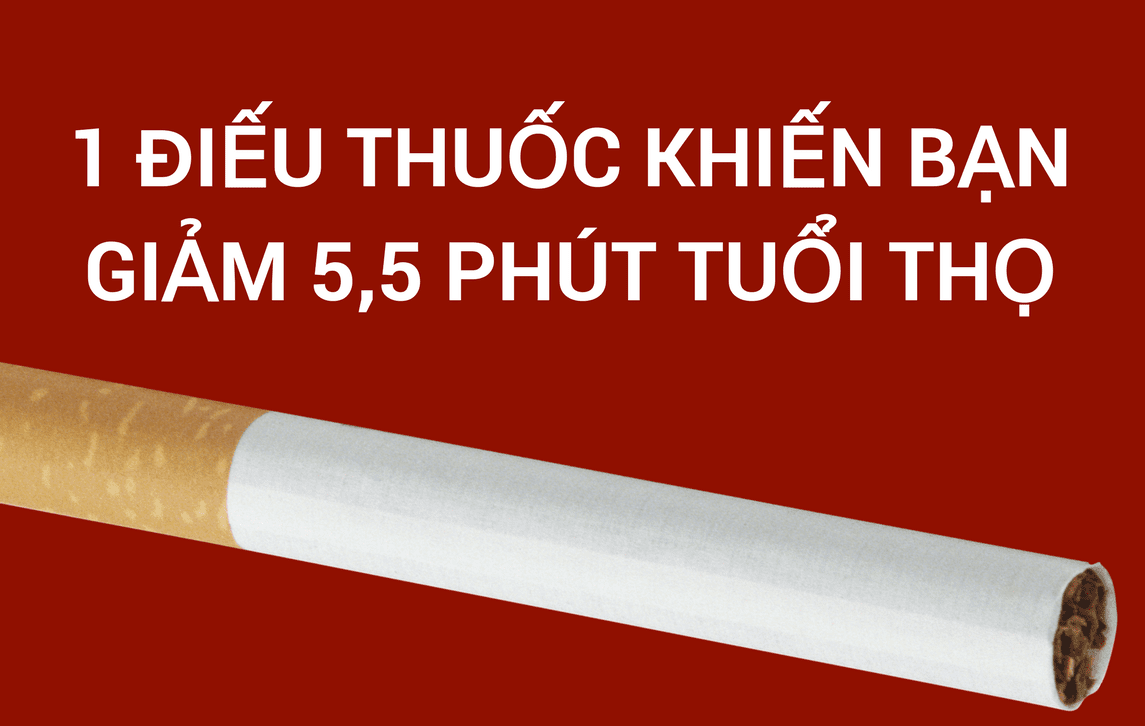
Once a cigarette is lit, the smoker's lifespan is shortened.
Smoking not only negatively affects health but also shortens human lifespan. Scientific studies have consistently shown that cigarette smoke is a direct cause of dangerous diseases, even threatening the lives of users.
According to the World Health Organization (WHO), every 5 seconds in the world, someone dies from tobacco-related diseases. Heavy smoking can reduce a user's average life expectancy by 10 years. Smokers are more likely to develop chronic diseases such as cancer, cardiovascular disease, and chronic obstructive pulmonary disease (COPD) earlier than non-smokers, impairing their quality of life and leading to premature death.
Smoking is not only the leading cause of lung cancer but is also linked to more than 20 other types of cancer, including oral, esophageal, stomach, and bladder cancer. In addition, tobacco-related cardiovascular diseases, such as heart attacks and strokes, are major factors contributing to increased mortality rates among smokers.
According to research from the U.S. Centers for Disease Control and Prevention, smokers have a 2-4 times higher risk of dying from cardiovascular disease compared to non-smokers. Smoking also affects the immune system, making it harder for the body to fight off common infections. This increases the risk of serious infections and prolongs recovery time, contributing to a shorter lifespan.
Studies have also shown that there is no "safe level of smoking." The risk of heart disease and stroke is only about 50% lower for someone who smokes one cigarette a day compared to someone who smokes 20.
Research from the UK shows that smokers between the ages of 20 and 40 may lose an average of 10 years of life expectancy compared to non-smokers. Those who decide to quit smoking before age 40 can reduce their risk of premature death by up to 90%. Those who continue to smoke have twice the risk of death compared to non-smokers.
This is a serious figure, highlighting the harm that tobacco causes to the health and lifespan of users. It also serves as a strong warning about the dangers of tobacco and emphasizes the importance of quitting smoking to protect one's health. Even after a long time of smoking, quitting still brings clear health benefits.

The harmful effects of tobacco extend beyond individual health, severely impacting families and society. Treating tobacco-related illnesses increases the financial burden on healthcare, while also reducing productivity due to disease and premature death. Families of smokers often face significant financial burdens and emotional distress from the premature loss of loved ones.
To protect health and prolong life, quitting smoking is an important and necessary step. Support programs for quitting, such as medical counseling, nicotine replacement therapy, and community support, can help smokers overcome their addiction.


