
Some common brake system problems in cars that drivers need to be aware of.
Below are signs that your car's braking system is having problems; you need to check it immediately to ensure your vehicle's safety.
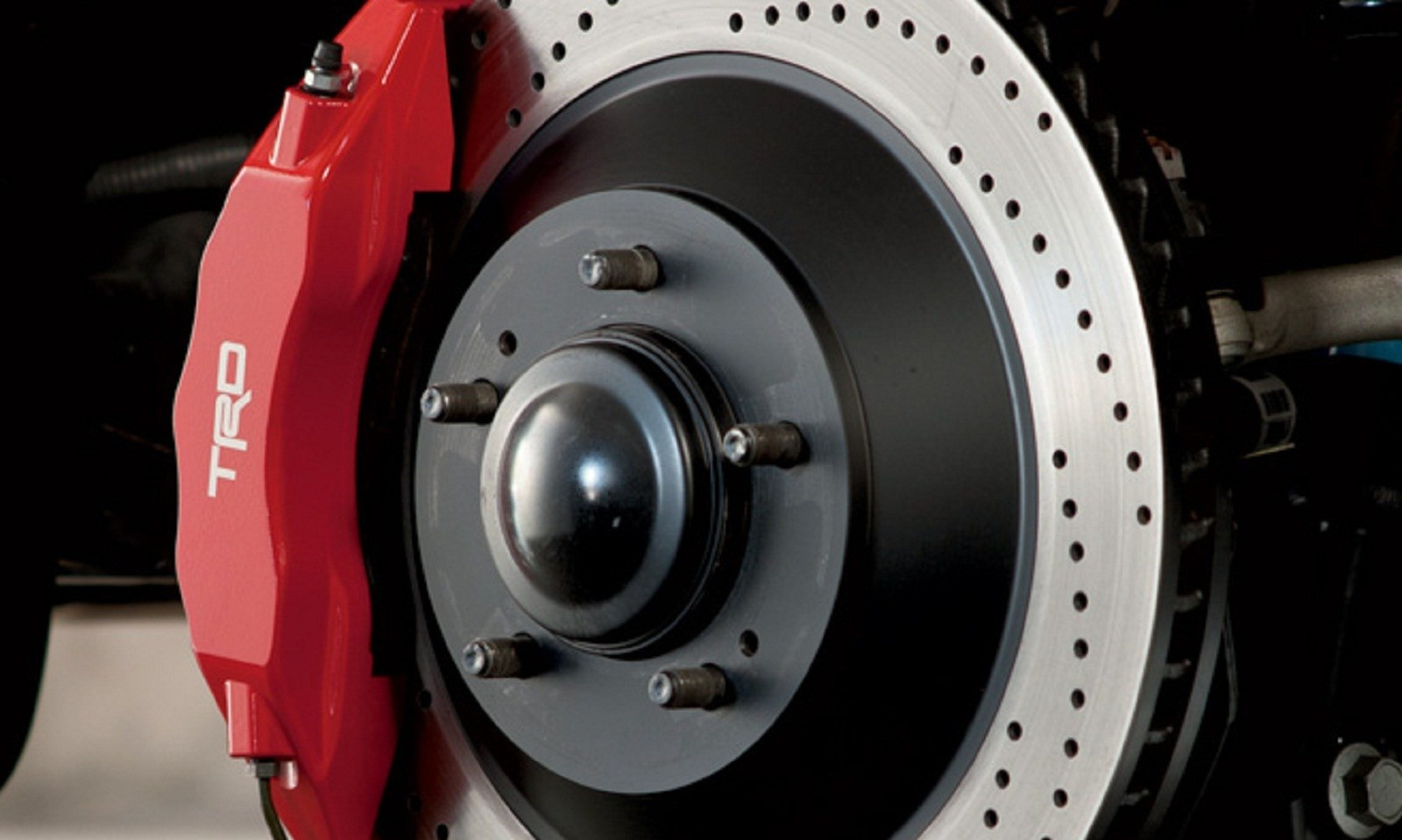
The brakes are malfunctioning.
When braking, the brakes must react smoothly and steadily. Sometimes, if the brake pedal is held down for an extended period, the braking force only lasts for a second before disappearing, repeating this cycle regularly. This could indicate damaged brake pads or discs. In this case, the brake discs must be replaced, either in pairs (front or rear), avoiding replacing only one side.
Ineffective braking
Brake performance is not as good as usual. The brake fluid level is low due to leaks or contamination, causing insufficient pressure when pressing the brake pedal. Inspect and repair or replace the lines before adding or replacing the fluid.
There are cases where the brake wear warning system doesn't work, and there are no noises coming from the wheels. Therefore, poor braking performance is another sign that the brake pads are worn.
The brake pedal feels heavy.
To reduce the effort required for the driver when pressing the brake pedal, vacuum-assisted braking systems are now commonly used. If the brake pedal feels heavy or sluggish, the cause could be a faulty brake booster. A leak prevents the creation of a sufficient pressure difference to assist the force applied to the pedal. The driver can still brake, but will need to apply more force.
Another possible cause is a clogged oil line; the oil pressure increases but cannot be transmitted to the brake mechanism. In this case, even with maximum effort, the brakes will be ineffective or their effectiveness will be significantly reduced. To apply maximum braking force, adjust your seat so that your back and hips are properly supported.
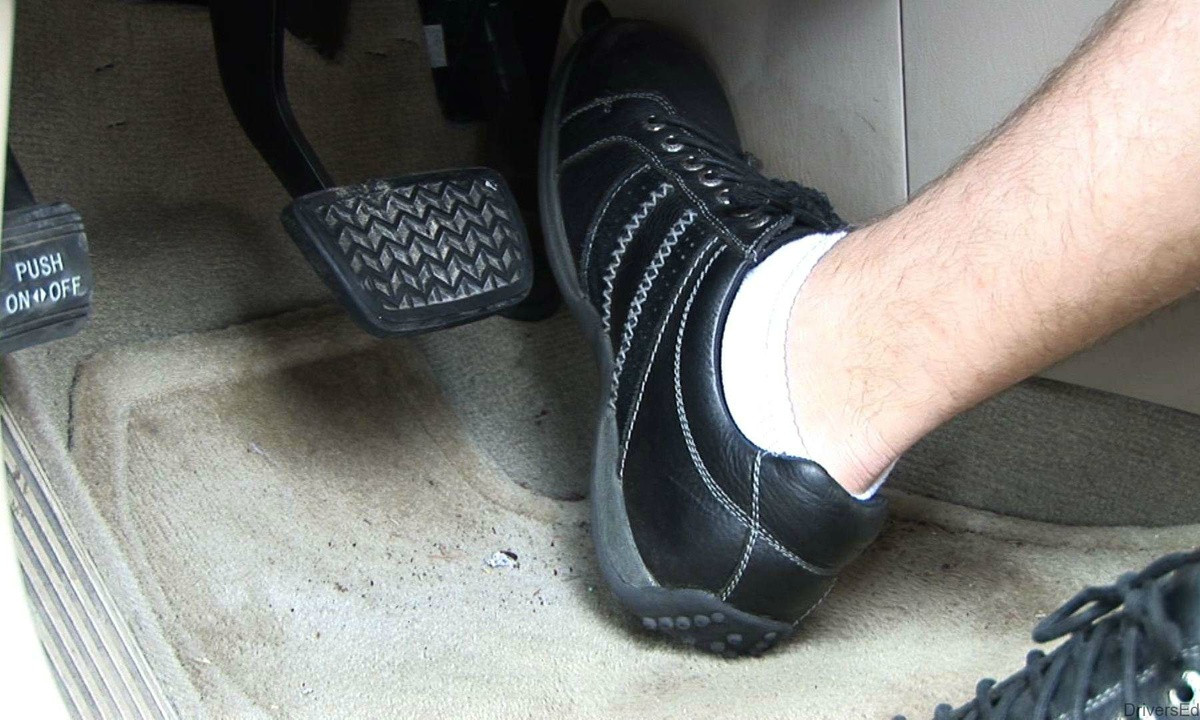
The brake pedal feels weak, with no braking effect whatsoever.
There are two main possible causes: air mixed in the brake fluid or a faulty master cylinder. If the fluid contains air bubbles, these bubbles are easily compressed when the brake pedal is pressed, resulting in insufficient pressure for the braking system to function effectively. Bleeding the brake fluid is necessary to remove the air. In the case of a faulty master cylinder, it may be irreparable, leaving you with no choice but to replace it.
The noise is coming from the brake mechanism.
Suppliers typically use either drum brakes or disc brakes. Disc brakes are commonly used on modern vehicles, either on the front wheels or all four wheels. Older models used drum brakes because their speeds were lower than newer vehicles, and disc brakes were not yet fully developed at that time.
The regular squeaking sound that occurs only when you apply the brakes simply signals that the brake pads are worn and need replacing. This is a safety measure implemented by the manufacturer.


