
MU loses even more money selling players.
Manchester United are facing a difficult summer; selling Rashford, Antony, or Sancho is not just a matter of performance, but also a complex financial problem, as most of them still have long-term contracts and exorbitant salaries.
Recently, Alejandro Garnacho attracted attention when he appeared wearing the jersey of Marcus Rashford, who was left out of manager Ruben Amorim's plans last season and loaned to Aston Villa.
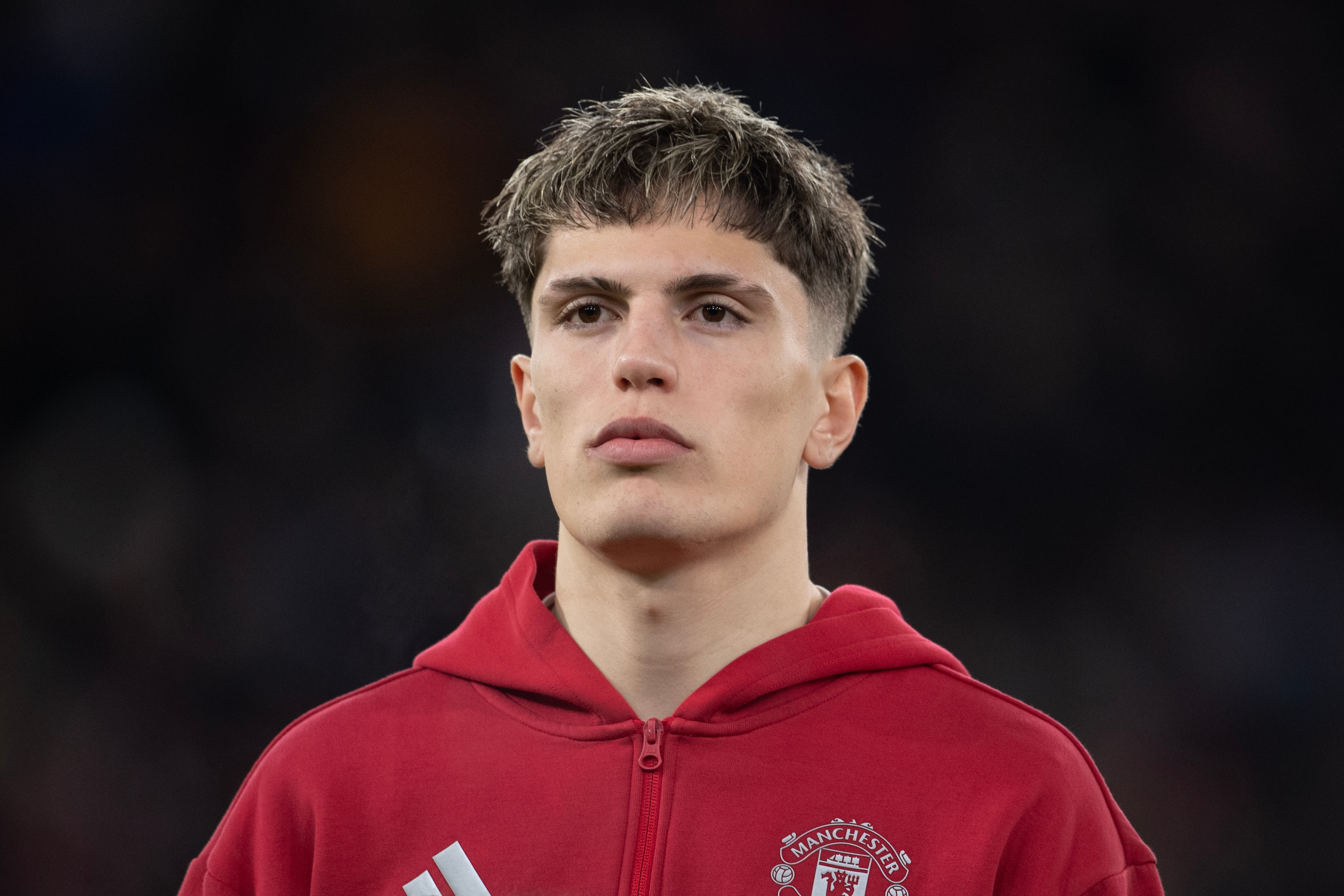
Along with Antony and Sancho, these players all have contracts until 2028, meaning that MU will likely have to continue paying their salaries, at least in part, even if they move to other teams.
Jadon Sancho's case is a prime example of Manchester United's transfer mistakes. Bought for £73 million and earning over £200,000 a week, he failed to live up to expectations and was repeatedly loaned out. Negotiations with Chelsea to sell Sancho outright also broke down due to disagreements over the salary Manchester United would have to bear.
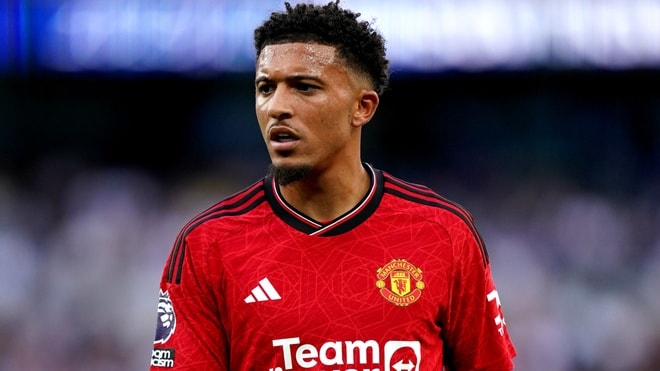
Similarly, Antony was also loaned to Real Betis, and the two sides are currently negotiating for MU to receive a portion of the loan if he is sold again in the future.
Rashford, after being left out of the Manchester United squad last season, played well at Aston Villa and was recalled to the England national team. However, he publicly expressed his intention to play for Barcelona, even though Tottenham were also interested.
Rasmus Hojlund's future has also become uncertain as Inter Milan are closely monitoring the situation, despite him having only recently arrived at Old Trafford.
Manchester United have yet to finalize their squad for the summer tour in the US, and the possibility of players who have fallen out of favor participating remains open. Lukaku's participation in the 2019 tour, despite being on the verge of leaving, shows that things can still change at the last minute.
More importantly, this whole story is clear evidence of the consequences of poor transfer decisions and salary policies. MU spoiled average players too much, turning them into a financial burden while their performance didn't live up to expectations.
Now, having to share 75-90% of salaries in loan deals not only weakens negotiating power but also causes clubs to continue draining their budgets.
MU is paying the price for past mistakes, and it will likely take even more time and money to restructure both the squad and finances. Given the current situation, even if it means incurring losses, they have no choice but to accept cutting their losses in order to reinvent themselves.


