
Winter: What fruits should and shouldn't you eat?
There are certain "golden" fruits that should be eaten in winter, such as oranges, tangerines, apples, and persimmons... but there are also some that should be consumed in moderation for the good health of the whole family.
Fruits you should eat
Oranges and tangerines
 |
Of the four types of fruit that should be eaten during this cold winter, citrus fruits rank first because they contain a very large amount of vitamin C, which helps boost the immune system and prevent common winter illnesses such as the flu, sore throat, and colds.
Furthermore, citrus fruits contain calcium, phosphorus, carotenoids, and citric acid, which help lower cholesterol levels in the blood. However, it's best to consume citrus fruits an hour before meals or after drinking milk to avoid affecting digestion and absorption.
Lemon
 |
Lemons are rich in vitamins A and C. A glass of warm lemon water is a great choice on a cold winter morning. Lemon water helps maintain the body's pH balance, detoxifies, and supports the digestive system.
Pomegranate
 |
Pomegranates are packed with nutrients and high in antioxidants, making them one of the best fruits to eat in winter. They have anti-cancer properties, are beneficial for the heart, and help those suffering from exhaustion. Pomegranates are also a good source of Vitamin A and Vitamin C, which are helpful for radiant skin. You can use pomegranate seeds in salads, juice them, or use them in desserts. Pomegranate juice is rich in polyphenols and antioxidants, along with fiber and other valuable compounds that can lower cholesterol levels and prevent heart disease. It also promotes better blood circulation, reducing the risk of coronary artery disease, ischemic heart disease, and preventing myocardial ischemia.
Banana
Vietnam is a land of tropical fruits, including bananas. Bananas are available almost all year round, and are grown in every region. Even in the freezing winter, banana trees stand tall and produce delicious, sweet, golden fruits.
 |
Among the fruits that should be eaten in winter, bananas rank second. This fruit is rich in vitamins, fiber, magnesium, and zinc, which are very beneficial for health, especially for skin and hair. It also helps prevent strokes and high blood pressure.
Apple
 |
Apples are also one of the fruits that you and your family should eat regularly in winter because they contain many carbohydrates and phosphorus that can improve constipation and digestion, help stabilize blood sugar levels, and prevent kidney stones. Apples also have the ability to retain body heat.
You shouldn't eat apples before meals because it can negatively affect food absorption.
Pear
Pears are one of the winter fruits that contain an excellent source of fiber and a rich source of Vitamin C. However, most of the Vitamin C, as well as the fiber, is contained in the peel of the pear. Therefore, do not peel pears to avoid missing out on most of the nutrients from the pear.
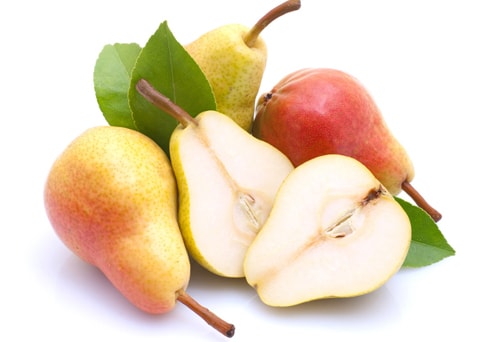 |
Pears are generally rich in iron, antioxidants, and vitamin C, making them important for building the human immune system, beneficial for people with diabetes, preventing kidney inflammation, combating blood alkalinity deficiency, preventing allergies and other skin diseases, and preventing colitis, among other benefits.
Pink
 |
Persimmons come in two types: red and green. Red persimmons have a beautiful red color when ripe and a refreshing, sweet taste, while green persimmons are crunchy. These are the impressions Vietnamese people have when admiring and enjoying persimmons, but very few people know that persimmons are also a very healthy fruit, especially during the winter months.
Ripe persimmons contain twice as much fiber as other fruits, are rich in antioxidants, contain plenty of water, vitamin C, vitamin A, and protein, and are an excellent source of iron, calcium, and magnesium. They have diuretic effects, soothe the nerves, fight harmful bacteria, prevent cardiovascular diseases, and reduce the risk of kidney stones.
Persimmons are very good for the digestive system, especially when you are dieting. They are also used to treat digestive disorders, thanks to their natural pectin content.
Kiwi
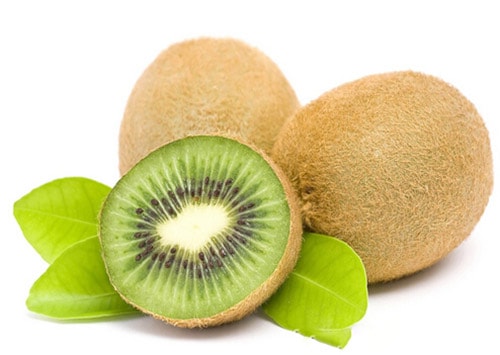 |
Kiwi fruit has a higher vitamin C content than oranges. In addition, it is rich in vitamins A and K, which are very good for digestion.
3 types of fruit you shouldn't eat in winter.
Strawberry
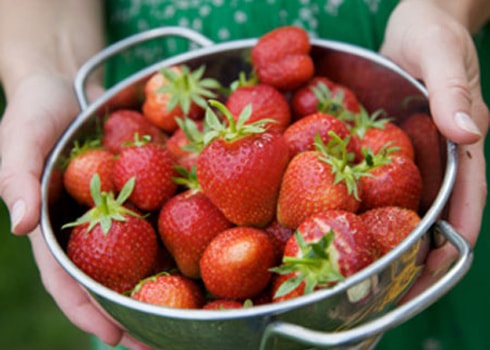 |
Strawberries in winter are usually less flavorful and more sour than those in summer. Nutrients, especially vitamin C, are lost during transportation and storage.
Watermelon
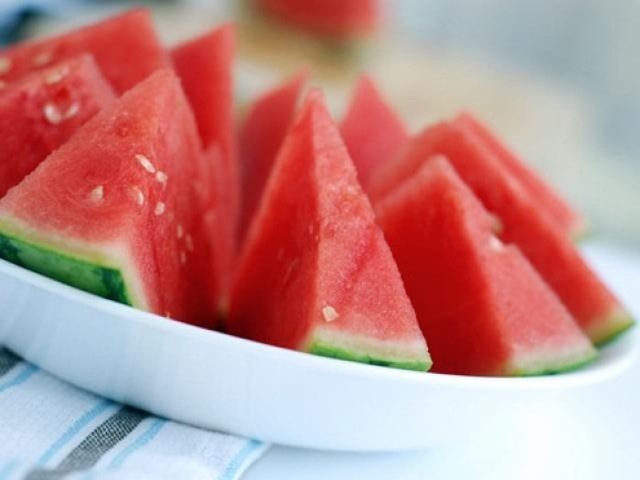 |
In winter, you should avoid eating watermelon because it is a cooling food. When consumed, it produces a cooling effect on the body. The fiber and water in watermelon occupy a large portion of the stomach and intestines, causing digestive disorders and bloating. Eating too much watermelon will lead to energy deficiency, increased sensitivity to cold, and weakness.
Dig
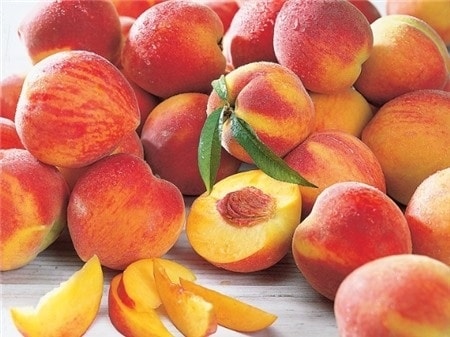 |
Peaches are rich in iron, protein, sugar, zinc, and other nutrients. They are very sweet and delicious in the summer, but their season ends after August. If you find peaches for sale in the winter, they are no longer as healthy. Instead of eating peaches, you can replace them with apples, which have similar nutritional content.
According to Family & Society
| RELATED NEWS |
|---|


