
In cold weather, people are more prone to allergic dermatitis.
Atopic dermatitis often occurs during the cold season because the low humidity makes the skin very prone to dryness. In addition, the use of unsuitable makeup, hair dyes, or partying can also contribute.
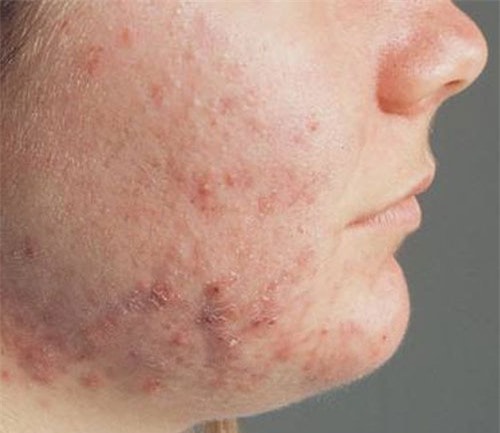 |
| Illustration photo: internet |
According to Dr. Bui Nguyen Phuong Anh from the Marianna Skin Treatment and Care Center, allergic dermatitis is a general term referring to a "group of diseases" related to skin allergies such as contact dermatitis, irritant dermatitis, urticaria, etc.
The most common symptoms of allergic rhinitis are: dry and itchy skin, rashes on the face, inside the elbows, behind the knees, on the hands and feet.
Contact dermatitis
Contact dermatitis (AD) occurs at various ages, and depending on individual susceptibility and living environment, the components of AD can vary.
VDTX is a skin reaction that occurs upon contact with substances or objects that may cause allergies. Symptoms include redness, oozing, swelling, and intense itching at the point of contact.
Many chemicals can cause skin allergies: dyes, gasoline, plastics, rubber, disinfectants, detergents, soaps, perfumes, shampoos, hair dyes, and various types of straps (jewelry, watches, belt buckles, etc.).
In the affected area, symptoms such as itching, redness, oozing, and swelling appear, especially intense itching. If the condition recurs, the skin often thickens due to scratching and rubbing.
If the skin reaction is severe, often due to chemicals used in industry or agriculture, the above signs may appear scattered throughout the body, sometimes accompanied by hives or an asthma attack in people with pre-existing asthma.
Treatment: Patients must be aware of and provide complete information so that the doctor can identify the chemicals or items causing the allergic reaction. Afterward, they should stop using the product or item that caused the allergy.
- Mild VDTX: only itching and oozing in small areas of skin. You can apply Milian solution, gentian violet, potassium permanganate wash, or a mild corticosteroid cream. But remember: if the condition does not improve after three days of application, you must see a doctor. Do not apply the medication repeatedly or for more than three days. Also, do not apply antibiotic powders such as penicillin or tetracycline to the itchy, oozing skin.
- In more severe cases: widespread itching, reactions in multiple areas, you should see a doctor for proper treatment.
Skin irritation
The most common cause of skin irritation is cosmetics. Acute symptoms appear such as heat, redness, burning, stinging, blistering, and itching, leading to long-term consequences for the affected skin area such as dryness, weakness, loss of resistance, and dehydration. The skin becomes rough, flaky, and the damaged area spreads, causing skin pigmentation to darken and the capillaries under the skin to break.
Treatment depends on identifying the irritant and temporarily stopping its use. Antihistamines and low-dose corticosteroids may also be taken to reduce swelling, inflammation, and itching.
Menstrual crampsy
Urticaria (Hives) is a localized skin reaction causing swelling. Urticaria varies in shape and size, from small red papules the size of a chopstick tip to large, red, swollen patches, always accompanied by itching. It can appear in the morning after waking up, in the evening, or throughout the day.
Common locations for urticaria (D&C) to appear are the trunk, buttocks, thighs, or areas where skin is tightly constricted, such as the waistband or bra. A special form is subcutaneous D&C, which often causes swelling of the eyelids, lips, and throat. This type of D&C may be accompanied by fatigue, abdominal pain, and sometimes cause shortness of breath, which can be fatal.
A characteristic of acute dyspnea is that it occurs in episodes lasting a few hours and then disappears. If it lasts for a few weeks, it is acute dyspnea; if the illness lasts longer than six weeks, it is chronic dyspnea.
Allergic reactions can occur at all ages, from newborns and children to adults, with the allergens varying depending on age.
Components and causes of diabetes:
1. Food, drinks, and spices: The foods most often blamed are seafood such as clams, mussels, crabs, and sea fish; chocolate, milk, butter, and cheese; and plant-based foods like cantaloupe, watermelon, tomatoes, strawberries, and even onions and garlic. However, it's important to remember that even the most common and "healthiest" foods can cause illness.
2. Food additives are also an important factor. These can be natural substances such as yeasts and vinegars, or chemical substances used to preserve and color food.
3. Medications: Many medications can cause allergies and hives. The most significant are penicillin, followed by aspirin, sulfamides; sleeping pills, tranquilizers, pain relievers for bone and joint pain, birth control pills, and many others.
4. Infections: latent infections and fungal infections often cause chronic rhinitis, such as sinusitis, dental caries, urinary tract infections, and upper respiratory tract infections like rhinitis and pharyngitis.
5. Household dust, pollen, pet dander, and parasites are also causes of chronic diabetes.
6. Changes in temperature and friction from tight clothing can also cause the appearance of constricted hairline.
Prevent
It's best to keep your skin properly moisturized and prevent dehydration by drinking enough water, maintaining a balanced diet, and avoiding the use of unusual cosmetics and jewelry. If needed, you can supplement with some moisturizing creams, ensuring the concentration of the medication is appropriate for the affected area. For example, if you have dry skin on your face, you can use moisturizing oils designed for children; if you have cracked heels, you should use medications with a urea concentration of 20% or higher (combined with lactic acid is even better). Before that, to stop the itching, you can try anti-itch medications such as Benadryl, Chlor-Trimeton, Tavist, or Claritin…
During cold weather, keep yourself warm. If you experience severe itching, consult a doctor to determine the cause. Avoid scratching or rubbing your skin with alcohol, lemon, or menthol oil, as this can cause rashes and skin abrasions.
AloBacsi.vn


