
Take precautions against hypothermia during cold weather.
Cold winter weather can cause several illnesses in humans, including hypothermia (low body temperature). Normally, the body has mechanisms to adapt to changes in ambient temperature. However, for some reason, a drop in body temperature can lead to several risks. Therefore, when the weather is cold, precautions against hypothermia are necessary to avoid harming one's health.
Cold winter weather can cause several illnesses in humans, including hypothermia (low body temperature). Normally, the body has mechanisms to adapt to changes in ambient temperature. However, for some reason, a drop in body temperature can lead to several risks. Therefore, when the weather is cold, precautions against hypothermia are necessary to avoid harming one's health.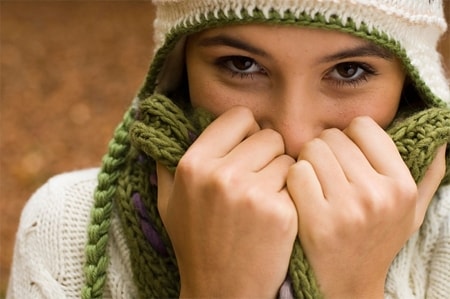
In cold weather, it's important to dress warmly to prevent hypothermia.
The causes
Many factors can lead to hypothermia, such as: insufficient heating in the home; inadequate nutrition; excessive alcohol consumption; chronic heart, liver, or thyroid conditions; infectious diseases; side effects of certain medications; prolonged exposure to cold; insufficient clothing; recent accidents or falls into water; loneliness or poverty, etc.
Symptoms and risks
Hypothermia can occur within a few hours, depending on the amount of heat lost. When the body experiences hypothermia, the patient exhibits symptoms such as fatigue, lethargy, mental confusion, slurred speech, coldness, shivering, pale fingers and toes, difficulty moving, muscle stiffness, and a feeling of extreme coldness.
In cases of severe hypothermia, heart rate and breathing initially increase, then gradually slow down. Hypothermia affects the brain, leading to impaired awareness, difficulty in responding to dangerous situations, and potentially coma… which can be fatal. Therefore, hypothermia requires immediate emergency treatment at the nearest medical facility to avoid dangerous complications. While waiting, place the victim in a warm, draft-free area; warm the chest, neck, head, and groin with a regular blanket or electric blanket. Note that you should not raise the victim's legs, as this will cause blood to pool in the upper body, leaving the legs even colder.
Hypothermia room
In winter, control the temperature inside the house by sealing any gaps that allow heat to escape and cold air to enter. Close windows and vents. Always maintain a sufficiently warm temperature inside the house. If heating devices are unavailable, wear extra layers of clothing such as sweaters. Wear layers of clothing that are not too tight to allow blood circulation and airflow. Air is an excellent insulator.
When going out in cold weather, you should dress warmly: the innermost layer should be a moisture-wicking fabric like silk, the middle layer should be a wool sweater to retain body heat; the outer layer should both retain heat and protect against wind and water. In addition, you should wear a hat, wool gloves, and a face mask (to cover your nose and mouth to prevent heat loss through breathing). If your clothes or body get wet, dry them and change clothes immediately. Wet clothes cause significant heat loss.
It's important to eat a balanced diet. More food is needed in winter to provide more energy. Drink warm water; the body needs adequate hydration in both hot and cold weather.
In addition, avoid drinking too much alcohol because alcohol lowers body temperature. Often, drinking a lot of alcohol only warms the body up for a short time initially, then the body temperature drops again, leaving you feeling cold.
According to Science and Life - NT


