
Should you or shouldn't you floss your teeth after eating?
Teeth are a vital part of your digestive system. Healthy teeth not only enhance your smile but also help you chew food thoroughly, reducing the burden on your stomach. Therefore, protecting your teeth is very important.
Besides developing the habit of brushing your teeth in the morning and evening, you should avoid exposing your teeth to harmful external factors. Using toothpicks is a bad habit that damages your teeth.
In fact, many people have a habit of using toothpicks to clean food particles stuck between their teeth. Frequent toothpicking like this will cause the gaps between teeth to widen over time. Wider gaps make it easier for food to get stuck. Food stuck between teeth then requires more toothpicking. This creates a vicious cycle that, over time, weakens the teeth.
Food particles trapped between teeth easily form plaque. Plaque is a good breeding ground for bacteria, and it also combines with minerals deposited in saliva to form tartar (calculus). This layer of tartar affects tooth enamel, and coupled with bacterial invasion, it causes gingivitis. Gingivitis is very uncomfortable because touching the teeth causes bleeding and pain.
The best solution for cleaning teeth is brushing, along with using dental floss and mouthwash to remove plaque. However, the use of dental floss instead of toothpicks is currently low in Vietnam; even in major cities, only 4-5% of people use dental floss, and even lower in rural areas, with many people not even knowing how to use dental floss. Besides the lack of awareness regarding oral hygiene, the use of dental floss and mouthwash is somewhat complicated and expensive, so many people are still hesitant to use it. To overcome this situation, it is best to brush your teeth after every meal to minimize food particles stuck between teeth and plaque buildup.
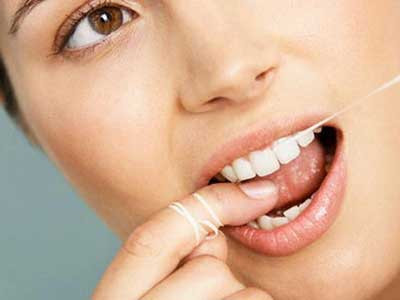 |
You should floss your teeth daily.
Measures to protect teeth
Brush your teeth after every meal: Many people only brush their teeth in the morning before breakfast and then don't brush again until before bed. But you should brush your teeth about 30 minutes after each meal to remove any remaining food particles in your mouth. You should brush your teeth at least twice a day. Rinse your mouth thoroughly after snacking. This helps eliminate bad breath and reduces the risk of cavities.
Use dental floss regularly: Most people think that flossing once a day is enough to keep teeth from decaying. However, just like brushing, it's important to floss immediately after eating to prevent creating a favorable environment for bacteria to cause cavities.
Use mouthwash: After flossing and brushing your teeth, you should rinse your mouth with a specialized mouthwash to prevent cavities and gum disease. You can rinse regularly after eating or drinking anything, especially if you can't brush or floss immediately; rinsing is even more necessary in such cases.
Limit sticky foods: Experts recommend that sticky foods or candies are dangerous enemies of oral health. These foods can melt between teeth or stick to enamel for hours before dissolving completely, posing a higher risk of cavities than any other type of food. If you must eat sugary foods, choose options that can be chewed thoroughly and swallowed, such as hard candies, solid, crunchy foods, etc.
Early detection and treatment of dental problems are crucial, especially for molars, which are located deep within your mouth and are often overlooked. Make sure no food gets stuck between your teeth after meals. These innermost teeth are difficult to clean thoroughly, making them prone to cavities. Regular dental checkups are essential for early detection of any dental issues. This will reduce pain, costs, and treatment time if you experience cavities or other suspected problems.
According to Gia Dinh.net


